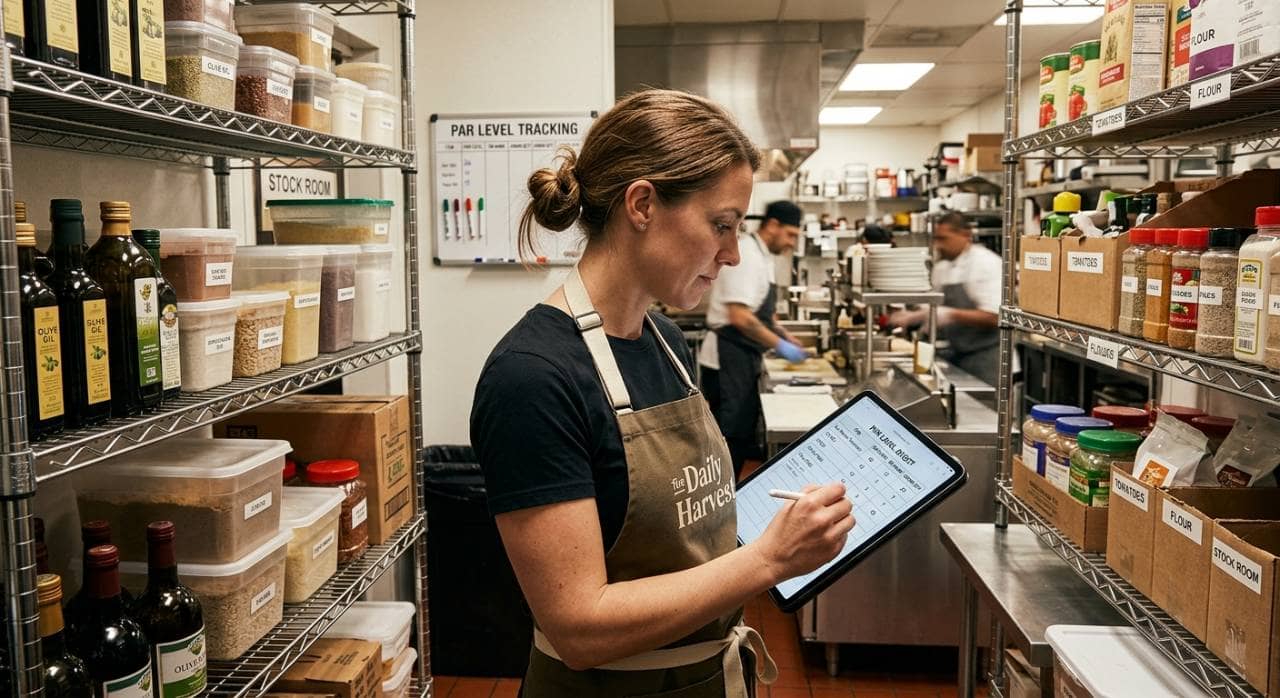
How to Set Par Levels for Restaurant Inventory
Learn to calculate par levels for restaurant food, beverages, and packaging inventory, preventing stockouts and waste through proper formulas.
Back Office
Sep 4, 2026
Learn to calculate par levels for restaurant food, beverages, and packaging inventory, preventing stockouts and waste through proper formulas.
Sep 4, 2026
Caribou Coffee appoints Zane Thomas-Rogers as Chief Operations Officer to strengthen execution across its expanding coffeehouse network.
Sep 4, 2026
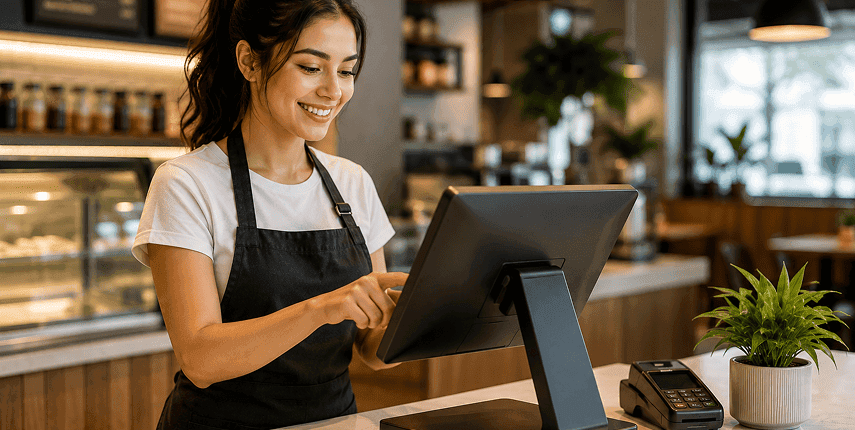
Compare the top 10 restaurant POS systems in the USA for 2026. Explore features, pricing, pros, cons, and the best POS options for every restaurant type.
Jul 1, 2026

Learn how to handle restaurant payroll yourself, from calculating hours and wages to managing tips, taxes, and final paychecks.
Sep 2, 2026
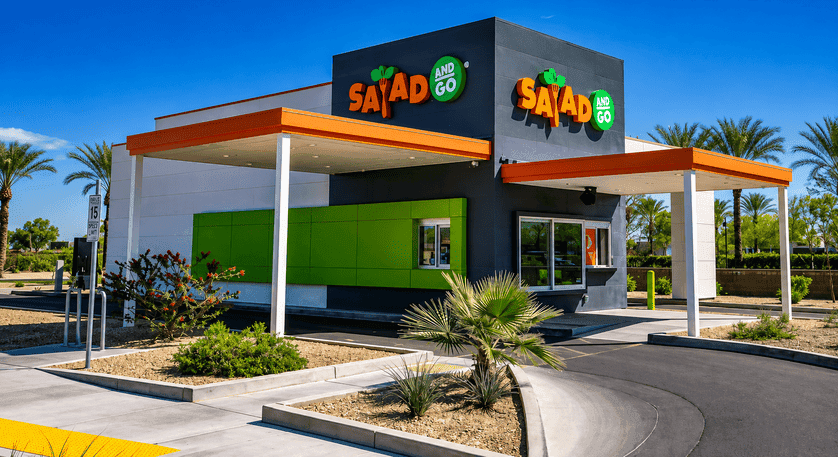
7 Brew has acquired 73 former Salad and Go locations, surpassing Dutch Bros with a $143M bid, signaling a major shift in the competitive landscape for drive-thru brands.
Sep 2, 2026
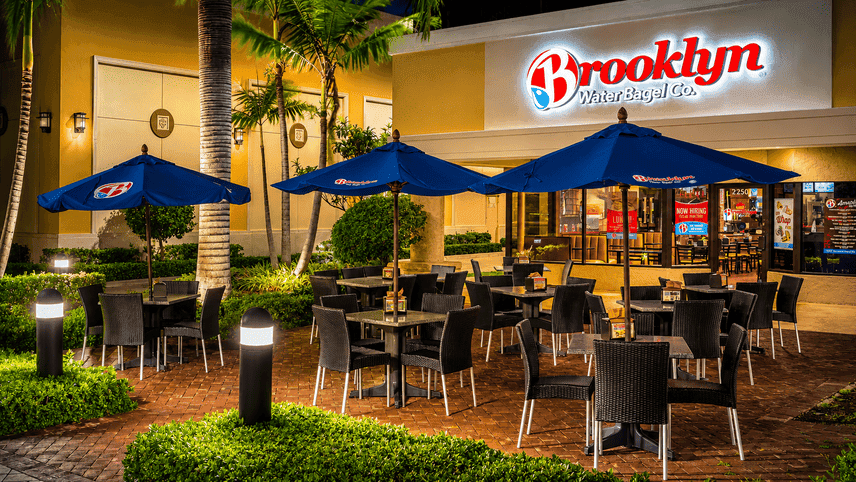
Brooklyn Water Bagel launches its first campus eatery at Nova Southeastern, signaling strategic growth and fresh potential for multi-unit operators seeking new market wins.
Sep 2, 2026
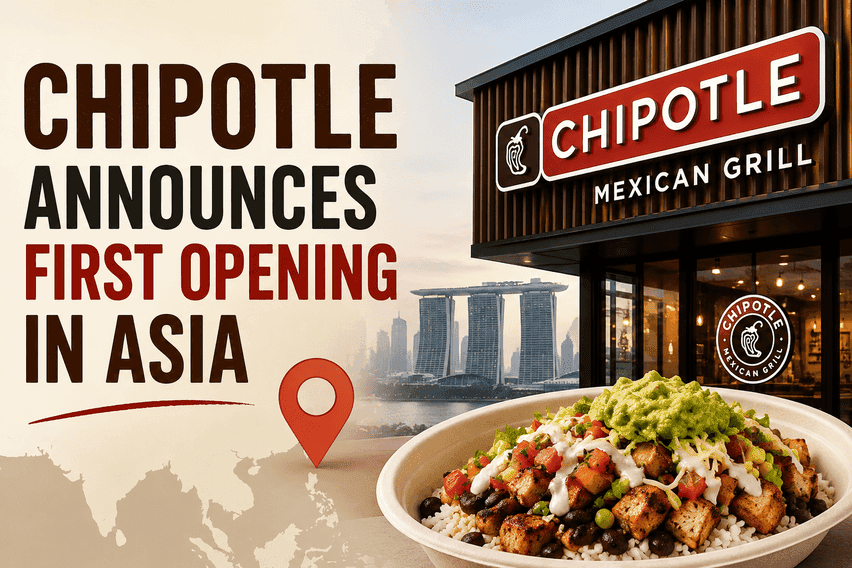
Chipotle makes its highly anticipated entry into Asia with a Seoul opening, partnering with Sangmidang Holdings and setting a template for future international growth.
Sep 2, 2026
Restaurant labor management helps owners optimize staffing, control labor costs, improve productivity, monitor overtime, and maintain efficient restaurant operations.
Sep 2, 2026
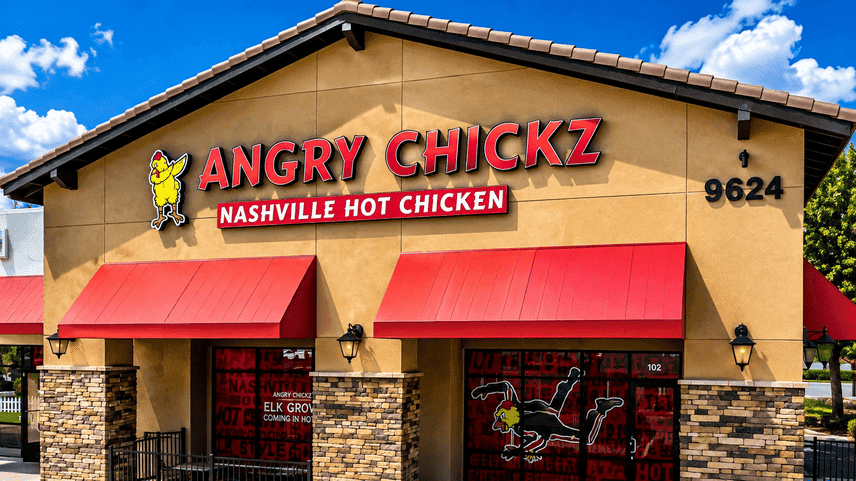
Angry Chickz enters Illinois with its signature hot chicken concept and ambitious plans for Midwest expansion, setting the stage for new franchise opportunities and community engagement.
Sep 2, 2026

Explore restaurant technology trends in 2026, including AI, automation, digital ordering, workforce tools, connected kitchens, personalization, and profitability strategies today.
Aug 28, 2026

Unlock Exclusive Access To Webinars, Events, And The Latest News For Free!
Same-store sales up 8%, margins above 28%, and at least 185 new shops in 2026 as Dutch Bros targets 2,029 units by 2029 amid cold-drink competition.
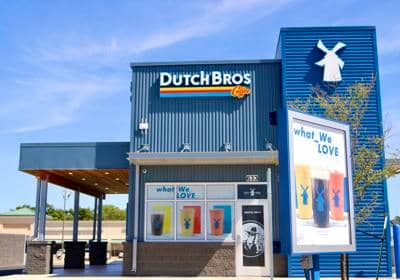
Dutch Bros started 2026 fast. Same-store sales rose 8 percent, traffic climbed more than 5 percent, and shop-level margins held above 28 percent. The chain now counts roughly 1,200 shops, up from nearly 500 at its 2021 IPO, and says it will open at least 185 locations this year on the way to 2,029 units by 2029. Those results cut through a market defined by softer traffic and cost pressure, signaling share gains even as rivals pour investment into cold drinks and drive-thru formats.
The expansion thesis has been consistent since the IPO. Leadership sees consumer demand tilting toward cold and energy beverages and has sharpened the model around that shift. At the William Blair Growth Stock Conference, executives pointed to the brand’s energy-focused customization platform as a lead position in the customized energy segment. They view intensifying competition as a tailwind for awareness, not a threat to the core proposition.
Growth is being engineered rather than rushed. Over the past 18 to 24 months, Dutch Bros expanded its real estate bench, applied learnings from new markets, and built a faster read on high-potential sites. The playbook pairs new-market entry with quick densification. After planting an initial cluster, the company fills in around it to create daily routines through convenience and proximity. North Carolina is slated to open in late 2025, then deepen from there. Stronger ties with landlords and developers have widened the pipeline, helping the team secure drive-thru parcels while demand for those sites remains fierce.
The message from the finance suite is confident and direct. “We’ve got an incredible brand here. Really excited about the trajectory we’re on,” CFO Josh Guenser says. His emphasis is on repetition and reach: “So the density, creating convenience through proximity, has been a big focus of our growth strategy.” He also pointed to a food initiative designed to capture morning occasions the beverage-only format missed, with a limited menu of protein-focused breakfast items aimed at keeping guests from making a second stop.
Profitability is keeping pace with the buildout. Company-operated same-shop sales rose 10.6 percent in the first quarter of 2026, with transactions up 6.9 percent, net sales increased 0.8 percent to $1.63 billion, and EPS matched consensus at $0.16 per share. The company lifted full-year net revenue guidance to $2.05 billion to $2.08 billion, forecasted systemwide same-store sales growth of 4 to 6 percent, and projected adjusted EBITDA of $370 million to $380 million, while anticipating roughly 30 basis points of margin pressure. The outlook reflects confidence in opening at least 185 new shops in 2026.
The competitive set is not sitting still. McDonald’s has rolled out expanded McCafé refreshers and crafted sodas in a bid to capture cold-drink demand. Starbucks reported U.S. comparable store sales growth of 4 percent and transaction growth of 3 percent, the first transaction increase in eight quarters, driven by its Cold Foam platform and refreshed menu. Industry data from the National Restaurant Association projects total restaurant and foodservice sales of $1.55 trillion in 2026, and snack and nonalcoholic beverage bars have added jobs to reach 217,000 more positions than in April 2020, a clear read on the category’s momentum.
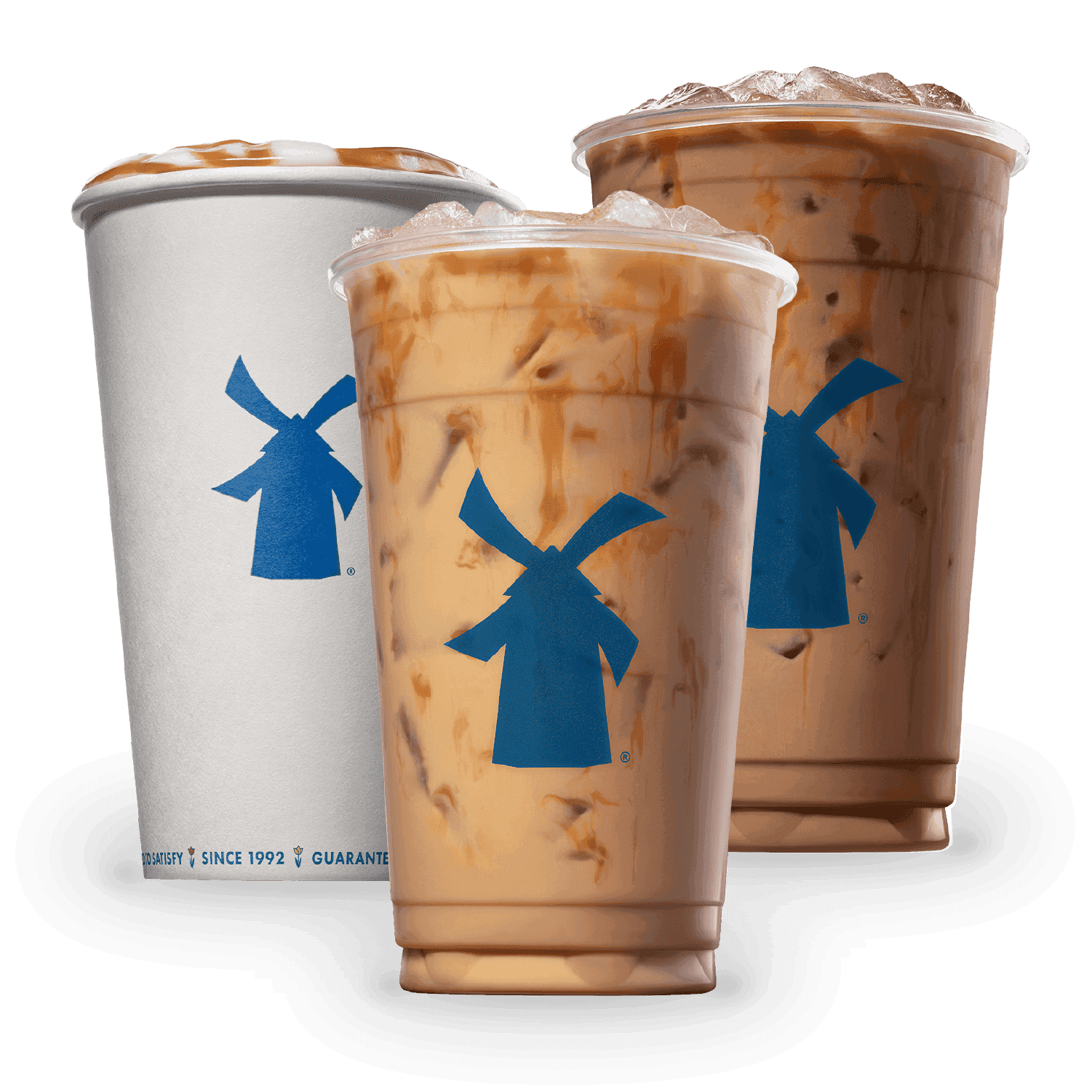
Risk still threads the story. Drive-thru real estate is scarce, and commodity costs continue to squeeze margins across the sector. Dutch Bros has been absorbing input cost increases rather than pushing them to consumers, a stance that could prove tougher if inflation accelerates. The long-range plan depends on hundreds of openings that do not dilute shop productivity. Any slowdown in site availability, or underperformance in new markets, would weigh on the 2,029-unit goal by 2029. Execution depth in emerging regions will matter as the brand works to close the gap between current and targeted densities.
For now, the formula feels aligned with demand. Rapid but disciplined expansion, tighter site selection, a focused food add-on, and a growing digital layer give Dutch Bros the tools to cement daily habits as the beverage battle intensifies. The next checkpoints are simple and exacting: hold strong margins while absorbing cost pressure, and bring new units online at productivity levels that support the math of the plan.