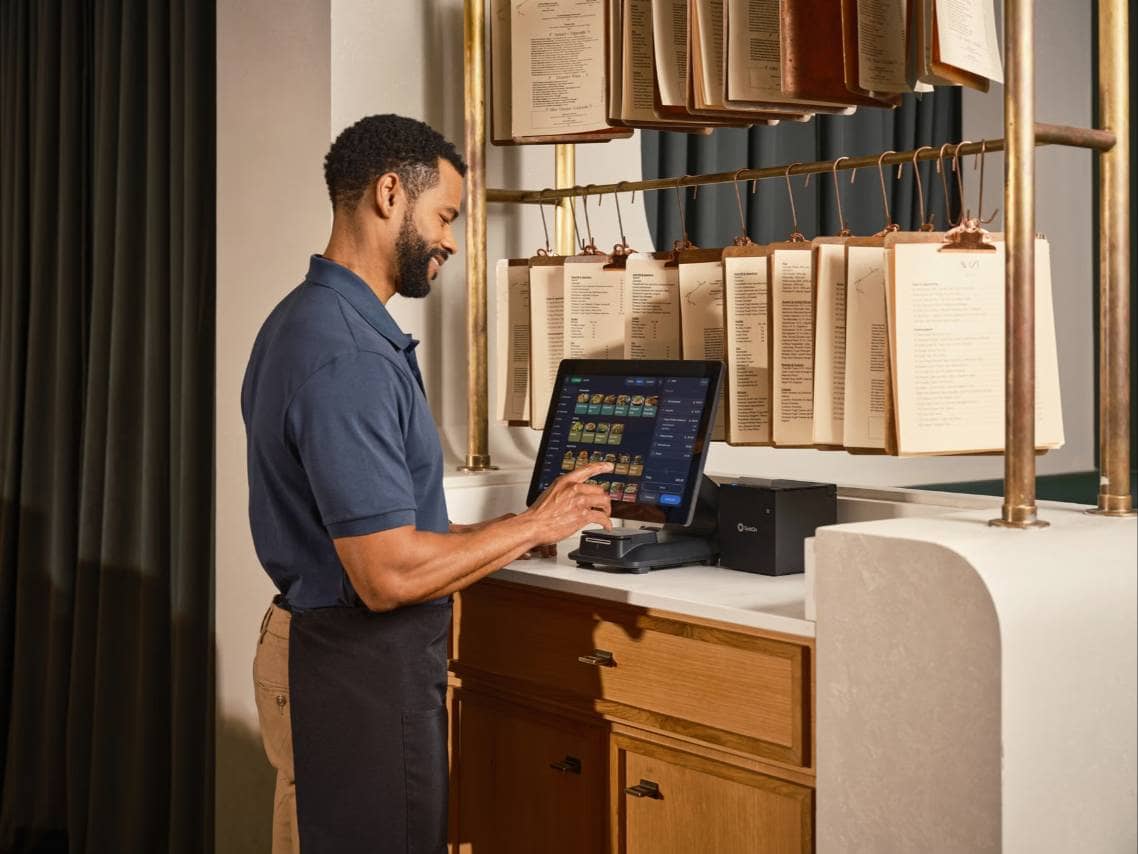
10 Must-Have Restaurant Technology Tools
Discover ten essential technology tools that help restaurant owners streamline operations, control costs, improve accuracy, and support better daily decisions.
Technology
Jul 31, 2026
Discover ten essential technology tools that help restaurant owners streamline operations, control costs, improve accuracy, and support better daily decisions.
Jul 31, 2026
Jersey Mike’s $1 billion IPO highlights big ambitions in franchising and international expansion, although shares dipped on debut. Restaurant owners take note - here’s what the move means for growth strategies ahead.
Jul 31, 2026

Every restaurant owner knows the industry is challenging, but failure is rarely caused by a single issue. From labor management and food costs to cash flow and technology decisions, here's what separates struggling restaurants from successful ones.
Jul 31, 2026
Discover how Chipotle’s Recipe for Growth is driving record sales, operational excellence, and digital innovation - insights for every restaurant leader.
Jul 30, 2026

Learn food cost management strategies to control inventory, reduce waste, improve purchasing, standardize portions, optimize pricing, and protect restaurant profits.
Jul 29, 2026

Grow your restaurant's email marketing list using websites, QR codes, loyalty programs, social media, incentives, events, and customer signups effectively.
Jul 29, 2026
DoorDash is changing how it calculates delivery and service fees, with longer-distance orders likely to cost more and shorter, larger orders set to stay the same or decrease.
Jul 29, 2026

Whataburger welcomes financial veteran Ryan Moore as its new CFO, signaling a strategic focus on national expansion and sustainable growth for the iconic brand.
Jul 29, 2026

Improve kitchen ticket times with practical strategies for better preparation, smoother workflows, stronger communication, smarter staffing, and effective restaurant technology.
Jul 27, 2026

PopUp Bagels welcomes industry veteran Mike Smith as Chief Operating Officer to lead their next phase of growth, putting quality and guest experience at the forefront.
Jul 28, 2026
If you want your business to run like a well-oiled machine, you need to streamline your operations. By streamlining your business operations test, you can improve your efficiency and bottom line.

The first step in creating a successful business is to define your goals and objectives. Without a clear understanding of what you hope to achieve, it will be difficult to make informed decisions about how to best allocate your resources. Your goals should be specific, measurable, attainable, relevant, and time-bound. Objectives are the detailed steps you plan to take to achieve your goal. For example, if your goal is to increase sales by 20 percent over the next year, an objective might be to create a marketing campaign that targets new customers in your area.
In analyzing your current business operations, it's important to examine all aspects of the company in order to identify areas that may need improvement. This can be done by conducting a SWOT analysis, which will take into account your company's strengths, weaknesses, opportunities and threats. Once you have a clear understanding of where your business stands, you can begin to make changes and implement strategies that will help improve operations and overall profitability.
There are always areas of improvement in business operations. One way to identify them is to ask employees for their suggestions. Another way is to look at areas where there are bottlenecks or inefficiencies. Once you have identified potential areas of improvement, you can brainstorm possible solutions and then try out different solutions to see which ones work best.
One way to streamline your business operations is to develop a plan that outlines what needs to be done and when. This can help you to stay organized and on track, so that you can get the most out of your time and resources. Additionally, consider automating as many tasks as possible so that you can focus on other areas of running your business.
The first step is to actually implement the plan. This means putting it into action and seeing how it works in the real world. It's important to monitor the results closely so you can see what's working and what isn't. Adjustments can then be made accordingly. This is an ongoing process that should be repeated on a regular basis.
Before you can start working on your business plan, you need to have a clear understanding of what you want your business to achieve. This means setting out some specific goals and objectives for your business. These could be things like increasing sales by 10% within the first year, or expanding your customer base into new markets. Whatever goals and objectives you set for your business, make sure they are realistic and achievable. Setting unrealistic goals is only going to set yourself up for failure, so take the time to think carefully about what you want to achieve with your business. Once you have set some realistic goals, you can start putting together a plan of how to achieve them.Audit Checklist
If you're not happy with how your business is currently operating, it may be time for a change. Evaluate what's working and what isn't, and make changes accordingly. Don't be afraid to mix things up and try new things - sometimes the biggest breakthroughs come from making small changes. Take a close look at your current business operations and see where there may be room for improvement. Are you satisfied with your sales figures? Are your customers happy? If not, it may be time to rethink your strategy. It can be helpful to compare yourself to other businesses in your industry to see where you might stack up. Use this information as a starting point for making changes in your own business. And don't forget to ask for feedback from employees and customers - they can offer valuable insight into areas that need improvement.United StatesPos SystemHr SoftwareDigital TransformationProject ManagementReal Estate
