.png&w=3840&q=70)
Wendy's Top Franchisee Bankruptcy Exposes Growth Risks
Meritage Hospitality's Chapter 11 filing pulls 5% of Wendy's U.S. stores into bankruptcy, exposing cracks in franchising's bigger-is-safer bet.
Franchising
Sep 21, 2026
Meritage Hospitality's Chapter 11 filing pulls 5% of Wendy's U.S. stores into bankruptcy, exposing cracks in franchising's bigger-is-safer bet.
Sep 21, 2026
Jack in the Box names Rachel Ruggeri to its board as Michael Murphy retires, amid a CEO transition and deal with investor GreenWood.
Sep 21, 2026

Restaurant inventory tracking helps owners monitor stock, control food costs, reduce waste, improve purchasing, and make informed operational decisions.
Sep 21, 2026
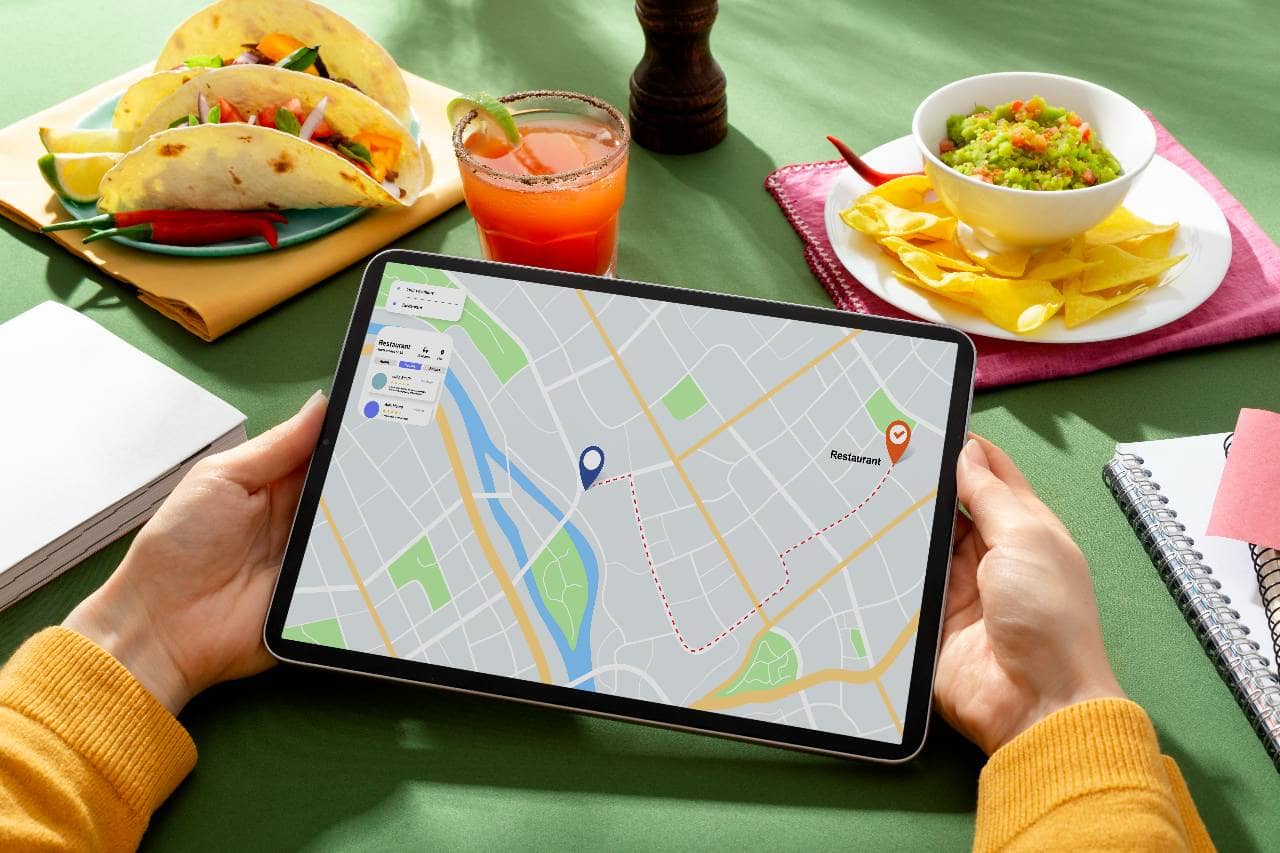
Improve restaurant Google Maps rankings by optimizing your business profile, selecting accurate categories, gathering reviews, adding photos, and strengthening local relevance signals.
Sep 21, 2026
Restaurant owners can significantly reduce restaurant costs by leveraging technology across inventory, labor, procurement, forecasting, and administrative operations for better profit margins.
Sep 18, 2026

Understand how to forecast restaurant revenue and expenses with methods for sales projection, cost scaling, fixed-cost planning, and risk buffering.
Sep 18, 2026

everbowl names Anna Gabele Brand President and Natalie Trzcinski COO, pulling both from Jack in the Box to guide its next growth phase.
Sep 18, 2026

Mountain Mike's Pizza hires Jack in the Box veteran Sheena Dougher as CMO to drive national growth while preserving its regional brand identity.
Sep 17, 2026
From fixed costs to contribution margin, learn exactly how to calculate your restaurant's break even point with confidence.
Sep 16, 2026

DoorDash pays $425M for Wonder's campus dining platform and a stake in Wonder, betting on robotic kitchens and institutional foodservice growth.
Sep 16, 2026

Unlock Exclusive Access To Webinars, Events, And The Latest News For Free!
Explore the revolution in online food ordering through Google Maps and the rise of first-party ordering. Learn how this shift impacts restaurants, consumers, and the industry.

Photo by Firmbee.com
In the digital age, online food ordering has transformed the way consumers interact with restaurants. With the widespread adoption of technology, platforms like Google Maps have become essential tools for discovering, ordering, and engaging with local eateries. The convenience of mapping, filtering, and contacting restaurants has revolutionized the food industry, directing substantial traffic to dining establishments. Google's data revealing the prevalence of 'near me' searches underscores the immense impact of online platforms on consumer behavior and restaurant operations.
Introduced in 2018, Order with Google aimed to revolutionize food ordering by offering a seamless experience for consumers and benefits for merchants. Despite its initial goals, Google recognized the preference of consumers for third-party delivery services like Grubhub and Uber Eats. As a result, Order with Google underwent adjustments to serve as a discovery channel for restaurants, highlighting the flexibility of choosing preferred delivery methods for both consumers and merchants.

Photo by Firmbee.com
Google's latest update grants restaurant operators the autonomy to showcase their participation in third-party marketplaces and set preferred delivery options. This empowerment allows operators to tailor their online ordering strategies, promoting first-party ordering for enhanced profitability and customer engagement. By offering the freedom to include or exclude services, restaurants can optimize their online presence and cater to diverse consumer preferences.

Photo by Firmbee.com
For restaurant operators, prioritizing first-party ordering yields numerous advantages, including increased average order value and customer loyalty. First-party guests tend to spend more per check and are more likely to join loyalty programs, driving repeat business and fostering deeper insights into consumer behavior. Leveraging data from first-party orders enables operators to personalize marketing efforts, understand customer preferences, and make informed business decisions, essential for sustained success in the competitive restaurant industry.
Consumers also benefit from first-party ordering through cost savings and access to valuable information. By opting for first-party channels, customers can avoid surcharges typically associated with third-party platforms and enjoy lower item prices. Additionally, the transparency provided by Order with Google empowers consumers to make informed choices based on delivery preferences, pricing differentials, and available services, enhancing the overall online ordering experience.

Photo by Firmbee.com
As the online ordering landscape evolves, restaurants face opportunities to capitalize on data, consumer preferences, and delivery options. While third-party platforms remain popular, Google Maps continues to drive traffic and facilitate first-party interactions, reshaping the industry dynamics. Successful brands post-adjustment will proactively leverage newfound insights, prioritize customer engagement through loyalty programs, and strategic responses to reviews to maximize their online presence and revenue.

Photo by Firmbee.com
Amidst these transformative shifts, restaurants have a unique chance to assert their identity and engage customers like never before. By embracing the potential of loyal customers, leveraging consumer data for targeted marketing, and adapting to the changing online ordering landscape, restaurants can position themselves for sustained growth and success in the competitive digital realm.