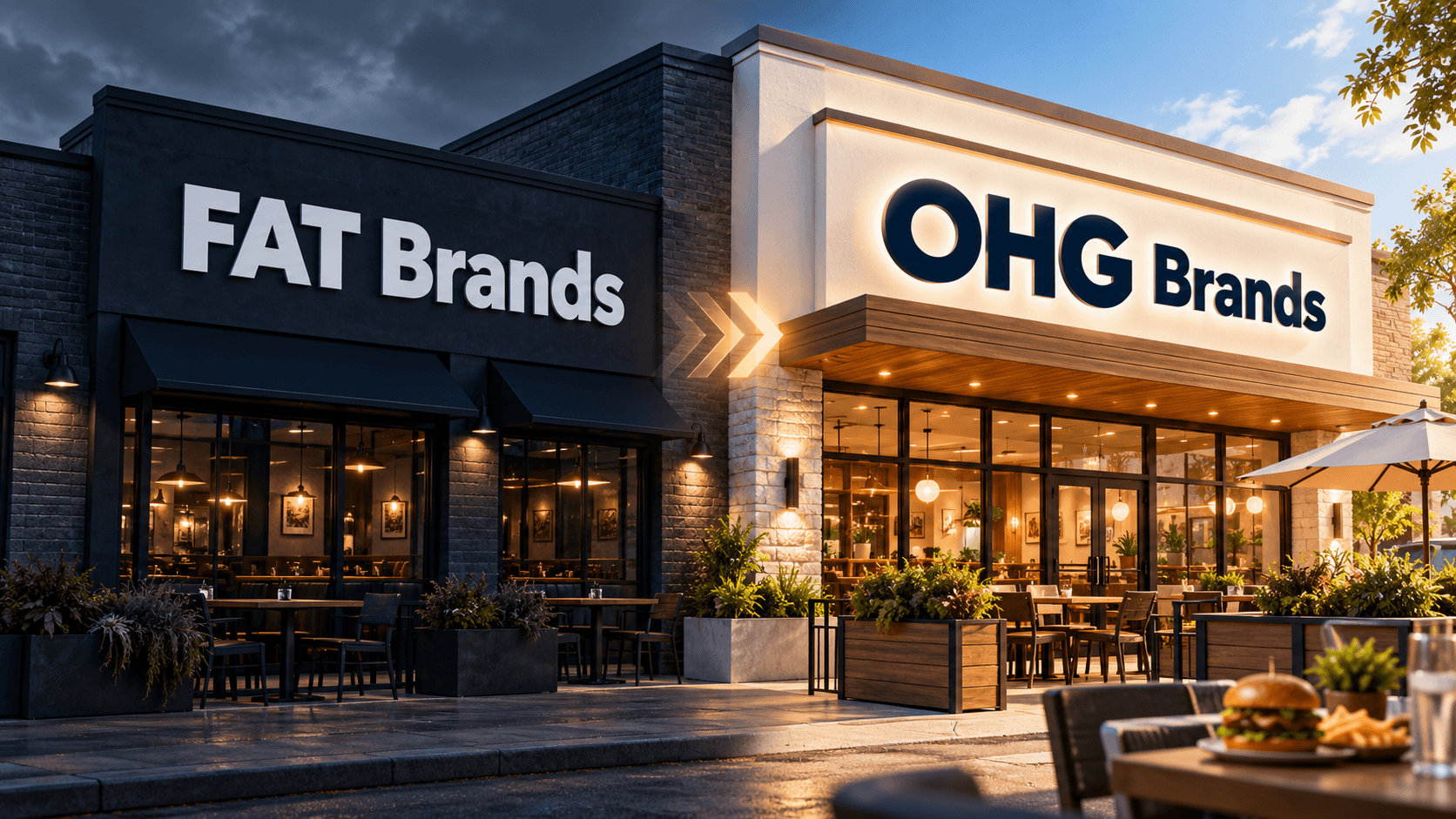
FAT Brands Collapses, Reemerges as OHG Brands
FAT Brands' $1B acquisition empire fell into bankruptcy and sold for $965M, re-emerging as OHG Brands with 1,700 restaurants.
News
Oct 1, 2026
FAT Brands' $1B acquisition empire fell into bankruptcy and sold for $965M, re-emerging as OHG Brands with 1,700 restaurants.
Oct 1, 2026
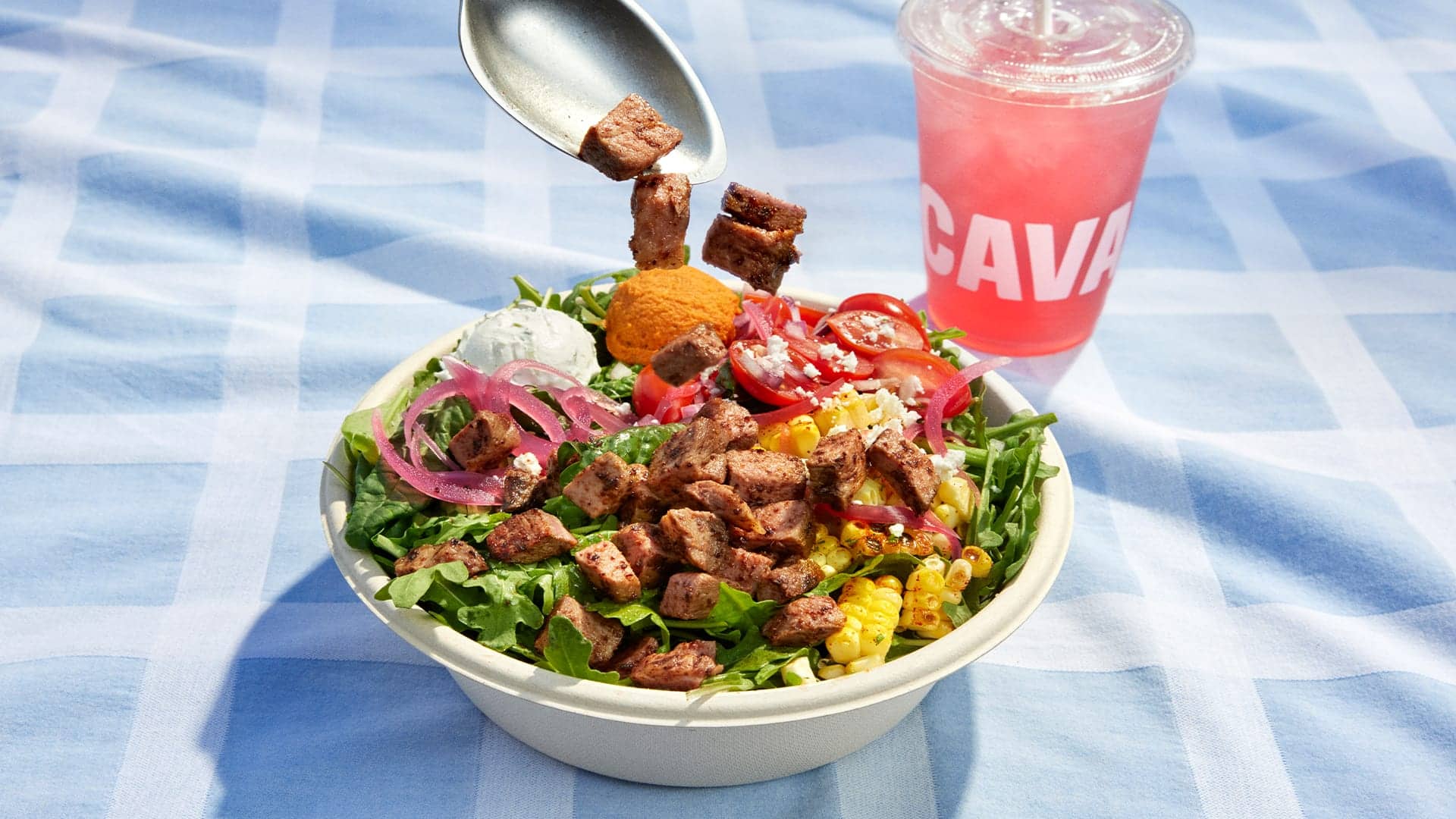
CAVA names John Ludeke, former Dr. Squatch Chief Brand Officer, as its new CMO to drive national growth and guest loyalty.
Oct 1, 2026
La Madeleine's CEO John Dillon steps down mid-turnaround, leaving a menu overhaul, new coffee program, and franchise growth plans in limbo.
Oct 1, 2026

Hot Head Burritos promotes longtime operator Peter Wiley to corporate VP, chief marketing and chief technology officer, blending brand strategy with tech oversight.
Oct 1, 2026
Mo' Bettahs names Don Crocker, a Chick-fil-A and Inspire Brands veteran, as chief development officer to lead its national corporate-owned expansion.
Sep 30, 2026

Wage hikes, the penny's end, new NLRB rules, California sugar labels, and franchise law changes are converging on operators this year.
Sep 30, 2026
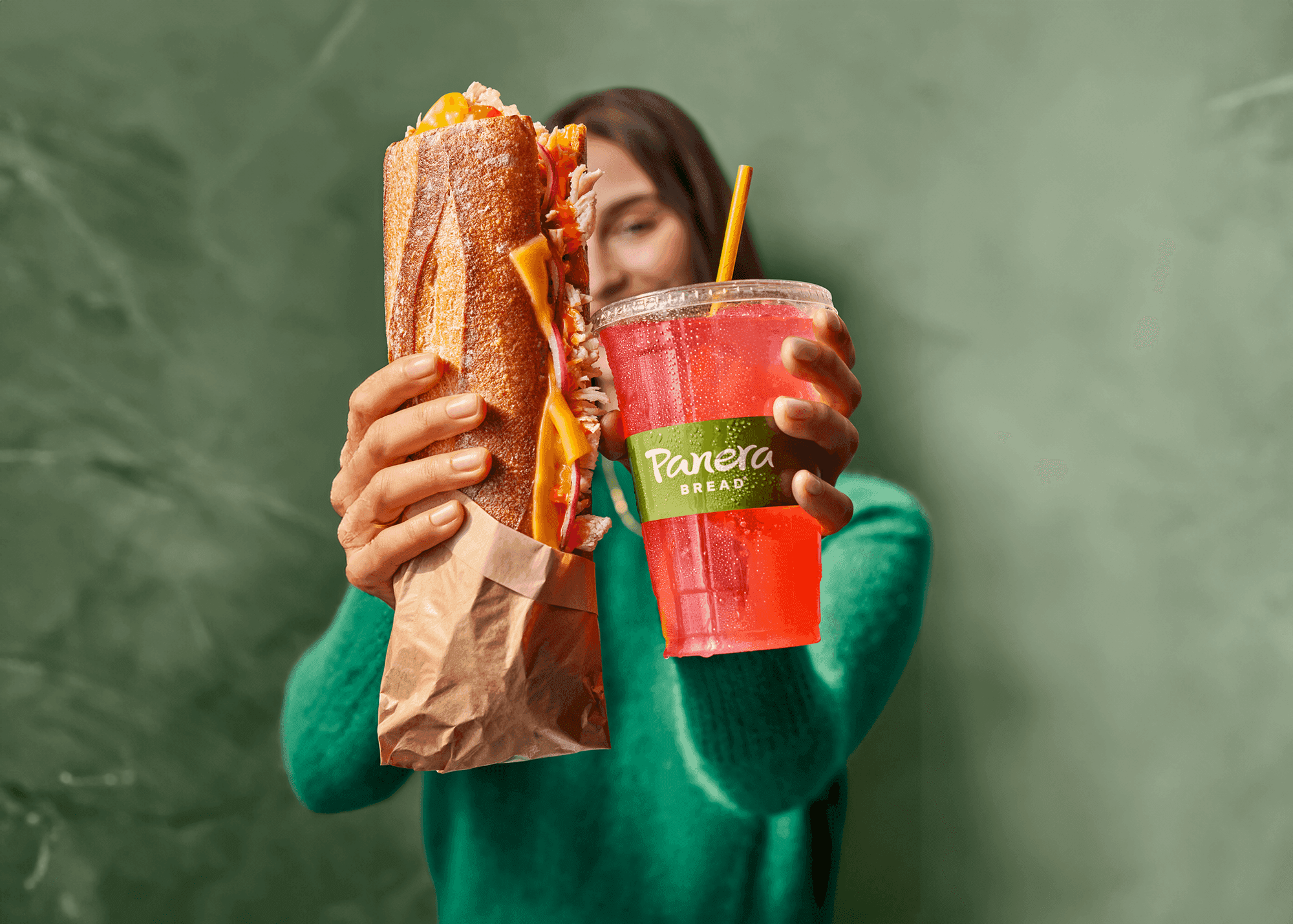
Panera taps outsiders from Burger King and Oakberry to fix operations, order accuracy and supply chain as it overhauls loyalty and marketing.
Sep 30, 2026
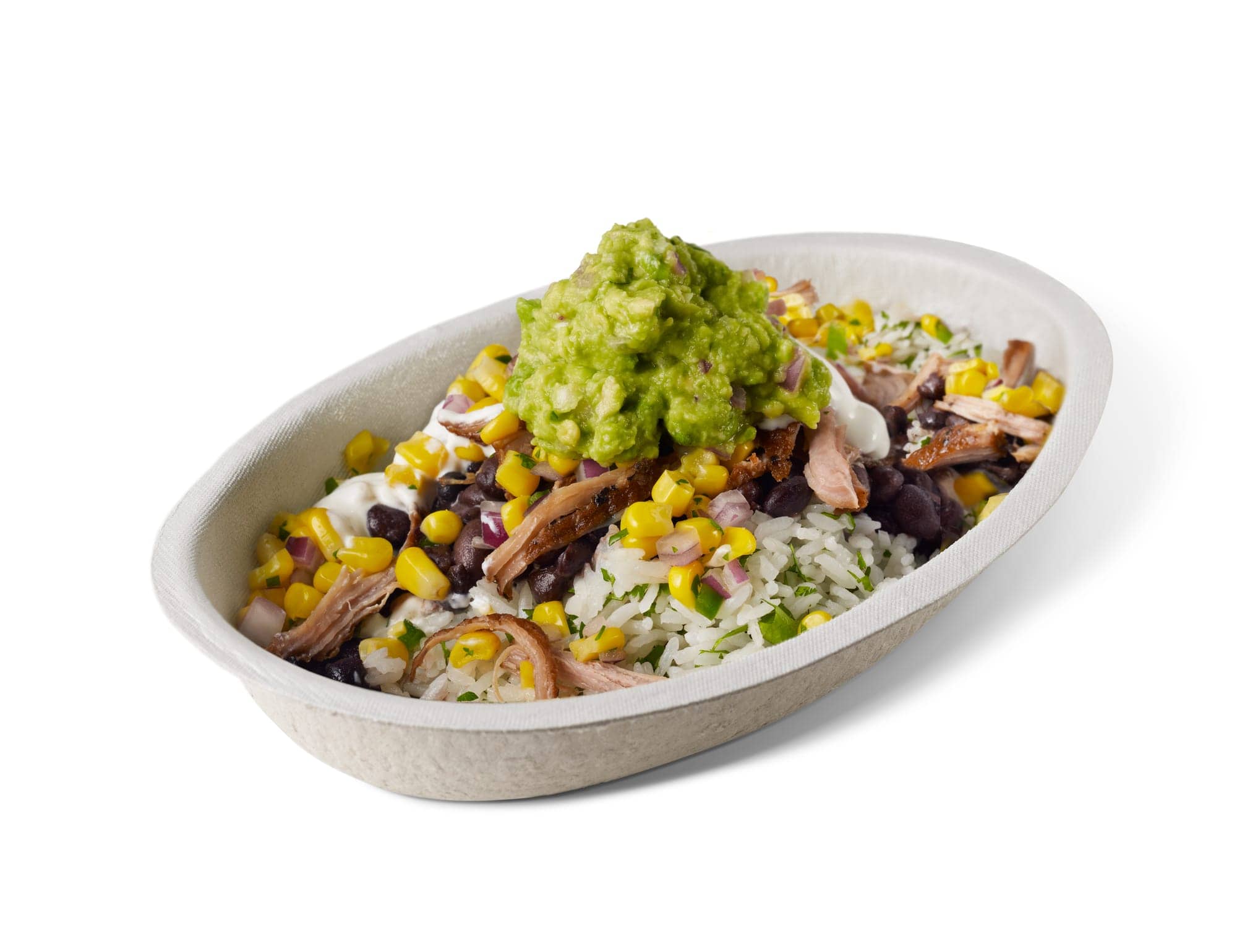
Chipotle hits 1,500 Chipotlanes, the digital pickup lanes launched in 2018. Here's how the format became core to its growth strategy.
Sep 29, 2026
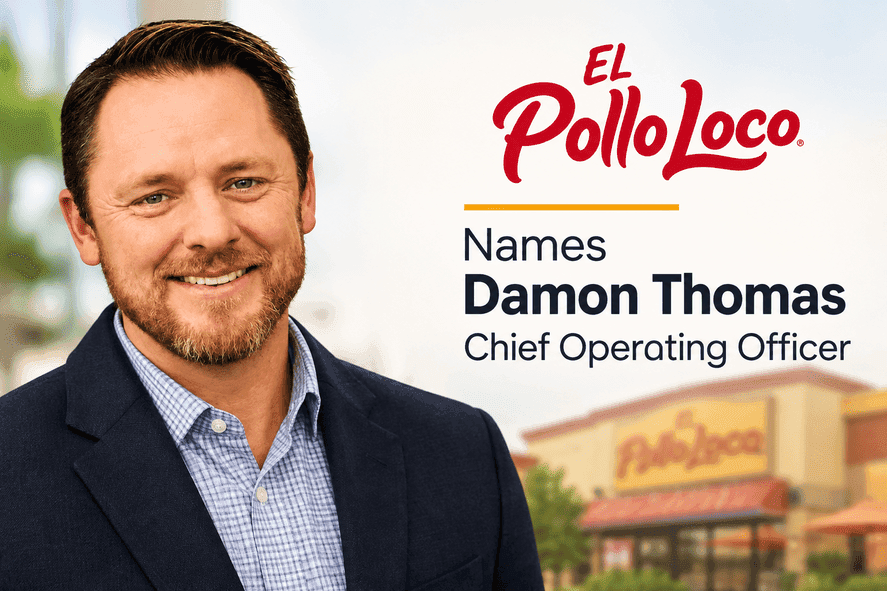
El Pollo Loco appoints Damon Thomas as chief operating officer, bringing restaurant operations experience to the company’s senior leadership team.
Sep 29, 2026

Rock N Roll Sushi taps franchise veteran Rick Gestring as CEO, succeeding Craig LeMieux in a transition built on continuity, not disruption.
Sep 28, 2026

Unlock Exclusive Access To Webinars, Events, And The Latest News For Free!
Explore the top menu innovations, celebrity collaborations, and industry challenges in the restaurant scene of 2024. Learn how operators are adapting to changing consumer preferences and leveraging cultural trends.

Photo by Louis Hansel
In 2024, the restaurant industry witnessed a surge in menu innovation as operators sought to entice customers in an increasingly competitive market. With declining foot traffic and evolving consumer preferences, menus across the nation underwent significant transformations. From fast-food chains to upscale dining establishments, a diverse array of new menu items were introduced to capture the attention and taste buds of customers.

Photo by Louis Hansel
One notable trend that dominated the restaurant scene in 2024 was the strategic use of celebrity collaborations and influencer endorsements to drive menu visibility and appeal. By partnering with well-known figures like Paris Hilton and Nicole Richie for specialty drink menus, brands like Sonic Drive-In capitalized on nostalgia and pop culture to attract customers. Such collaborations not only bring star power to menus but also create buzz and social media traction, enhancing brand recognition and engagement.
Menus in 2024 were not just about food; they also reflected cultural moments and milestones. Operators leveraged events like the anniversaries of iconic shows such as SpongeBob SquarePants and Barbie to introduce themed menu items that resonated with customers. By tapping into nostalgia and shared experiences, restaurants connected with diners on a deeper level, creating memorable dining experiences that went beyond just the food served.
Despite the wave of menu innovation and creative partnerships, the restaurant industry in 2024 faced significant financial challenges, leading to a notable increase in bankruptcies. With a record number of establishments filing for Chapter 11, both well-established chains and emerging concepts felt the impact of economic uncertainties. Brands like Red Lobster, TGI Fridays, and others grappled with financial difficulties, highlighting the harsh realities of operating in a competitive and ever-changing market.
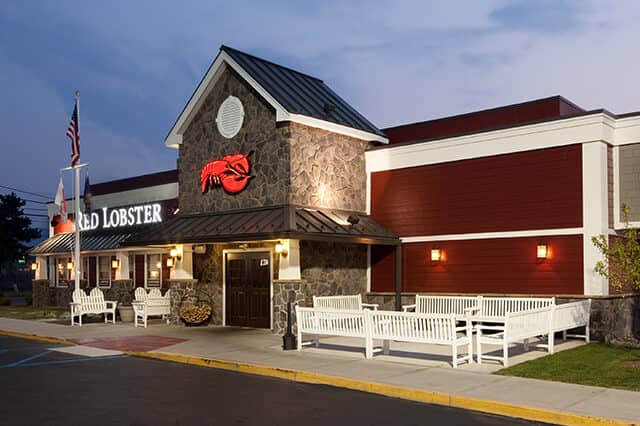
Photo by Louis Hansel
To navigate the complexities of the current restaurant landscape, operators in 2024 focused on adapting to changing consumer preferences. Conscious of budget constraints and shorter attention spans, menus were tailored to offer value, convenience, and variety. By staying attuned to shifting demographics and dining behaviors, restaurants aimed to remain relevant and appealing to a diverse customer base amidst industry-wide challenges.