Mountain Mike's Pizza Names Sheena Dougher CMO
Mountain Mike's Pizza hires Jack in the Box veteran Sheena Dougher as CMO to drive national growth while preserving its regional brand identity.
Franchising
Sep 17, 2026
Mountain Mike's Pizza hires Jack in the Box veteran Sheena Dougher as CMO to drive national growth while preserving its regional brand identity.
Sep 17, 2026

From fixed costs to contribution margin, learn exactly how to calculate your restaurant's break even point with confidence.
Sep 16, 2026

DoorDash pays $425M for Wonder's campus dining platform and a stake in Wonder, betting on robotic kitchens and institutional foodservice growth.
Sep 16, 2026
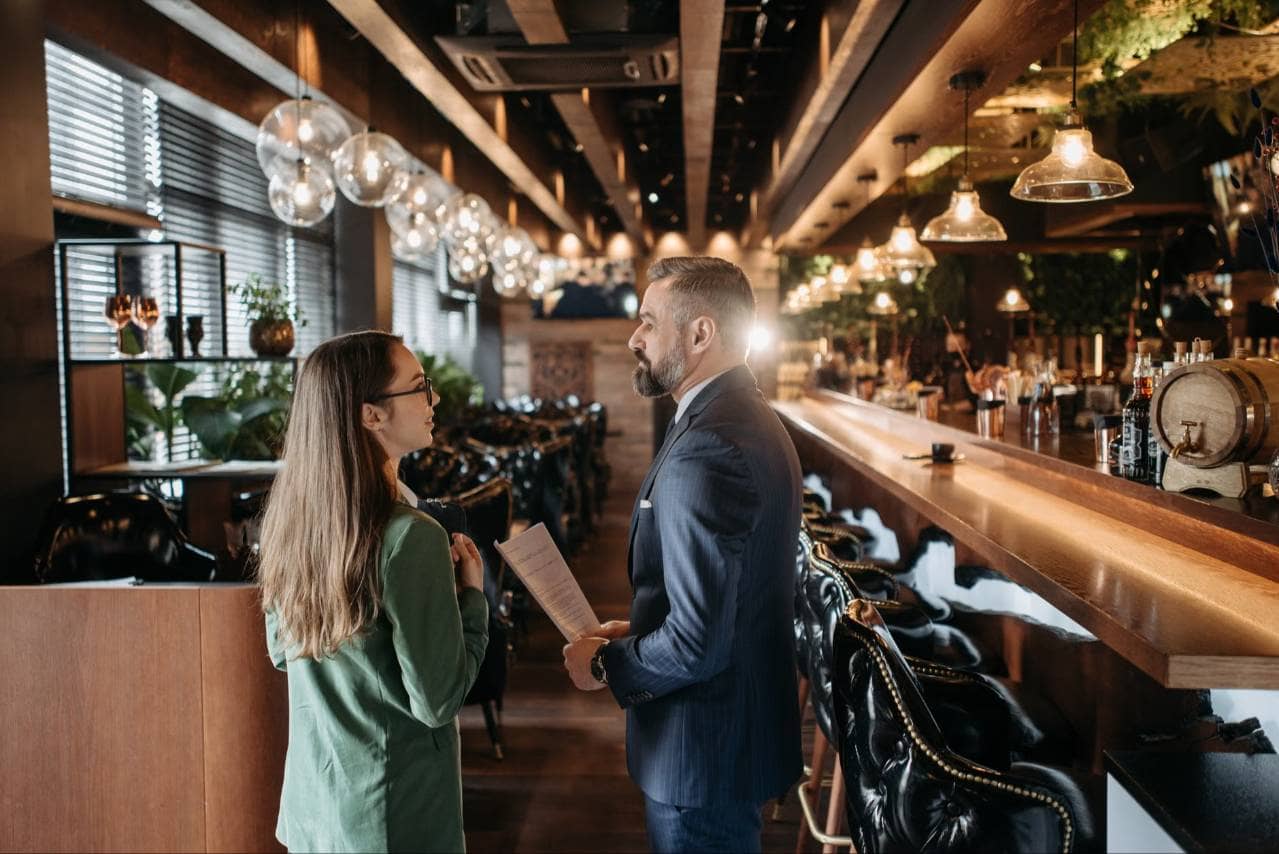
Discover the most common reasons restaurants fail, including inconsistent food quality and pricing mistakes, plus practical ways to avoid them.
Sep 16, 2026
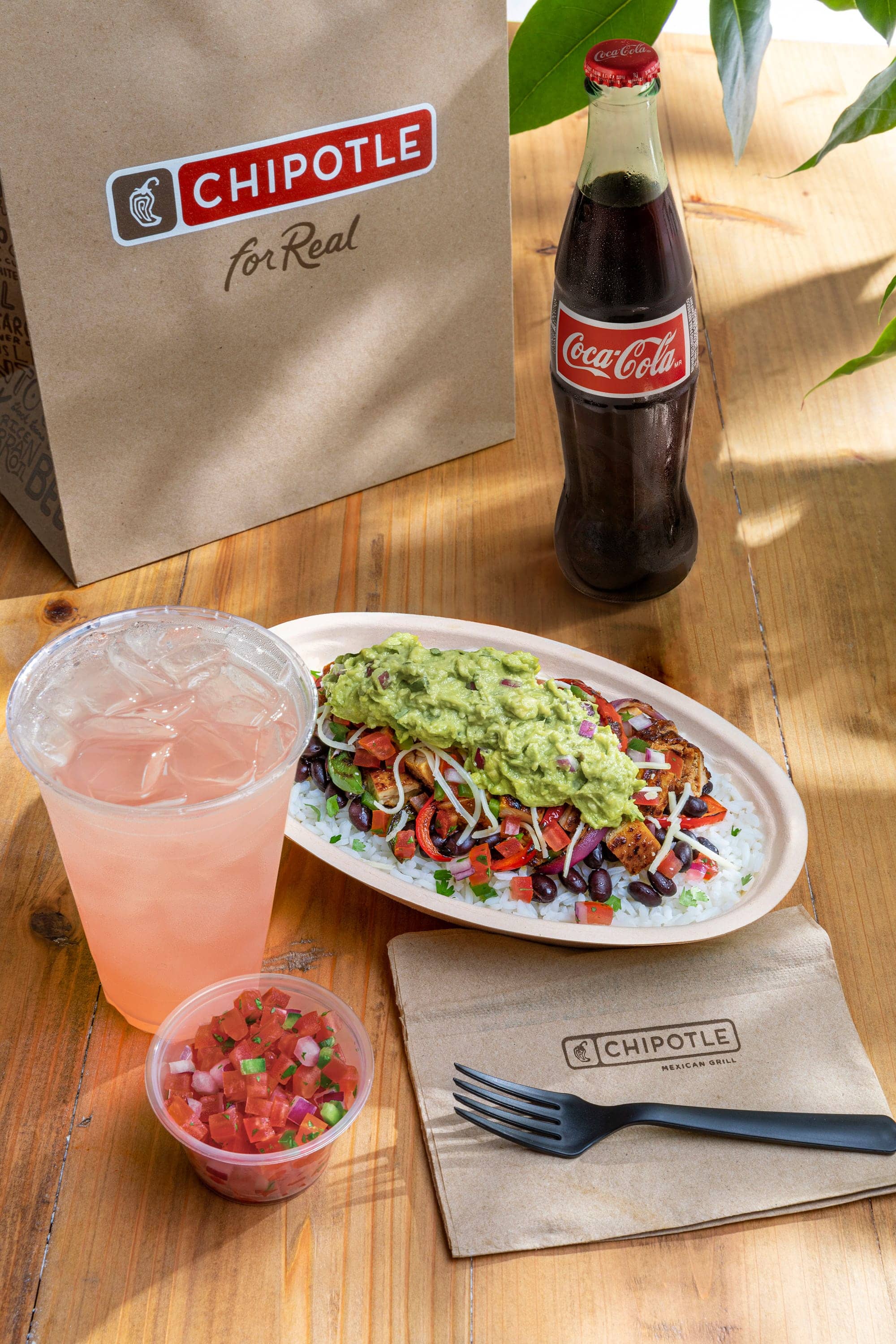
Chipotle names former KFC global CEO Sabir Sami to its board as the chain expands into Mexico, Saudi Arabia, and South Korea.
Sep 15, 2026

LeBron James joins Mike's Red Tacos as an investor, backing the birria chain led by Blaze Pizza and Dave's Hot Chicken veteran Bill Phelps.
Sep 15, 2026

Practical payroll compliance checklist for restaurant owners covering wage rules, tips, overtime, taxes, deductions, and recordkeeping to reduce legal risk.
Sep 14, 2026
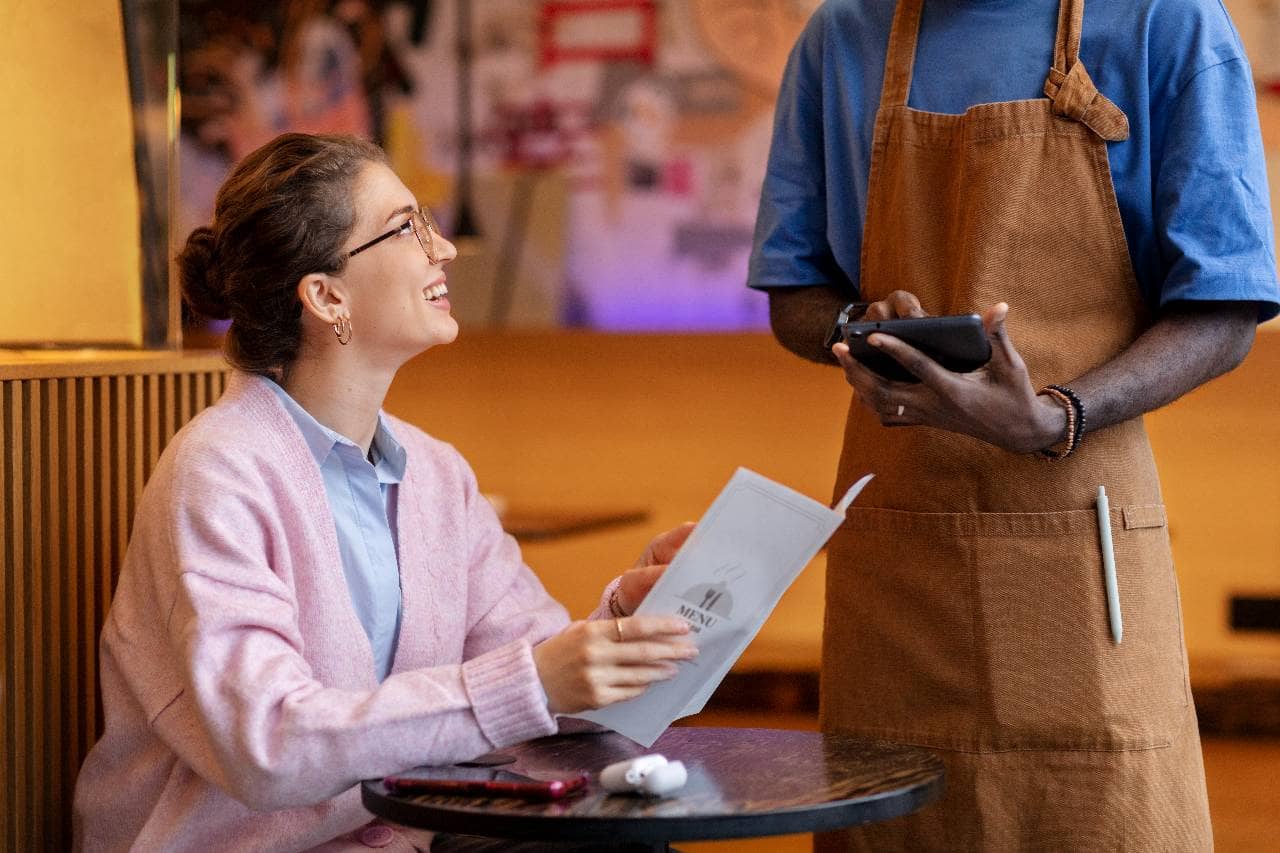
Discover practical promotion ideas - time-based deals, loyalty programs, local partnerships, and digital marketing - to boost restaurant foot traffic consistently.
Sep 14, 2026
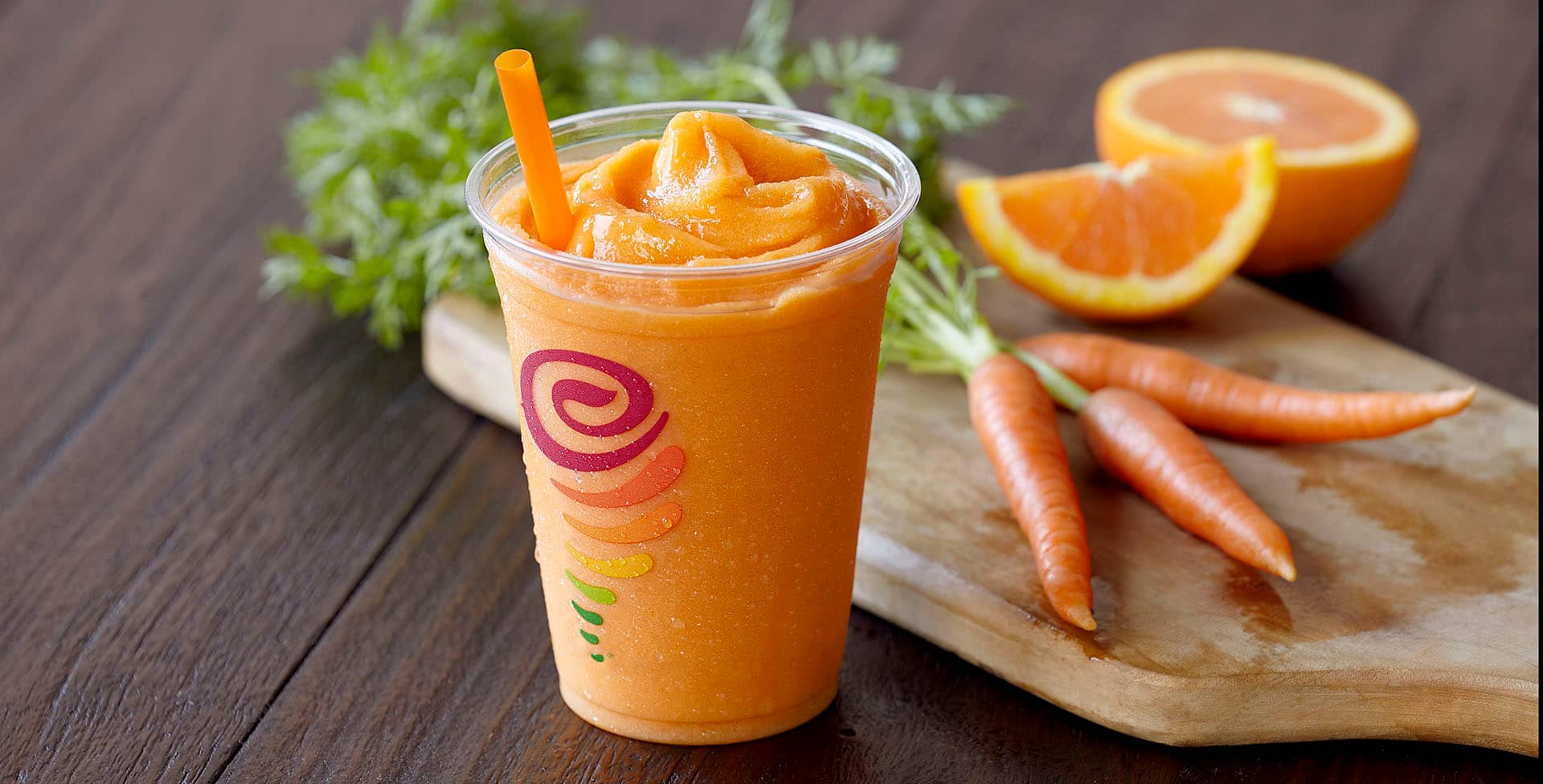
Lucy Brady joins Jamba as president to lead digital-first growth strategy. GoTo Foods restructures leadership to strengthen franchise platform capabilities.
Sep 14, 2026
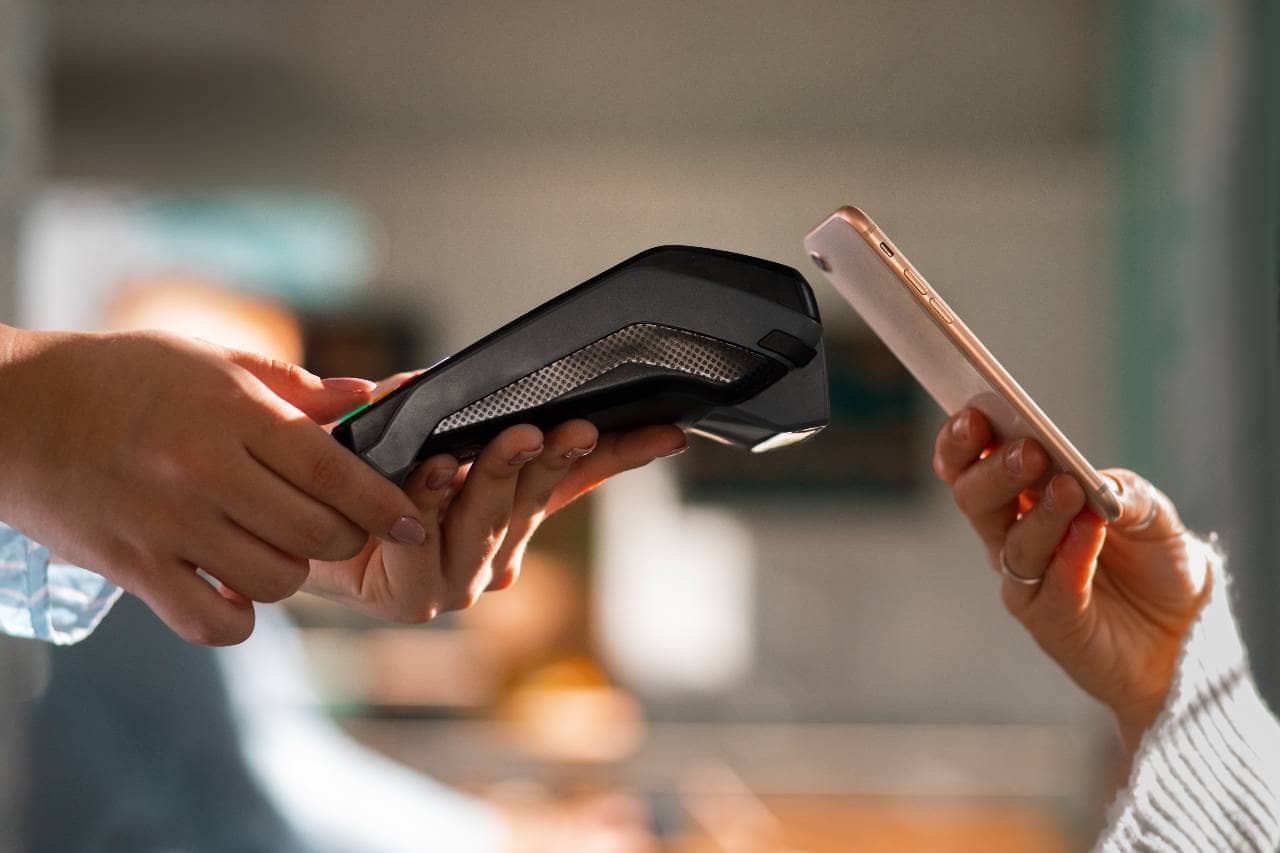
Contactless payment offers restaurants faster transactions, better security, and improved customer experience, making it a valuable, worthwhile technology investment today.
Sep 11, 2026

Unlock Exclusive Access To Webinars, Events, And The Latest News For Free!
Explore how restaurant brands are adapting to changing consumer preferences and economic uncertainties to stay competitive in the market.

Photo by Visual Karsa
In a year marked by economic turmoil and industry challenges, certain restaurant brands have managed to thrive by focusing on key elements that resonate with modern consumers. Brands like Texas Roadhouse and Cava have capitalized on the consumer desire for value propositions and high-quality ingredients. These establishments have seen significant growth due to their innovative approaches.
One notable aspect that sets successful restaurant chains apart is their dedication to innovation and quality. Brands such as Brinker's Chili's have revamped their menu offerings and ingredients to enhance the overall dining experience. By prioritizing value and investing in high-quality food items, these brands have not only retained their customer base but also attracted new patrons seeking unique dining experiences.
The integration of technology has become a pivotal element in the restaurant industry's evolution. Texas Roadhouse's shift towards a digital kitchen and guest management systems demonstrates a commitment to efficiency and improved service quality. By leveraging technology to streamline operations, restaurants can enhance the overall dining experience for their customers, increasing satisfaction and loyalty.
Successful brands like Cava have struck a balance between menu innovation and pricing strategies to drive growth. By introducing new menu items and implementing modest price adjustments, Cava has managed to meet consumer expectations while staying competitive in a dynamic market. This approach not only sustains profitability but also fosters customer loyalty and engagement.
Amidst the challenges faced by brands like Applebee's and Starbucks, the importance of turnaround strategies is underscored. With declining sales and shifting consumer behaviors, these brands are exploring renovation drives, value platforms, and menu optimizations to revitalize their market presence. By adapting to changing trends and consumer preferences, these brands aim to reclaim their competitive edge.
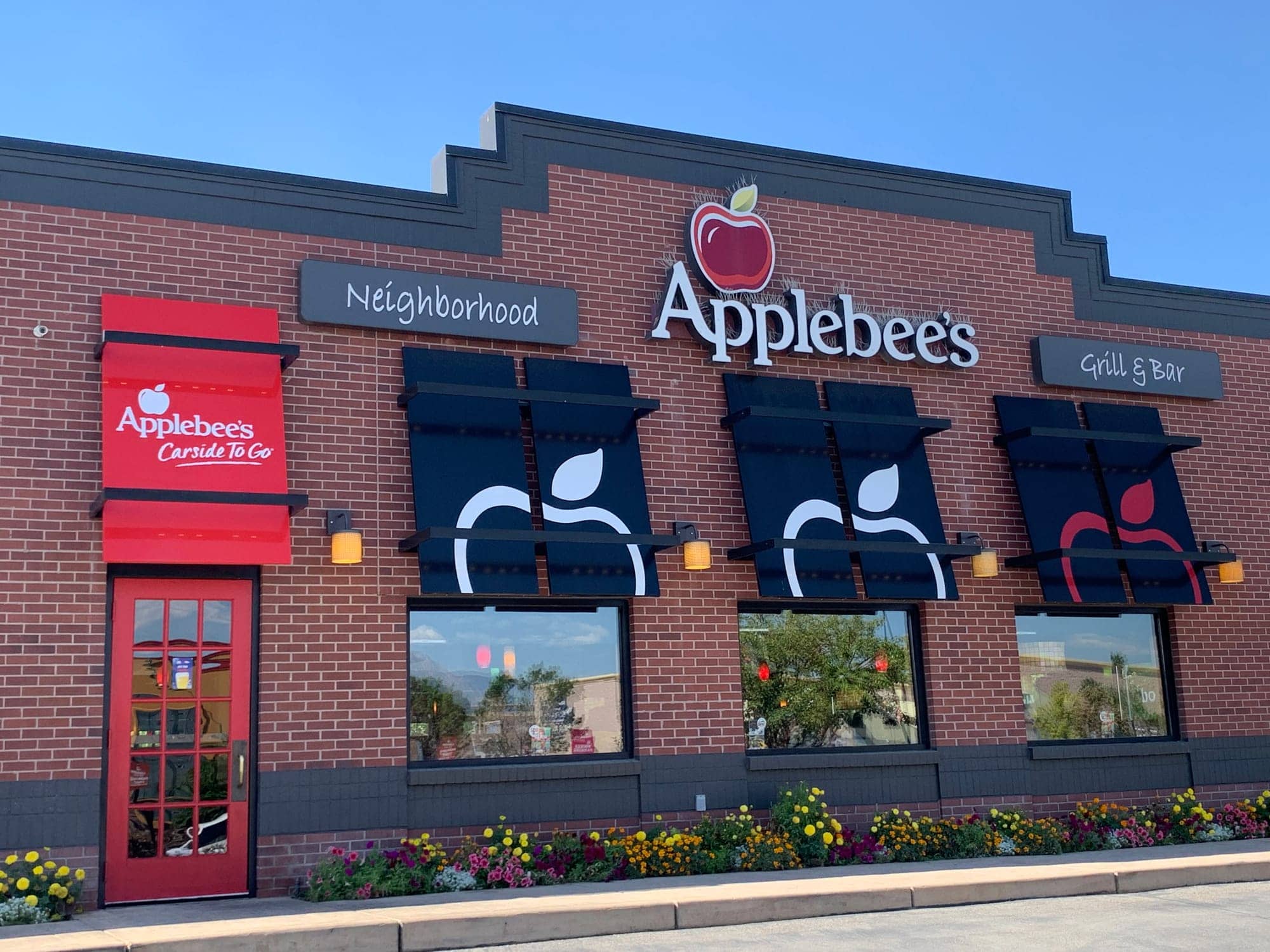
Photo by Visual Karsa
As the restaurant industry continues to evolve, staying abreast of emerging trends and consumer demands is crucial for sustained success. Brands that prioritize value, quality, and customer experience are likely to thrive in an increasingly competitive landscape. By embracing innovation, technology, and strategic marketing initiatives, restaurants can position themselves for growth and resilience in the face of uncertainties.