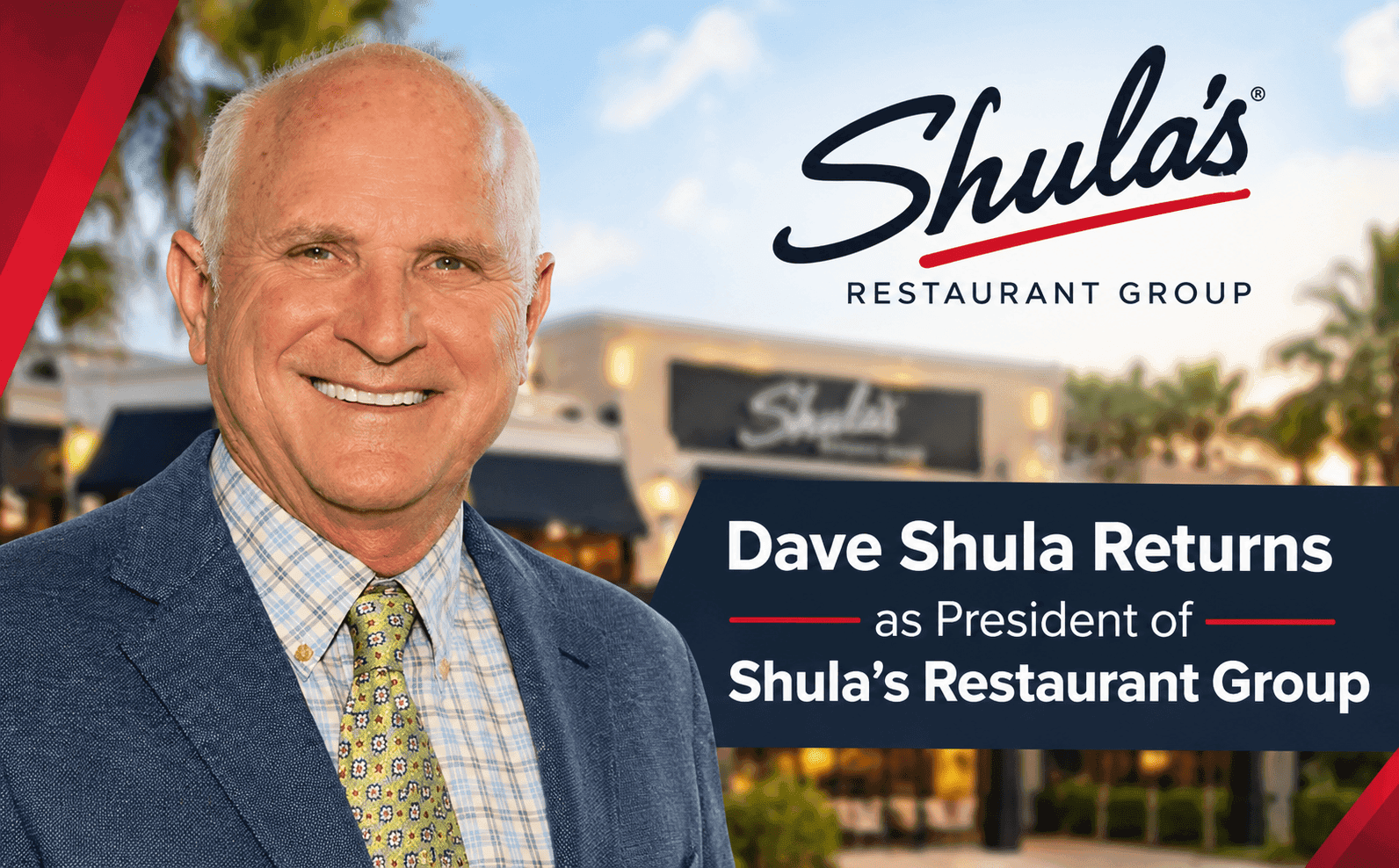
Dave Shula Returns as President of Shula's Restaurant Group
Dave Shula rejoins Shula's Restaurant Group as president, leading growth into Palm Beach Gardens and a 2027 Thomasville, Georgia expansion.
News
Sep 23, 2026
Dave Shula rejoins Shula's Restaurant Group as president, leading growth into Palm Beach Gardens and a 2027 Thomasville, Georgia expansion.
Sep 23, 2026
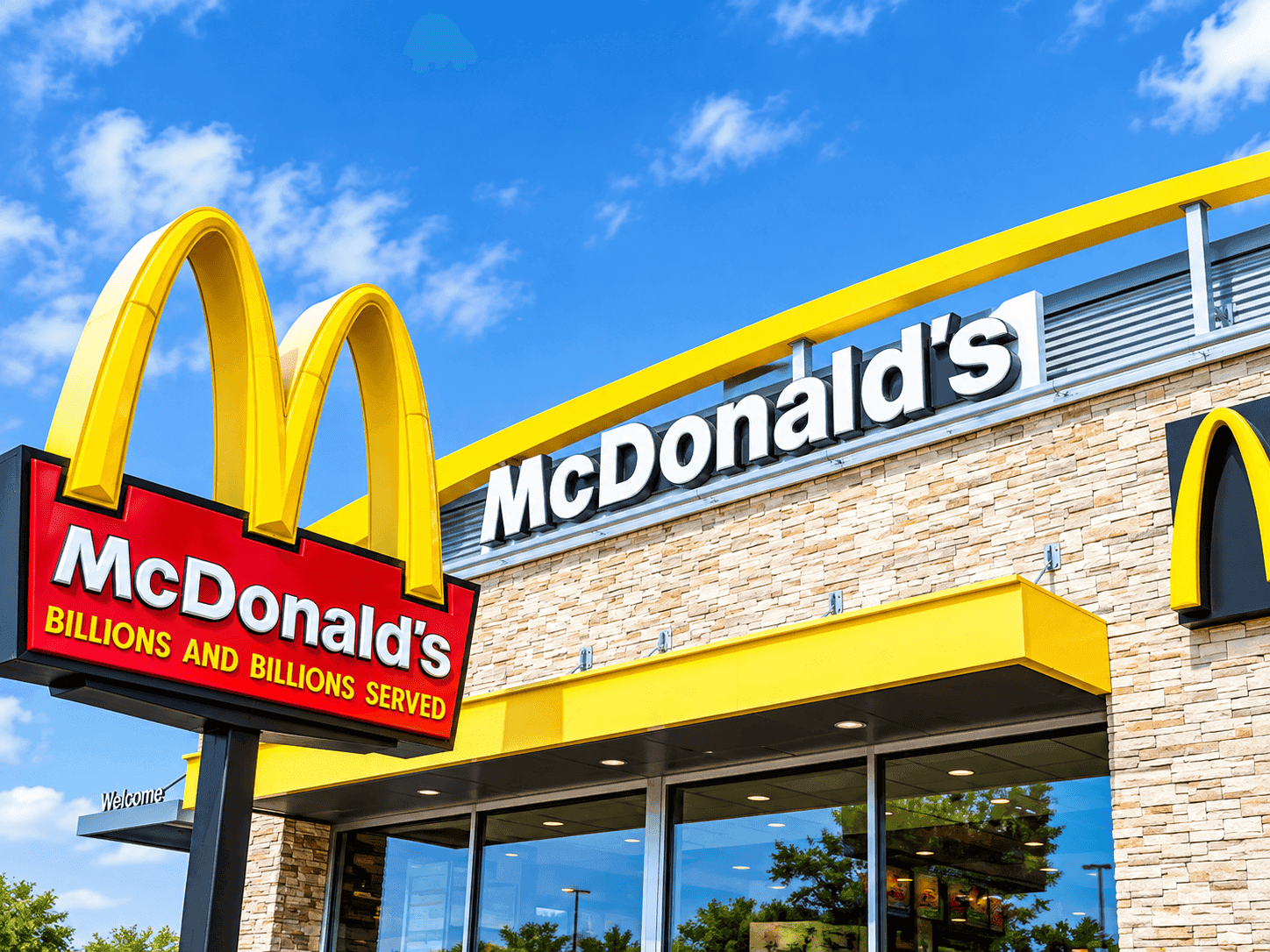
McDonald's commits $8.5 billion through 2036 to modernize restaurants, boost cash flow by $100,000 per store, and grow chicken and beverage sales.
Sep 23, 2026
WKS Restaurant Group promotes Jay Spongberg to president and COO after he helped grow the company from 65 to 382 restaurants over 16 years.
Sep 23, 2026

Smokey Mo's BBQ names Von Dawson, a Dine Brands veteran, as VP of Franchise Development to lead its Texas expansion strategy.
Sep 23, 2026
.png&w=3840&q=70)
Meritage Hospitality's Chapter 11 filing pulls 5% of Wendy's U.S. stores into bankruptcy, exposing cracks in franchising's bigger-is-safer bet.
Sep 21, 2026
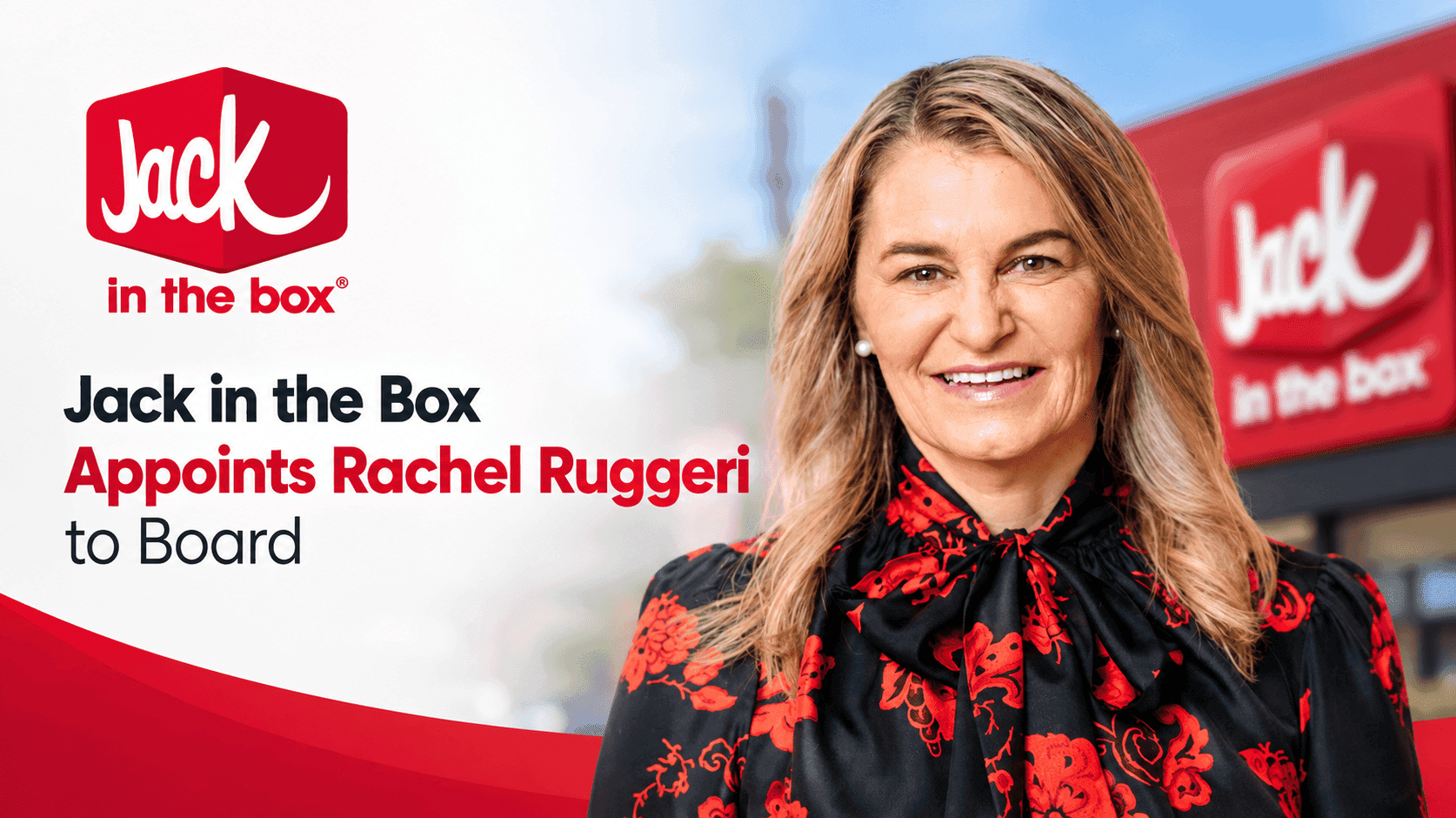
Jack in the Box names Rachel Ruggeri to its board as Michael Murphy retires, amid a CEO transition and deal with investor GreenWood.
Sep 21, 2026

Improve restaurant Google Maps rankings by optimizing your business profile, selecting accurate categories, gathering reviews, adding photos, and strengthening local relevance signals.
Sep 21, 2026

Restaurant inventory tracking helps owners monitor stock, control food costs, reduce waste, improve purchasing, and make informed operational decisions.
Sep 21, 2026

Restaurant owners can significantly reduce restaurant costs by leveraging technology across inventory, labor, procurement, forecasting, and administrative operations for better profit margins.
Sep 18, 2026

Understand how to forecast restaurant revenue and expenses with methods for sales projection, cost scaling, fixed-cost planning, and risk buffering.
Sep 18, 2026

Unlock Exclusive Access To Webinars, Events, And The Latest News For Free!
The evolving restaurant operations landscape in 2025, including insights from top industry experts on finance, mergers and acquisitions, investment strategies, and technology solutions.

Industry experts predict a surge in mergers and acquisitions activity in 2025, following a relatively quiet 2024. The stabilization of banking environments and the clearing of highly leveraged transactions from the previous year have set the stage for more investment opportunities. As the industry recovers, there is a growing appetite for high-quality assets, leading to a focus on 'good' exits rather than solely 'optimal' exits.

2025 is expected to see not only an increase in M&A deals but also a rise in initial public offerings (IPOs) in the restaurant sector. With several brands eyeing public offerings and strategic M&A deals, industry players are gearing up for a year of significant activity. Factors like ongoing disruption and market volatility are driving a shift towards strategic moves within the industry.
Despite the positive outlook, uncertainties surrounding the economy and potential policy changes may impact the flow of capital in 2025. Experts emphasize the need for caution and strategic planning in the face of evolving economic conditions. The industry is still cautious about spending and remains focused on cost-saving measures and capital efficiency.
Industry veterans stress the importance of operational excellence and efficiency in navigating the evolving landscape. Focusing on unit economics, enhancing operational processes, and implementing technology solutions are key priorities for restaurants looking to thrive in 2025. The emphasis is on moving from 'struggling' to 'great' by optimizing operations and exploring new sales channels.
In an era of increasing competition and changing consumer preferences, technology plays a vital role in driving growth and enhancing customer experiences. From AI-driven solutions for customer engagement to streamlining operations through inventory management systems and automated reservations platforms, investing in technology is crucial for staying competitive and meeting evolving consumer demands.
As consumers demand more value and quality, operators must focus on execution, service excellence, and maintaining competitive pricing strategies. Adapting to the new normal requires restaurants to innovate, test new concepts, and enhance their offerings to meet shifting consumer expectations while balancing margins and operational efficiencies.