
Propelled Brands Cuts Camp Bow Wow Startup Costs
Propelled Brands lowers Camp Bow Wow’s investment and standardizes a 6,000-sq-ft prototype to attract multi-unit growth amid a tight real estate market.
franchising
Jun 18, 2026
Propelled Brands lowers Camp Bow Wow’s investment and standardizes a 6,000-sq-ft prototype to attract multi-unit growth amid a tight real estate market.
Jun 18, 2026
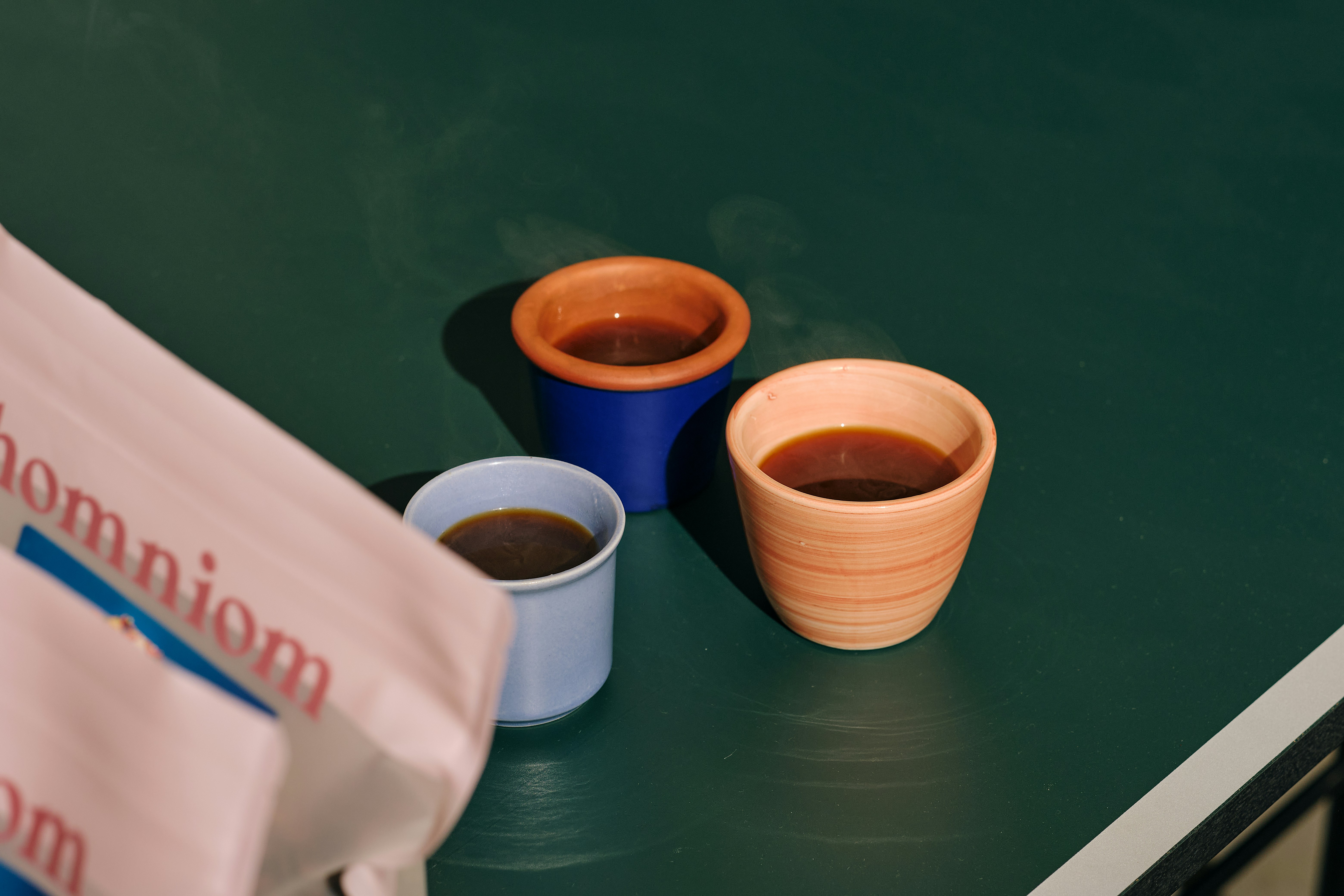
Blue Bottle launches a 90-minute, machine-free Kyoto-style espresso, bottled for cold drinks across 152 cafés on June 16.
Jun 18, 2026
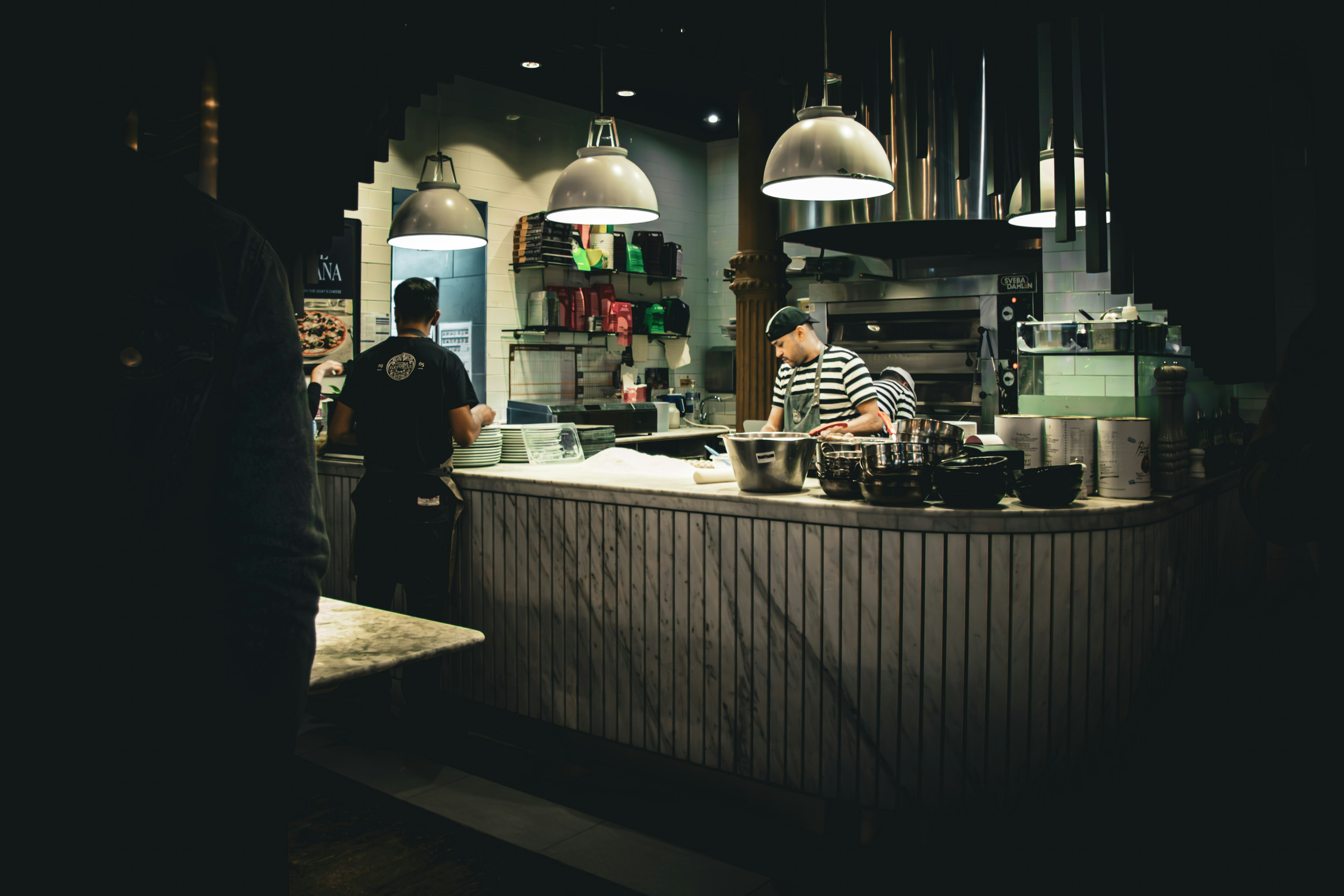
Yum! Brands will sell Pizza Hut outside China to LongRange for $1.5B and its China unit to Yum China for $1.2B, with deals closing in Q3 2026.
Jun 18, 2026
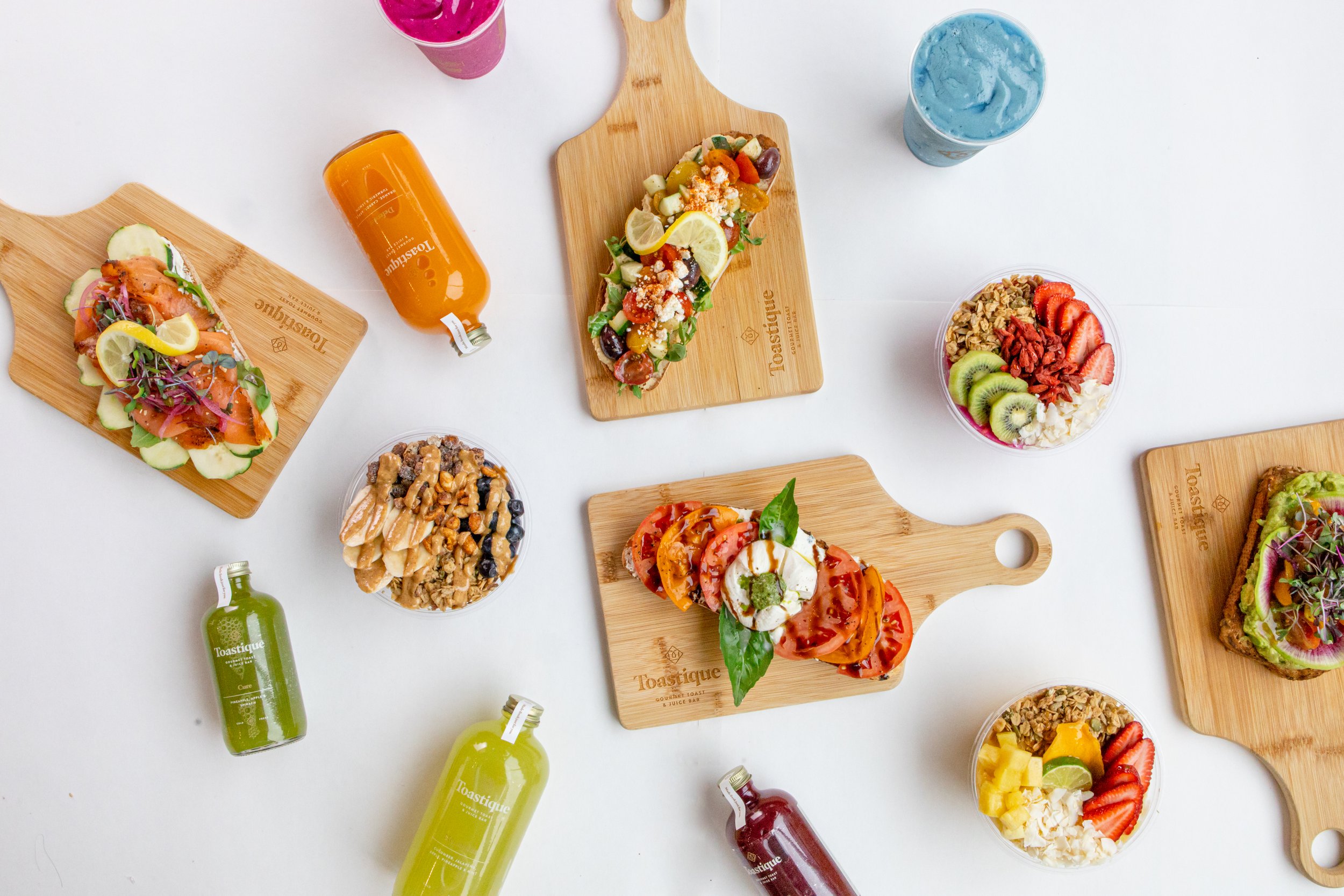
Toast tops Square, Lightspeed, Clover, SpotOn, and ChowNow as AI and drive-thru tools reshape restaurant POS; market projected to hit USD 44.03B by 2035.
Jun 18, 2026
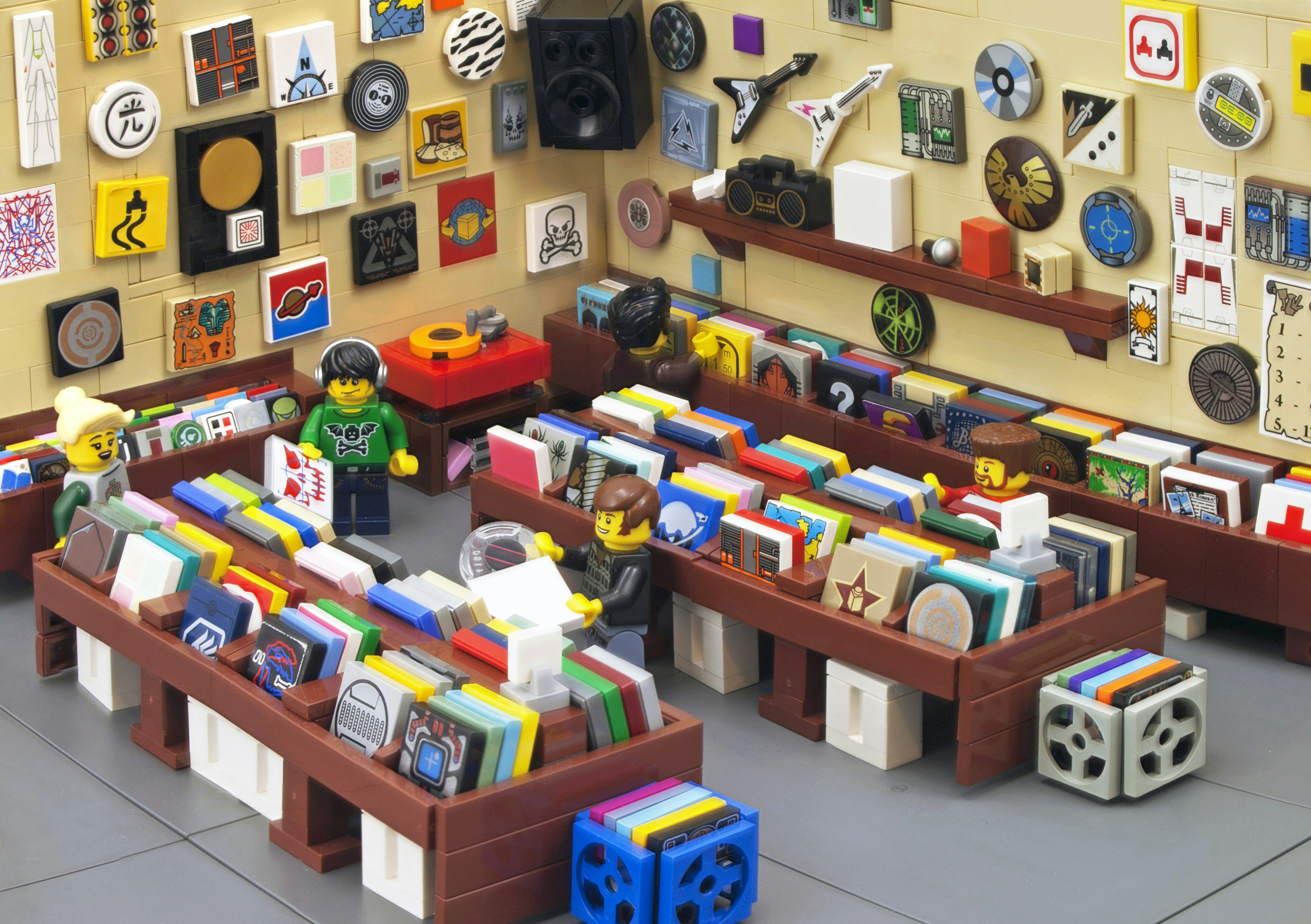
A missing Lego Star Wars cache puts Bricks & Minifigs in court, testing franchise rules, consignment policies, and brand trust across a 300‑unit network.
Jun 18, 2026
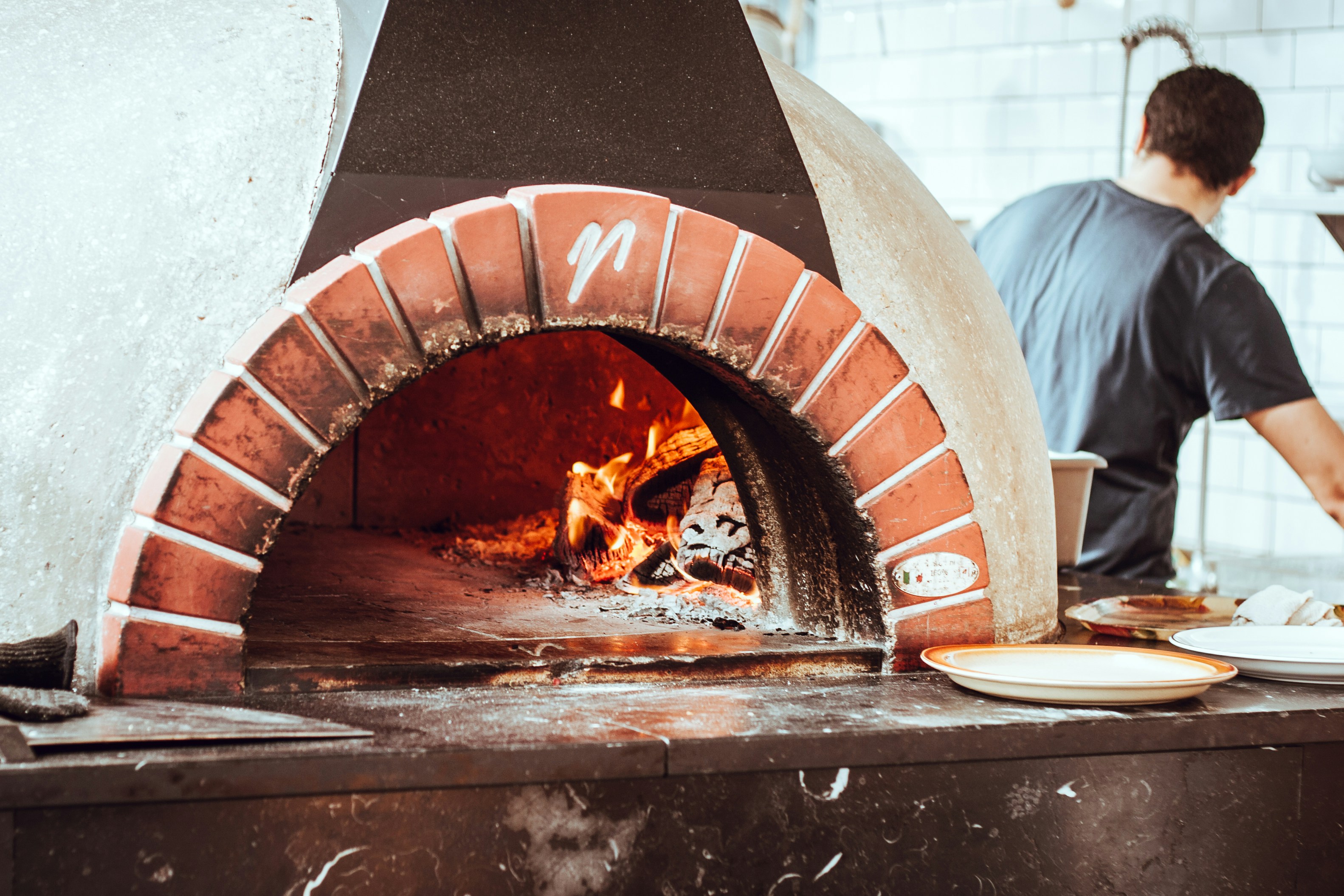
Domino’s launches a $9.99 any pizza deal, adding Parmesan Stuffed Crust through July 26, 2026, timed to the World Cup with gamified rewards and heavy ad support.
Jun 18, 2026
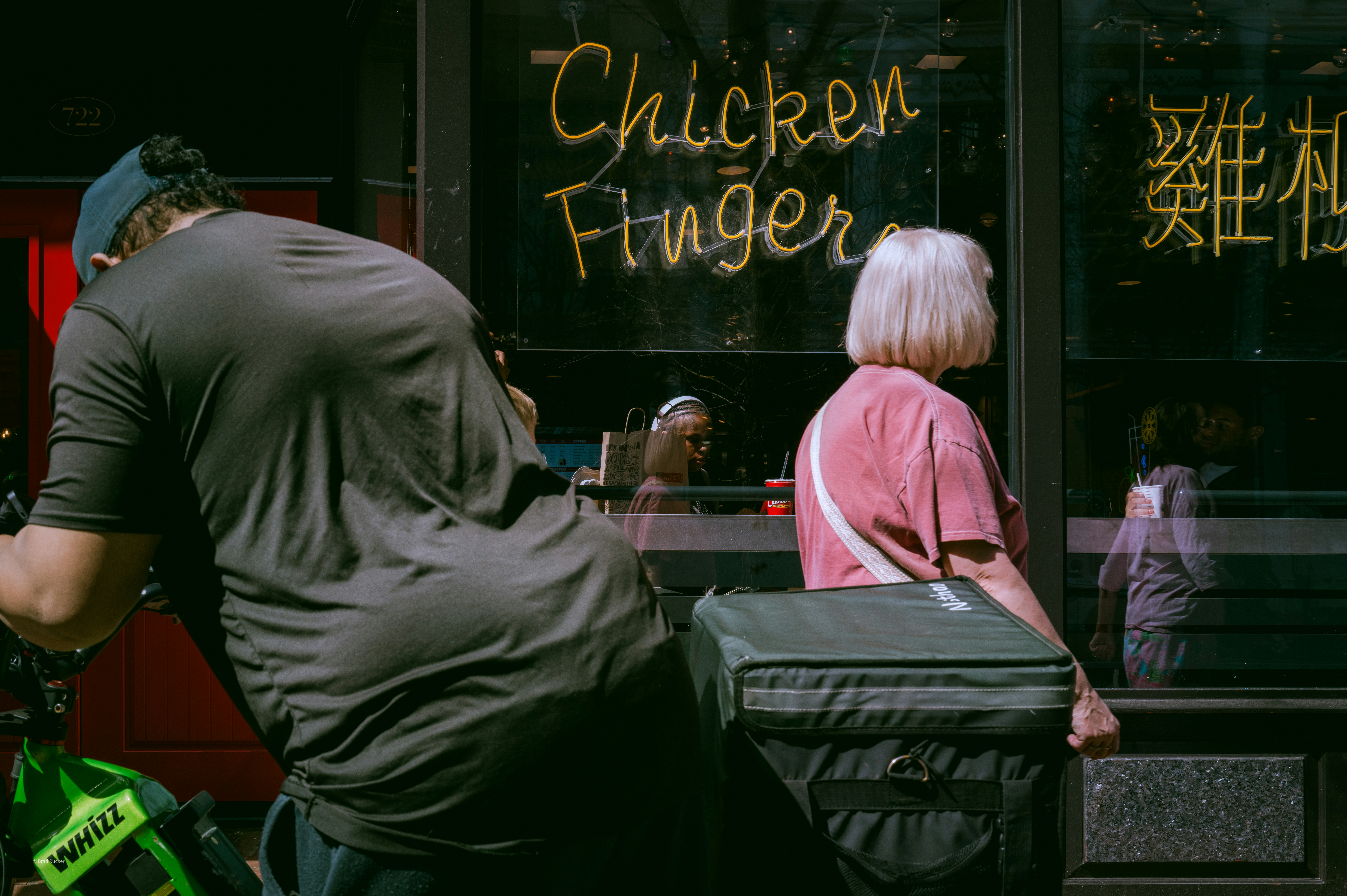
Raising Cane’s opens a 16,000-square-foot flagship by Intuit Dome in Inglewood, blending spectacle and throughput as the chain accelerates global expansion.
Jun 18, 2026

Restaurants race to modernize POS as mobile wallets surge, cloud adoption grows, drive-thru integrations expand, and costs and interoperability shape strategic selection.
Jun 18, 2026

Explore best Areas in Chicago to open a restaurant by matching neighborhood demand, concept type, costs, traffic, and customer behavior.
Jun 17, 2026
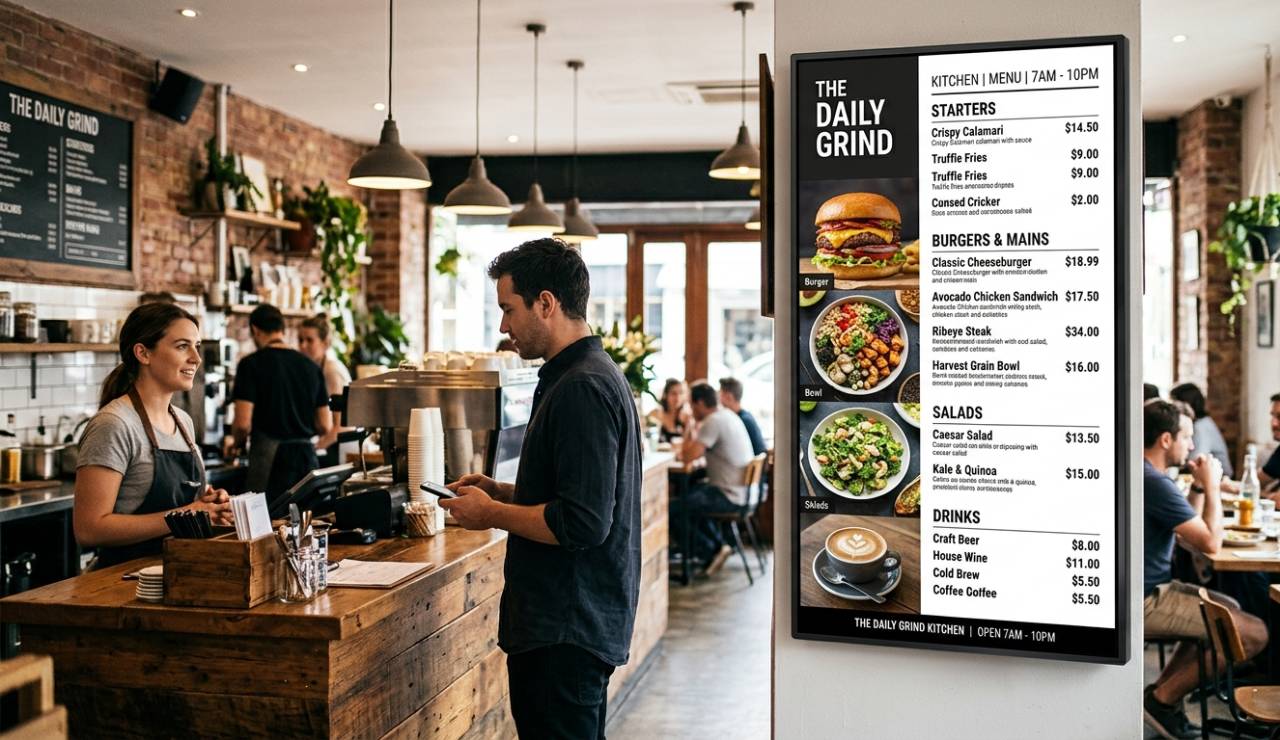
Learn how to calculate menu price by analyzing ingredient costs, labor, overhead, demand, and contribution margin for stronger restaurant profits.
Jun 17, 2026
The science of creating an optimal menu pricing methods will involve calculating prices geared towards driving profits while creating strategically eye-catching designs.
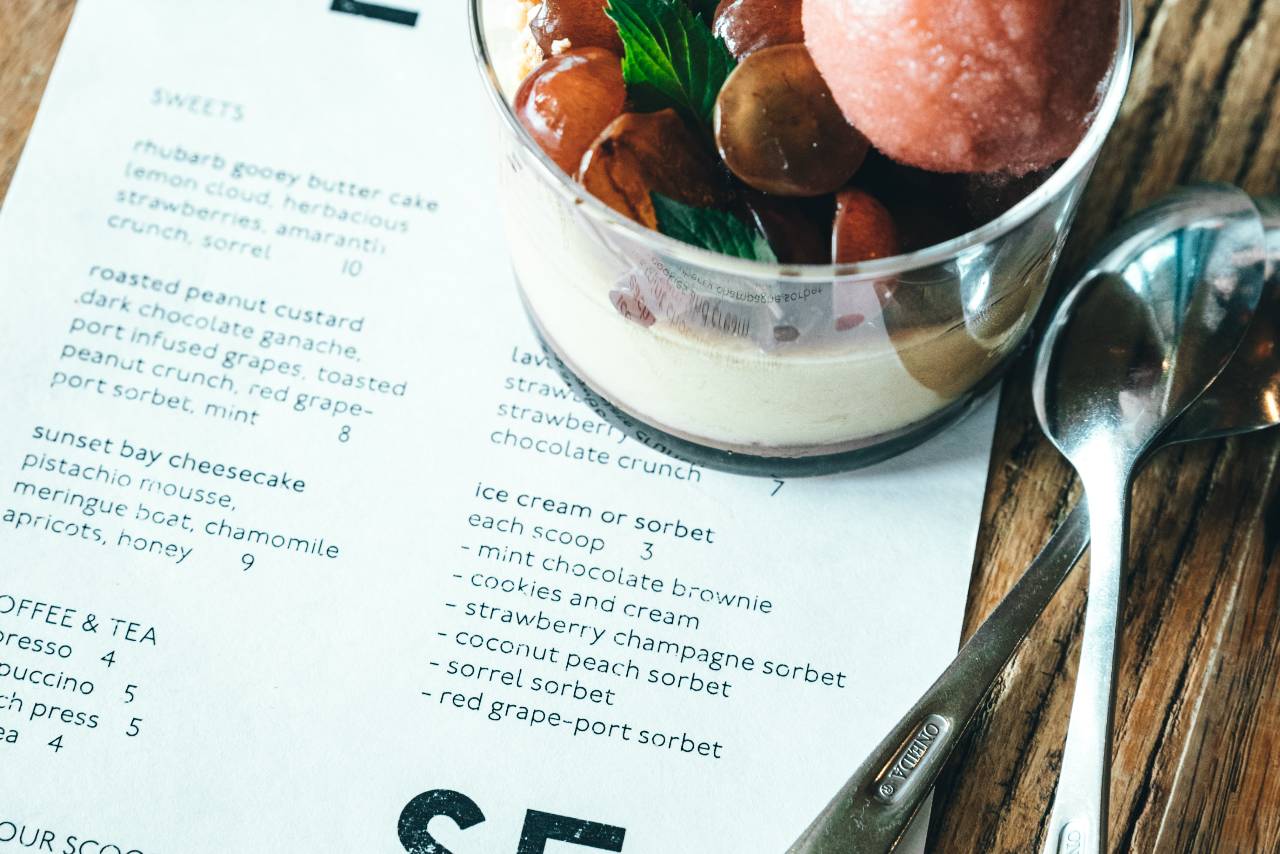
Businesses trying to operate a profitable restaurant have a lot to consider when it comes to creating the menu alone. Restaurants deciding how to price their menu items must consider all expenditures necessary to make a dish. These considerations should also include the costs of ingredients, gross profits, and consumer demand, in order to stand apart from the competition. Once all item prices are assigned using a menu pricing method, management then needs to ensure the perfect menu layout, so customers are more inclined to order their high-profit margin dishes. When all of these elements are successfully executed, restaurants can expect success from a boost in gross sales profit.
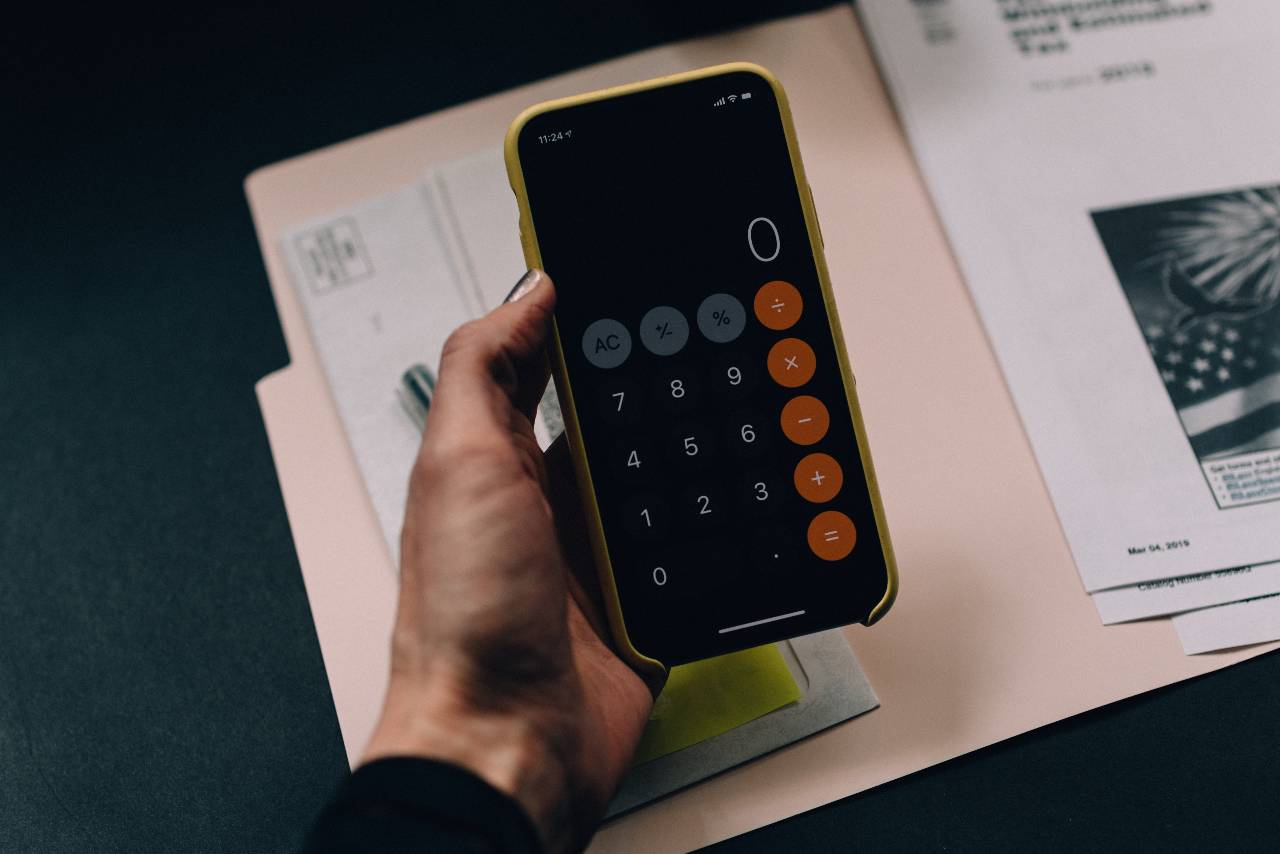
Whether a restaurant is just creating their menu or working on updating their prices, increasing profit margins, and lowering food costs are vital when pricing menu items. Depending on the type of restaurant, the owner may want to price items based on how much they are spending on raw materials to offset the cost of ingredients. The following steps help calculate appropriate food item prices based on food cost percentage- 1. Choose the Restaurant's Ideal Food Cost Percentage - Food cost percentage is the amount spent on ingredients, taken from the final sales. On average, a profitable restaurant's food cost percentage is between 25-35%. However, the lower the total food costs, the higher the gross profits. 2. Calculate the Raw Food Cost of the Item - Businesses calculating total food costs and prices need to take into account every ingredient that goes into a dish. 3. Calculate the Price - Once the ideal food cost percentage and raw food costs are determined, entering the figures into the following equation calculates the appropriate price of the dish- Price = Raw Food Cost / Ideal Food Cost Percentage
Restaurants can also price an item by determining their desired gross profit margin. This process allows the establishment to appropriately estimate their bottom line based on percentage pricing by ensuring every sale is contributing to their profit margin goal. The following steps show how to use this method to price menu items- 1. Determine the Ideal Gross Profit Margin - A restaurant's gross profit margin is the percentage of profit made from sales. If the restaurant has a 50% profit margin on an item, they would make 50 cents per dollar spent on that particular item, while the other 50 cents would supplement production and raw food costs. 2. Calculate Price - After restaurants determine their ideal gross profit margin, the following equation is used to calculate the menu item cost- Ideal Gross Profit Margin= (Menu Price Raw Food Cost) / Menu Price For example, if a restaurant's ideal profit margin for an item is 80% and the cost of ingredients is $4, the equation would look as follows- 80%= (Menu price - $4) / Menu Price Therefore, the final calculation prices for this menu item would be $20.

While restaurants tend to profit more from selling items with high gross profit margins and low food cost, other factors should be reviewed when calculating menu items. When determining the price of a dish, businesses should also consider increasing profits based on the ideal food cost percentage, customer demand, and market prices. There are several menu pricing strategies, including- Competition Pricing Method This pricing method requires restaurants to research their competitors' selling prices to determine their menu costs. Depending on the type of restaurant, the business can choose-

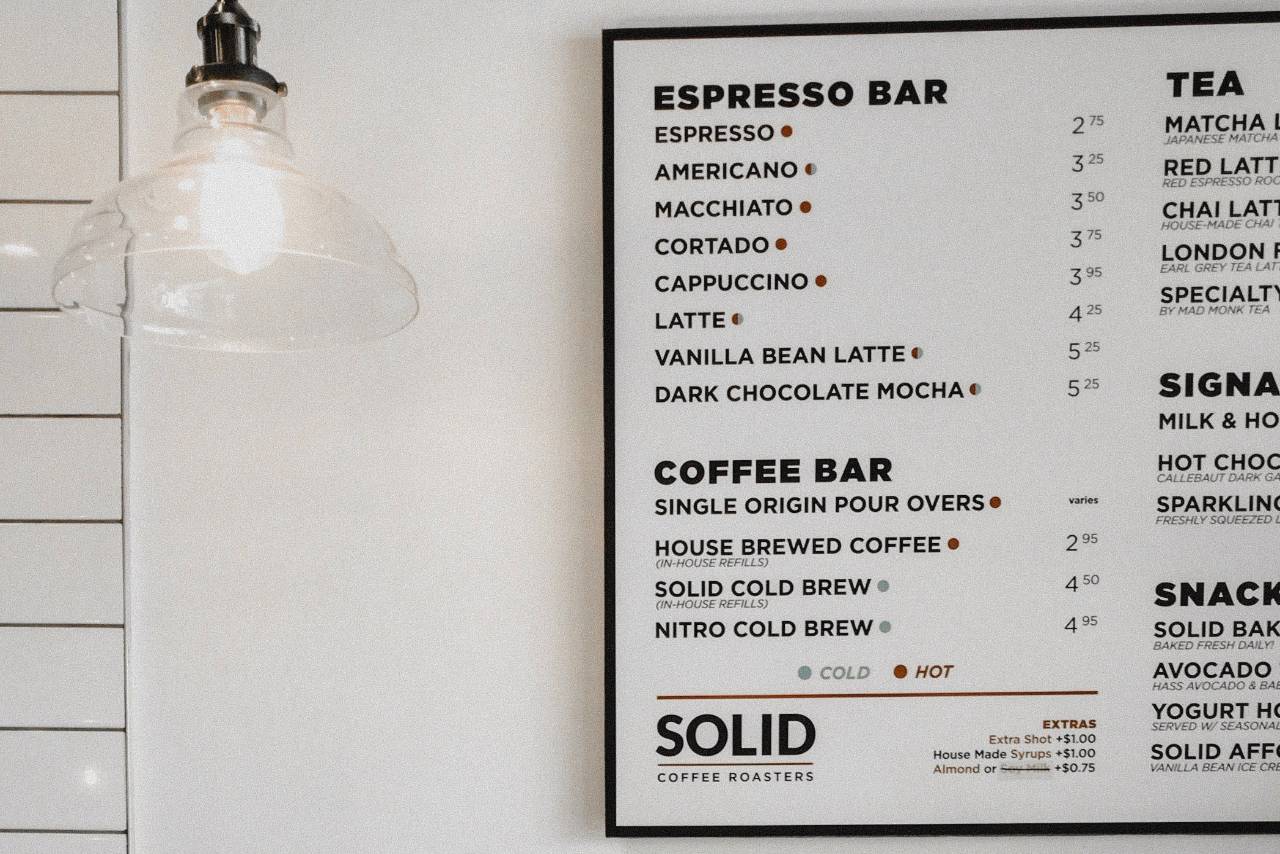
According to a Gallup poll, customers only spend about 109 seconds scanning a restaurant's menu. Therefore, businesses need an impactful format to persuade customers to order high-profiting items. There are several formatting and phycological tactics that increase the likelihood of customers ordering the targeted item, including-