True Food Kitchen Files Bankruptcy, Closes 12 Sites
True Food Kitchen filed for Chapter 11 bankruptcy, closing 12 locations and shrinking to 34 restaurants across 14 states amid $42.1 million in debt.
News
Oct 5, 2026
True Food Kitchen filed for Chapter 11 bankruptcy, closing 12 locations and shrinking to 34 restaurants across 14 states amid $42.1 million in debt.
Oct 5, 2026

Snooze Eatery names industry veteran Amy Hom as COO, starting Sept. 28, to strengthen hospitality and operations ahead of its next growth phase.
Oct 5, 2026

Restaurants can control operating costs by tracking food, labor, rent, utilities, technology, marketing, and other expenses against sales.
Oct 5, 2026

Opening a second restaurant location requires readiness, clear goals, financial planning, funding, smart strategy, standardized operations, strong teams, and careful launch monitoring for sustainable growth.
Sep 30, 2026

Evaluate restaurant industry performance in Q3 2026 through key trends affecting restaurant sales, traffic, consumer spending, labor, costs, and technology.
Oct 2, 2026
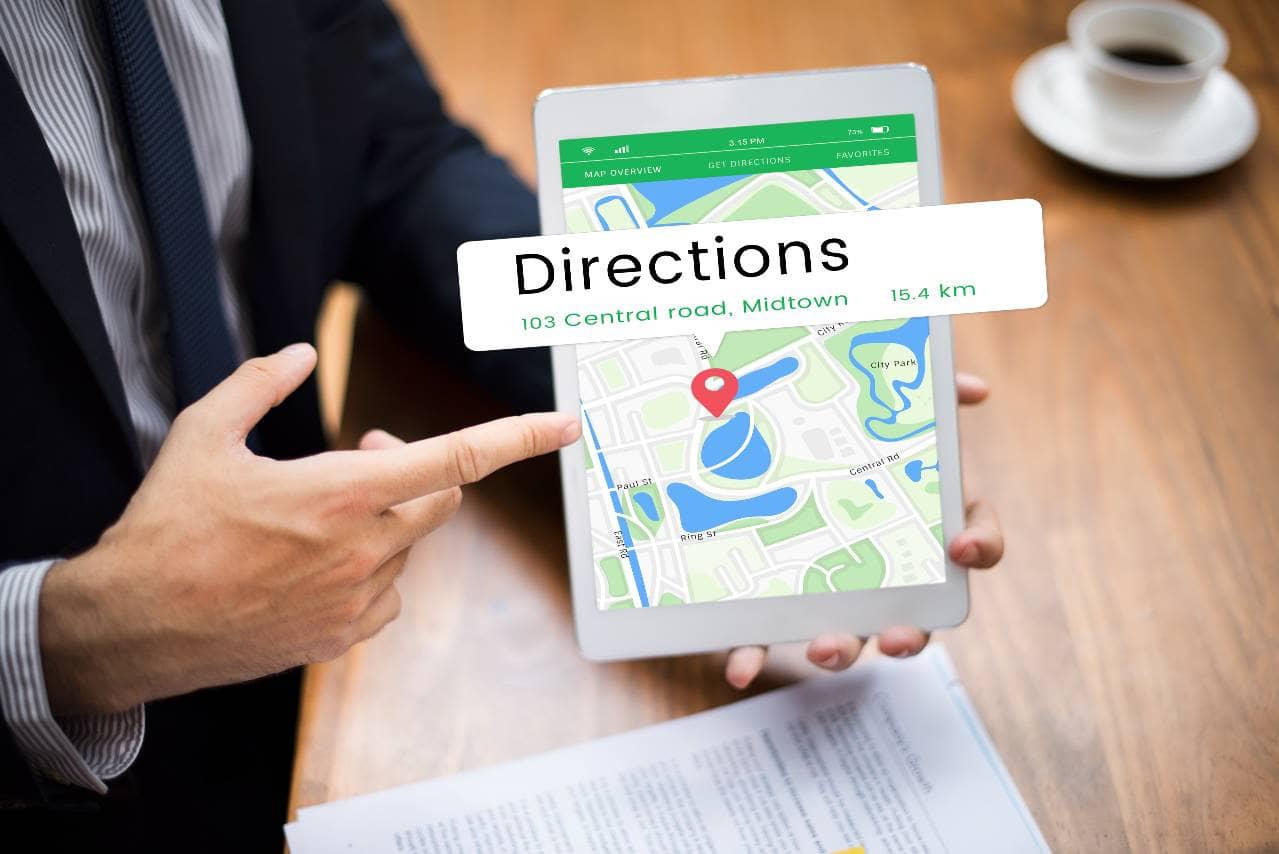
Improve restaurant visibility with local SEO by optimizing Google Business Profile, targeting local keywords, managing reviews, and maintaining accurate online information.
Oct 5, 2026

Understand tip pooling rules, employee eligibility, distribution methods, compliance requirements, recordkeeping practices, and policies restaurant owners need for proper tip management.
Oct 2, 2026

Whit's Frozen Custard hires industry veteran Amos Durbin as COO to guide franchise expansion, drawing on two decades of restaurant leadership experience.
Oct 2, 2026
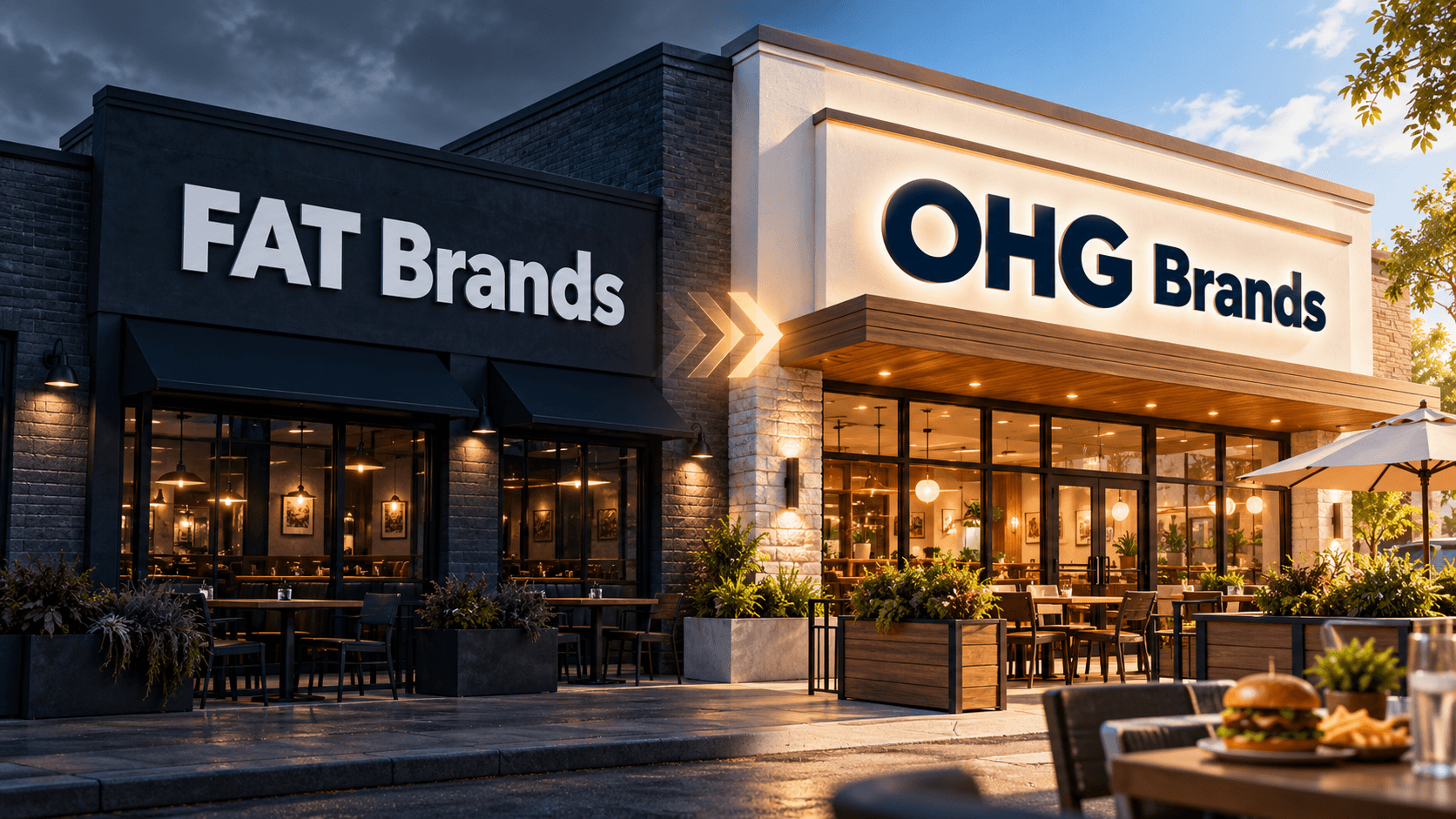
FAT Brands' $1B acquisition empire fell into bankruptcy and sold for $965M, re-emerging as OHG Brands with 1,700 restaurants.
Oct 1, 2026
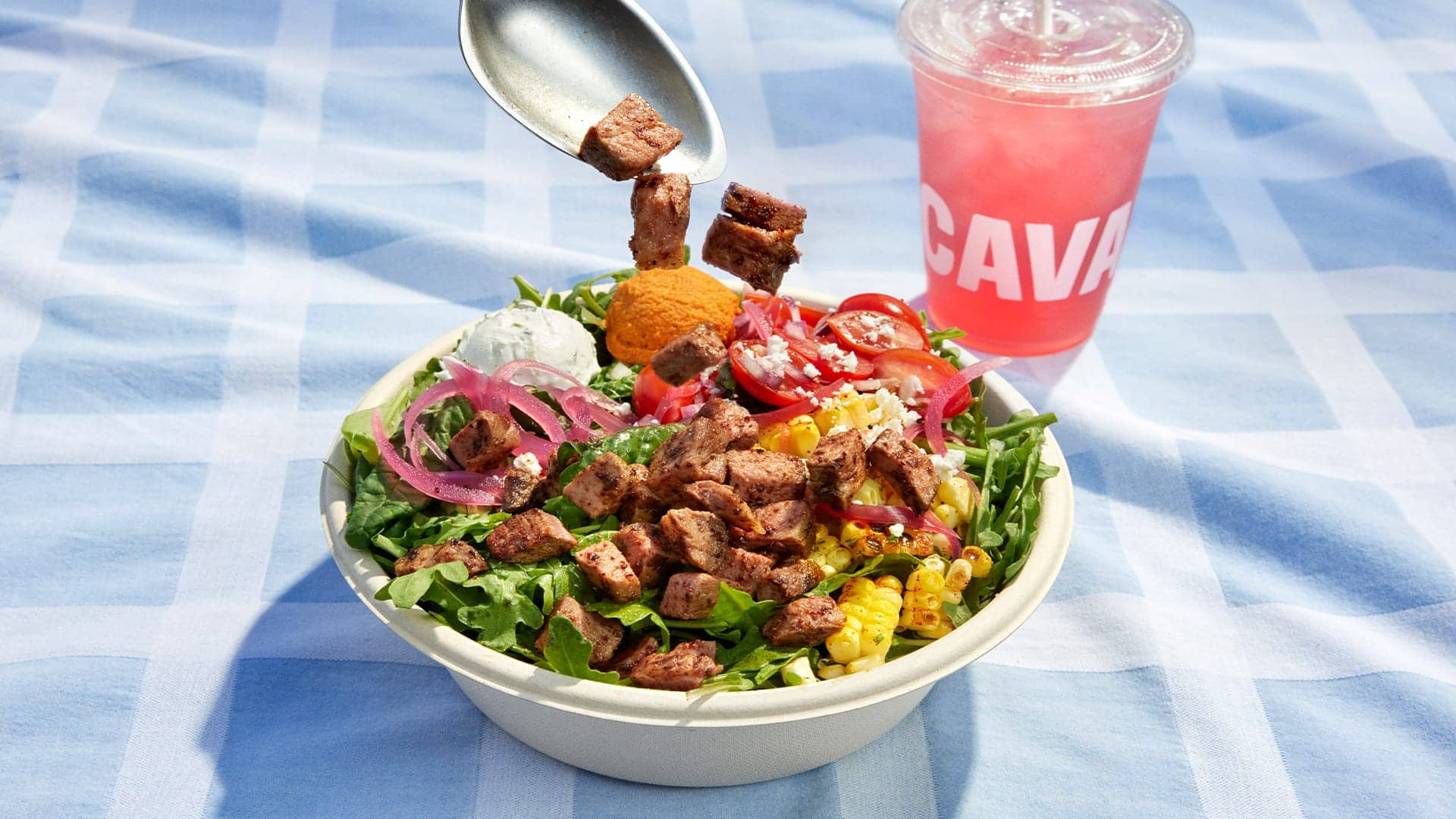
CAVA names John Ludeke, former Dr. Squatch Chief Brand Officer, as its new CMO to drive national growth and guest loyalty.
Oct 1, 2026

Unlock Exclusive Access To Webinars, Events, And The Latest News For Free!
Exploring the transformative effects of AI, ML, and robotics on technology.

Photo by Radowan Nakif Rehan
Artificial Intelligence (AI) is redefining industries by automating processes, enhancing decision-making, and personalizing user experiences. From healthcare to finance, AI algorithms analyze vast amounts of data to derive valuable insights and drive efficiency. For instance, in healthcare, AI-powered medical imaging systems detect diseases early, leading to better patient outcomes. In finance, AI algorithms predict market trends, optimizing investments for higher returns.

Photo by Radowan Nakif Rehan
Machine Learning (ML) is at the core of transformative innovations in tech. ML algorithms enable machines to learn from data, adapt, and make decisions without explicit programming. Companies leverage ML for predictive analytics, recommendation systems, and natural language processing. For example, companies like Netflix use ML to recommend personalized content to users based on their viewing history, enhancing user engagement and satisfaction.
Robotics is reshaping industries through automation and enhanced productivity. Robots equipped with AI and ML capabilities are handling repetitive tasks with precision and speed. In manufacturing, robotic arms assemble products efficiently, reducing errors and increasing production rates. Moreover, in logistics, autonomous robots navigate warehouses, streamlining inventory management and order fulfillment processes.

Photo by Radowan Nakif Rehan