True Food Kitchen Files Bankruptcy, Closes 12 Sites
True Food Kitchen filed for Chapter 11 bankruptcy, closing 12 locations and shrinking to 34 restaurants across 14 states amid $42.1 million in debt.
News
Oct 5, 2026
True Food Kitchen filed for Chapter 11 bankruptcy, closing 12 locations and shrinking to 34 restaurants across 14 states amid $42.1 million in debt.
Oct 5, 2026

Snooze Eatery names industry veteran Amy Hom as COO, starting Sept. 28, to strengthen hospitality and operations ahead of its next growth phase.
Oct 5, 2026

Evaluate restaurant industry performance in Q3 2026 through key trends affecting restaurant sales, traffic, consumer spending, labor, costs, and technology.
Oct 2, 2026
Opening a second restaurant location requires readiness, clear goals, financial planning, funding, smart strategy, standardized operations, strong teams, and careful launch monitoring for sustainable growth.
Sep 30, 2026
Restaurants can control operating costs by tracking food, labor, rent, utilities, technology, marketing, and other expenses against sales.
Oct 5, 2026
Improve restaurant visibility with local SEO by optimizing Google Business Profile, targeting local keywords, managing reviews, and maintaining accurate online information.
Oct 5, 2026
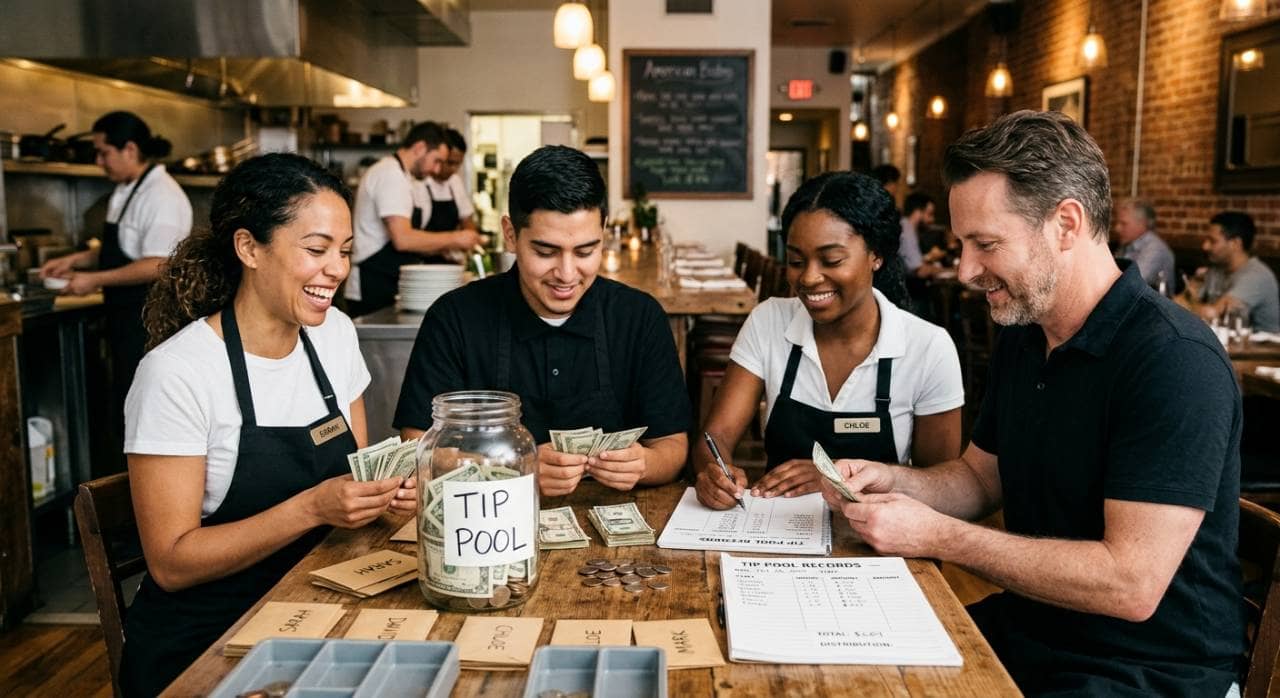
Understand tip pooling rules, employee eligibility, distribution methods, compliance requirements, recordkeeping practices, and policies restaurant owners need for proper tip management.
Oct 2, 2026

Whit's Frozen Custard hires industry veteran Amos Durbin as COO to guide franchise expansion, drawing on two decades of restaurant leadership experience.
Oct 2, 2026
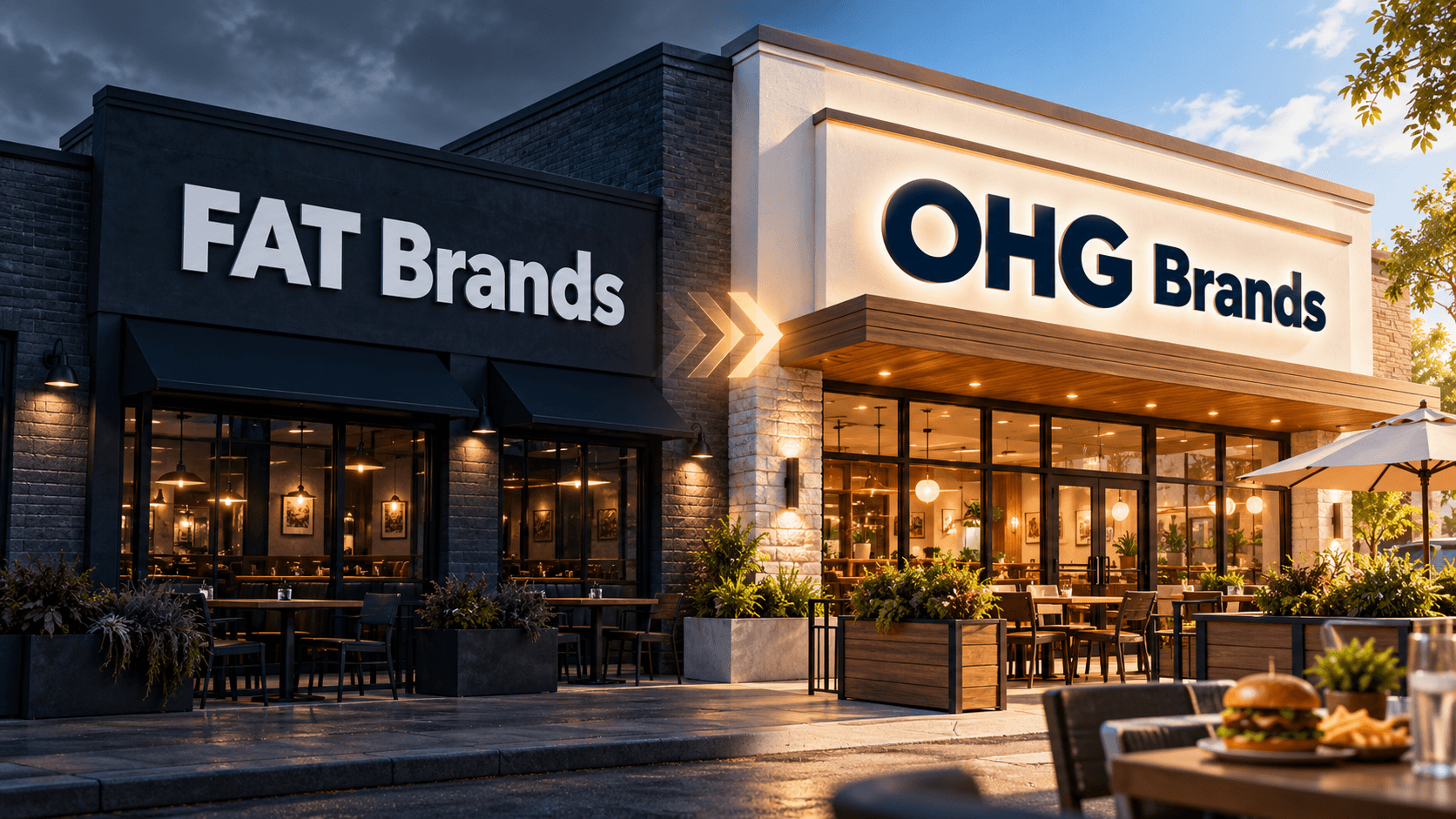
FAT Brands' $1B acquisition empire fell into bankruptcy and sold for $965M, re-emerging as OHG Brands with 1,700 restaurants.
Oct 1, 2026
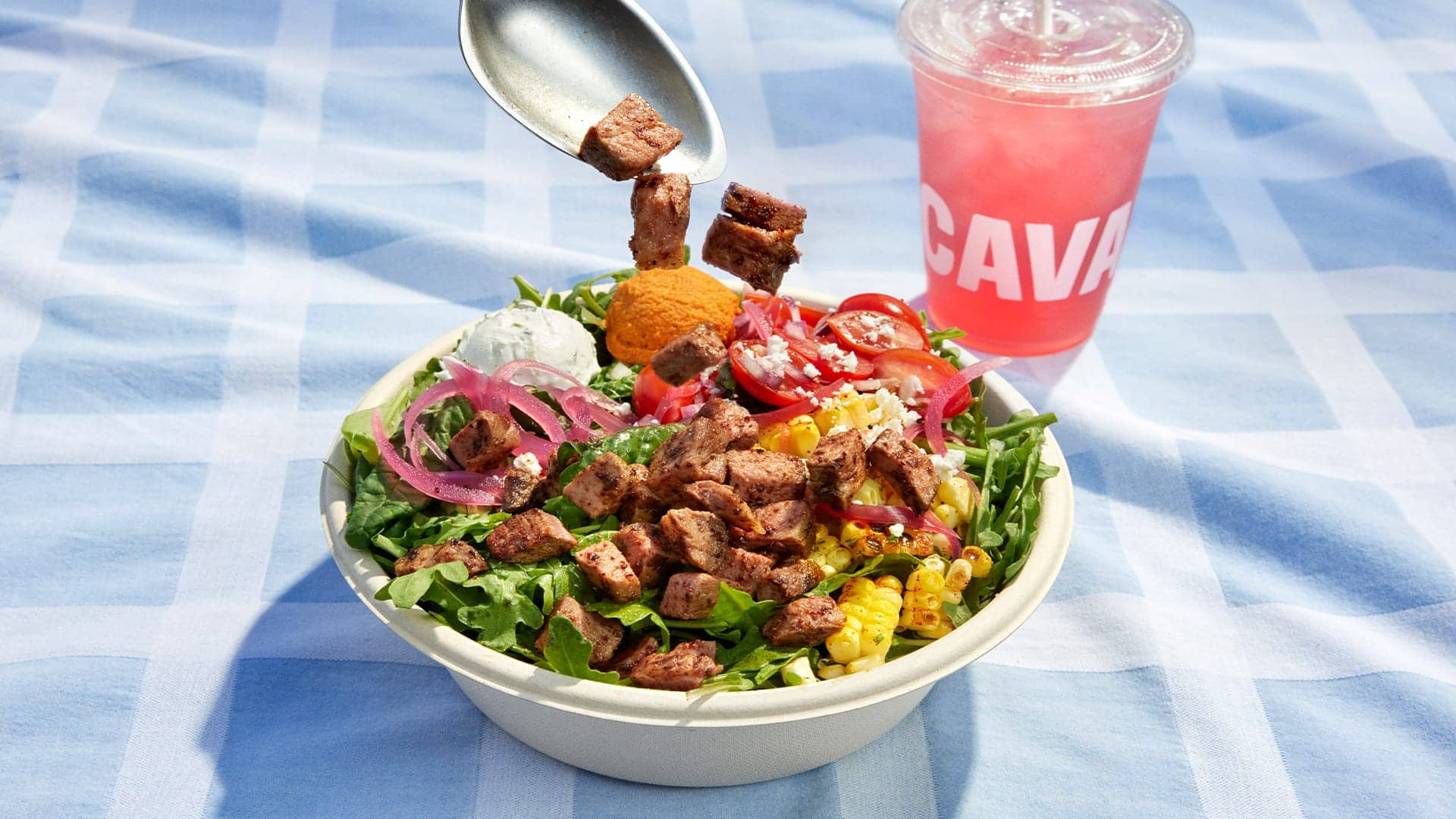
CAVA names John Ludeke, former Dr. Squatch Chief Brand Officer, as its new CMO to drive national growth and guest loyalty.
Oct 1, 2026

Unlock Exclusive Access To Webinars, Events, And The Latest News For Free!
Explore how White Castle's collaboration with Coco and Uber Eats in deploying delivery robots is revolutionizing the food industry.

White Castle's initiative to introduce Coco's robots in their high-traffic locations aims to streamline their operational processes by reducing the complexities associated with third-party delivery systems. By employing robots to handle deliveries, White Castle can eliminate potential delays caused by human drivers and alleviate congestion, enhancing overall throughput and service speed.
The integration of delivery robots not only accelerates service but also improves the quality of customer experience. By partnering with Coco and Uber Eats, White Castle can pair customers directly with robots through the app, ensuring a seamless and efficient delivery process without additional fees or intermediaries. This direct engagement enhances convenience and reduces wait times for customers.
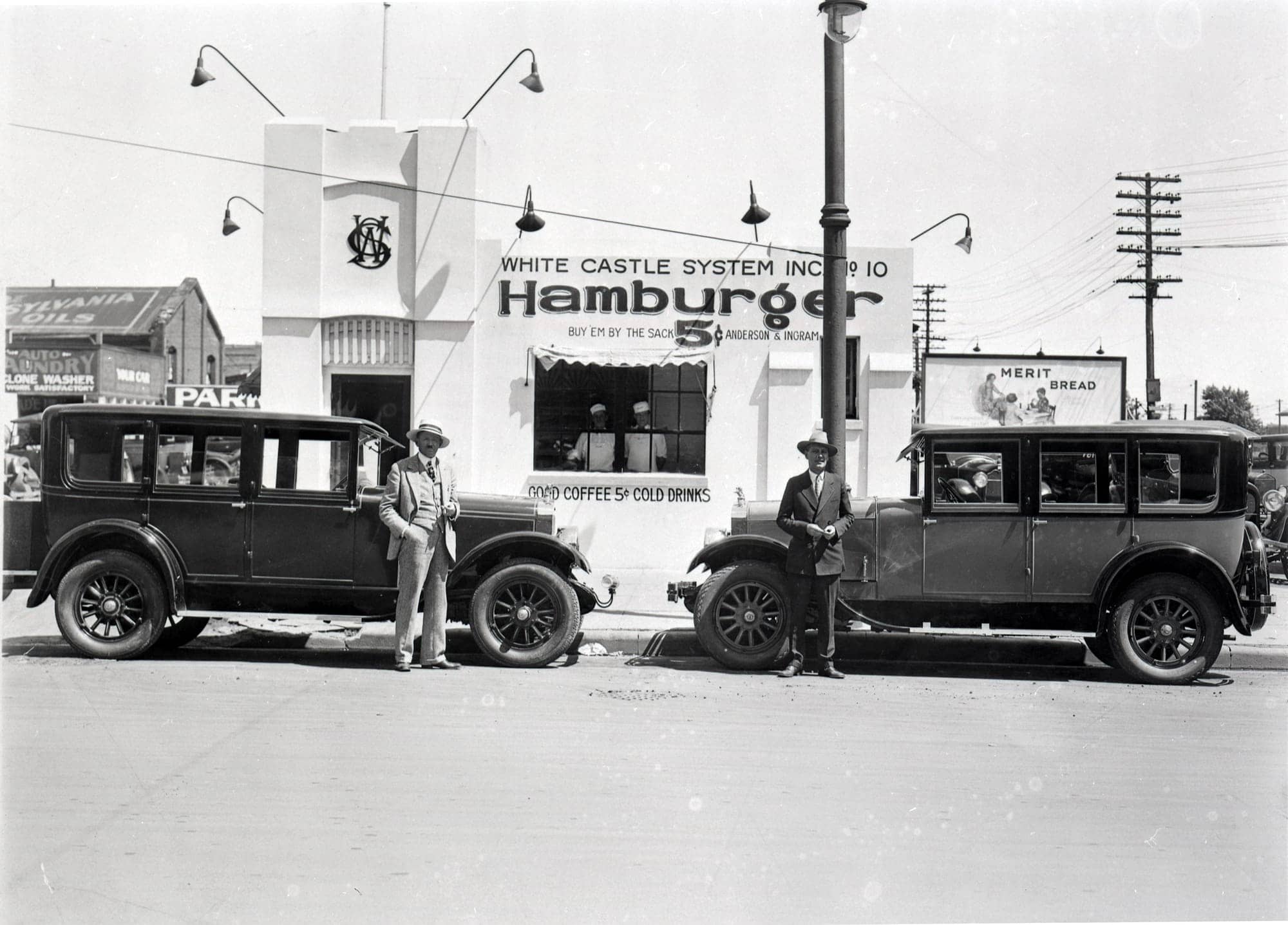
While the use of delivery robots by White Castle represents a significant step towards automation in the food industry, it also reflects a broader trend in the market. Major players like Uber Eats are increasingly exploring robotic delivery solutions to enhance their service offerings and remain competitive. With companies like Shake Shack and DoorDash also venturing into robotic partnerships, the widespread adoption of automated delivery systems is on the horizon.
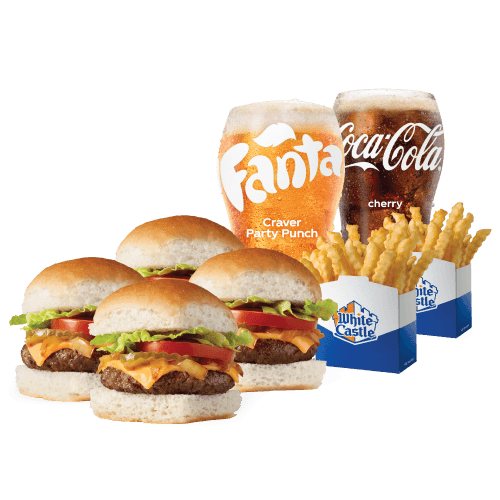
Despite the promising prospects of robotic delivery services, challenges such as revenue generation and cost-efficiency persist in this evolving landscape. While Coco and Serve Robotics are expanding their fleet of delivery bots, the profitability of such capital-intensive operations remains uncertain. As seen in Serve's financial report, the segment is still grappling with revenue limitations, indicating the need for further innovation and optimization to ensure sustainable growth.