Mountain Mike's Pizza Names Sheena Dougher CMO
Mountain Mike's Pizza hires Jack in the Box veteran Sheena Dougher as CMO to drive national growth while preserving its regional brand identity.
Franchising
Sep 17, 2026
Mountain Mike's Pizza hires Jack in the Box veteran Sheena Dougher as CMO to drive national growth while preserving its regional brand identity.
Sep 17, 2026

From fixed costs to contribution margin, learn exactly how to calculate your restaurant's break even point with confidence.
Sep 16, 2026

DoorDash pays $425M for Wonder's campus dining platform and a stake in Wonder, betting on robotic kitchens and institutional foodservice growth.
Sep 16, 2026
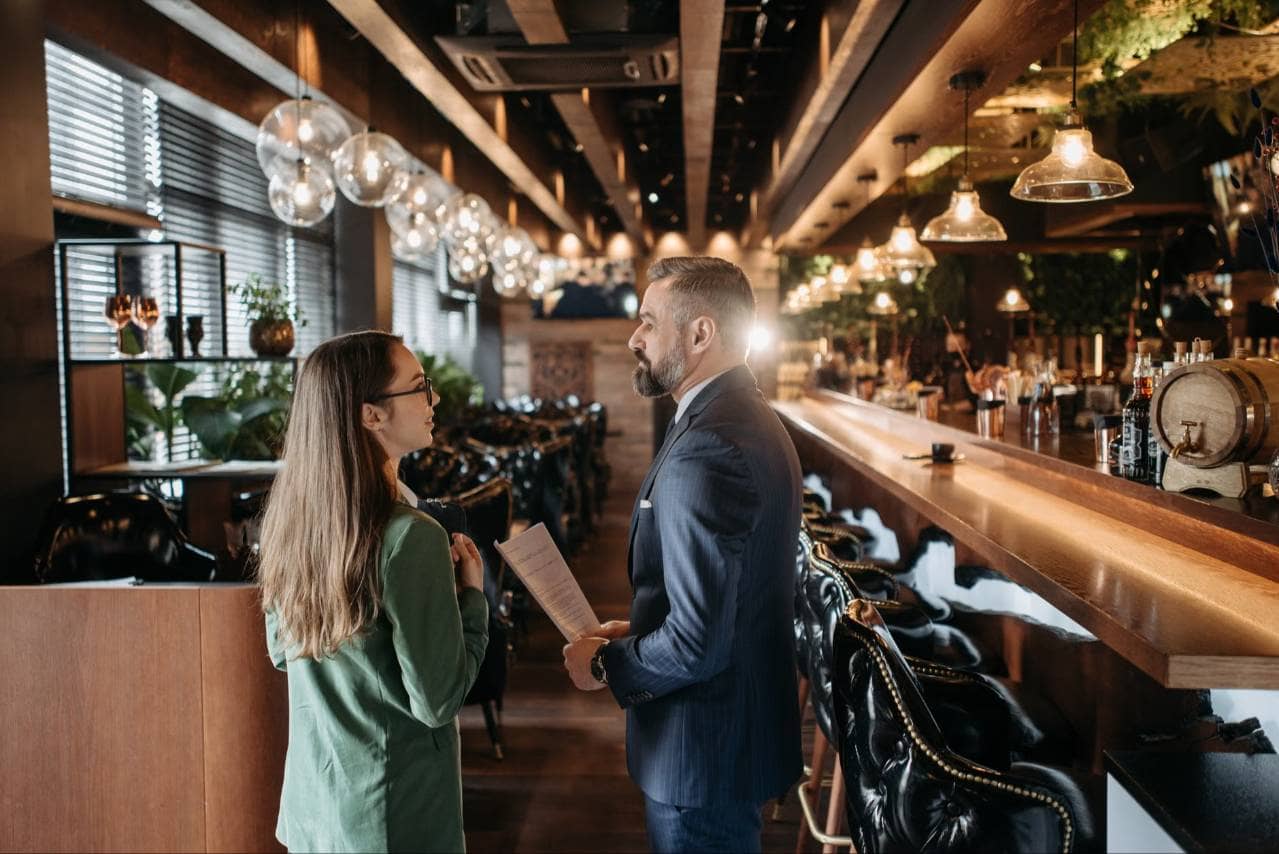
Discover the most common reasons restaurants fail, including inconsistent food quality and pricing mistakes, plus practical ways to avoid them.
Sep 16, 2026
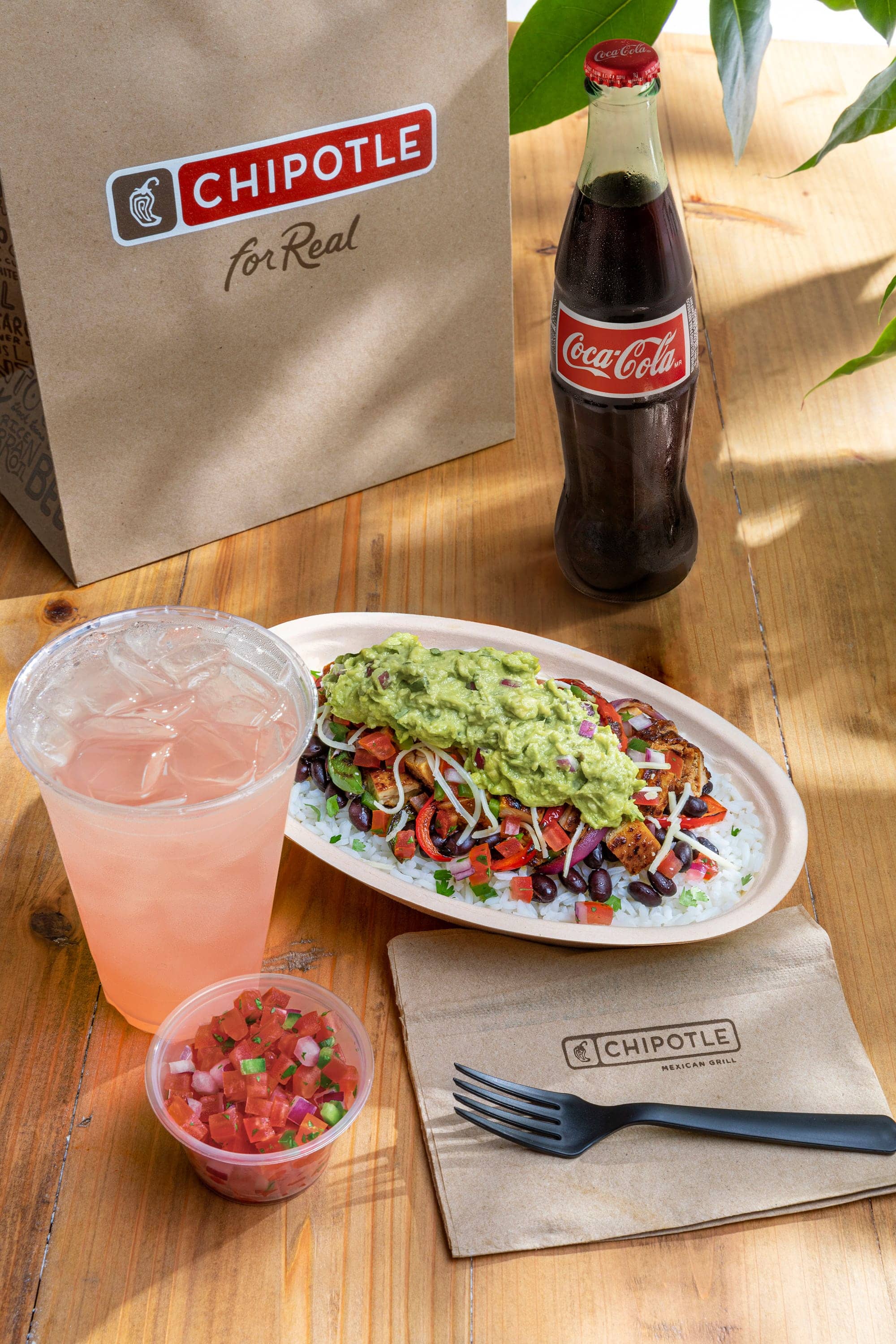
Chipotle names former KFC global CEO Sabir Sami to its board as the chain expands into Mexico, Saudi Arabia, and South Korea.
Sep 15, 2026

LeBron James joins Mike's Red Tacos as an investor, backing the birria chain led by Blaze Pizza and Dave's Hot Chicken veteran Bill Phelps.
Sep 15, 2026
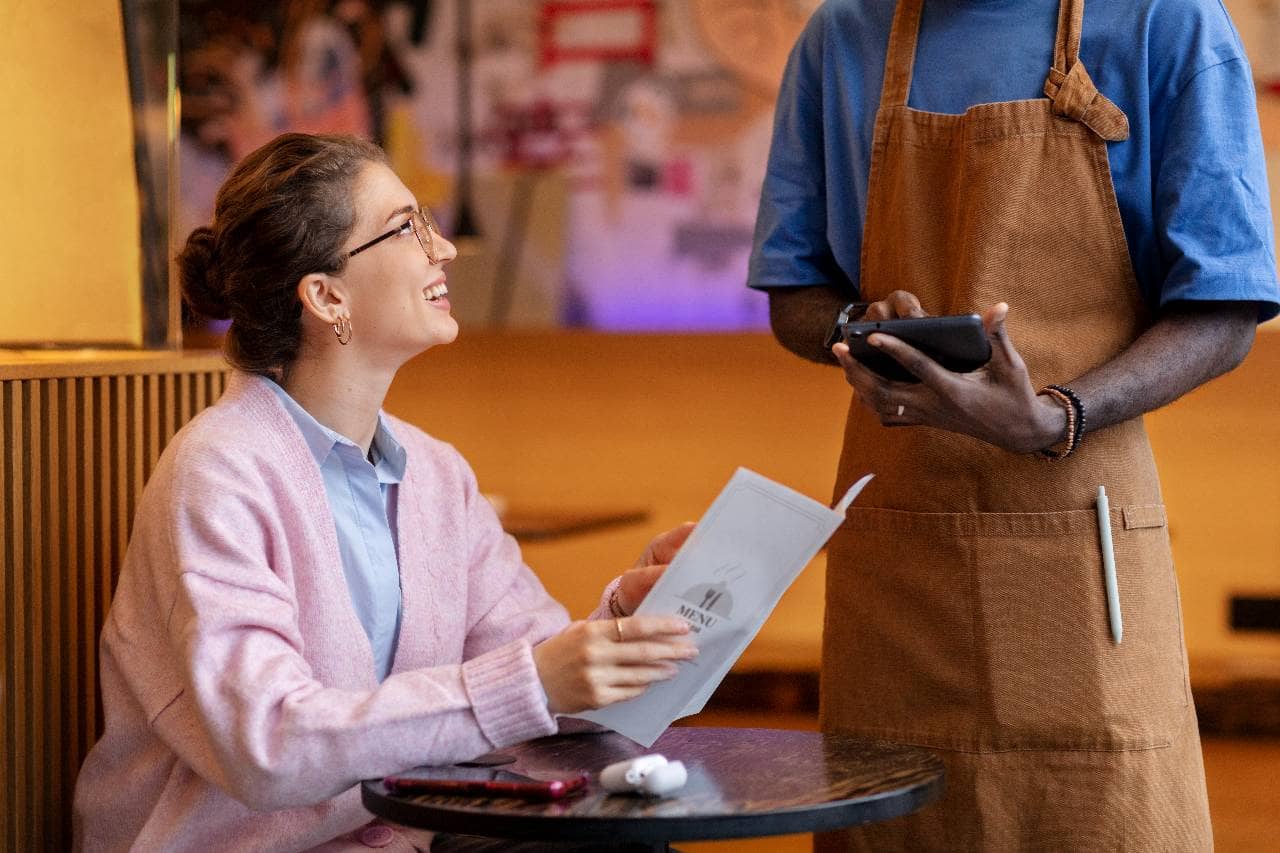
Discover practical promotion ideas - time-based deals, loyalty programs, local partnerships, and digital marketing - to boost restaurant foot traffic consistently.
Sep 14, 2026

Practical payroll compliance checklist for restaurant owners covering wage rules, tips, overtime, taxes, deductions, and recordkeeping to reduce legal risk.
Sep 14, 2026
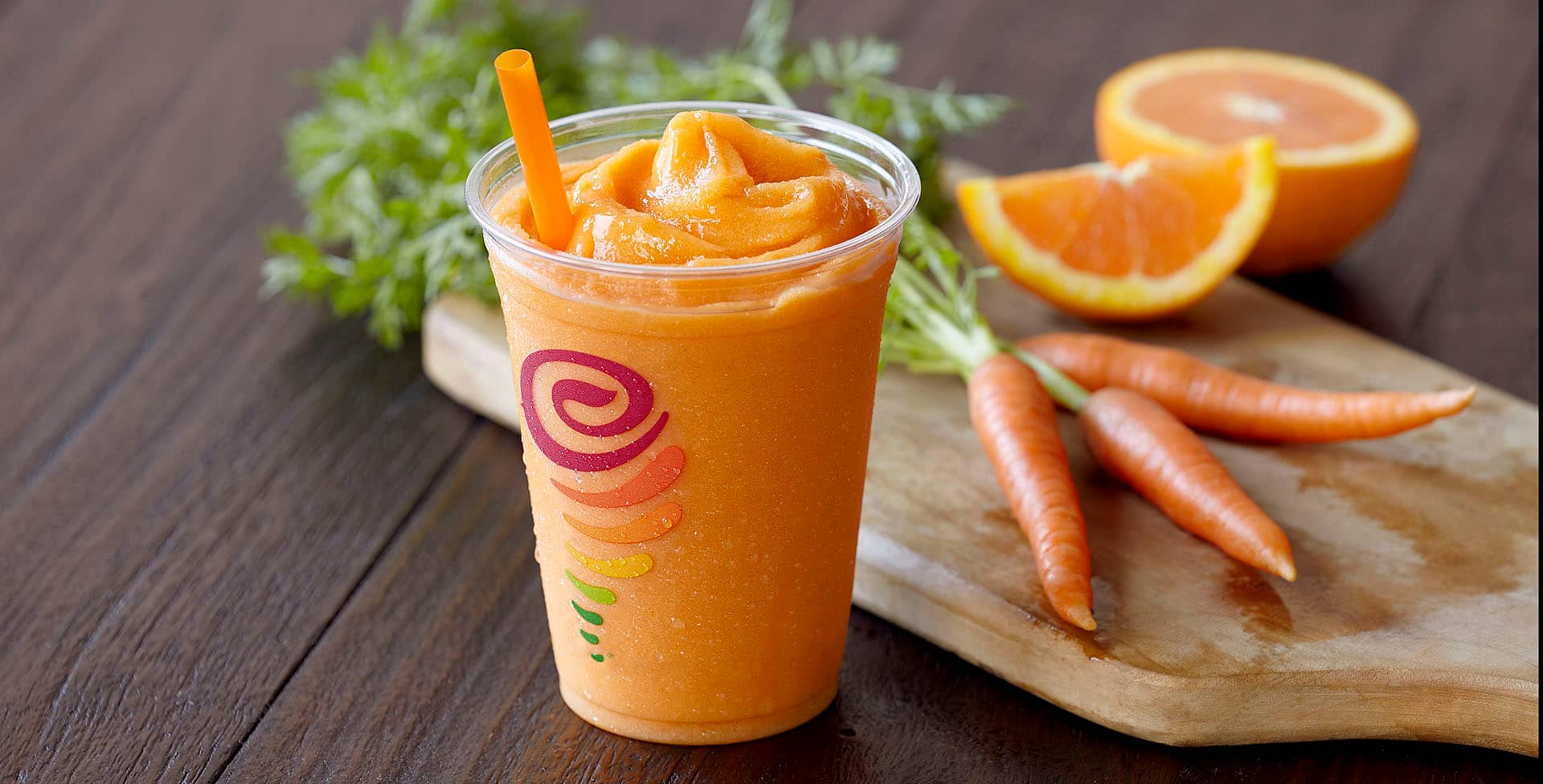
Lucy Brady joins Jamba as president to lead digital-first growth strategy. GoTo Foods restructures leadership to strengthen franchise platform capabilities.
Sep 14, 2026
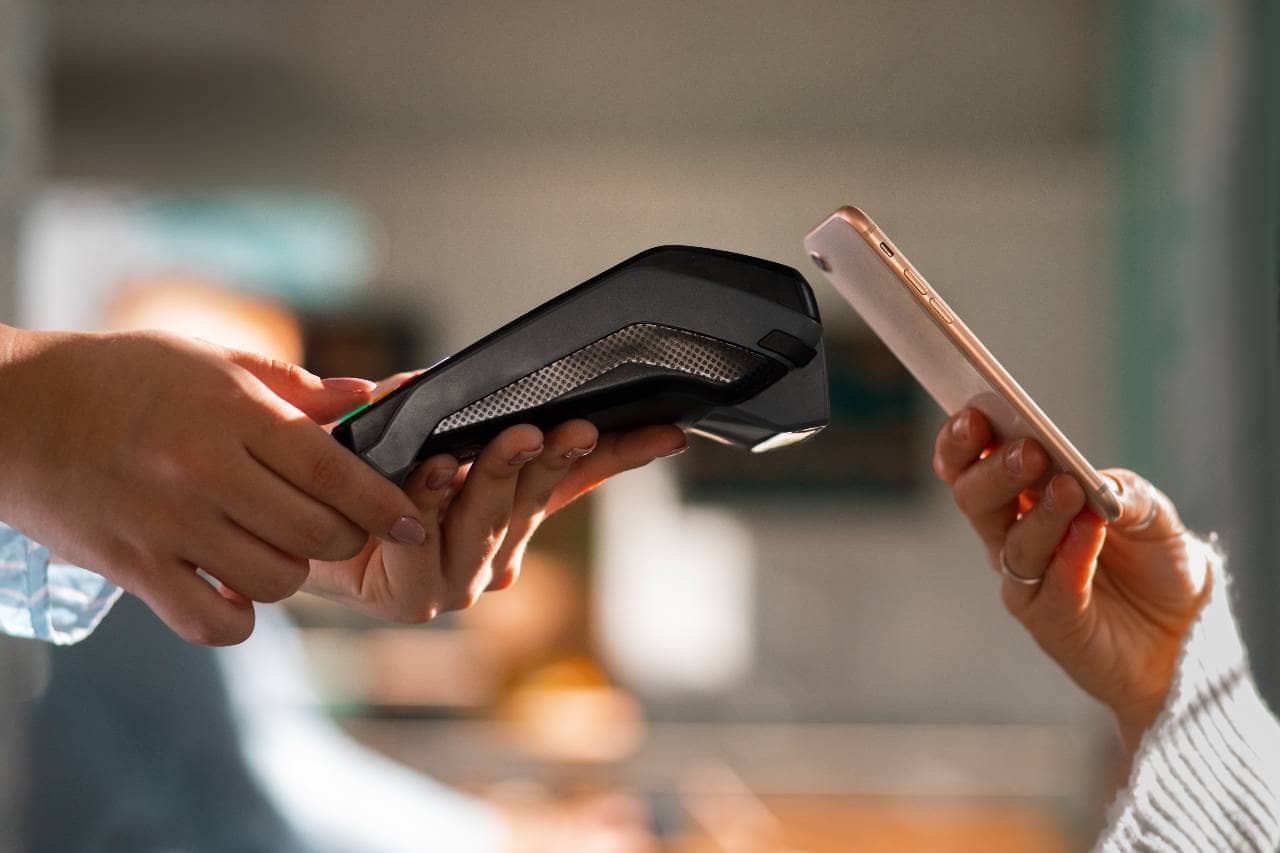
Contactless payment offers restaurants faster transactions, better security, and improved customer experience, making it a valuable, worthwhile technology investment today.
Sep 11, 2026

Unlock Exclusive Access To Webinars, Events, And The Latest News For Free!
Explore the recent breakup between Topgolf and Callaway, the reasons behind it, and the impact on consumer trends and revenue growth. Learn how strategic decisions can reshape the business landscape.

Photo by Coline Haslé
The merger between Callaway and Topgolf in 2021 was a significant move to combine the expertise of a leading golf products company with a popular entertainment destination. However, the recent decision to sell off 80% of Topgolf indicates a shift in strategic direction. By parting ways, Callaway aims to streamline its operational structures, enhance capital allocation, and focus on core business objectives. This separation highlights the evolving nature of corporate partnerships and the importance of adaptability in the business landscape.
Despite its widespread popularity, Topgolf encountered challenges in revenue growth, as evident from the decline in company revenue and same venue sales. The company's revenue decrease in the first quarter, along with a 12% drop in same venue sales, underscores the need for strategic adjustments. Middle-income consumers, in particular, perceived Topgolf as too costly, prompting the company to reevaluate its pricing strategy and value proposition.

Photo by Coline Haslé
Topgolf's appeal to consumers with an annual household income of $100,000 or more showcases its strong brand image and experiential offerings. However, to attract a wider audience, the company introduced initiatives like Sunday Funday and Topgolf Nights. These events aimed to enhance consumer engagement and drive foot traffic. The success of Sunday Funday in increasing traffic by 20% demonstrates the effectiveness of consumer-centric strategies in improving business performance.

Photo by Coline Haslé
The decision to sell off a major stake in Topgolf underscores the significance of reevaluating revenue streams and optimizing business operations. By focusing on core competencies and allocating capital efficiently, Callaway aims to enhance its strategic focus and drive sustainable growth. This breakup presents an opportunity for both entities to realign their priorities and chart independent paths that align with evolving market dynamics.
Photo by Coline Haslé