
The Complete Guide to Payroll Advances for Restaurants
Payroll advances help restaurant owners give hourly employees earlier access to earned wages while maintaining accurate records, policies, and compliance.
Payroll
Aug 19, 2026
Payroll advances help restaurant owners give hourly employees earlier access to earned wages while maintaining accurate records, policies, and compliance.
Aug 19, 2026

Learn how to open a restaurant with no experience by planning your concept, budget, location, team, operations, and successful launch.
Aug 19, 2026

Learn the eight essential steps of the restaurant payroll process, from tracking hours and calculating wages to payments and recordkeeping.
Aug 17, 2026
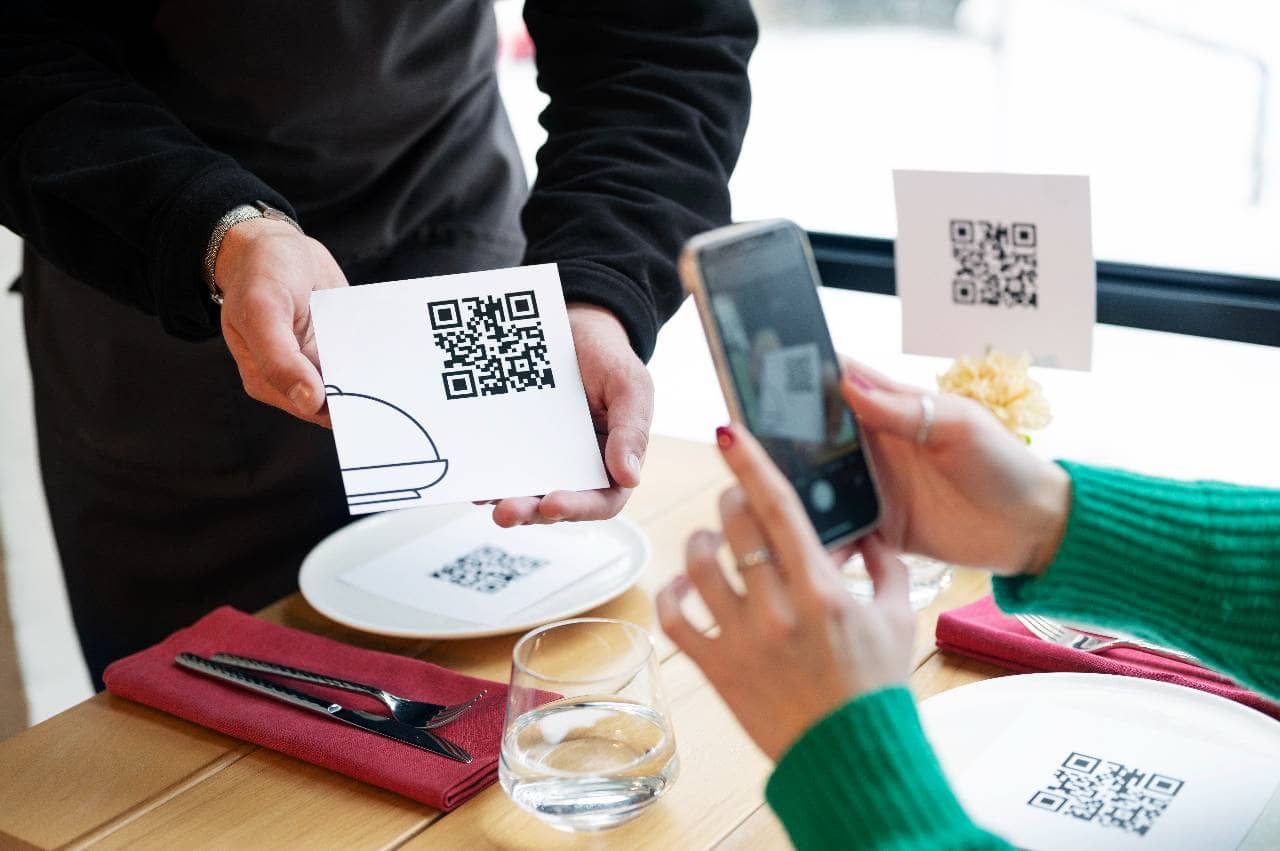
Explore the main types of ordering technology restaurants use to improve accuracy, speed, payments, customer convenience, and operational efficiency daily.
Aug 17, 2026

The transition of Pizza Hut's CEO, Aaron Powell, marks a pivotal moment for the chain and offers valuable leadership lessons for restaurant owners. Here’s what this executive change could mean for your business.
Aug 17, 2026
Panera Bread welcomes Andrew Rebhun as its new CMO to spearhead strategic brand growth and transformation, bolstering its vision for 2028.
Aug 17, 2026

Discover how restaurant SMS marketing works, from building subscriber lists and creating campaigns to improving engagement and measuring marketing performance.
Aug 14, 2026

Learn how to manage cash flow in your restaurant by tracking finances, controlling costs, forecasting needs, and building cash reserves.
Aug 14, 2026

Increase online orders by simplifying checkout, optimizing menus, improving Google visibility, promoting ordering channels, and encouraging customers to order again.
Aug 12, 2026
Streamline restaurant back office operations by standardizing workflows, automating repetitive tasks, integrating systems, centralizing data, and improving accountability and efficiency.
Aug 12, 2026

Unlock Exclusive Access To Webinars, Events, And The Latest News For Free!
Food is one of the leading causes of illness and death in the United States. Keep reading to learn more about what you need to know about food safety issues and how to prevent them.
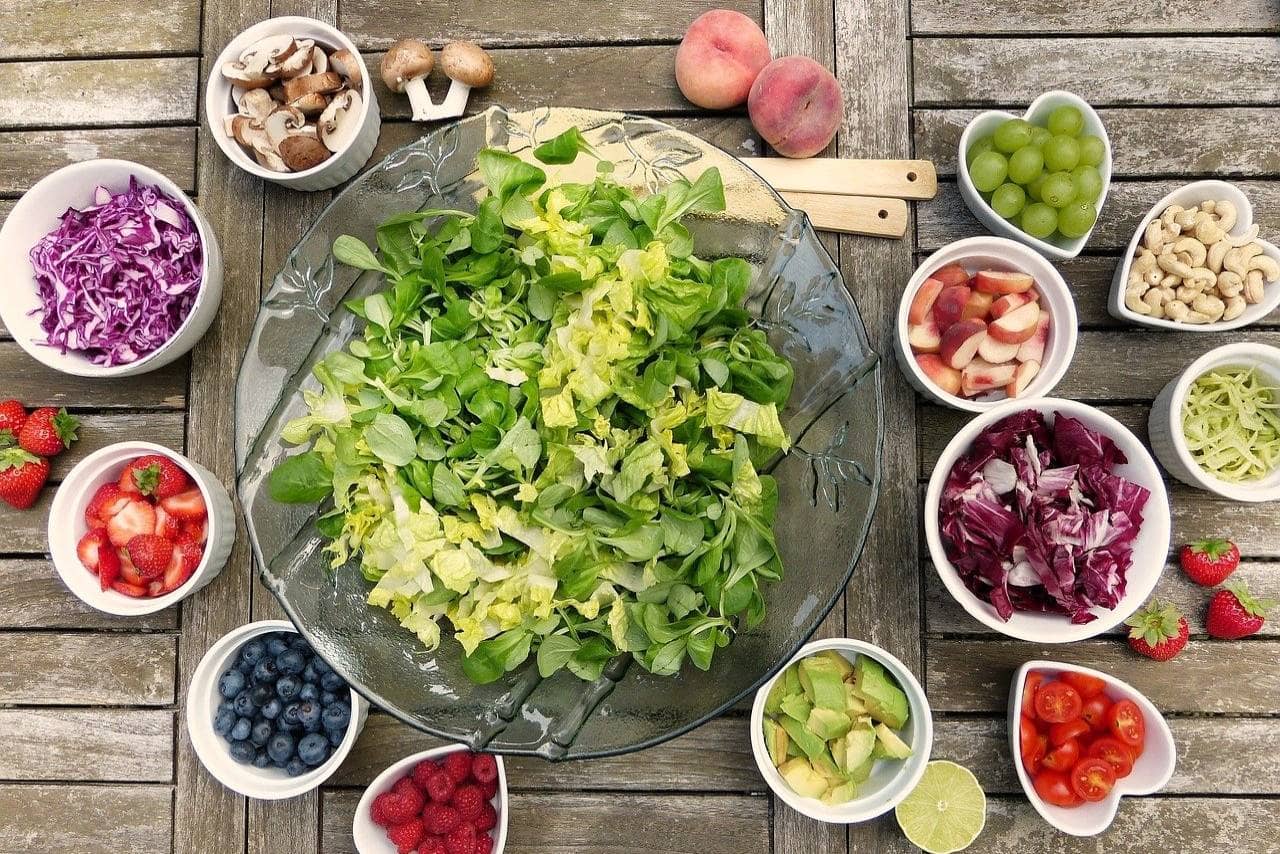
The process of handling, preparing and storing food which makes it safe from contamination is called food safety. Safe food reduces the probability of people falling sick from foodborne diseases and food poisoning after consuming it. Be it in a restaurant or at home, food safety and hygiene is of utmost importance. Food poisoning is a process where food gets contaminated by harmful bacteria and germs, which makes its consumers fall sick from foodborne illnesses or food poisoning. Food safety is not only a measure for disease control prevention but also a necessity for health safety and a healthy lifestyle. When food is contaminated by harmful bacteria and other germs, there is a high probability of food poisoning to those who consume the contaminated food. Pathogenic microorganisms can easily contaminate basic and everyday foods. Perishable food and high-risk ingredients involved in these cases include raw meat poultry products, fresh fruits vegetables, undercooked seafood, raw sprouts, ready eat foods and raw milk products. These can cause food poisoning and other foodborne illnesses if adequate food safety measures are not applied.
Consumers can be kept safe by following some simple but valuable food safety tips in the kitchen. These tips can be divided into 4 broad categories; Clean Separate Cook Chill. Let's take each one of these categories in detail. Clean- Wash hands, boards utensils, and surface Harmful bacteria or germs can survive in many places in and around your kitchen. They can be present in your hands, utensils, food, cutting boards, and utensils countertops. - Wash hands with soap and running water - Scrub the back of your hands, between fingers, and under your nails - Rinse hands then dry with clean paper towels - Wash cutting boards, dishes, utensils with hot soapy or soapy water especially after used for raw meat, poultry, seafood, and eggs - Rinse fresh produce vegetables under running water - Don't wash meat, poultry, eggs, and seafood as they can spread harmful germs around your kitchen Separate- Use separate cutting boards and utensils for different foods to avoid the risk of foodborne diseases - Use separate cutting boards for produce, meat, poultry, seafood, and eggs - Use separate utensils for cooked food, ready to eat food, and raw food - Separate raw meat, poultry, seafood, and eggs from other foods in your shopping cart - Keep raw meat, poultry, and seafood in sealed containers, refrigerate freeze if you are not planning to use them in a few days - Keep eggs in their original containers instead of placing them in the door of the food refrigerator Cook- When the minimum internal temperature is high to kill the germs causing illness, food can be categorized as safely cooked - Use a food thermometer to make sure the cooked food is safe and minimum internal temperature is maintained - Make sure the cooked food is out of the temperature danger zone if not served immediately after cooking for health safety - Use a food thermometer and refer to any 'Minimum Cooking Temperatures Chart' for detailed information Chill- It is vital to refrigerate and freeze food properly to avoid the risk of foodborne illnesses - Refrigerate perishable food within two hours - Place leftovers in shallow containers and refrigerate promptly to allow quick cooling - Avoid marinating food on counters, use a food refrigerator to marinate meat, poultry, and seafood - Freezing doesn't destroy germs, but it helps keep food safe until you cook it Food Safety
Food safety is a scientific process of handling, preparing, and storing food in a way that prevents harmful bacteria from contaminating the food. Such food processing makes sure that the food is safe for consumption. It also assures that the consumers are safe from foodborne illnesses and food poisoning. There are basically five key principles of food safety. These are- - Keep food safe from contamination - Separate cooked and raw food to prevent cross-contamination - Cook foods to attain minimum internal temperature for the appropriate time period - Store food at a temperature that is out of the temperature danger zone - Always use safe water and raw materials for cooking food For more, click on- Food SafetyFood Safe
As per World Health Organisation, foodborne illnesses or food poisoning are infectious in nature and is primarily caused by bacteria, virus, parasite, and chemical substances. These substances enter the body through contaminated food and water. Harmful bacteria or pathogens, viruses, and germs can lead to foodborne illnesses like severe diarrhea and infections including meningitis. Chemical contamination of food can lead to food poisoning or long-term foodborne diseases including cancer. Foodborne diseases may also cause disability and death among its consumers. A few examples of unsafe food are uncooked food derived from animals, fruits, and vegetables with feces contamination, and seafood with marine biotoxins.
Most foodborne diseases or food poisoning are caused by harmful bacteria, viruses, parasites, and chemicals present in the food. These two are dangerous if the food handling is improper. The symptoms of food poisoning can develop within 30 minutes of consuming food. Some may even take a few days after consumption of contaminated food. The contaminated food may smell, taste, or appear similar to safe food, but the microbial contamination of food cause these diseases. As per WHO, a few identified and most common causes of foodborne diseases are- Bacteria - Salmonella, Campylobacter, and Enterohaemorrhagic Escherichia coli- These are among the most common foodborne pathogens. The symptoms of their contamination include fever, headache, nausea, vomiting, abdominal pain, and diarrhea. - Listeria- Its infection leads to miscarriage among pregnant women and the death of infants. - Vibrio cholerae- Its infection spreads through contaminated water and food. Its symptoms are abdominal pain, vomiting and watery diarrhea. Viruses- They cause nausea, explosive vomiting, watery diarrhoea and abdominal pain. Parasites and Prions are also dangerous and spread through contaminated food only. Chemicals Chemicals are classified into three categories. These are- - Naturally occurring toxins - Persistent Organic Pollutants - Heavy metals For more, click on Food SafetyFood Food
Improper storage of food is one of the main causes of contamination. Food safety can be maintained by two basic factors, time and temperature. Both these factors play a crucial role in the growth of harmful bacteria and the formation of toxins over food. Temperature The danger zone represents the temperature range where the growth of harmful bacteria is fastest. The recommended danger zone for food is the temperature range between 41 and 135 degrees Fahrenheit. However, the most hospitable zone for the growth of harmful bacteria is considered to be between the temperature range of 70 and 125 degrees Fahrenheit. The longer time food is kept in this zone, the greater risk of growing harmful bacteria in the food. - Keep hot food at 140 degrees Fahrenheit or above - Keep cold food at 41 degrees Fahrenheit or lower - Make sure to register the temperatures using a food thermometer Time The concept of a danger zone explains the temperature range for safe food or food safety. However, there is a time factor also involved with this danger zone. Normally, hazardous foods are safe if kept at 41 degrees Fahrenheit or colder or 135 degrees Fahrenheit or hotter, but it remains safe if food is kept for less than 4 hours. The reason for this time frame is that food poisoning bacteria take more than four hours to grow to dangerous levels. It is also advisable for food handlers that food should be refrigerated within two hours to prevent the growth of harmful bacteria. - Usually, most foods will have enough harmful bacteria to risk foodborne illnesses to consumer after 4 hours in danger zone - So, these foods must be consumed within 4 hours or chilled/reheated - After 4 hours the food must be discarded A few other suggestions for proper storage of food are- - Avoid overpacking your refrigerator - Be strategic loading your refrigerator - Allow leftovers to cool before storing them - Reheat leftovers the safe way - Know when leftovers in the fridge or freezer will expire - Thaw frozen foods the right way - Pay close attention to expiration dates of food supply Danger Zone
Be it at home or in restaurant, it is vital to cook food at the right and recommended temperature. This process prevents harmful bacteria from growing on the food. Thereby, this also makes sure that the consumer is safe from foodborne diseases or food poisoning. With cooking, there are recommended temperatures for refrigeration and freezing of the food items. It is a legal requirement of food industry to receive, store, process and display food in food chain with all necessary steps to avoid contamination and risk of foodborne diseases for public health. If these points are taken care of, you can enjoy your food without any harm.