
The Hidden Cost of Unpredictable Schedules on Employee Retention
Struggling with employee retention? Learn how unpredictable scheduling drives turnover and what you can do to create a more stable workforce.
operations
May 4, 2026
Struggling with employee retention? Learn how unpredictable scheduling drives turnover and what you can do to create a more stable workforce.
May 4, 2026
Photo by on Unsplash
GoTo Foods blends seven iconic brands to push snacking as a growth engine, expanding dayparts, off-premise channels, and co-branding.
May 3, 2026
Mark Graff steps in as CFO to anchor Red Robin's First Choice turnaround with disciplined financial leadership.
May 3, 2026
Photo by Graphe Tween on Unsplash
Doinita Leahu redefines hospitality leadership with practical training, mentorship, and people-first systems guiding Vicious Biscuit’s growth.
May 3, 2026
Explore high-traffic Texas markets where restaurants can succeed by matching concepts, customer behavior, visibility, and daily demand.
Apr 30, 2026
Learn how to calculate food cost, control margins, reduce waste, price menu items, and use technology to improve restaurant profit.
Apr 29, 2026

Photo by Unseen Histories on Unsplash
A look at how U.S. brands expand through multi-unit deals, cross-border partnerships, and seasoned operators in 2026.
Apr 29, 2026
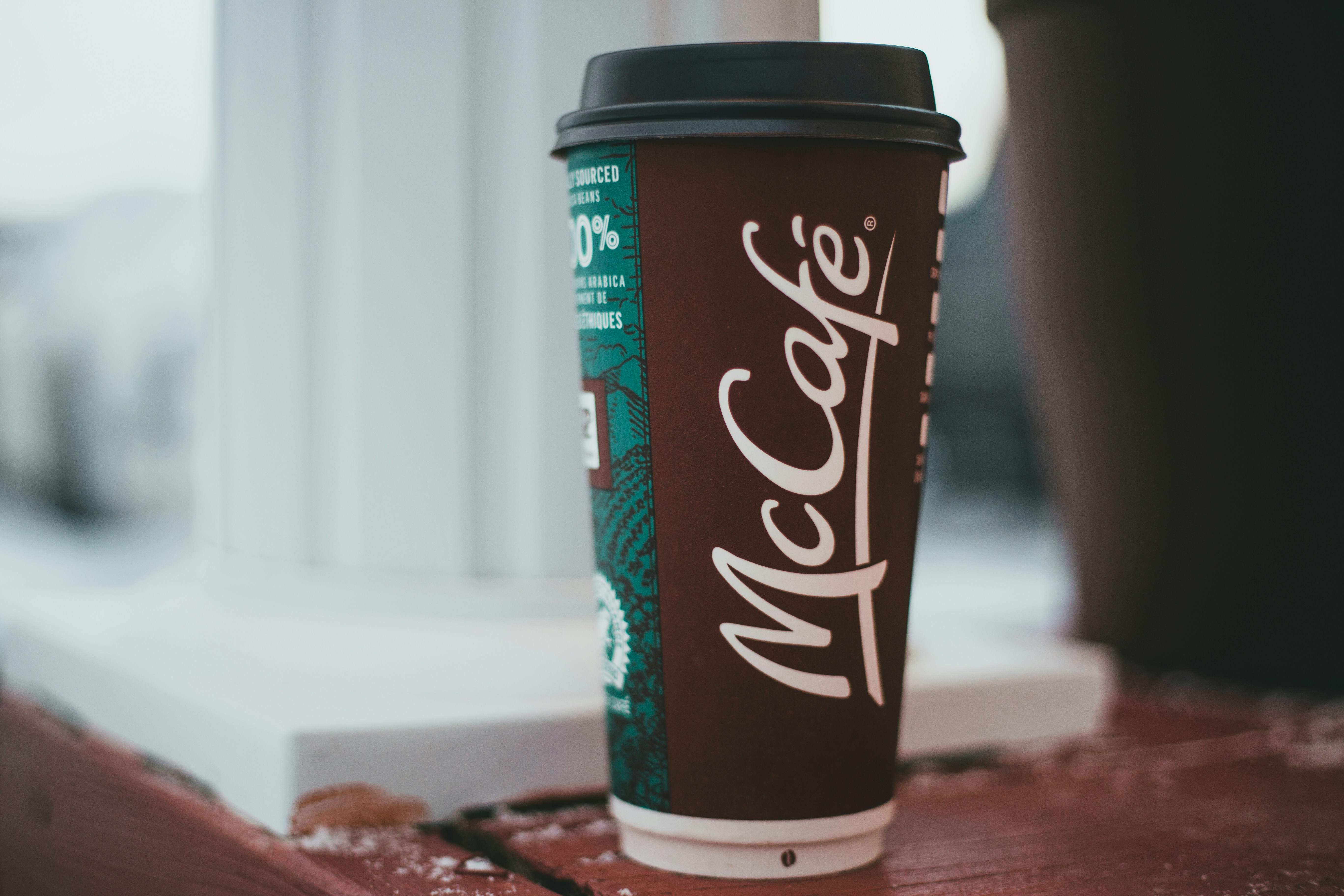
Photo by Erik Mclean on Unsplash
McDonald’s unveils six beverages across 14,000 restaurants on May 6, expanding McCafé with Refresher and crafted sodas and a new store-level beverage specialist role.
Apr 29, 2026
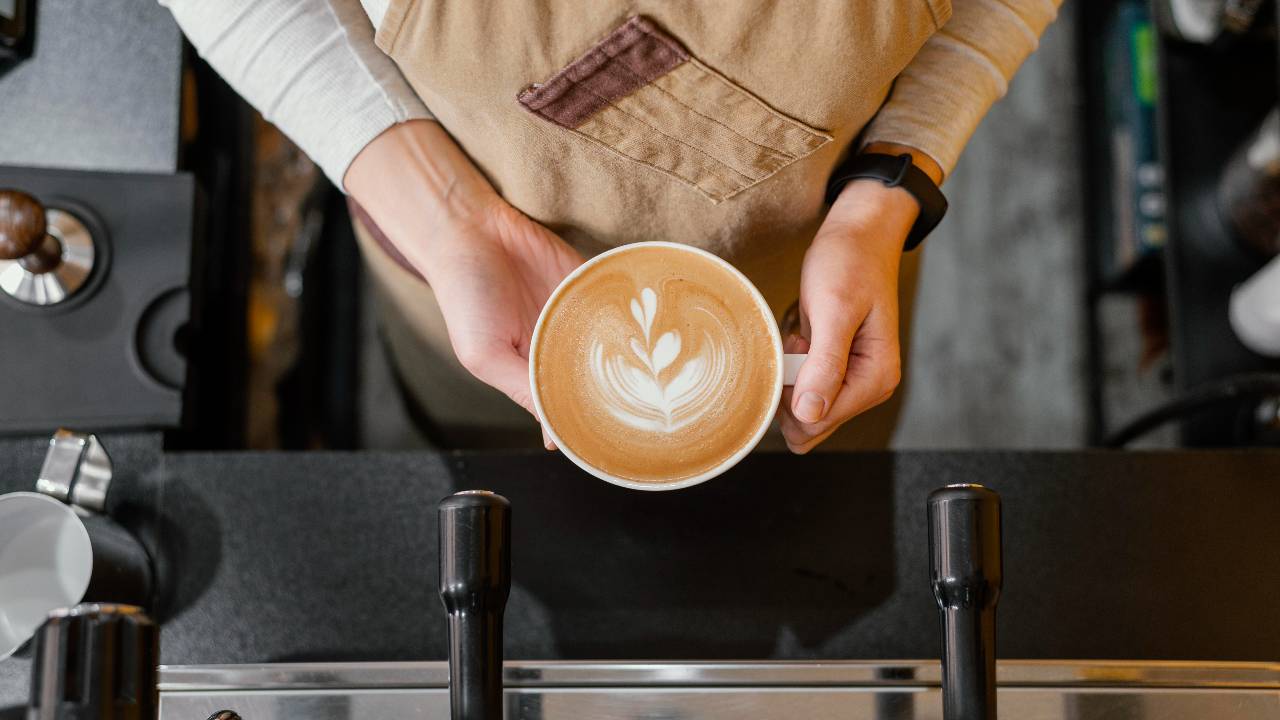
Learn how to write a coffee shop business plan that covers concept, location, menu, finances, branding, marketing, and risk planning.
Apr 27, 2026

Explore marketing strategies for food businesses using reviews, professional photos, SEO, social media, partnerships, events, and catering.
Apr 28, 2026
Demographic shifts push the Northeast dining map beyond New York, with Portland, Jersey City, and Philadelphia expanding the scene.
Photo by Perry Merrity II on Unsplash
New York City remains the culinary magnet, but the Northeast is quietly reconfiguring its map. The story isn't only about flash openings; it's about people moving, neighborhoods shifting, and operators recalibrating to reach new crowds. In the post-pandemic era, population trends show the region slipping a bit, while its culture and flavor profile stay strong. Even as New York City holds its dining prestige, the data points to a subtler shift: labor pools, commuting patterns, and local tastes are nudging entrepreneurs to look beyond the traditional core and explore fresh corners of the map: what's fueling the next wave?
Data from industry analyses show the Northeast posting net population losses after the pandemic, with New York City alone facing about a 1% population dip from 2022 to 2023. The Census also notes that none of the 15 fastest-growing cities in the U.S. are in the Northeast. Yet Maine stands out, posting growth from 2022 to 2023, and Portland keeps pulling food lovers. Smaller hubs like Jersey City (5.7% growth from 2010 to 2020) and Burlington, Vermont, signal a pivot toward markets that reward experimentation and local sourcing, hinting at a more distributed appetite than ever before.

From NYC’s bright lights to a broader mosaic, Rhode Island and Vermont contribute distinctive textures to the regional dining fabric. The small-state energy, coastal Rhode Island and Vermont’s rural-to-urban corridors add to a dining ecosystem built on hotel dining, community favorites, and ambitious concept testing. Observers describe a Northeast identity defined by a mix of proven brands and emergent concepts that can scale across markets, not just one capital city. The message is clear: growth is multi-centric, and while New York remains a premier stage, the next acts are found in Portland, Jersey City, and other evolving hubs.
Industry chatter underscores a soft expansion in the Northeast as operators pair marquee brands with regional flexibility. While NYC retains Michelin cache, Portland and Jersey City are cited as evidence that the region’s map is broadening. Reports describe a mix of established groups testing in smaller yet promising markets and expanding cross-market portfolios. Companies like Union Square Hospitality Group have signaled Boston growth alongside New York, and Starr Restaurants continues to grow its footprint—proof that a distributed strategy is taking hold across the Northeast.
Operators are not sitting idle while the map shifts. They’re actively diversifying locations, ownership structures, and partnerships to match shifting demographics. In Philadelphia, Vintage Syndicate has introduced a distinctive ownership model that spreads opportunity beyond a single city, signaling a pivot toward more flexible, multi-concept portfolios. In neighboring markets, Philadelphia remains an anchor for dining, while Boston’s market is increasingly treated as a linked growth corridor, reinforcing a regional web rather than isolated pockets.
Concrete signals include cross-market expansions and collaborative ventures: Union Square Hospitality Group announcing a Boston 2025 expansion deepens ties between marquee New York brands and the Seaport scene. Coverage by Eater Boston and The Boston Globe highlighted two forthcoming concepts tied to that momentum. At the same time, Starr Restaurants continues to grow its footprint, underscoring a broader Northeast strategy rather than a single-city push.
Voices from the field frame expansion as brand-fit and community demographics, not more seats alone. A leader quoted in The Boston Globe emphasized the importance of selecting brands for the local audience, a reminder that expansion must align with neighborhood character and consumer demand. Growth is not simply about density but about matching hospitality concepts with evolving tastes and incomes.
At the same time, Philadelphia’s and Boston’s ecosystems are watched for how the Michelin Guide’s Northeast expansion could accelerate recognition for regional teams. The emergence of new star programs in markets that were waiting signals evolving expectations among guests, talent, and investors about where culinary leadership now resides in the Northeast.
Michelin’s Northeast expansion in 2025 marked a formal shift in regional prestige. Boston earned its first Michelin-starred concept with 311 Omakase, and Philadelphia joined the arc as stars spread across the market. The coverage across outlets frames the moment as a milestone, magnifying how the region’s brands look for premium audiences and new visitors. Looking ahead, Michelin’s trajectory will continue to shape where high-end concepts feel possible, positioning Boston and Philadelphia alongside enduring hubs like New York City.
Beyond the Michelin spotlight, the story is broader: urban vitality, suburban testing, and coastal culinary economies are driving growth. Maine shows measured, positive momentum; Portland and Burlington attract visitors seeking new experiences; Jersey City continues to draw investment and talent. The Northeast’s map is expanding with cross-market collaborations that blend prestige with local relevance. As data evolves, operators will rely on credible information, transparent partnerships, and experiences that resonate with evolving communities.