
The Hidden Cost of Unpredictable Schedules on Employee Retention
Struggling with employee retention? Learn how unpredictable scheduling drives turnover and what you can do to create a more stable workforce.
operations
May 4, 2026
Struggling with employee retention? Learn how unpredictable scheduling drives turnover and what you can do to create a more stable workforce.
May 4, 2026
Photo by on Unsplash
GoTo Foods blends seven iconic brands to push snacking as a growth engine, expanding dayparts, off-premise channels, and co-branding.
May 3, 2026
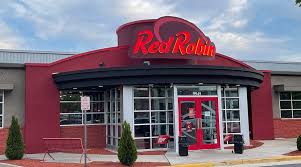
Mark Graff steps in as CFO to anchor Red Robin's First Choice turnaround with disciplined financial leadership.
May 3, 2026
Photo by Graphe Tween on Unsplash
Doinita Leahu redefines hospitality leadership with practical training, mentorship, and people-first systems guiding Vicious Biscuit’s growth.
May 3, 2026
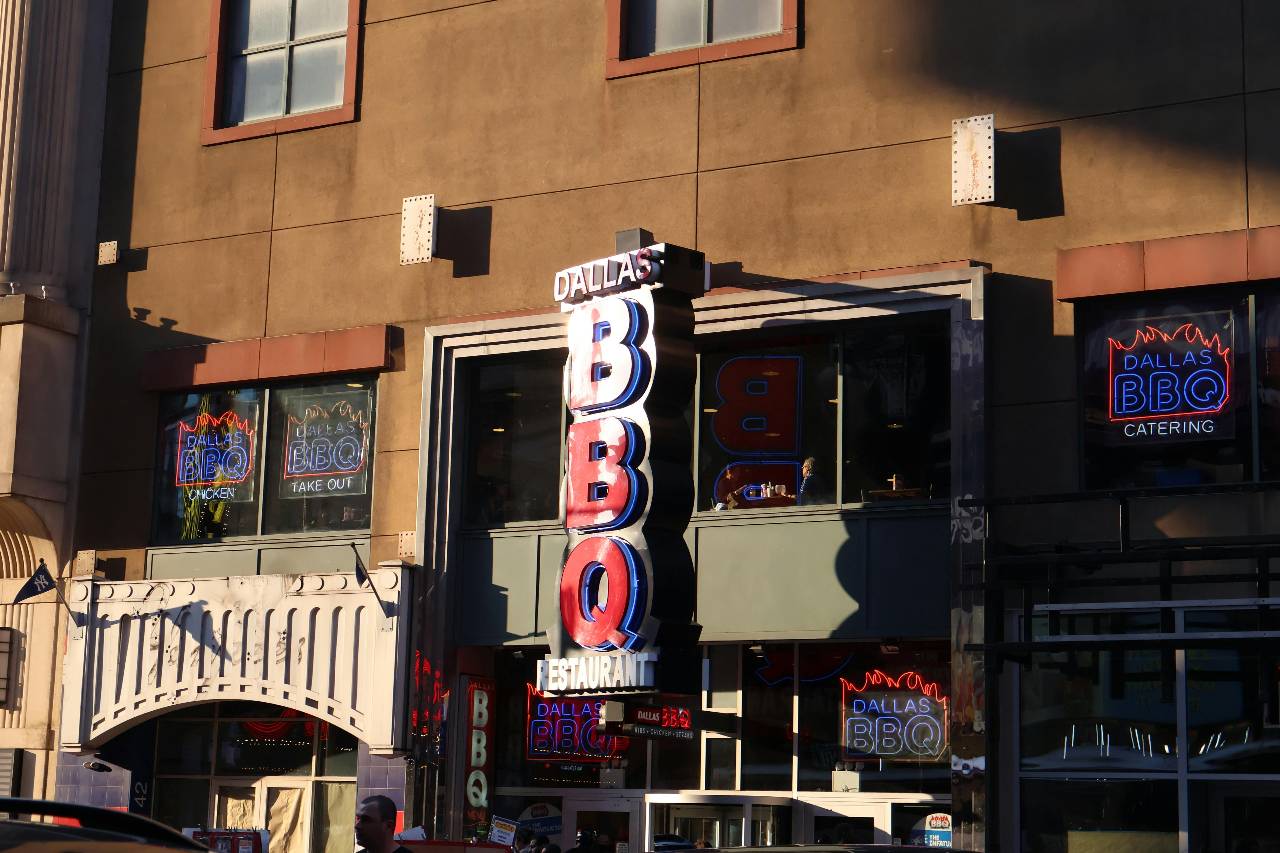
Explore high-traffic Texas markets where restaurants can succeed by matching concepts, customer behavior, visibility, and daily demand.
Apr 30, 2026
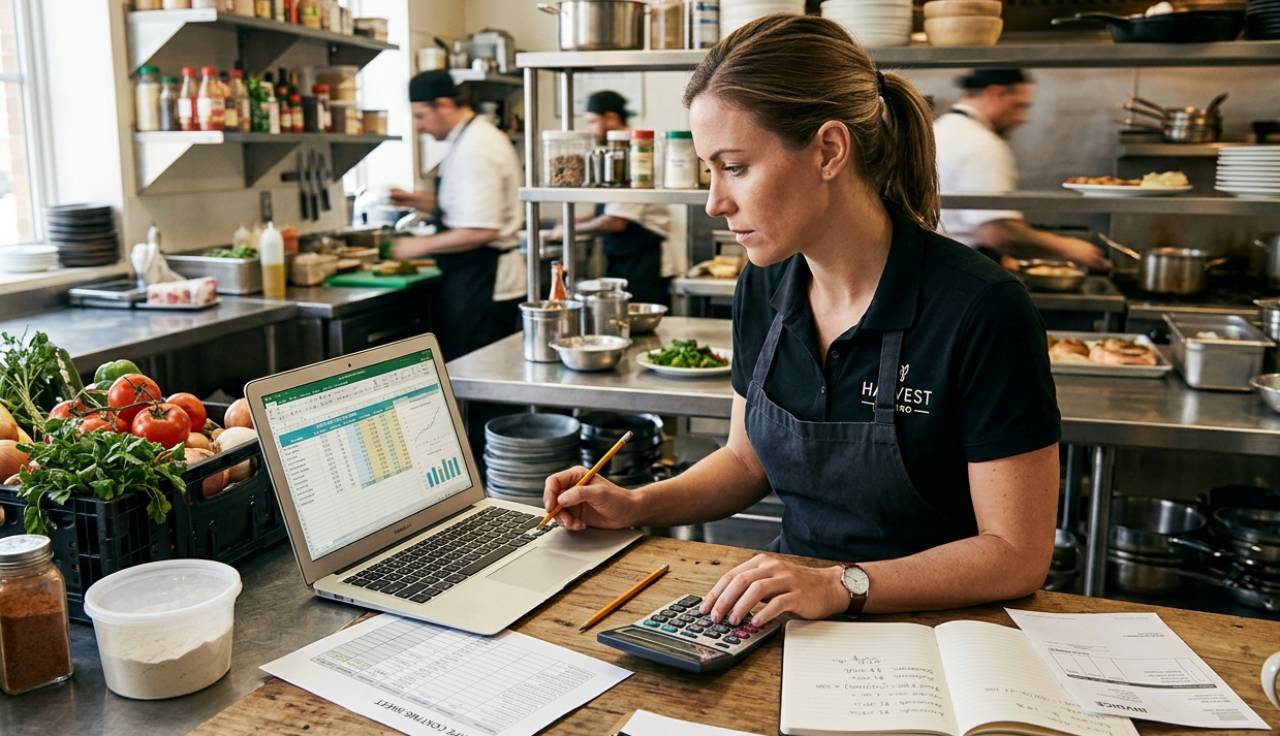
Learn how to calculate food cost, control margins, reduce waste, price menu items, and use technology to improve restaurant profit.
Apr 29, 2026

Photo by Unseen Histories on Unsplash
A look at how U.S. brands expand through multi-unit deals, cross-border partnerships, and seasoned operators in 2026.
Apr 29, 2026

Photo by Erik Mclean on Unsplash
McDonald’s unveils six beverages across 14,000 restaurants on May 6, expanding McCafé with Refresher and crafted sodas and a new store-level beverage specialist role.
Apr 29, 2026

Learn how to write a coffee shop business plan that covers concept, location, menu, finances, branding, marketing, and risk planning.
Apr 27, 2026

Explore marketing strategies for food businesses using reviews, professional photos, SEO, social media, partnerships, events, and catering.
Apr 28, 2026
A wave of Chapter 11 cases—EYM Pizza L.P., One Table, and Red Lobster—redefines vendor ties, franchising terms, and competition in mid-market casual dining.
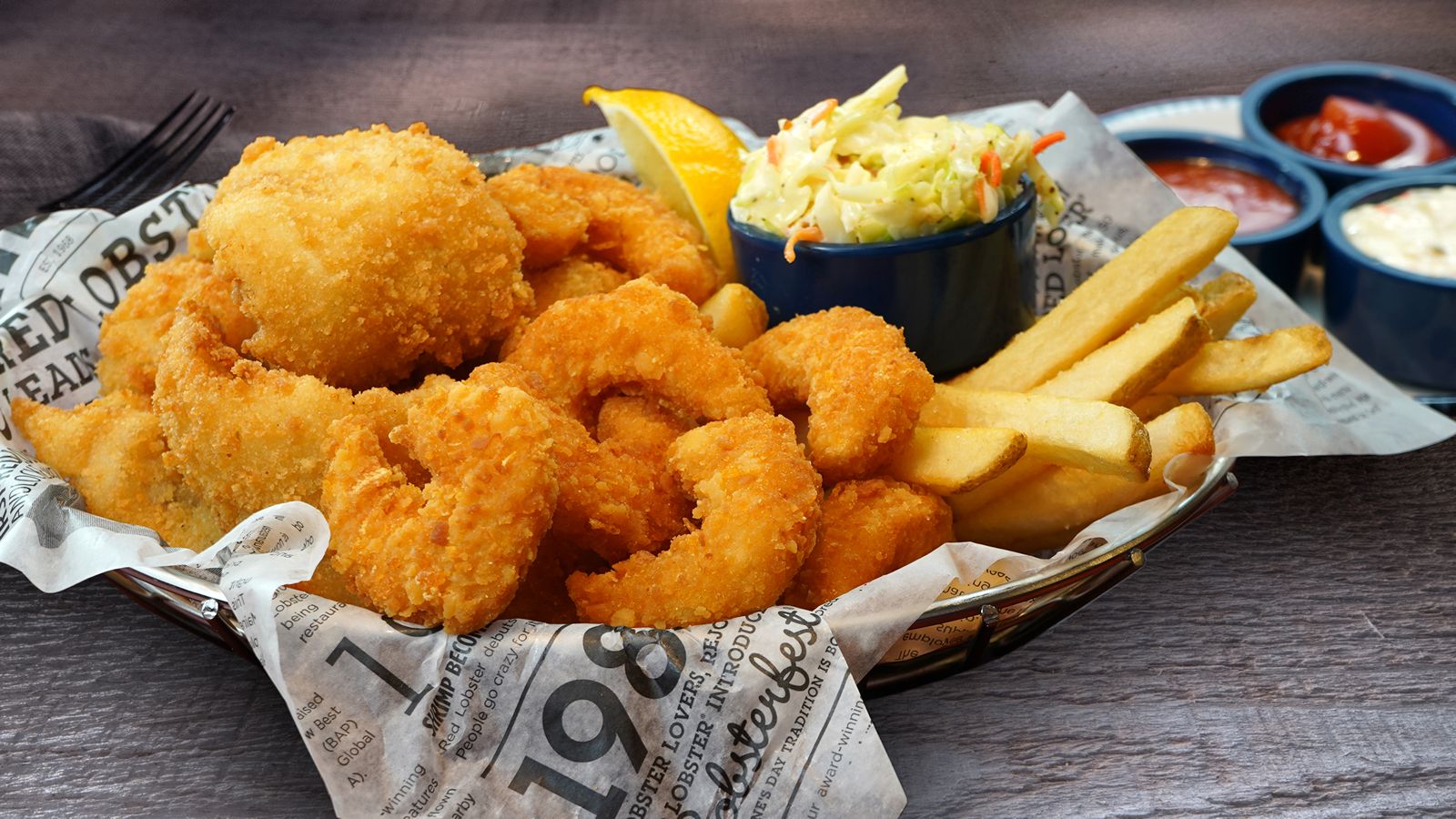
On a quiet morning, the dining room of the industry feels lit, listening for the next note in a familiar tune. A wave sits at the threshold of a table: EYM Pizza L.P., the Pizza Hut franchisee, has filed for Chapter 11 in the Eastern District of Texas, pulling Wisconsin and Indiana affiliates into its orbit. The mood is less panic than a gentle rearrangement of chairs and menus, a reminder that change can invite resilience. Across the coast, One Table Restaurant Brands LLC—the Los Angeles–based parent of Tender Greens and Tocaya Modern Mexican—has also stepped into Chapter 11. These names are more than labels; they’re places where guests gather, and where a season’s shift begins to shape tomorrow’s table:
These shifts aren’t merely numbers; they’re meals being rewritten. Debts, plans, and vendor terms will set the table for what the brands become, not merely what they were. The quiet conversations in board rooms may decide which doors stay open and which doors open anew.
From the filings, the debt reads like a map. Manufacturers Bank is owed more than $21 million by EYM Pizza L.P., while the company carries a franchise royalty claim from Pizza Hut itself totaling just under $2.25 million. In contrast, One Table Restaurant Brands LLC carries a debt load broadly cited at $10 million to $50 million against assets under $50,000, a pairing that invites liquidation or restructuring as a path to value. On the horizon, Red Lobster has been navigating its own restructuring since May, with Fortress Investment Group and its affiliate among principal creditors and potential acquirers in the wings. The stories are different in tone, yet they share the same kitchen: the art of reorganization with a careful palate for timing and relationships.
These shifts aren’t merely numbers; they’re meals being rewritten. Debts, plans, and vendor terms will set the table for what the brands become, not merely what they were. The quiet conversations in board rooms may decide which doors stay open and which doors open anew.
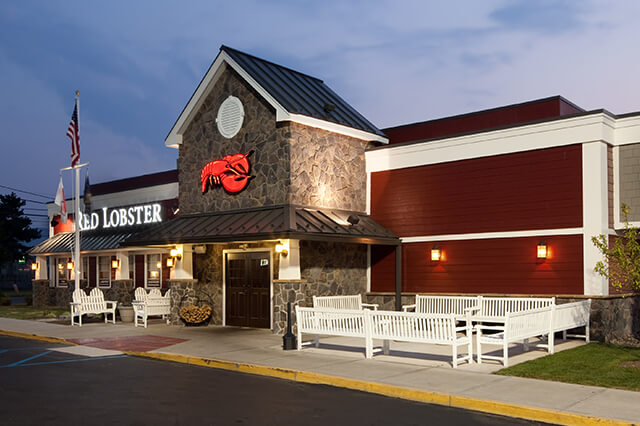
The landscape is a study in contrasts: California‑heavy footprints for Tender Greens and Tocaya bring regional resilience concerns, while the very idea of a 363 sale hints at how lenders want to reclaim value through disciplined asset dispositions. The context remains crowded by post‑pandemic margin pressure, rising labor costs, and ongoing supply‑chain volatility, all shaping what a recovery could look like for mid‑sized concepts.
Analysts emphasize that One Table’s path may hinge on a court‑supervised sale that preserves brand value while enabling liquidation or reconstruction. Industry reports note that a Breakwater Management affiliate emerged as a potential buyer through a 363‑sale framework, a sign of lenders aiming to recapture value through strategic asset dispositions. The backdrop remains steep: post‑pandemic margin pressure, higher labor costs, and ongoing supply‑chain volatility; together, these pressures frame how a mid‑sized operator can reemerge or reconfigure for a different market.