
The Hidden Cost of Unpredictable Schedules on Employee Retention
Struggling with employee retention? Learn how unpredictable scheduling drives turnover and what you can do to create a more stable workforce.
operations
May 4, 2026
Struggling with employee retention? Learn how unpredictable scheduling drives turnover and what you can do to create a more stable workforce.
May 4, 2026
Photo by on Unsplash
GoTo Foods blends seven iconic brands to push snacking as a growth engine, expanding dayparts, off-premise channels, and co-branding.
May 3, 2026
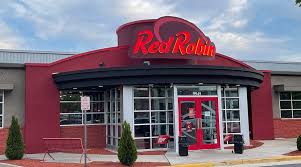
Mark Graff steps in as CFO to anchor Red Robin's First Choice turnaround with disciplined financial leadership.
May 3, 2026
Photo by Graphe Tween on Unsplash
Doinita Leahu redefines hospitality leadership with practical training, mentorship, and people-first systems guiding Vicious Biscuit’s growth.
May 3, 2026
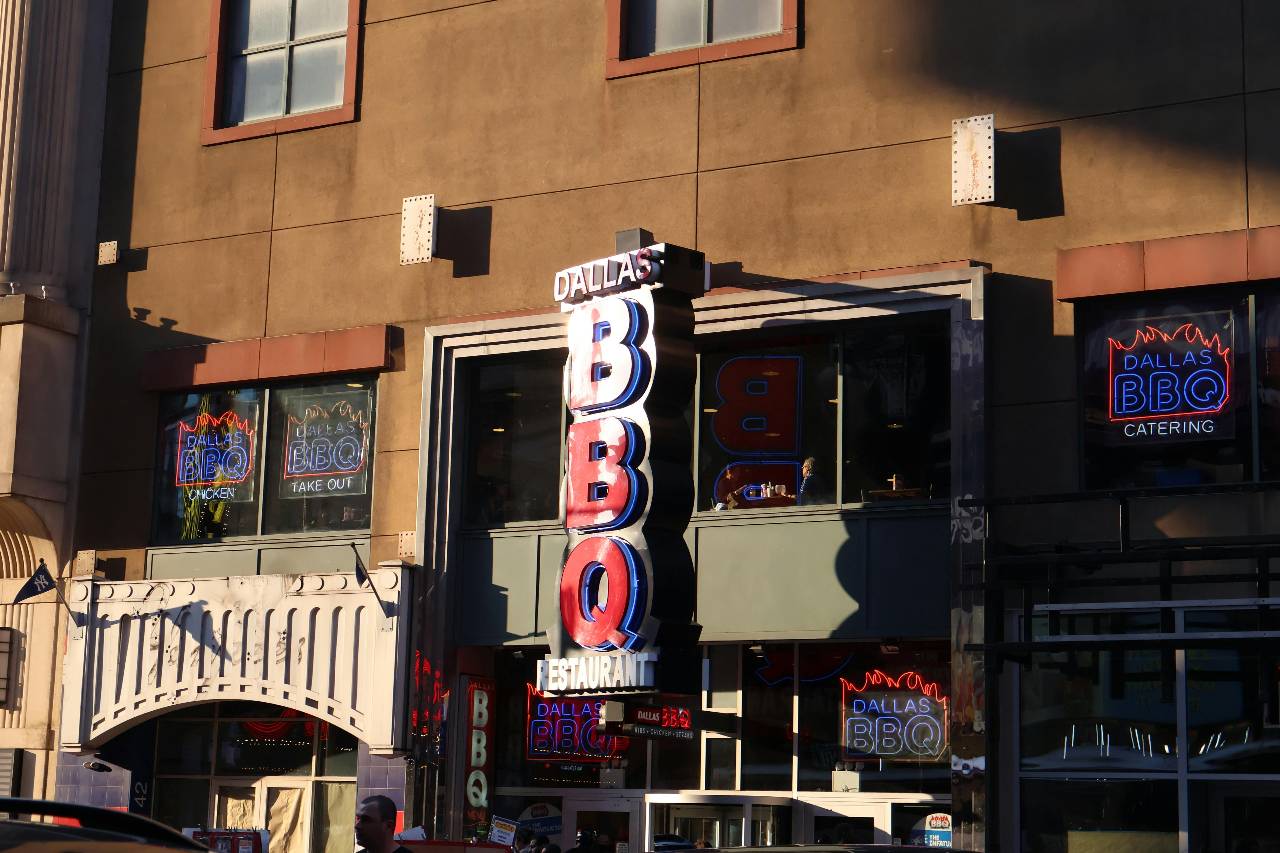
Explore high-traffic Texas markets where restaurants can succeed by matching concepts, customer behavior, visibility, and daily demand.
Apr 30, 2026
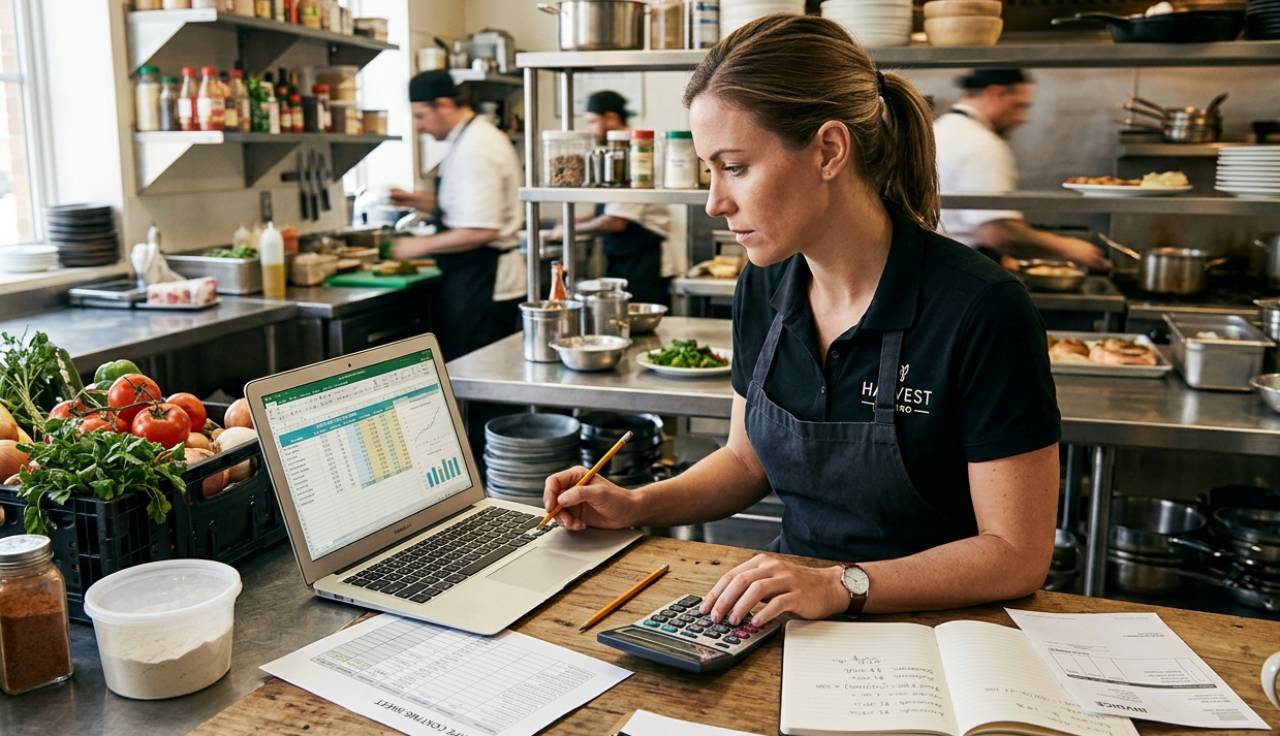
Learn how to calculate food cost, control margins, reduce waste, price menu items, and use technology to improve restaurant profit.
Apr 29, 2026

Photo by Unseen Histories on Unsplash
A look at how U.S. brands expand through multi-unit deals, cross-border partnerships, and seasoned operators in 2026.
Apr 29, 2026
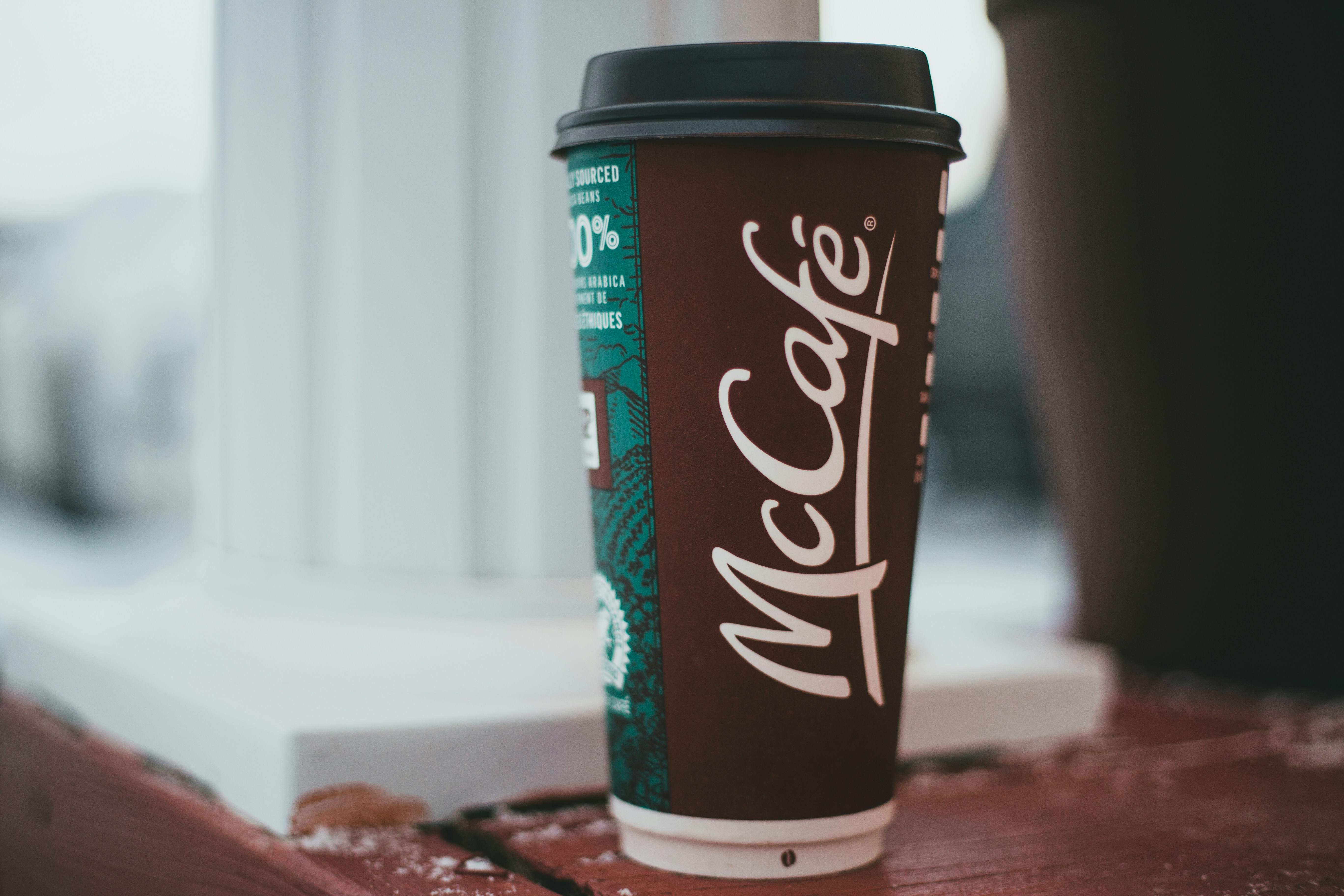
Photo by Erik Mclean on Unsplash
McDonald’s unveils six beverages across 14,000 restaurants on May 6, expanding McCafé with Refresher and crafted sodas and a new store-level beverage specialist role.
Apr 29, 2026
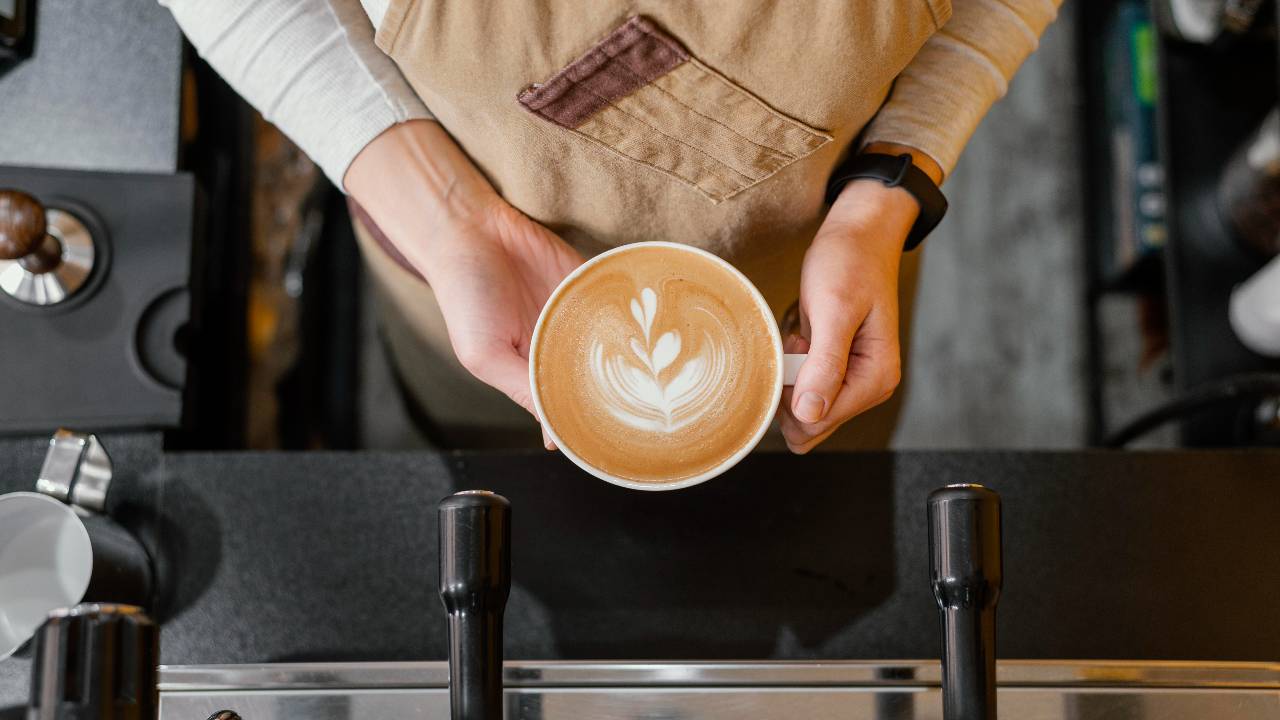
Learn how to write a coffee shop business plan that covers concept, location, menu, finances, branding, marketing, and risk planning.
Apr 27, 2026
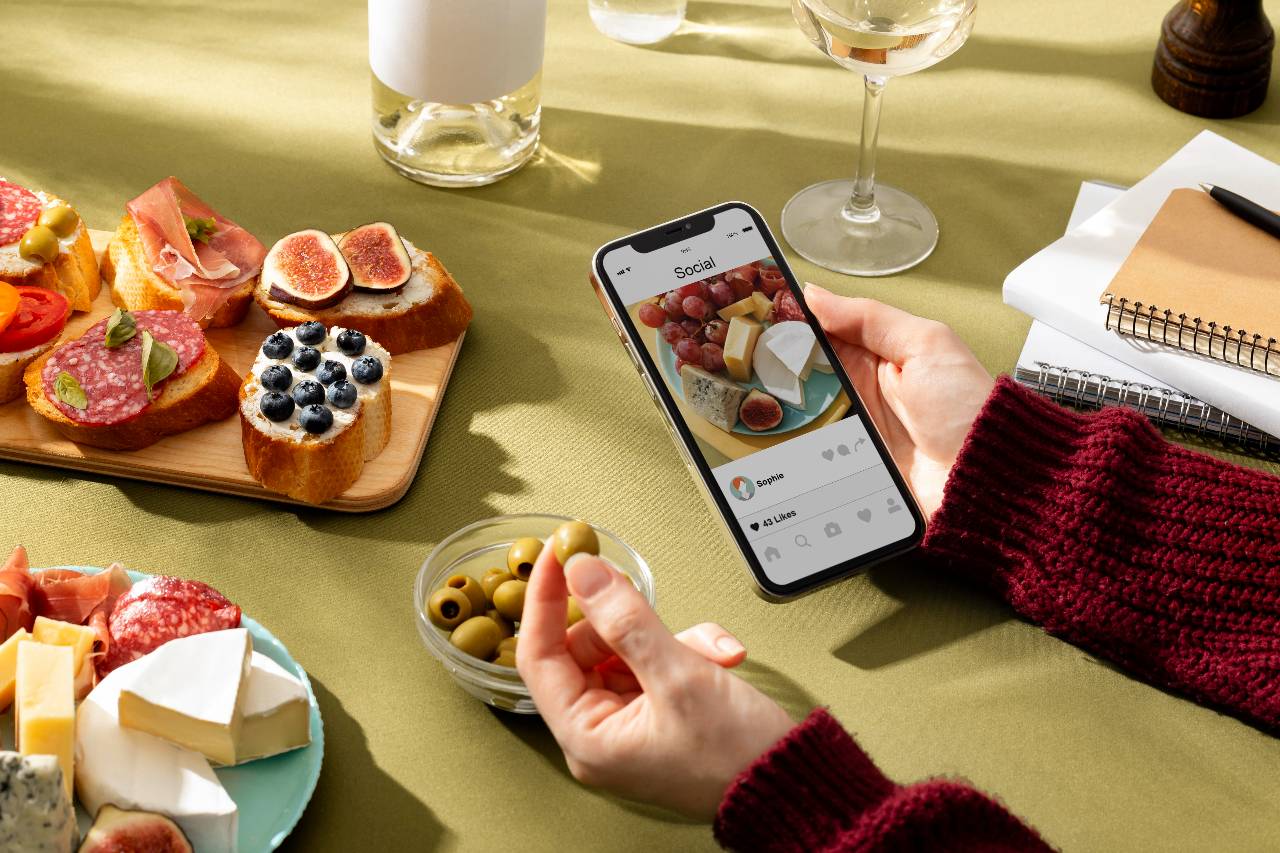
Explore marketing strategies for food businesses using reviews, professional photos, SEO, social media, partnerships, events, and catering.
Apr 28, 2026
Chick-fil-A tests a four-lane elevated drive-thru in McDonough, pairing speed with hospitality and app-enabled convenience.
Photo by Hybrid Storytellers on Unsplash
On the southern fringe of metro Atlanta, near Interstate 75, Chick-fil-A unveils a provocative experiment in speed and service—a four drive-thru lanes concept with an elevated kitchen and a meal transport system designed to move meals from kitchen to team members below. The mood is understated theater: no traditional dining room, yet hospitality persists at the pickup point. Lanes are clearly segmented for standard customers, for those who order ahead via the Chick-fil-A app, and for delivery drivers. The architecture speaks of purpose: elevation is not whimsy but choreography, a promise to accelerate without dulling the brand’s warmth. The question that animates the week is simple: can this elevation preserve Chick-fil-A’s human touch while moving more meals?
Two standard lanes remain for traditional guests, while two additional lanes handle app-ordered and delivered orders. The kitchen, described as twice the size of a typical Chick-fil-A facility, feeds a dedicated meal transport system that aims to deliver a finished plate to a team member every six seconds. There is no dining room, but hospitality is preserved through friendly exchanges at pickup and precise wayfinding through clearly separated lanes. The restaurant marks the first elevated-drive-thru in the chain’s history and one of two prototypes launched that year to reimagine high-demand locations.
As a debut, the site invites close attention: can cadence hold under peak loads, and can guests still feel the Chick-fil-A warmth amid a stage-set of steel and glass?
Background and motivation for the elevated design center on surging demand and the need to boost throughput during peak hours. Chick-fil-A describes this elevated concept as the second of two innovative test ideas launched that year, following the Mobile Pickup concept unveiled in New York City in March. The aim is to streamline the drive-thru experience for on-the-go guests without compromising hospitality. The four-lane arrangement is designed to accommodate more vehicles and to preserve separate channels for mobile app ordering and for guests who prefer traditional service. In short, the strategy reflects a shift toward multi-lane throughput and digital convenience as consumer habits increasingly favor speed, accuracy, and contactless options, while maintaining Chick-fil-A’s hospitality.
Operationally, the four lanes are conceived to deliver faster service while preserving Chick-fil-A’s distinctive service culture. The design pairs a high-throughput backbone with personal touches at pickup, and assigns dedicated touchpoints to each lane to minimize cross-traffic and confusion.
This test signals a broader pivot: the brand leans into technology-enabled speed while keeping the human touch. It remains to be seen how the balance translates to guest perception and operational reality when volumes surge.
At the Jodeco Road site, the elevated kitchen feeds meals down to ground-level team members via a dedicated meal transport system. Four drive-thru lanes form the stage: two standard lanes for traditional customers and two app-based lanes for mobile orders and delivery drivers. Management has designed a precise workflow intended to keep food moving from kitchen to pickup points with minimal delay. The kitchen is described as twice the size of a typical Chick-fil-A kitchen, built to handle higher volumes while the rest of the operation mirrors the chain’s drive-thru–first model.
The rest of the operation preserves hospitality in spirit: staff greet guests at pickup, and guests are guided through clearly separated lanes with dedicated touchpoints. The concept emphasizes speed without sacrificing Chick-fil-A’s distinctive service culture, balancing efficiency with warmth in a loop designed for a high-demand setting.
The test’s cadence—paired with a concerted logistics plan—invites scrutiny: can the system sustain a rapid pace while preserving the brand’s warmth at scale?
Executive leadership framed the elevated approach as a response to busy lives. On the record, Jonathan Reed, Executive Director of Design for Chick-fil-A, Inc., explained that “Our Guests lead busy lives, and we’re focused on designing our restaurants to best serve their needs.” He added that with the new Elevated Drive-Thru design—featuring our first four-lane configuration—we aim to deliver “quality food and genuine hospitality in a way that’s uniquely Chick-fil-A, and gives our Guests time back in their day.” These remarks illuminate a design philosophy that refuses speed at the expense of people.
Local leadership carries a different note of connection. Brett Lewis, the local Owner-Operator, described his personal commitment: “I’ve been fortunate to work with Chick-fil-A for a long time.” His sentiment underscores the long horizon of these experiments and the implications for local staff and communities.
This blend—global design guidelines seasoned with local stewardship—frames the project as more than a test of hardware: it is a test of culture.
Industry observers describe the elevated-drive-thru as part of a broader evolution in quick-service design: multi-lane throughput, app-integrated ordering, and even two-story back-of-house layouts. Coverage from A Axios notes the McDonough store’s four lanes, an upstairs kitchen, and a meal-delivery conveyor that can deliver a meal every six seconds. The store’s distance from downtown Atlanta situates it as a response to congestion and traffic patterns. Analysts view this concept as a proving ground for speed, last-mile logistics, and capacity planning that could influence future store formats and capital allocations across brands.
Industry context now meets practical gaps and uncertain futures. The prototype is described as one of two concepts introduced in 2024—the NYC Mobile Pickup being the other—and no long-term deployment data were released at opening. Real-world metrics, guest satisfaction, and unit economics will determine whether the elevated-drive-thru becomes a broader model or remains an experimental flourish.
What remains is a shared question among investors, operators, and guests: if the numbers add up, will these elevated back-of-house architectures stand as a blueprint for the fast-food landscape, or will they prove a charming detour in Chick-fil-A’s ongoing pursuit of service excellence?