
The Hidden Cost of Unpredictable Schedules on Employee Retention
Struggling with employee retention? Learn how unpredictable scheduling drives turnover and what you can do to create a more stable workforce.
operations
May 4, 2026
Struggling with employee retention? Learn how unpredictable scheduling drives turnover and what you can do to create a more stable workforce.
May 4, 2026
Photo by on Unsplash
GoTo Foods blends seven iconic brands to push snacking as a growth engine, expanding dayparts, off-premise channels, and co-branding.
May 3, 2026
Mark Graff steps in as CFO to anchor Red Robin's First Choice turnaround with disciplined financial leadership.
May 3, 2026
Photo by Graphe Tween on Unsplash
Doinita Leahu redefines hospitality leadership with practical training, mentorship, and people-first systems guiding Vicious Biscuit’s growth.
May 3, 2026
Explore high-traffic Texas markets where restaurants can succeed by matching concepts, customer behavior, visibility, and daily demand.
Apr 30, 2026
Learn how to calculate food cost, control margins, reduce waste, price menu items, and use technology to improve restaurant profit.
Apr 29, 2026
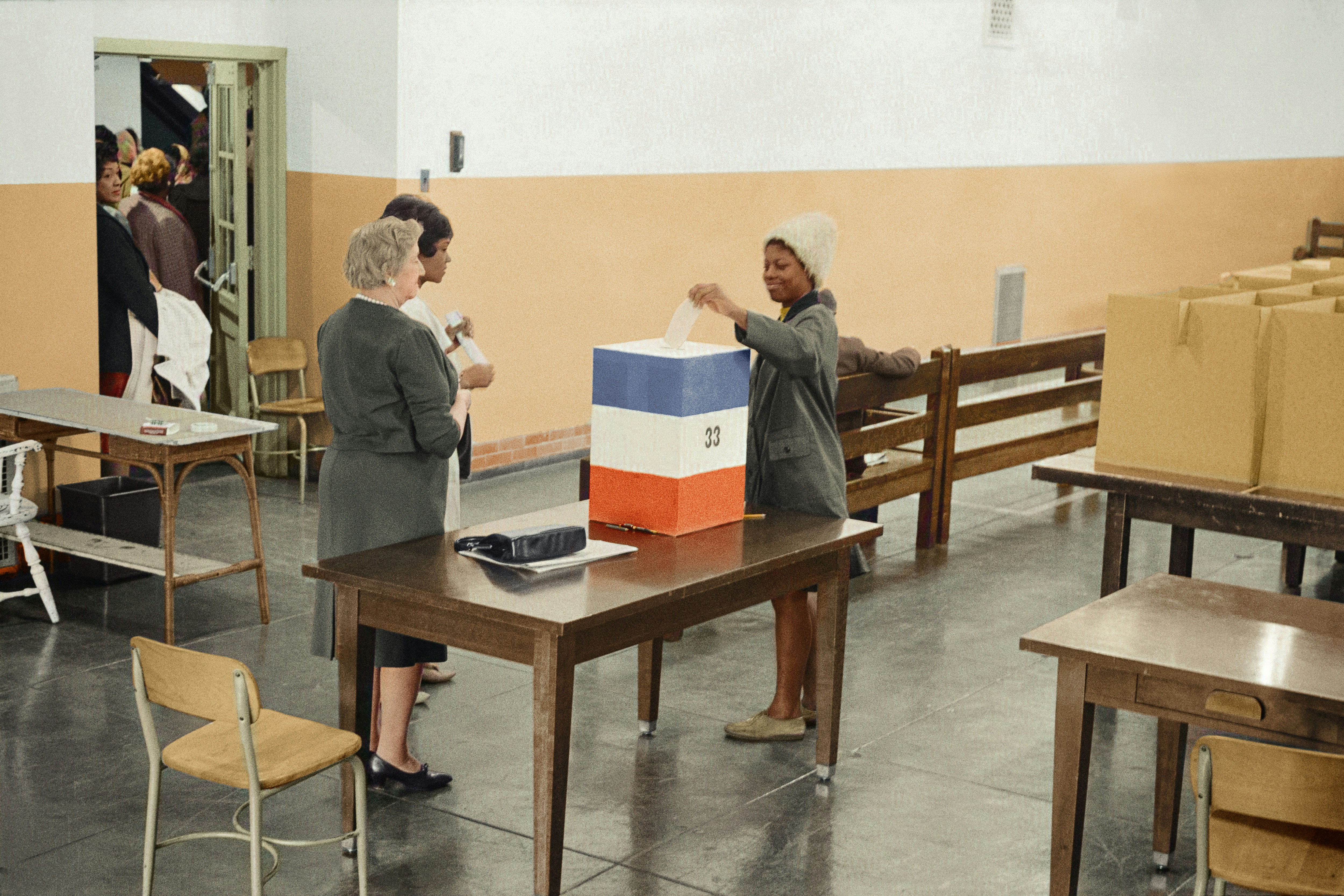
Photo by Unseen Histories on Unsplash
A look at how U.S. brands expand through multi-unit deals, cross-border partnerships, and seasoned operators in 2026.
Apr 29, 2026

Photo by Erik Mclean on Unsplash
McDonald’s unveils six beverages across 14,000 restaurants on May 6, expanding McCafé with Refresher and crafted sodas and a new store-level beverage specialist role.
Apr 29, 2026

Learn how to write a coffee shop business plan that covers concept, location, menu, finances, branding, marketing, and risk planning.
Apr 27, 2026

Explore marketing strategies for food businesses using reviews, professional photos, SEO, social media, partnerships, events, and catering.
Apr 28, 2026
A feature on cyberbullying in hospitality, its roots, legal gaps, and a prevention playbook for operators.
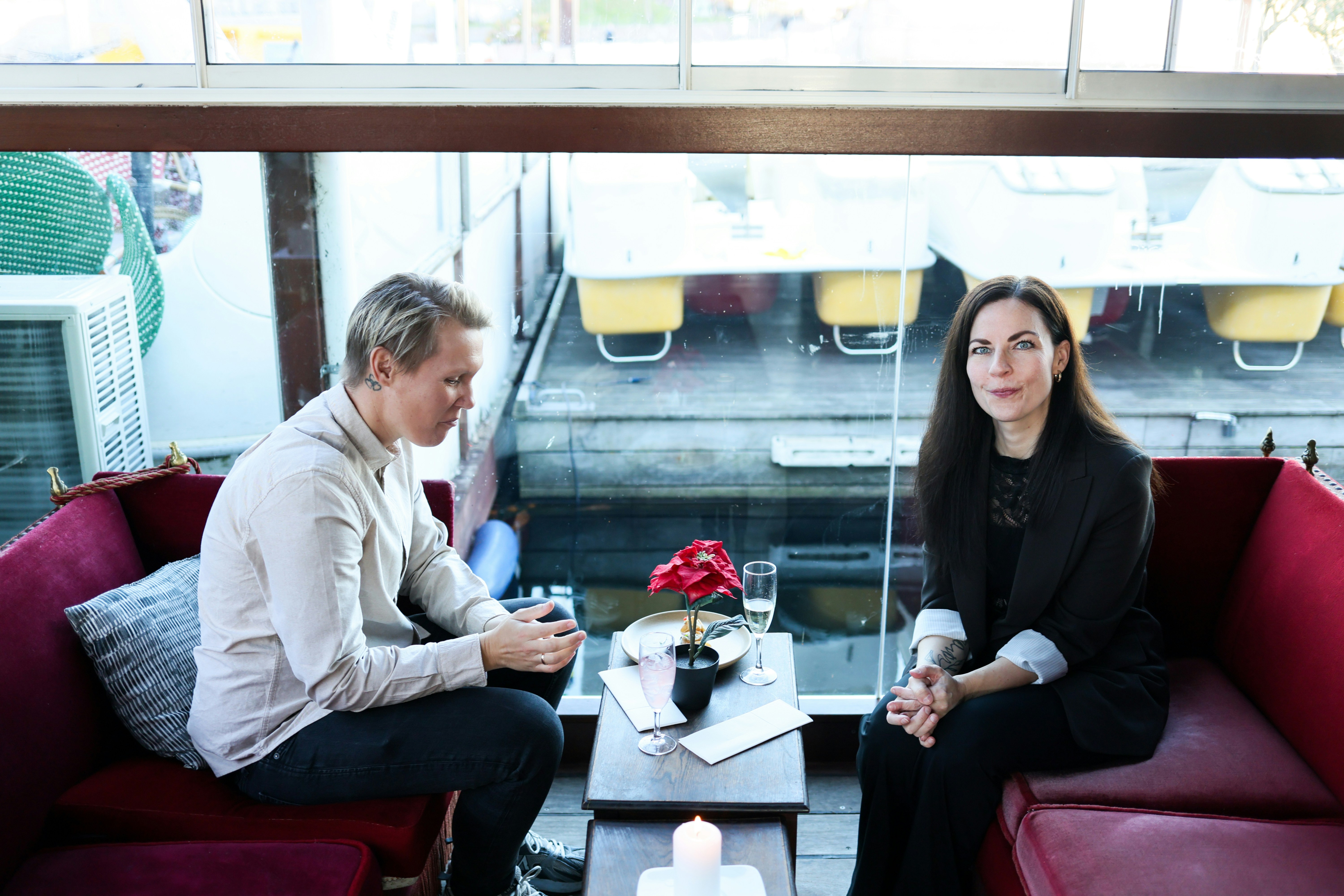
Photo by Filip Rankovic Grobgaard on Unsplash
In the soft glow of a late shift, the café’s warm lights feel like a harbor after the rush. Yet beyond the dining room’s tempo, a quieter storm travels through cables and screens. Cyberbullying slips into staff chat, DMs, and group emails, stitching itself to the hours after service. It follows people home, turning quick feedback into lingering fear. This isn’t a rumor or a headline; it’s a pattern threaded through the discipline and pace of hospitality. The problem isn’t only what happens on the floor—it’s how the digital layer reshapes trust, morale, and the sense of safety that keeps guests feeling at ease. It’s a quiet crisis waiting for a compassionate response.
“Harassment continues to remain a persistent problem, particularly in the restaurant industry.” said the EEOC. The phenomenon isn’t limited to a single moment on a floor; it lingers in inboxes, messages, and timelines. Cyberbullying adds a digital layer to the already intense pressures of service, turning feedback into ongoing stress. When the tempo turns manic, the line between professional critique and abuse can blur, eroding morale, skill development, and the sense of safety that keeps customers feeling at home. This is not only about individuals—it shapes the tone of the entire dining room.
So what follows is a closer look at how this digital cruelty takes root—and why it demands careful, compassionate leadership. The next section travels to the kitchen itself, where structure and speed create fertile ground for harm, and where the right guardrails can alter the atmosphere. It’s not dramatic theater; it’s real life threading through every service, and it asks leaders to listen, yes, but also to act when the first whispers arrive.
Root causes in the kitchen reveal a delicate, almost iron‑edged balance. The environment blends hierarchical leadership with high stress and close collaboration across departments. Executive chefs and sous chefs must coordinate under tight deadlines, while front‑of‑house and back‑of‑house teams push toward a common service. That pressure can tilt dynamics toward intimidation or harassment, especially when time is scarce. Some dynamics may be dramatized on screen, but the risk is real: managers, peers, and even guests can contribute to a climate where mistreatment can fester. When customers add friction, staff shoulder a double burden—managing guest expectations while protecting their own well‑being. Digital channels become a natural extension for ongoing mistreatment, allowing interactions to persist beyond the shift and across platforms. The result is a pattern that travels through teams and into the dining experience.
What makes these dynamics so persistent is the blend of structure, speed, and mixed motives. The same arrangement that makes service efficient can create openings for harm, especially when digital channels let a moment escalate into a longer, quieter chorus. Hospitality’s paradox is that teamwork enables great dining but can become the conduit for harm when empathy loosens under pressure.
That’s the doorway to the next layer—how cyberbullying manifests in daily life, not just in dramatic moments on a show, but in the hours, messages, and timelines that never truly end.
How cyberbullying shows up daily in hospitality: persistent communications arrive after work hours, through text messages, emails, or social media. It can take the form of aggressive messages, veiled threats, shaming, or social exclusion within team networks and public channels alike. The problem isn’t limited to direct, overt harassment; it also encompasses sustained reputational aggression and subtle undermining that erodes confidence and opportunities for advancement. The digital layer compounds the in‑person pressures of restaurant life, making it harder to separate normal feedback from abusive behavior. Guidance from government and industry bodies emphasizes that bullying can intersect with legally protected characteristics, adding legal complexity for employers who must balance safety with compliance.
That blend of online and on-floor pressure reshapes how teams talk, respond, and acknowledge mistakes. When a moment of criticism turns digital, it can ripple through relationships, influencing promotions, schedule fairness, and the overall mood of service. The challenge for operators is not only identifying incidents but also drawing a clear line between constructive feedback and abusive behavior, especially as laws and guidelines begin to diverge across states and regions.
So the daily reality is that digital mistreatment becomes a persistent undercurrent—one that can affect morale, learning, and guest experience in ways that aren’t always visible at the pass.

Voices from the front lines matter, and they echo a wider truth. The Harassment continues to remain a persistent problem, particularly in the restaurant industry framing from the EEOC is more than a sound bite—it’s a reflection of a long‑standing dynamic that affects daily life in kitchens and dining rooms. The tone sent by leadership, peers, and guests seeps into every shift, shaping how workers feel seen, valued, and safe.
Numbers tell the story in a way that’s hard to ignore. The Workplace Bullying Institute data for 2024 show that 32.3% of adult Americans experienced direct bullying, with 52.2 million workers directly bullied and a total of 74.8 million affected when including witnesses. And the majority of cases—about 75%—came from a single perpetrator, highlighting how often the problem centers on a single source. The enduring “bully boss” pattern persists, even as numbers shift with time, and targets frequently leave their jobs while perpetrators face comparatively fewer consequences. It’s a window into accountability that isn’t yet fully open.
The bottom line is that these patterns are not incidental. They shape retention, morale, and even guest experience. When workers feel unprotected, service becomes fragile, and the potential for a negative reputation grows. The data don’t just tell a story—they illuminate the costs of inaction, both for people and for the brand.
Prevention starts with culture—a clear, zero‑tolerance stance that applies to every employee, from the executive kitchen to the busser on the floor. Build safe, confidential reporting channels and enforce them with consistent practice. The policy should distinguish between legitimate feedback and abusive conduct, avoid over‑pathologizing normal performance conversations, and provide a clear escalation path for concerns. Training is essential: managers and staff alike need proactive instruction on recognizing harassment, maintaining professional boundaries, and supporting colleagues who report incidents. Employers should consult with legal counsel to ensure compliance with evolving standards and to tailor policies to their jurisdictions. Guidance from governmental and professional bodies emphasizes prevention as the primary tool, with a focus on training, policy development, and leadership accountability.
Practical steps for operators include formalizing a zero‑tolerance policy, offering confidential reporting channels, and ensuring leaders model respectful behavior. The plan should clearly separate feedback from abuse, provide an escalation path, and include regular training for both managers and staff. State and national standards alignment, with SHRM reminding us that the cost of incivility extends beyond the moment, becomes a signal about culture, safety, and care. Prevention grows stronger when it’s anchored in data, training, and accountable leadership.
Looking ahead the global context hints at a shared responsibility. The European Union frames harassment as a health and safety issue, urging risk assessment and protections across sectors. In the United States, the path is more fragmented, yet momentum toward anti‑bullying laws at the state level continues. For operators, the takeaway is clear: lead on prevention, invest in training, and embed a culture that makes safety, dignity, and hospitality feel like the same warm light around a bustling table.