
The Hidden Cost of Unpredictable Schedules on Employee Retention
Struggling with employee retention? Learn how unpredictable scheduling drives turnover and what you can do to create a more stable workforce.
operations
May 4, 2026
Struggling with employee retention? Learn how unpredictable scheduling drives turnover and what you can do to create a more stable workforce.
May 4, 2026
Photo by on Unsplash
GoTo Foods blends seven iconic brands to push snacking as a growth engine, expanding dayparts, off-premise channels, and co-branding.
May 3, 2026
Mark Graff steps in as CFO to anchor Red Robin's First Choice turnaround with disciplined financial leadership.
May 3, 2026
Photo by Graphe Tween on Unsplash
Doinita Leahu redefines hospitality leadership with practical training, mentorship, and people-first systems guiding Vicious Biscuit’s growth.
May 3, 2026
Explore high-traffic Texas markets where restaurants can succeed by matching concepts, customer behavior, visibility, and daily demand.
Apr 30, 2026
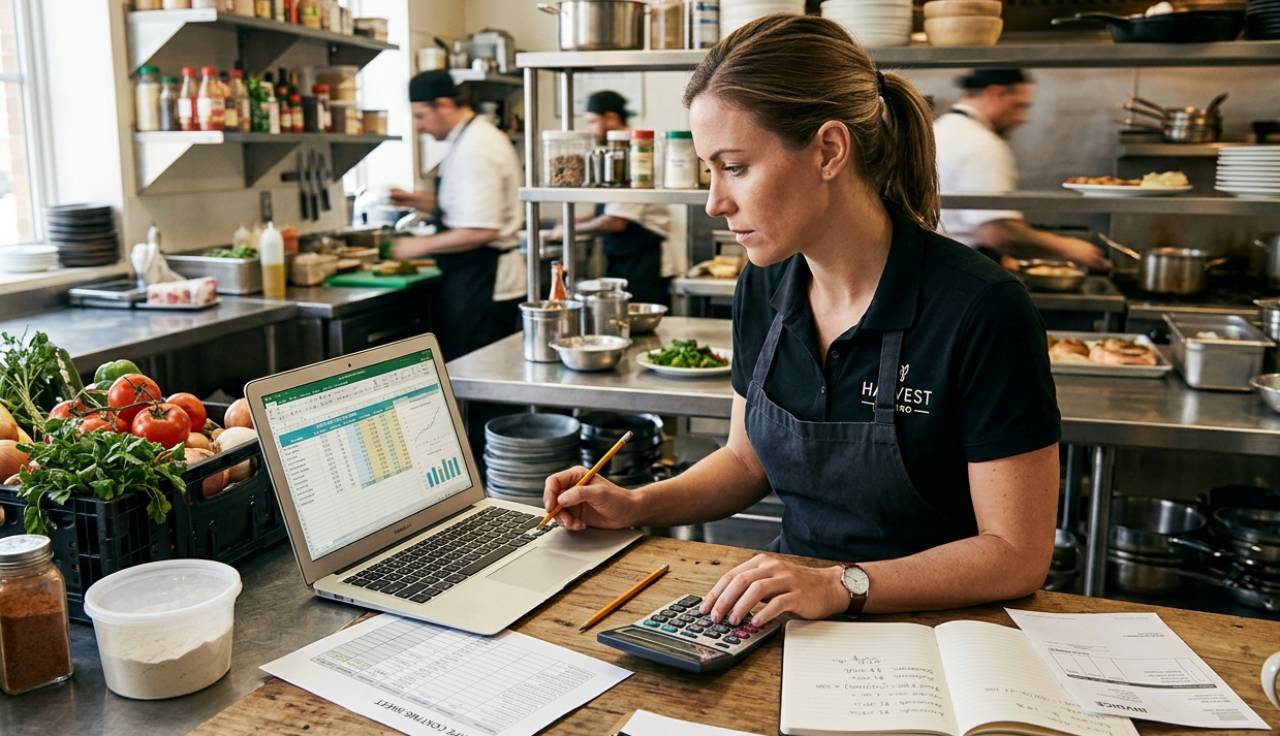
Learn how to calculate food cost, control margins, reduce waste, price menu items, and use technology to improve restaurant profit.
Apr 29, 2026

Photo by Unseen Histories on Unsplash
A look at how U.S. brands expand through multi-unit deals, cross-border partnerships, and seasoned operators in 2026.
Apr 29, 2026

Photo by Erik Mclean on Unsplash
McDonald’s unveils six beverages across 14,000 restaurants on May 6, expanding McCafé with Refresher and crafted sodas and a new store-level beverage specialist role.
Apr 29, 2026

Learn how to write a coffee shop business plan that covers concept, location, menu, finances, branding, marketing, and risk planning.
Apr 27, 2026

Explore marketing strategies for food businesses using reviews, professional photos, SEO, social media, partnerships, events, and catering.
Apr 28, 2026
Denny's expands a multi-tier value platform to drive traffic, boost mix, and protect margins as rivals push value-led promotions.
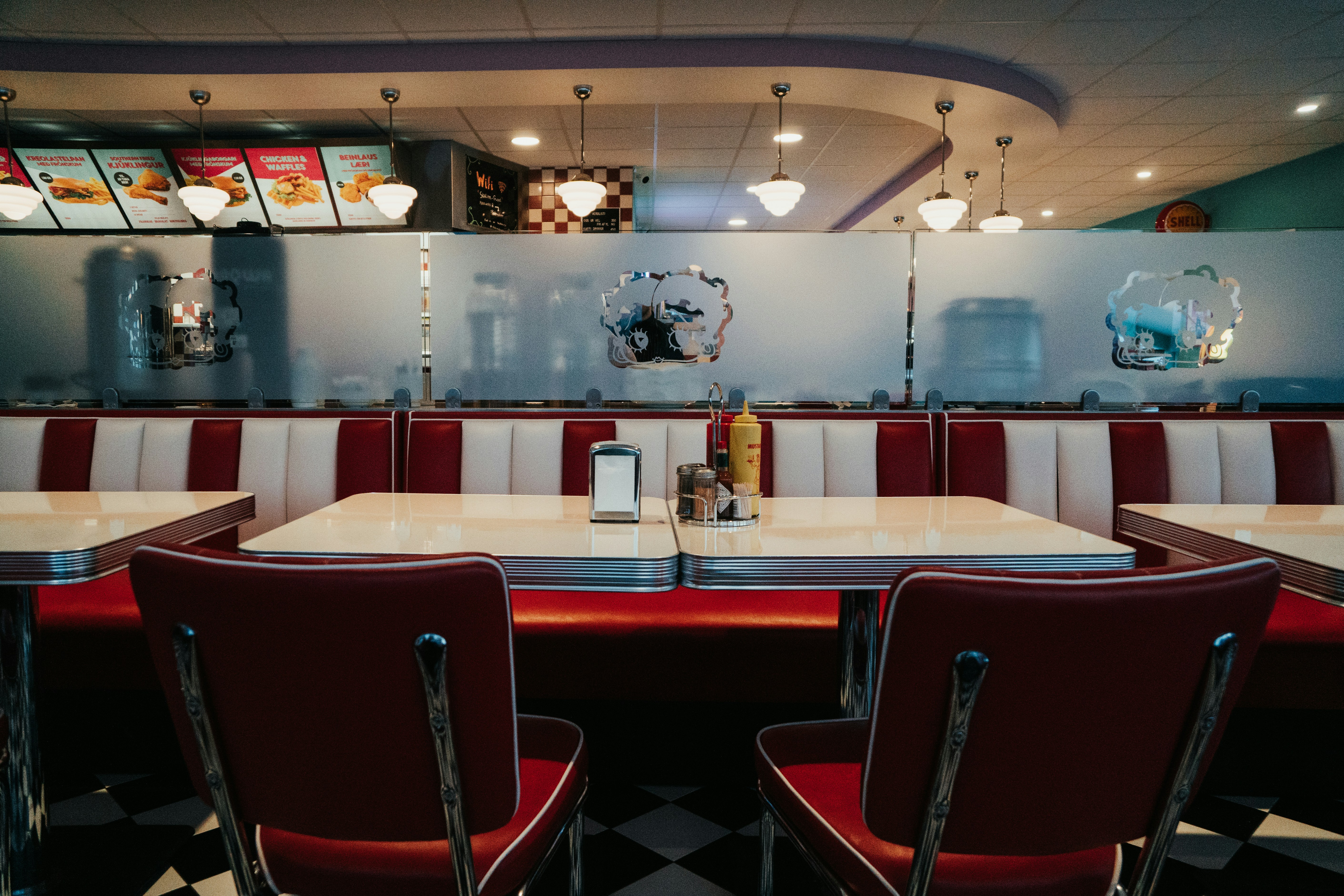
At the center of Denny’s revival is a pledge to everyday value that feels more balanced than a single promo. The chain is leaning into a multi-tier pricing architecture—$2, $4, $6, $8—paired with a growing $10 category, with a belief that value can draw guests in while protecting margins. The revival of this price ladder is presented as a deliberate shift, not a one-off deal. For diners who expect comfort and clarity, the menu becomes a thoughtfully composed invitation to visit more often.
Details matter when a brand leans into value as strategy. Denny’s notes that roughly 130 restaurants are live on a new cloud-based POS and that the KVS kitchen-visualization upgrade accompanies the rollout. The goal is to support targeted upsells, labor efficiency, and a smoother payment experience—adding up to better margins even as price-led promotions remain central. Leadership underscores that “People know the Denny’s brand for that offering.” Valade’s words anchor the brand’s confidence in value-driven choices, and the platform is described as a sustainable anchor for traffic and item mix.
Even as Denny’s doubles down on value, the casual-dining field is locking horns over price. Chili’s has expanded its 3 For Me platform, introducing higher-value options and promotional combos designed to outperform fast-food price points. Brinker International’s materials describe Chili’s 3 For Me as a core value driver since its introduction, signaling industry-leading momentum. In parallel, Buffalo Wild Wings rolled out an all-you-can-eat boneless wings and fries deal at $19.99 on Mondays and Wednesdays through July 10, delivering noticeable traffic spikes. Taken together, these moves illustrate a broader shift toward value-centric promotions and time-bound events that spark trial and repeat visits.
What this means for guests and operators is nuanced. Price perception, portion size, and the clarity of offers shape decisions as promotions move into the mainstream. For operators, sustaining traffic while protecting check averages requires disciplined labor management and a thoughtful mix of menu items. The industry’s trajectory suggests that value is becoming a steady feature, not a one-off hook, inviting guests to return for a reliable sense of worth.
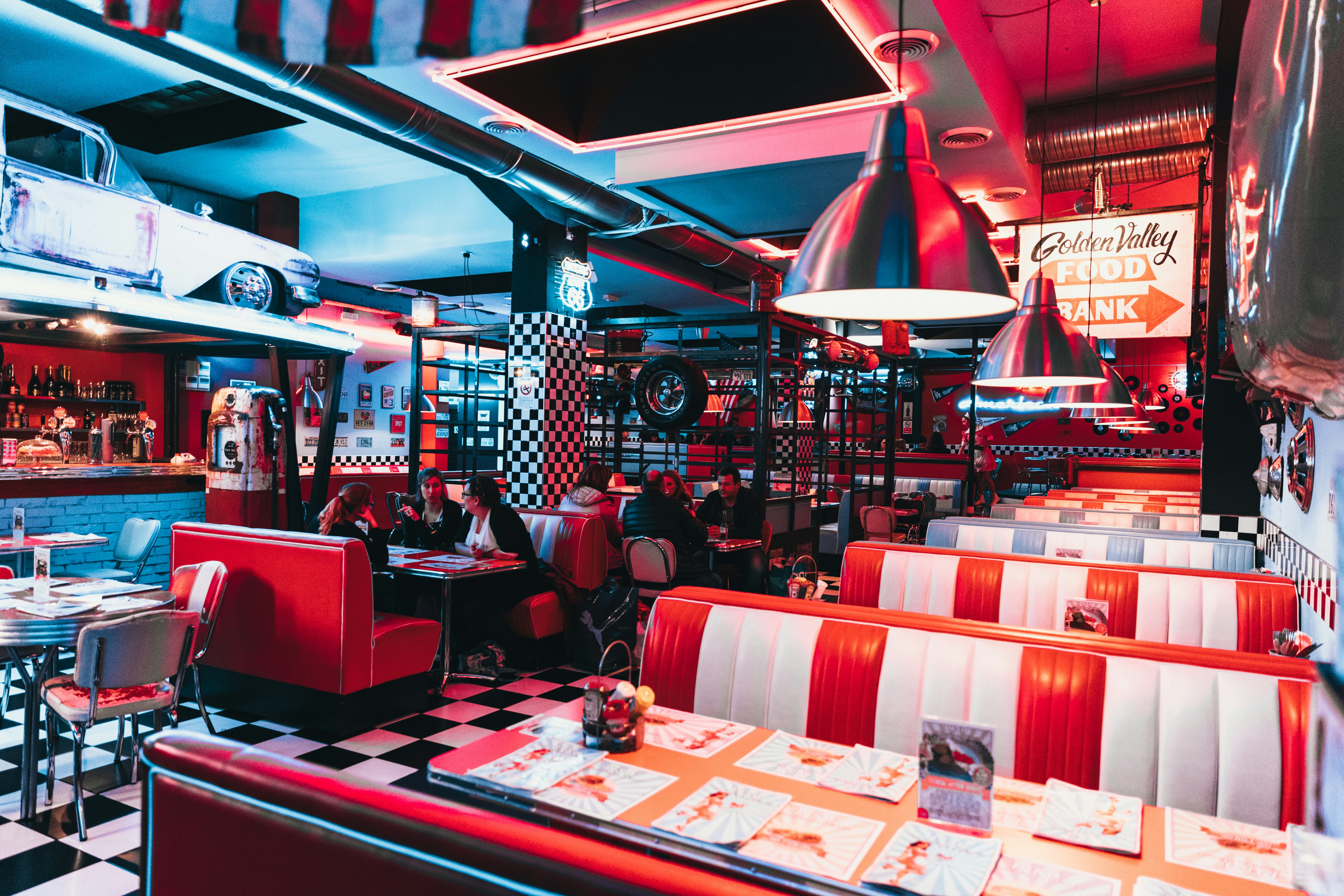
The value model is where Denny’s reveals its intent to be both practical and nourishing in a utilitarian sense. The 2-4-6-8 architecture is not merely a discount ladder; it's a way to expand guest choices while protecting margins. The 2 and 4 levels act as strong add-ons that lift average tickets and diversify the product mix, while the 8 tier anchors everyday value. The revival is pitched as a deliberate refresh, supported by a cloud-based POS rollout across roughly 130 restaurants and a KVS kitchen-visualization upgrade that aims at waste reduction and labor savings.
Across the network, the technology shift matters for the guest experience. With about 130 restaurants live on the new platform and plans to expand into franchise locations, the system enables targeted upsells and faster payments, while KVS provides visibility that can guide staffing and cooking processes. The strategy aims to scale value offerings while safeguarding margins, using technology to keep the experience smooth for guests and the balance sheet intact.
Industry voices underscore how value strategies resonate with guests and operators alike. On the Denny’s side, leadership anchors the approach in brand equity and tested consumer feedback. The Chili’s side spotlights the 3 For Me platform as a durable value proposition designed to outpace fast-food price increases, with a Brinker press release noting that Chili’s 3 For Me has been updated to include new items while maintaining a starting price of $10.99, and it quotes leadership asserting that the program delivers “industry-leading value since its introduction.” The context is a broader rhythm: value-based incentives are becoming a steadier feature of casual dining.
These industry voices confirm that value strategies are not a single campaign but a durable, evolving narrative. Denny’s leadership ties the plan to brand equity and tested feedback, while Chili’s defends its value proposition with ongoing updates to 3 For Me. The broader takeaway is a casual-dining ecosystem recalibrating around predictable, value-driven choices that balance price, portions, and perceived worth, with nourishing clarity for guests and steady demand for operators.
While the early data are encouraging, several questions remain about the long-term sustainability of large-scale value platforms. Denny’s emphasizes that the value strategy is engineered to protect profitability, with test-market results suggesting incremental traffic and trial alongside margin discipline, but ongoing monitoring will be essential to confirm that growth persists across markets and franchise channels. The industry also faces macro pressures in labor, supply costs, and consumer shifting preferences, meaning that value platforms must continuously adapt—potentially via price-point tinkering, menu engineering, and technology-enabled upsell opportunities. In this context, the coming quarters will reveal how well the multi-tier value approach translates into durable guest loyalty and stable unit economics across the broader casual-dining ecosystem.
- Margin discipline – The platform aims to protect profitability as volume grows.
- Franchise expansion – Extending the rollout beyond company-owned restaurants to reach more guests.
- Technology-driven upsell – POS and KVS upgrades enable targeted prompts and efficiency.