
The Hidden Cost of Unpredictable Schedules on Employee Retention
Struggling with employee retention? Learn how unpredictable scheduling drives turnover and what you can do to create a more stable workforce.
operations
May 4, 2026
Struggling with employee retention? Learn how unpredictable scheduling drives turnover and what you can do to create a more stable workforce.
May 4, 2026
Photo by on Unsplash
GoTo Foods blends seven iconic brands to push snacking as a growth engine, expanding dayparts, off-premise channels, and co-branding.
May 3, 2026
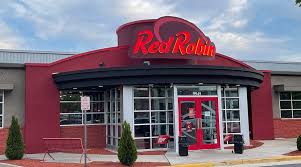
Mark Graff steps in as CFO to anchor Red Robin's First Choice turnaround with disciplined financial leadership.
May 3, 2026
Photo by Graphe Tween on Unsplash
Doinita Leahu redefines hospitality leadership with practical training, mentorship, and people-first systems guiding Vicious Biscuit’s growth.
May 3, 2026
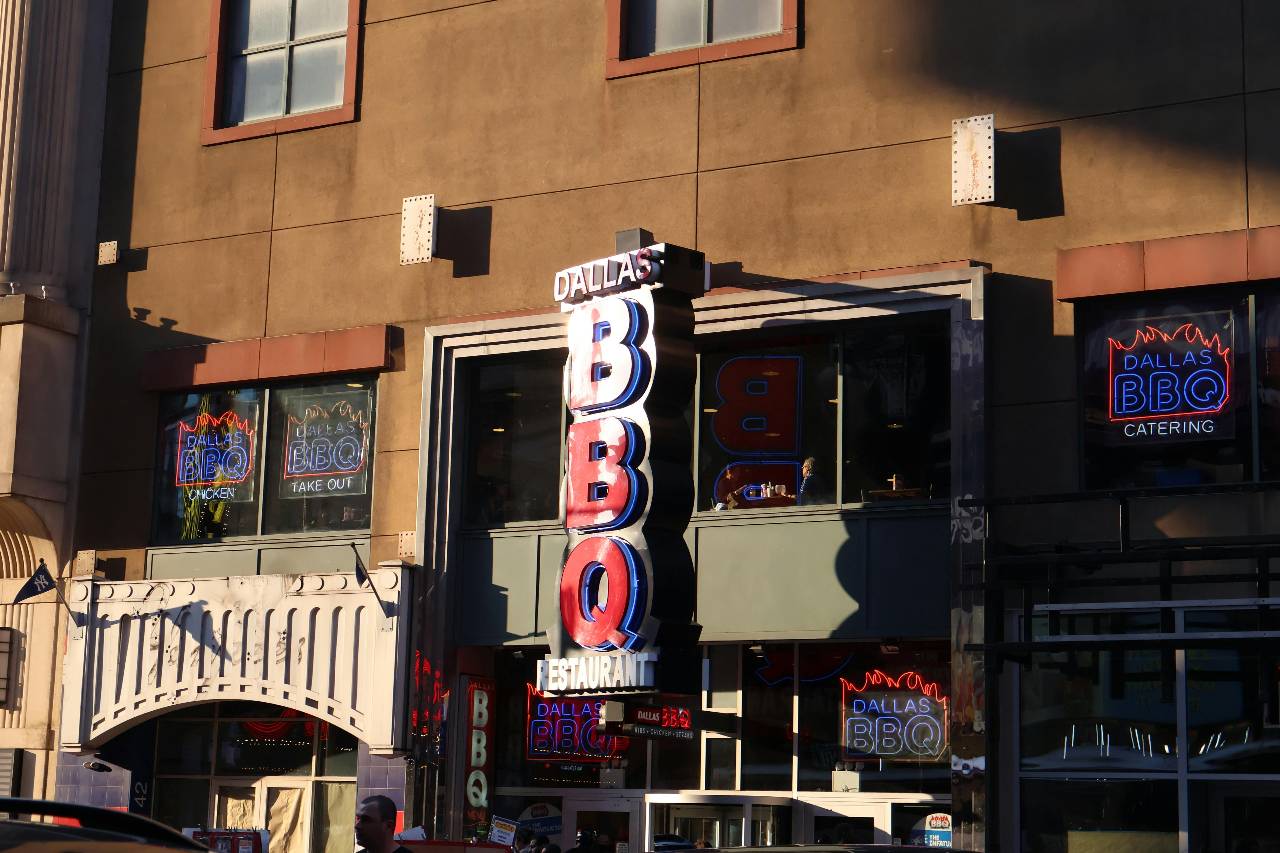
Explore high-traffic Texas markets where restaurants can succeed by matching concepts, customer behavior, visibility, and daily demand.
Apr 30, 2026

Learn how to calculate food cost, control margins, reduce waste, price menu items, and use technology to improve restaurant profit.
Apr 29, 2026

Photo by Unseen Histories on Unsplash
A look at how U.S. brands expand through multi-unit deals, cross-border partnerships, and seasoned operators in 2026.
Apr 29, 2026

Photo by Erik Mclean on Unsplash
McDonald’s unveils six beverages across 14,000 restaurants on May 6, expanding McCafé with Refresher and crafted sodas and a new store-level beverage specialist role.
Apr 29, 2026

Learn how to write a coffee shop business plan that covers concept, location, menu, finances, branding, marketing, and risk planning.
Apr 27, 2026

Explore marketing strategies for food businesses using reviews, professional photos, SEO, social media, partnerships, events, and catering.
Apr 28, 2026
A refined look at FAT Brands’ Smokey Bones to Twin Peaks conversions, real estate-driven growth, and the Chapter 11 restructuring shaping the portfolio.

Photo by BBQ house on Unsplash
FAT Brands is orchestrating a quiet reinvention of its real estate, turning a Smokey Bones footprint into a Twin Peaks storefront in Lakeland, Florida. The roughly 7,800-square-foot site now operates as Twin Peaks, marking the 15th Twin Peaks venue in Florida and the 114th in the broader system. This conversion is pitched as the opening act in a broader program to maximize asset value by repositioning underperforming properties into higher-performing formats. If successful, the Lakeland example promises a repeatable model: a way to shorten timelines and accelerate turnover by leveraging similar footprints and draw. The idea sits at the crossroads of growth and discipline, a careful choreography rather than a blunt expansion.
Conversations around implementation emphasize structural similarities in square footage and location attributes to accelerate conversions. The Lakeland move is cited as a model for expedited timelines, underscoring a broader plan to convert Smokey Bones locations at scale while minimizing capital disruption. FAT Brands targets a pipeline of around 30 Smokey Bones locations converted into Twin Peaks venues over the next several years, a figure echoed by industry analysis as evidence of a deliberate, repeatable process. Ken Kuick, co-CEO and CFO, notes that the strategy is about efficiency and value creation as much as it is about brand expansion.
Beyond Lakeland, FAT Brands has assembled a diversified portfolio that now encompasses more than 2,300 locations across 18 concepts, including Twin Peaks, Smokey Bones, and Round Table Pizza. The acquisition of Twin Peaks for about $300 million in 2021 and Smokey Bones for around $30 million in 2023 positioned Twin Peaks as the growth engine and enabled targeted conversions to refresh the asset mix and uplift unit economics. This approach, described in investor materials and industry coverage, is a disciplined form of growth: redeploy assets to accelerate capital-efficient expansion.
Analysts describe the model as capital-light acceleration, leveraging existing footprints to reduce risk while expanding brand reach. In FAT Brands materials, the conversion strategy is framed as a central element to refresh the asset mix and to redeploy properties where market dynamics favor Twin Peaks’ higher-margin, polished casual dining profile. Ken Kuick, again, and others emphasize that the program aims to balance growth with capital discipline.
Industry voices and FAT Brands leadership describe the Lakeland and Brandon conversions as early proof points of the model’s viability. Our first Twin Peaks conversion, opened in Lakeland, last September, is exceeding expectations, while our second Twin Peaks conversion in Brandon opened this month and is off to a strong start. These remarks underscore a practical signal: the conversions can deliver faster market entry, stronger unit economics, and meaningful acceleration of growth within the Twin Peaks platform.
Observers caution that broader execution will depend on macro conditions, debt management, and continued operational performance as more sites convert. The early success may foreshadow momentum, but it also invites careful attention to the headwinds that accompany rapid expansion.
Strategically, FAT Brands signaled its intent to separate Twin Peaks from the broader corporate structure through a stand-alone public listing, a plan publicly advanced in mid-2024 when it disclosed confidential submissions of a registration statement related to a Twin Peaks spin-off. The disclosure framed the move as a means to unlock value and provide investors with clearer visibility into Twin Peaks’ standalone performance. In parallel, the company has pursued financing and restructuring options that reflect the expanding scale and complexity of its portfolio.
The spin-off objective remained a focal point of strategic planning as the company managed a rapid growth trajectory through conversions and acquisitions, seeking to present Twin Peaks as a more nimble, capital-efficient identity within a broader landscape.
As of January 26, 2026, FAT Brands and its subsidiaries filed voluntary Chapter 11 petitions in the U.S. Bankruptcy Court, initiating a formal restructuring while continuing to operate in the ordinary course. The move places the company under court oversight as it works to reorganize debt and optimize the capital structure while pursuing the ongoing conversion pipeline. Debtor-in-possession financing has been pursued to support ongoing operations during restructuring, with reports indicating a multi-hundred-million-dollar facility to sustain liquidity through the process.
The proceedings include significant attention from investors and creditors, including ongoing litigation tied to securities concerns and claims related to debt instruments. These dynamics will influence both the pace of conversions and the potential outcomes for asset allocation, ownership structure, and dual-entity prospects for Twin Peaks and related brands.