
The Hidden Cost of Unpredictable Schedules on Employee Retention
Struggling with employee retention? Learn how unpredictable scheduling drives turnover and what you can do to create a more stable workforce.
operations
May 4, 2026
Struggling with employee retention? Learn how unpredictable scheduling drives turnover and what you can do to create a more stable workforce.
May 4, 2026
Photo by on Unsplash
GoTo Foods blends seven iconic brands to push snacking as a growth engine, expanding dayparts, off-premise channels, and co-branding.
May 3, 2026
Mark Graff steps in as CFO to anchor Red Robin's First Choice turnaround with disciplined financial leadership.
May 3, 2026
Photo by Graphe Tween on Unsplash
Doinita Leahu redefines hospitality leadership with practical training, mentorship, and people-first systems guiding Vicious Biscuit’s growth.
May 3, 2026
Explore high-traffic Texas markets where restaurants can succeed by matching concepts, customer behavior, visibility, and daily demand.
Apr 30, 2026
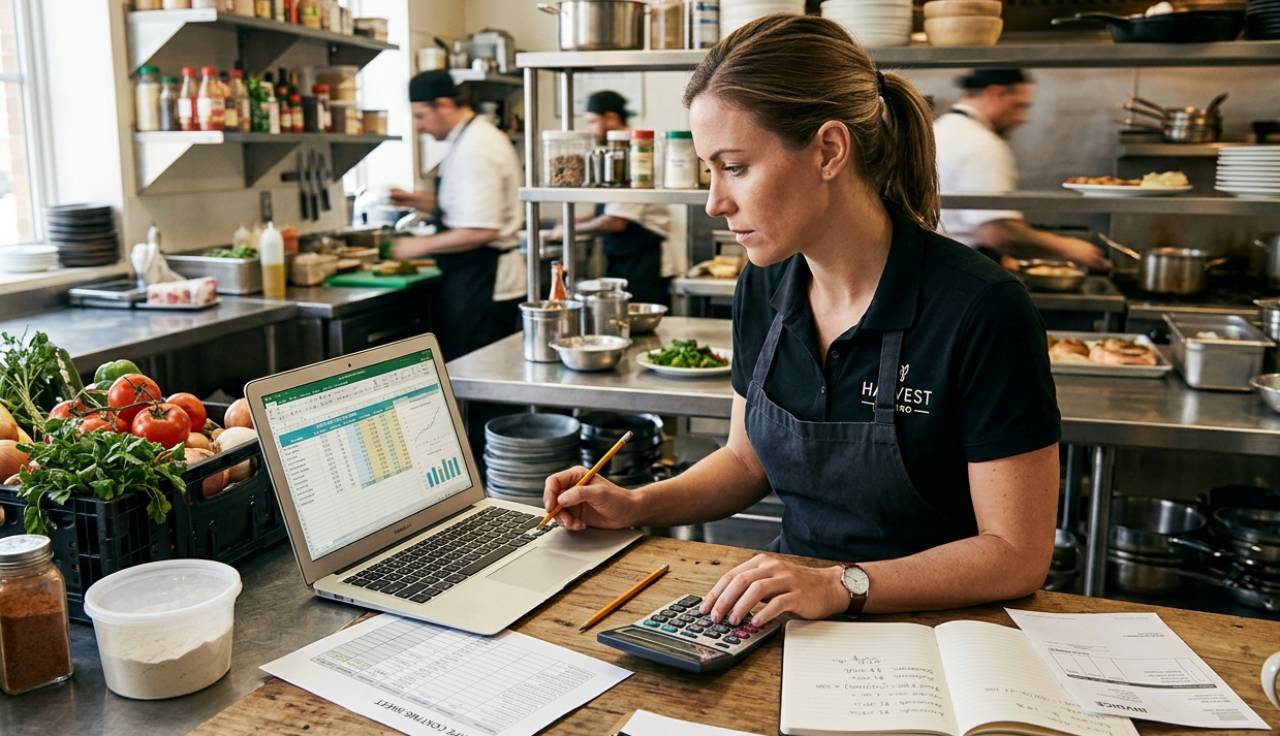
Learn how to calculate food cost, control margins, reduce waste, price menu items, and use technology to improve restaurant profit.
Apr 29, 2026
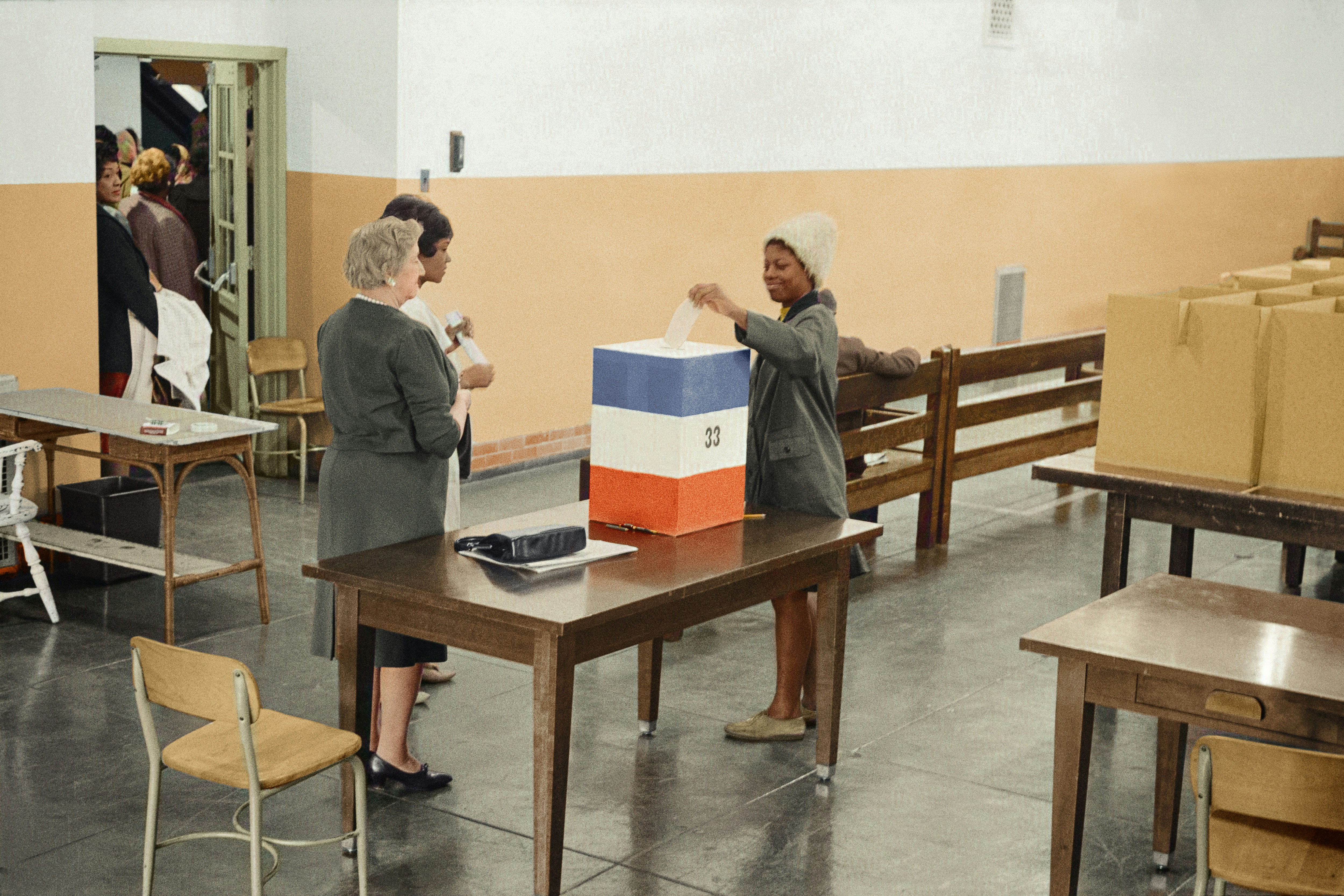
Photo by Unseen Histories on Unsplash
A look at how U.S. brands expand through multi-unit deals, cross-border partnerships, and seasoned operators in 2026.
Apr 29, 2026
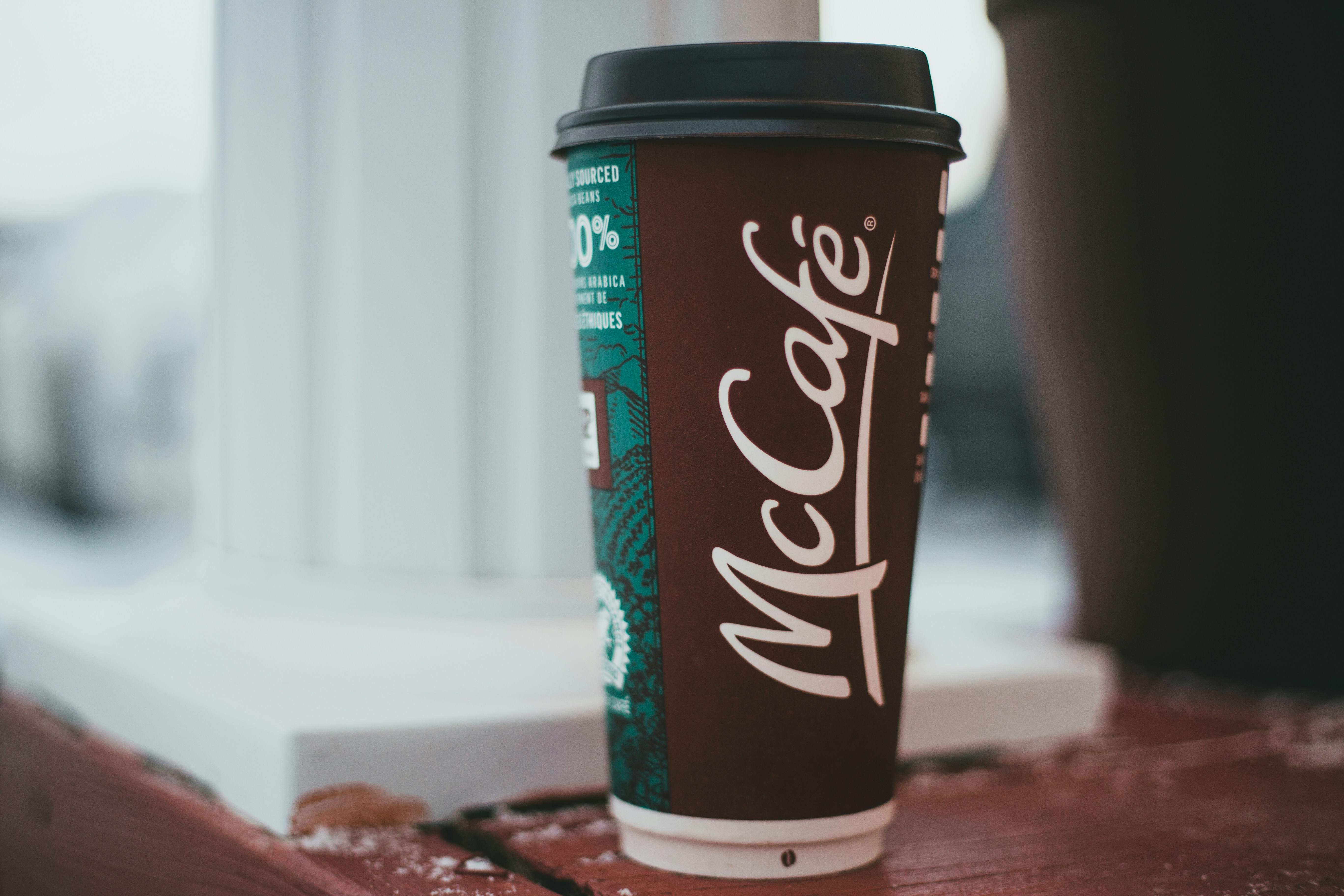
Photo by Erik Mclean on Unsplash
McDonald’s unveils six beverages across 14,000 restaurants on May 6, expanding McCafé with Refresher and crafted sodas and a new store-level beverage specialist role.
Apr 29, 2026
Learn how to write a coffee shop business plan that covers concept, location, menu, finances, branding, marketing, and risk planning.
Apr 27, 2026
Explore marketing strategies for food businesses using reviews, professional photos, SEO, social media, partnerships, events, and catering.
Apr 28, 2026
Exploring how gamification and zero-party data are reshaping loyalty in fast food, led by KFC and Marigold Loyalty.
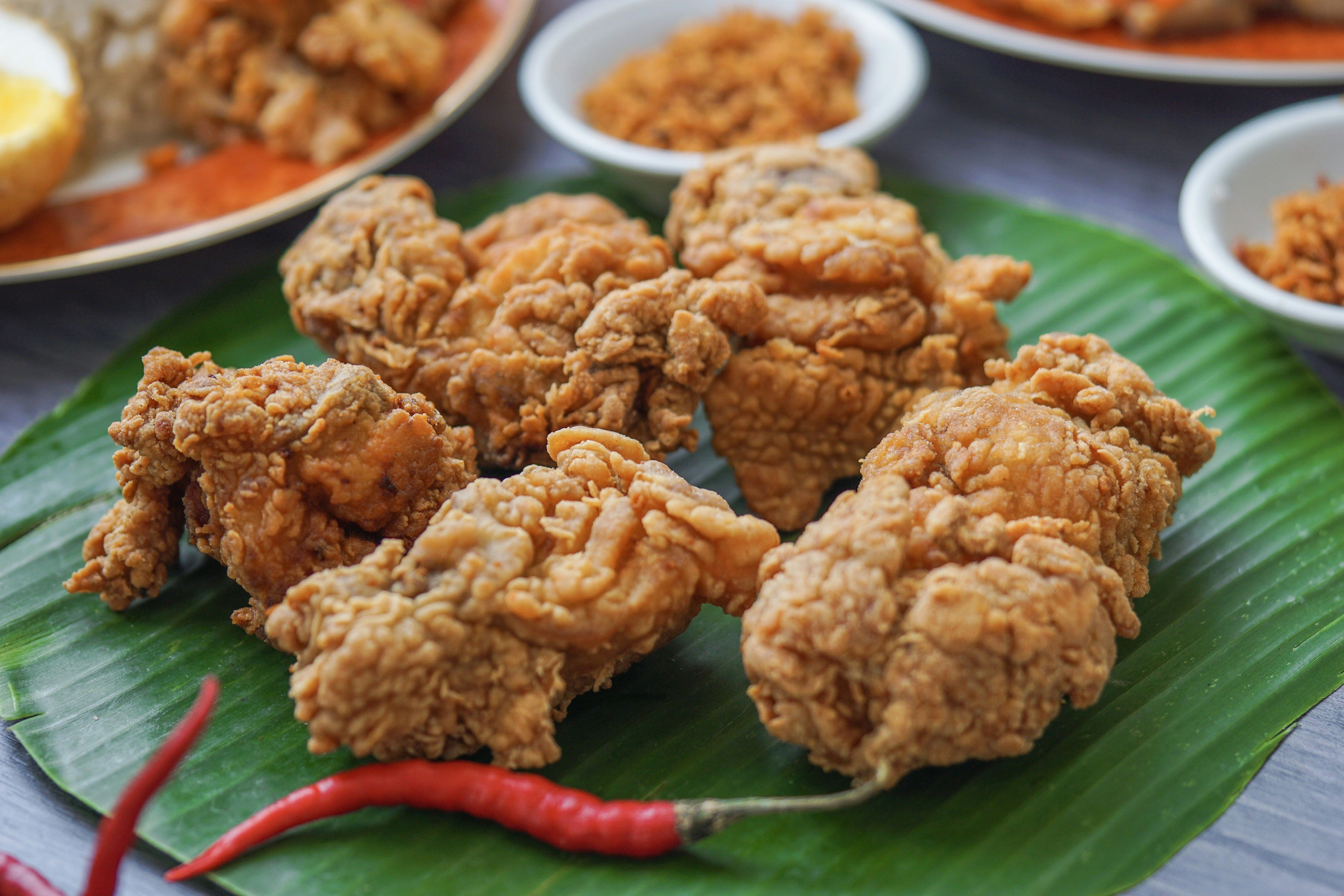
Photo by Kevin kevin on Unsplash
KFC U.S. recently partnered with Marigold Loyalty to reshape rewards into an interactive journey—one designed to feel more like a balanced, nourishing experience than a static discount. The program moves beyond a simple punch card, weaving points, exclusive digital experiences, and dynamic challenges into a living menu of possibilities. Members earn 10 points for every eligible online dollar and redeem them for rotating items in the Secret Recipe Vault, a concept built to keep the catalog fresh rather than simply cycling coupons. When KFC Rewards launched in February 2024, the aim was clear: digitize the loyalty journey and fuse it with online ordering. This is not a coupon library; it’s a living experience in motion—how did it come to life?
To sustain momentum, the Vault rotates what qualifies for redemption, turning each visit into a small, thoughtful discovery rather than a routine choice. The rotation keeps the catalog fresh and avoids the flatness of a stale coupon book. The design ties into the broader digital-sales strategy: digital menus and cross-channel experiences reinforce a single, cohesive journey—from seeing a reward online to earning it on the app, and finally claiming it at the counter. In its first year, the program reportedly exceeded six million members, signaling the velocity with which gamified mechanics can scale in today’s crowded market.
Gamification expands beyond the basic point tally. Brands test seasonal challenges, digital punch cards, and task-based rewards designed to invite ongoing interaction and data sharing. The Marigold-KFC collaboration elevates this model by weaving exclusive digital experiences and bonus tasks into the rewards graph; for example, completing menu-based tasks yields additional points and potential access to special content. The engine runs on zero-party data customers willingly share—quizzes, polls, and short surveys—in exchange for more personalized offers and more relevant messaging. This data-driven loop enables sharper personalization and more timely communications that feel less transactional and more nourishing.
Two design imperatives emerge from loyalty experts: a progression path that moves rewards forward and rewards that truly matter to diners. When incentives align with real preferences, the program feels balanced and nourishing rather than coercive. Calibrating the pace of reward escalation and ensuring items reflect taste as well as ticket size keeps engagement steady. The playbook also calls for ongoing content and deliberate cross-channel orchestration, all while centering clear consent and perceived value so customers feel respected and in control of their data.
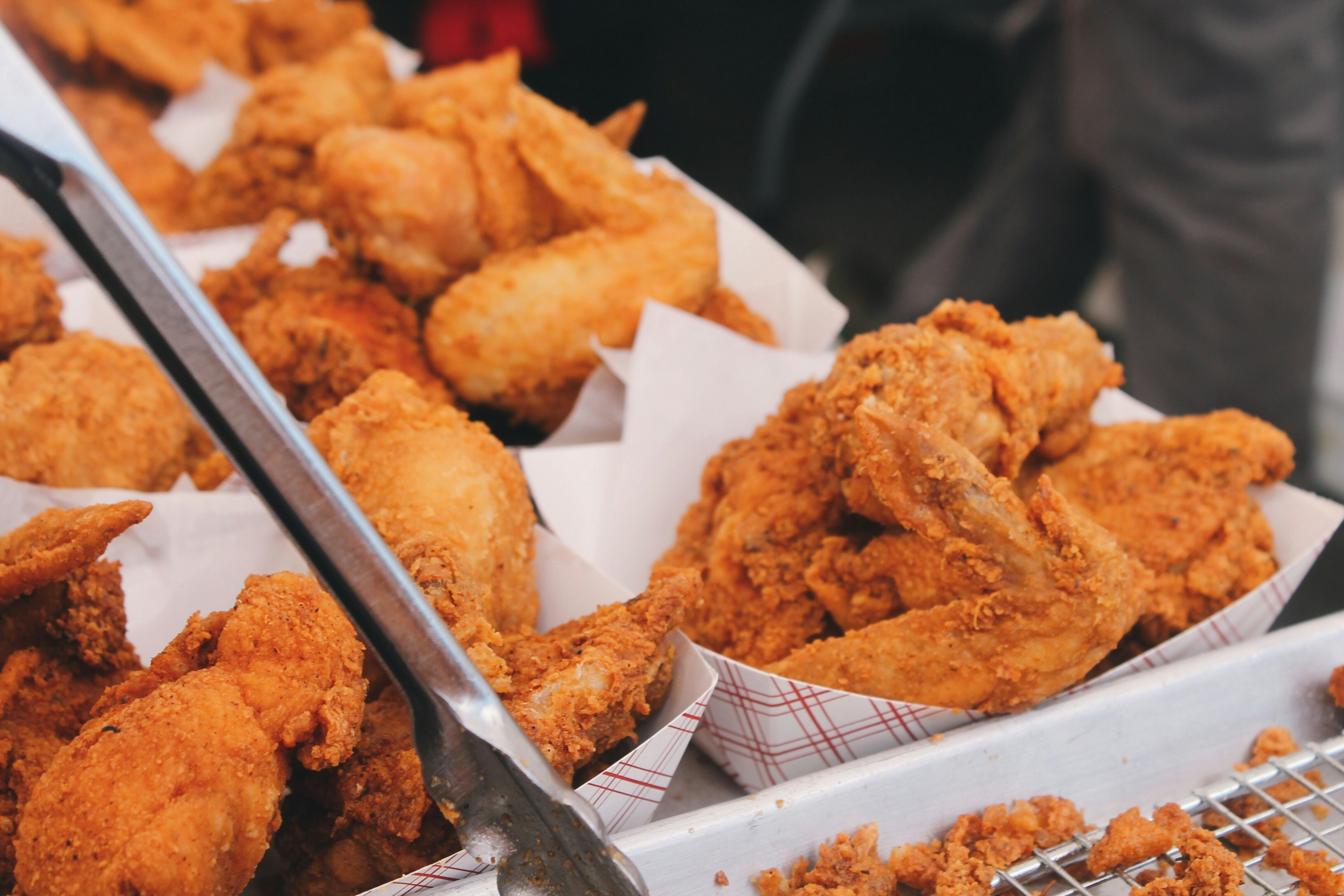
Leaders describe gamified loyalty as a way to transform routine interactions into memorable experiences. Marigold’s involvement with KFC is frequently cited as a model of how to blend personalized outreach with interactive incentives that feel relevant and fun. The collaborative approach aims to move brands away from a purely transactional stance toward ongoing relationship marketing that resonates with evolving consumer expectations. When gamified rewards are paired with audience-aware outreach, open and click-through rates tend to improve, and members become more active participants in targeted campaigns.
The conversation also points to cross-channel messaging that feels more human-centered than generic coupons. When experiences are designed to align with how people actually order, learn, and share feedback, engagement signals—such as participation in challenges and access to exclusive content—tend to rise, signaling a shift from discounting to relationship marketing with staying power.
KFC U.S. launched its loyalty program with Marigold in the last year, integrating points-based rewards and exclusive digital experiences across ordering channels. The Vault’s rotating catalog is the centerpiece designed to sustain interest over time. Beyond membership growth, early data indicate millions of rewards redeemed and repeat visits sparked by challenges and exclusive content. Industry observers also note that loyalty ecosystems at scale—even across markets such as China—have shown size and velocity with hundreds of millions of members in some regions, illustrating the ambition and reach possible when this model lands well.
The mix of data-rich outreach and cross-channel engagement has nudged digital-order penetration higher, suggesting a more integrated customer journey where online and offline experiences reinforce one another. These outcomes echo a broader momentum toward relationship marketing in dining—where numbers tell a story of engagement, not just attendance, and where the pace of adoption depends on sustained content, fresh incentives, and respectful data use.
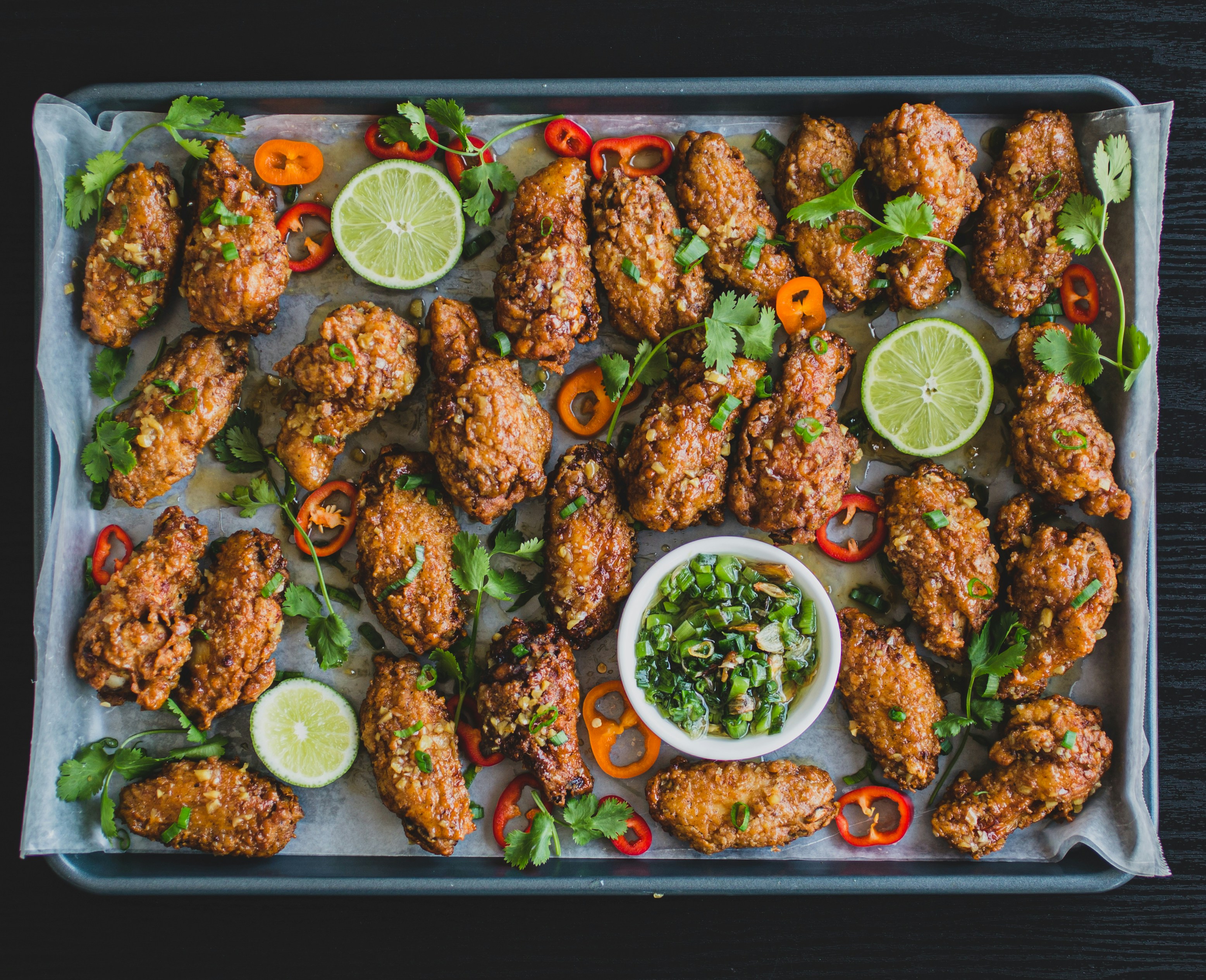
The Drum has highlighted a broader shift in the hospitality space: toward earned rewards and emotional engagement rather than universal discounts. The momentum is reinforced by operators like Great Wolf Resorts, which have used Marigold’s platform to drive frequency and guest satisfaction. The convergence of personalization, data-driven decision-making, and human-centered design is increasingly the backbone of modern relationship marketing in dining and hospitality. This signals an industry-wide move toward experiences that feel less transactional and more thoughtful, a trend that aligns with mindful dining as much as it does with growth metrics.
In the years ahead, the storyline suggests loyalty programs will hinge on authentic engagement, transparent data practices, and cross-channel integration. Brands that design meaningful, interactive experiences—and that collect and deploy data with respect for customer consent—stand to deepen relationships, lift transaction frequency, and sharpen differentiation. The KFC-Marigold model offers a case study in how entertainment and personalization can turn everyday diners into lifelong fans, while keeping nourishment and balance at the center of a thoughtful dining ecosystem.