
The Hidden Cost of Unpredictable Schedules on Employee Retention
Struggling with employee retention? Learn how unpredictable scheduling drives turnover and what you can do to create a more stable workforce.
operations
May 4, 2026
Struggling with employee retention? Learn how unpredictable scheduling drives turnover and what you can do to create a more stable workforce.
May 4, 2026
Photo by on Unsplash
GoTo Foods blends seven iconic brands to push snacking as a growth engine, expanding dayparts, off-premise channels, and co-branding.
May 3, 2026

Mark Graff steps in as CFO to anchor Red Robin's First Choice turnaround with disciplined financial leadership.
May 3, 2026
Photo by Graphe Tween on Unsplash
Doinita Leahu redefines hospitality leadership with practical training, mentorship, and people-first systems guiding Vicious Biscuit’s growth.
May 3, 2026
Explore high-traffic Texas markets where restaurants can succeed by matching concepts, customer behavior, visibility, and daily demand.
Apr 30, 2026

Learn how to calculate food cost, control margins, reduce waste, price menu items, and use technology to improve restaurant profit.
Apr 29, 2026

Photo by Unseen Histories on Unsplash
A look at how U.S. brands expand through multi-unit deals, cross-border partnerships, and seasoned operators in 2026.
Apr 29, 2026

Photo by Erik Mclean on Unsplash
McDonald’s unveils six beverages across 14,000 restaurants on May 6, expanding McCafé with Refresher and crafted sodas and a new store-level beverage specialist role.
Apr 29, 2026
Learn how to write a coffee shop business plan that covers concept, location, menu, finances, branding, marketing, and risk planning.
Apr 27, 2026
Explore marketing strategies for food businesses using reviews, professional photos, SEO, social media, partnerships, events, and catering.
Apr 28, 2026
From LA roots to Nashville openings, JINYA Ramen Bar expands through franchising, partnerships, and a refreshed app that elevates its ramen-first dining.
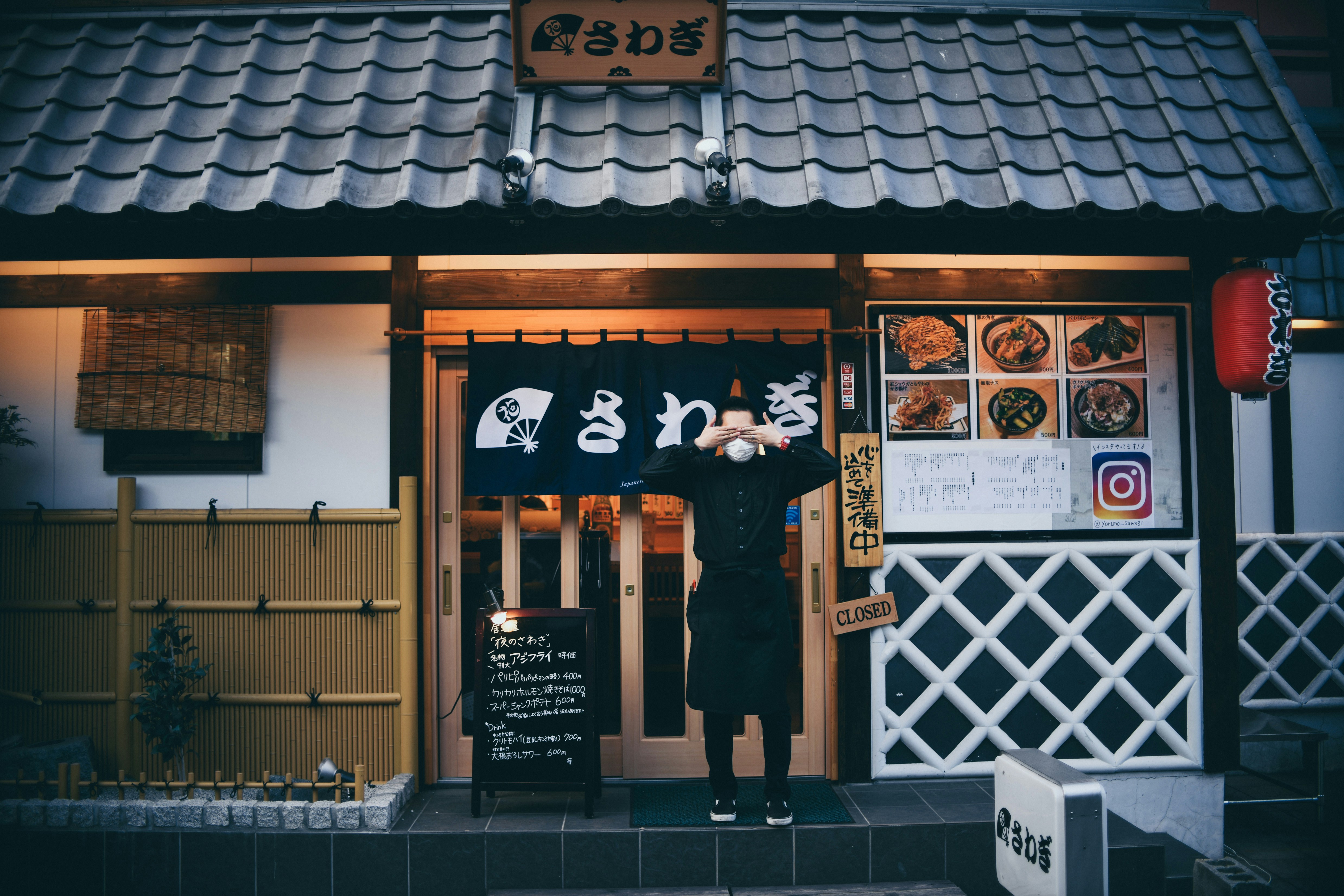
Photo by Emile Guillemot on Unsplash
JINYA Ramen Bar began as a Tokyo-born concept and now sits with its headquarters in Los Angeles, guiding a family of Japanese-inspired concepts under JINYA Holdings Inc. The brand movement feels deliberate—the kind of thoughtful, balanced dining that invites guests to savor both flavor and story. The ramen-first concept sits at the heart of a broader strategy to elevate Japanese dining across North America, where quick service and curated experiences collide. In the late 2010s, the U.S. ramen scene surged into what industry observers branded the ramen wars, a crowded field begging for a clear point of view. This is the moment when expansion becomes a durable growth engine for JINYA.
From the Los Angeles headquarters, JINYA Ramen Bar's trajectory has been shaped by explicit choices—authenticity in the menu, brand-building, and ongoing culinary refinement. The brand sits at the center of a family of Japanese-inspired concepts, each reinforcing a broader aim: elevate Japanese dining in North America without losing the craft's essence. Industry observers note that JINYA's identity is as much about the story behind the broth as the broth itself. In a ramen landscape that prizes speed and spectacle, JINYA has pursued a balance of technique, flavor, and hospitality that feels rooted. This thoughtful philosophy sets the stage for the deliberate expansion that follows.

From the LA hub, the brand's momentum rests on the leadership of founder Tomo Takahashi, whose clear compass has anchored every milestone. He speaks of a “unwavering commitment to quality, innovation, and customer satisfaction.”—a creed the company repeats in media and at the lectern. The strategy has always been to pair authenticity with branding and menu evolution, so guests encounter a consistent ramen-first experience no matter where they dine. That philosophy shows up not only in bowls but in the way new markets are approached—careful, reproducible, and mindful of local curiosity. It's a formula that invites scrutiny yet rewards patience, a hallmark of thoughtful growth.
From the perspective of expansion, Takahashi's philosophy is less a slogan than a practice that shapes a scalable playbook. The brand has consistently attributed its growth to authenticity, brand-building, and menu refinement, delivering a ramen-first menu that resonates beyond novelty. This approach informs a deliberate franchising strategy, with urban markets in mind—Midwest, Northeast, and Southeast—toward the next wave of expansion. The result is a narrative that blends culture with commerce, ensuring that each new shop feels like a calibrated extension of the same core, rather than a break with the brand's roots.