
The Hidden Cost of Unpredictable Schedules on Employee Retention
Struggling with employee retention? Learn how unpredictable scheduling drives turnover and what you can do to create a more stable workforce.
operations
May 4, 2026
Struggling with employee retention? Learn how unpredictable scheduling drives turnover and what you can do to create a more stable workforce.
May 4, 2026
Photo by on Unsplash
GoTo Foods blends seven iconic brands to push snacking as a growth engine, expanding dayparts, off-premise channels, and co-branding.
May 3, 2026
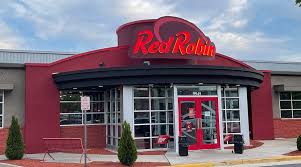
Mark Graff steps in as CFO to anchor Red Robin's First Choice turnaround with disciplined financial leadership.
May 3, 2026
Photo by Graphe Tween on Unsplash
Doinita Leahu redefines hospitality leadership with practical training, mentorship, and people-first systems guiding Vicious Biscuit’s growth.
May 3, 2026
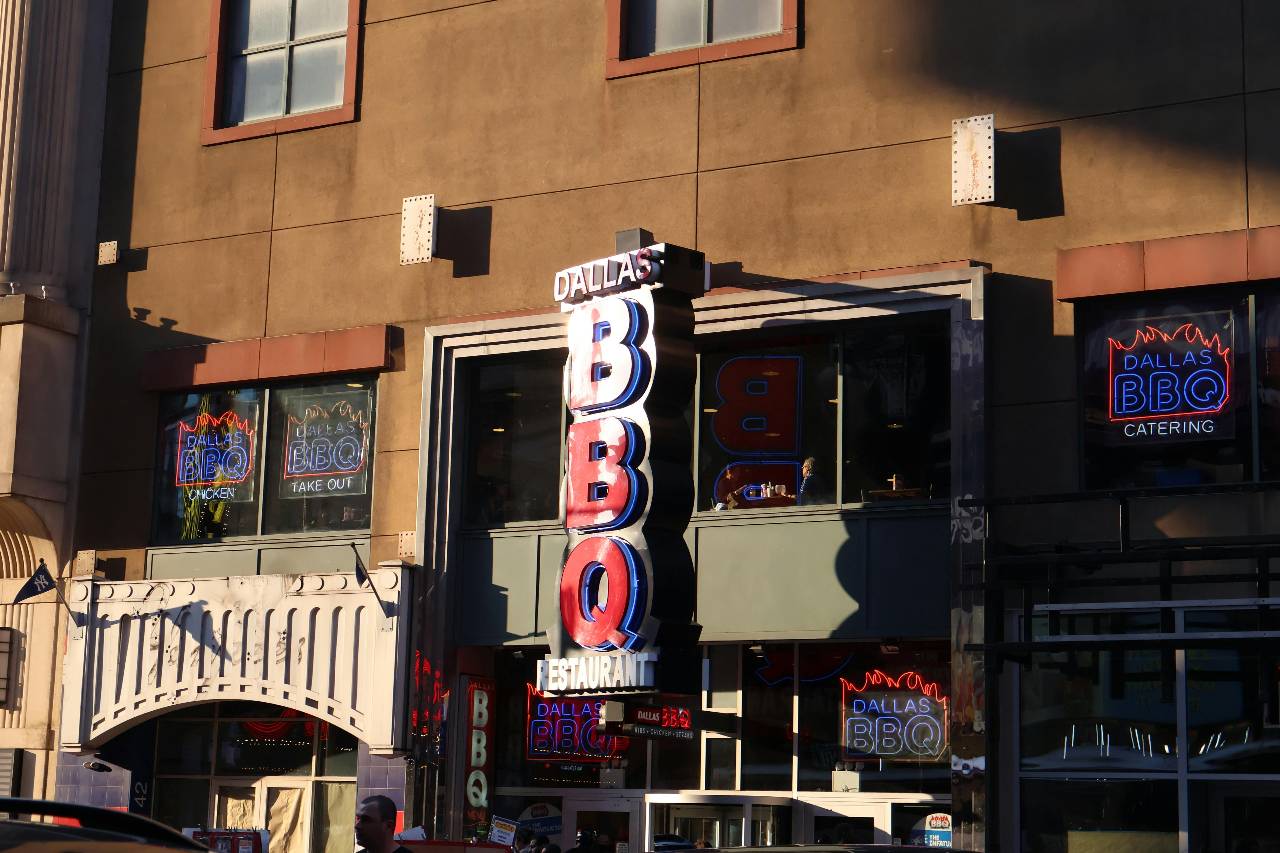
Explore high-traffic Texas markets where restaurants can succeed by matching concepts, customer behavior, visibility, and daily demand.
Apr 30, 2026
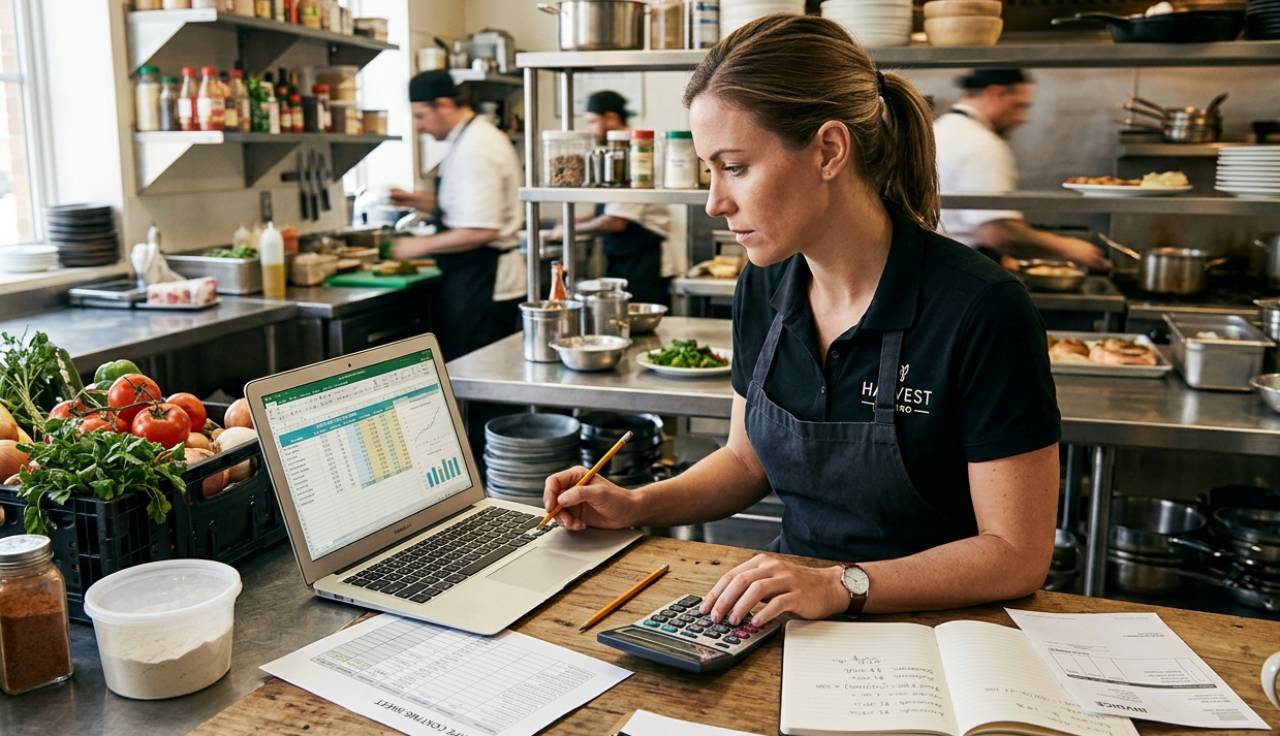
Learn how to calculate food cost, control margins, reduce waste, price menu items, and use technology to improve restaurant profit.
Apr 29, 2026

Photo by Unseen Histories on Unsplash
A look at how U.S. brands expand through multi-unit deals, cross-border partnerships, and seasoned operators in 2026.
Apr 29, 2026
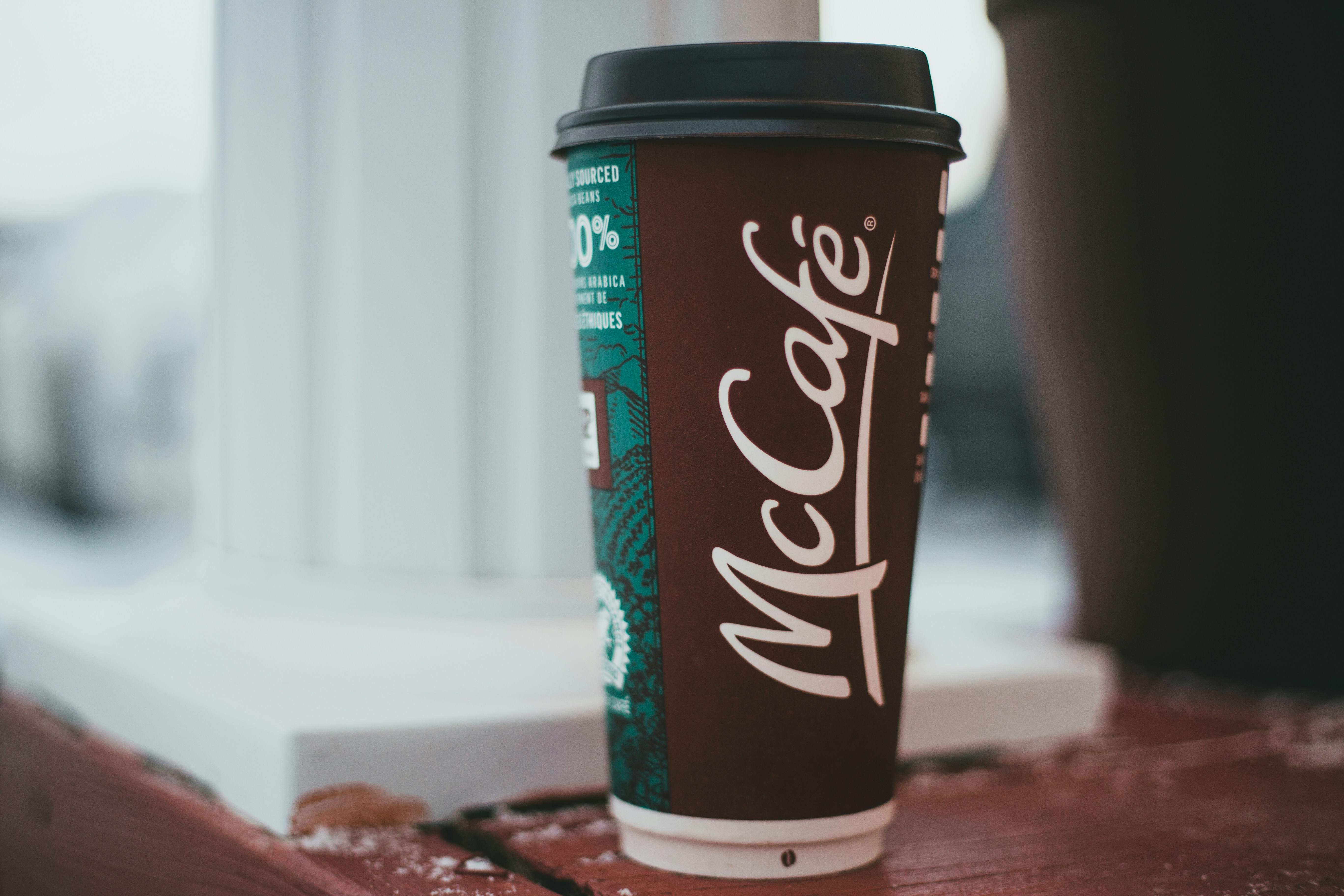
Photo by Erik Mclean on Unsplash
McDonald’s unveils six beverages across 14,000 restaurants on May 6, expanding McCafé with Refresher and crafted sodas and a new store-level beverage specialist role.
Apr 29, 2026
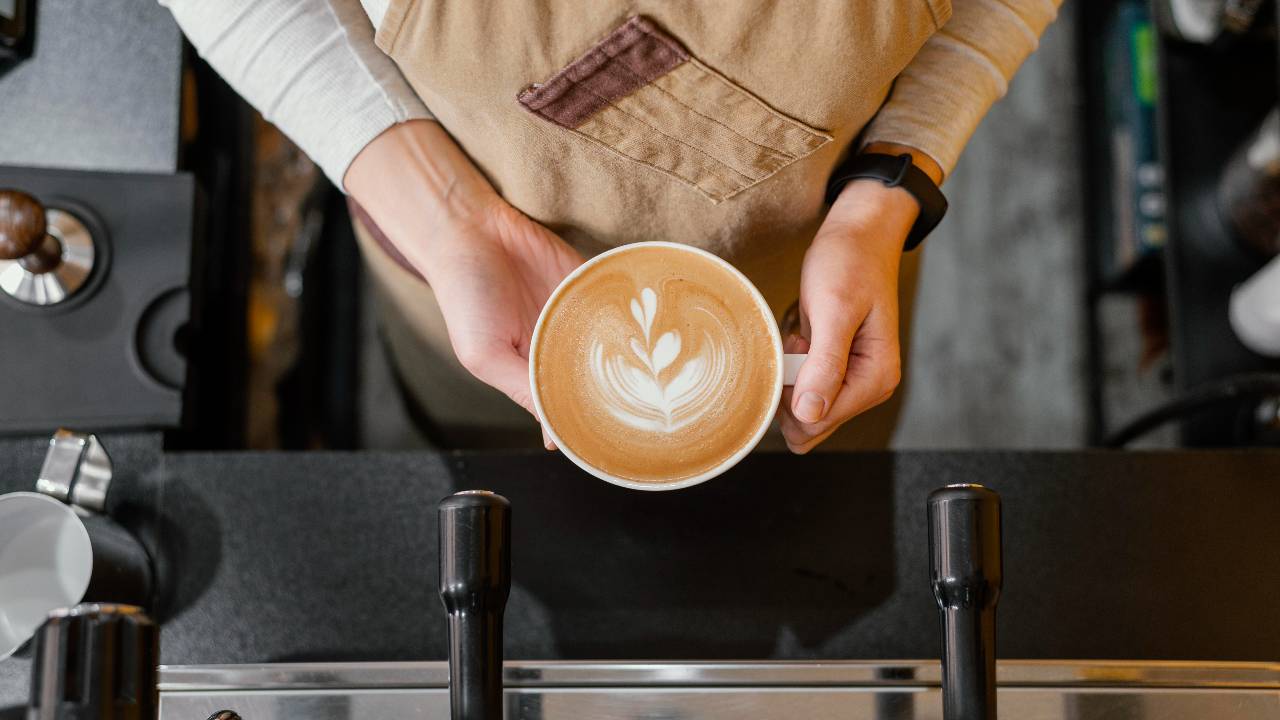
Learn how to write a coffee shop business plan that covers concept, location, menu, finances, branding, marketing, and risk planning.
Apr 27, 2026
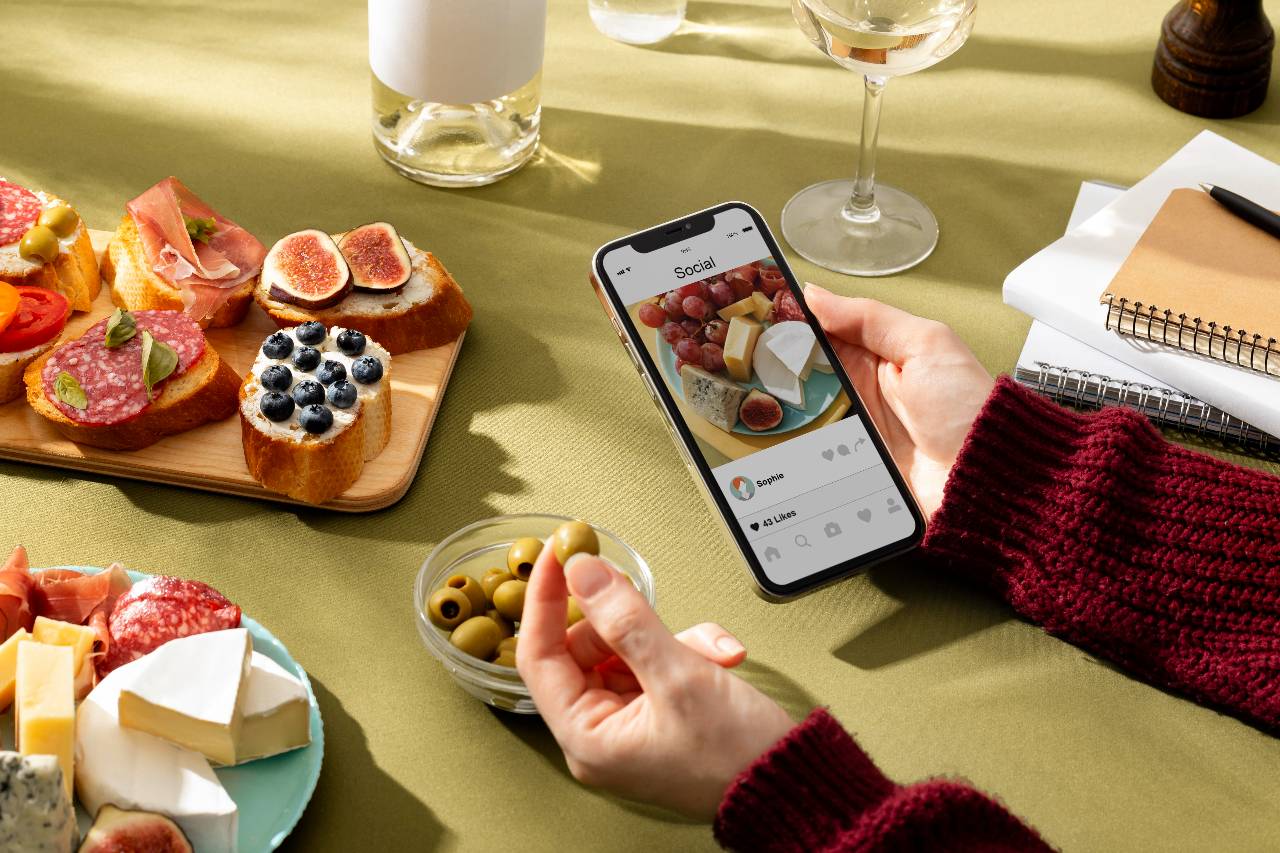
Explore marketing strategies for food businesses using reviews, professional photos, SEO, social media, partnerships, events, and catering.
Apr 28, 2026
Exploring how Just Salad embeds sustainability into daily operations as it grows to about 100 locations across seven states.
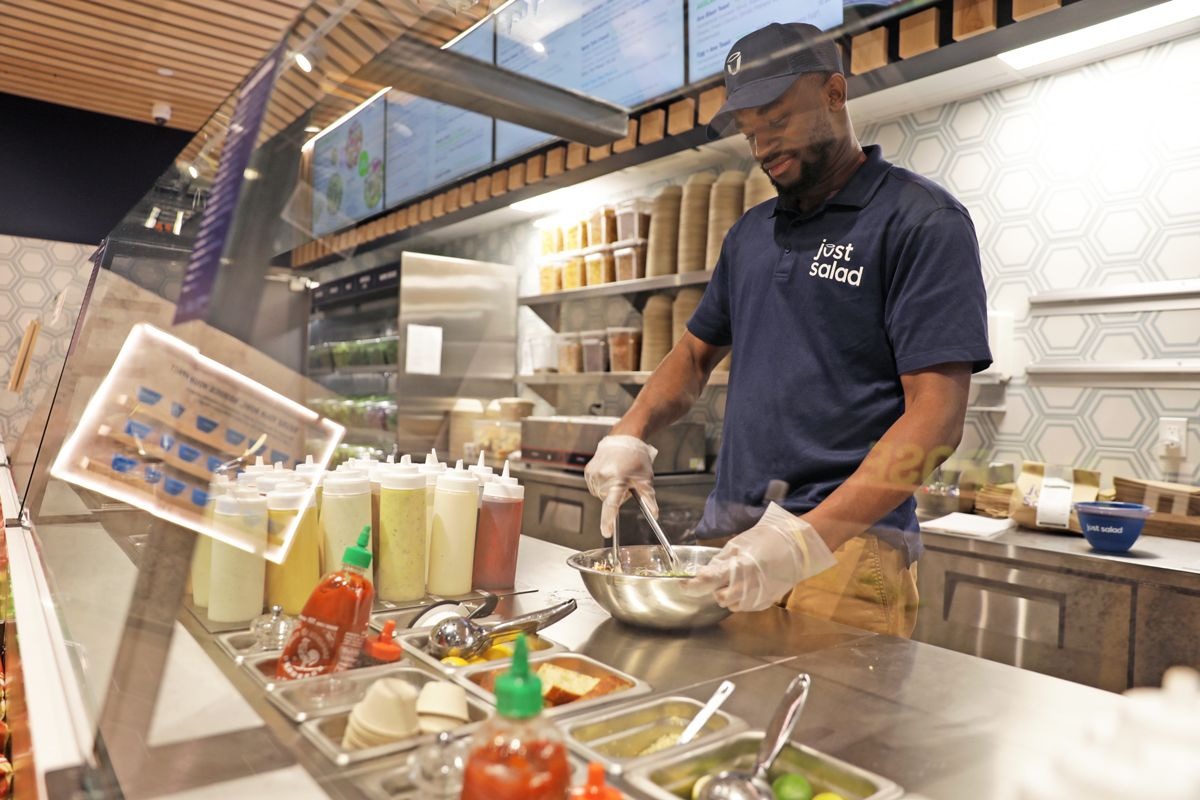
Just Salad has grown up fast, but not by accident. From its New York City roots to a broader map, the brand is expanding with a sustainability-first operating model that never slides. As of 2026, the network sits at roughly 100 locations across seven states, a sign of national reach without sacrificing the core ethos. This isn’t a slogan; it’s how decisions get made on the floor, in supplier briefs, and in real estate bets. Growth is deliberate and visible, not flashy. The playbook is simple: protect the core, scale with discipline, and let green become the default for guests:
Reusable bowls are no longer a gimmick; they’re a standard option, described in materials as the world’s largest restaurant reusable program. The menu carries carbon labeling, quantifying environmental impact at the item level and guiding choices at the counter. This isn’t marketing fluff — it’s embedded practice. Alex Harden, Just Salad’s supply chain and sustainability manager, explained the framework on a July 2024 NRN Extra Serving podcast as a “default setting for guests”: “It’s about making sustainability the default, easy decision.” The brand also emphasizes partnerships and a formal impact narrative tied to store-level outcomes. They claim to be the first US restaurant to carbon label its menu, a public-facing anchor for the program:
From a tight NYC focus, Just Salad has peeled out toward a national footprint with a clear, mission-driven playbook. Expansion is balanced by real estate discipline and store economics, not reckless rush. The suburban push mirrors a broader industry move, pushing health-forward bowls into new blocks and strip centers. In practice, the growth relies on a blend of in-store messaging and digital outreach so sustainability is visible and credible. Prototypes, including drive-through formats, test access points beyond the traditional line, all while the brand keeps its eye on profitability and guest experience. The path is deliberate, not accidental:
Just Salad has experimented with drive-through concepts and other prototypes to extend access beyond urban cores. The strategy aims to meet off-premises demand without diluting the sustainability narrative. Messaging emphasizes green choices at the point of sale, while the tech backbone — mobile ordering, loyalty, and data dashboards — keeps the operation tight. The result is a multi-geography rollout that preserves the brand’s identity as it travels from NYC to suburbs and beyond:
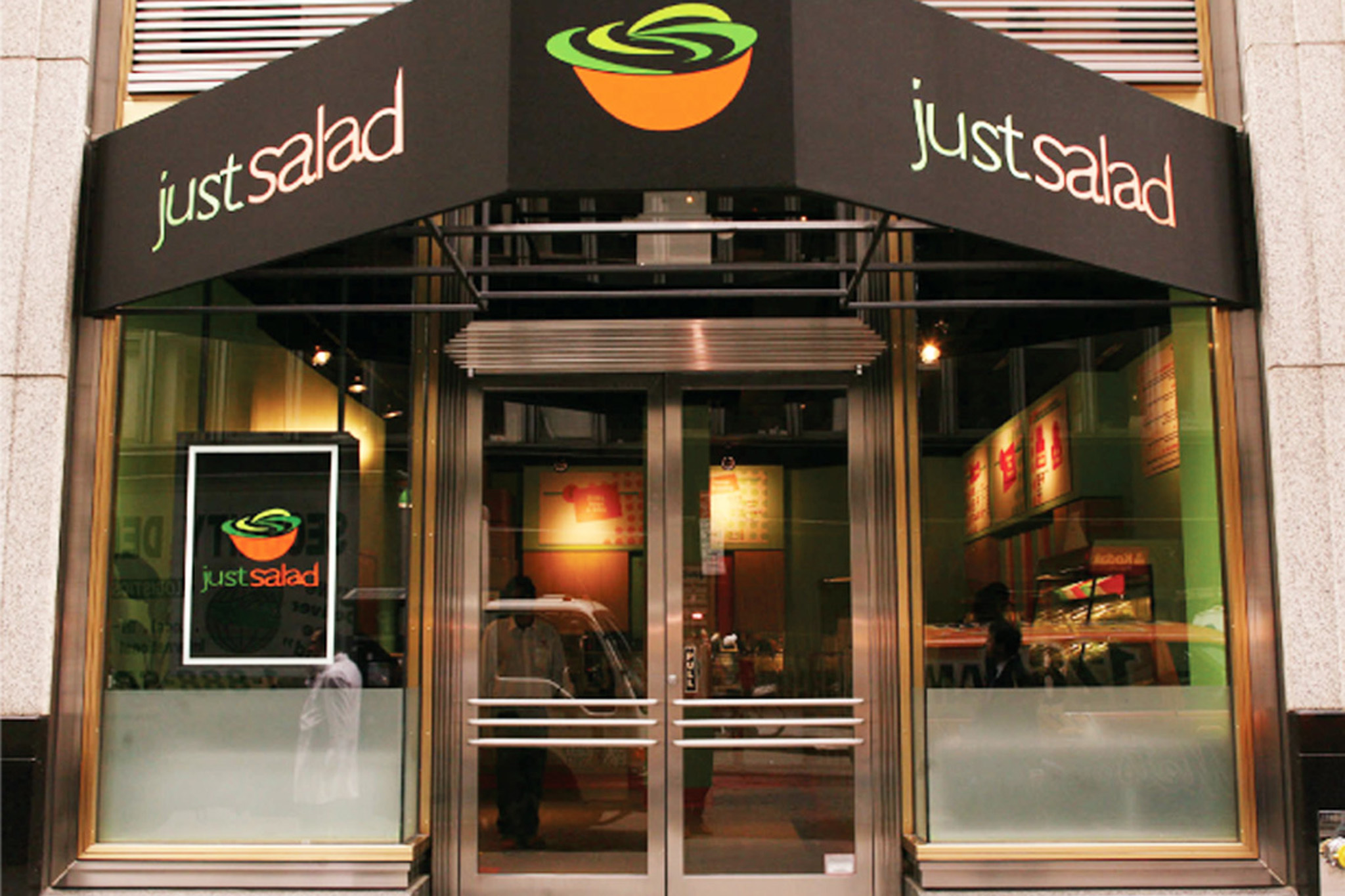
Just Salad has woven environmental responsibility into restaurant life. Reusable bowls are offered as a standard option, and the carbon labeling initiative lives on every menu item. The sustainability page highlights partnerships and an impact narrative that translates boardroom goals into daily store routines. In short, sustainability platforms aren’t side projects here; they’re integrated into guest activity and corporate operations, driving consistency across locations as the brand scales:
The practical effect is seen in every shift: waste reduction goals, menu adjustments that reflect climate targets, and training that reinforces the default toward greener choices. Stores report that these measures shape guest decisions and supplier conversations alike. The brand’s narrative is not a one-off; it’s a living framework that aligns operations with environmental results, making the sustainability promise tangible for guests and operators:
Leadership at Just Salad blends mission with market sense. In the NRN Extra Serving interview, Alex Harden framed sustainability as a menu-wide norm that guides every decision. The executive cadence emphasizes growth through product development and experiences that strengthen the sustainability story. By mid-2025, the team expanded the narrative with stronger advertising and technology investments that bridge the NYC origin to a national audience:
Jen Lally, the brand’s chief marketing officer, described shifts in advertising and technology as the expansion accelerates, including a nationwide TV campaign and updates to the mobile app and loyalty programs. This combination ties brand values to growth tactics that resonate beyond the original city, turning sustainability into a profit-and-purpose engine rather than a slogan. The leadership tone is practical: invest in visibility, sharpen the guest experience, and let the sustainability narrative carry the expansion forward:
Financial momentum backs the expansion. Industry data breaking through in 2023 showed an 87.5% same-store sales growth with unit counts rising by roughly 25% and AUVs around $2.2 million across 75 locations. The numbers pointed to a suburban push and a drive-thru pilot program that broadened access. By 2024, the chain planned its first drive-thru in Livingston, New Jersey, signaling a formal format shift to capture off-premises demand. The momentum continued into 2025 with a $200 million funding round to accelerate growth and technology investments:
With the funding came bets on menu innovation, guest experience, and technology-enabled operations. By mid-2025 into 2026, the concept has continued to scale to around 100 locations across multiple states, while refining its model for suburban markets and the evolving competitive landscape. The financial scaffolding supports a disciplined rollout, and leadership keeps the sustainability narrative at the center of the expansion plan:
Uncertainty lingers even as signals point toward scale. By 2026, Just Salad sits near the 100-location milestone, but precise counts shift as openings occur in different markets. NRN coverage places the brand in seven states, with a drive-thru pilot launched in 2024 and a broader plan in motion. The challenge for investors and operators is sustaining double-digit same-store sales growth amid ongoing expansion, plus executing well in suburban geographies and continuing menu innovation to stay ahead of peers:
The takeaway is pragmatic: growth with clarity, not speed for speed’s sake. Execution matters as much as ambition—tight unit economics, disciplined site selection, and a credible sustainability promise that customers can see in actions. For operators, the lesson is to balance product, technology, and real estate while maintaining environmental credibility. For Just Salad, the test is whether the model can translate the current narrative into durable profitability and a nationwide footprint that remains true to its sustainability roots: