
The Hidden Cost of Unpredictable Schedules on Employee Retention
Struggling with employee retention? Learn how unpredictable scheduling drives turnover and what you can do to create a more stable workforce.
operations
May 4, 2026
Struggling with employee retention? Learn how unpredictable scheduling drives turnover and what you can do to create a more stable workforce.
May 4, 2026
Photo by on Unsplash
GoTo Foods blends seven iconic brands to push snacking as a growth engine, expanding dayparts, off-premise channels, and co-branding.
May 3, 2026
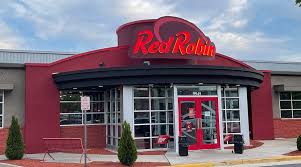
Mark Graff steps in as CFO to anchor Red Robin's First Choice turnaround with disciplined financial leadership.
May 3, 2026
Photo by Graphe Tween on Unsplash
Doinita Leahu redefines hospitality leadership with practical training, mentorship, and people-first systems guiding Vicious Biscuit’s growth.
May 3, 2026
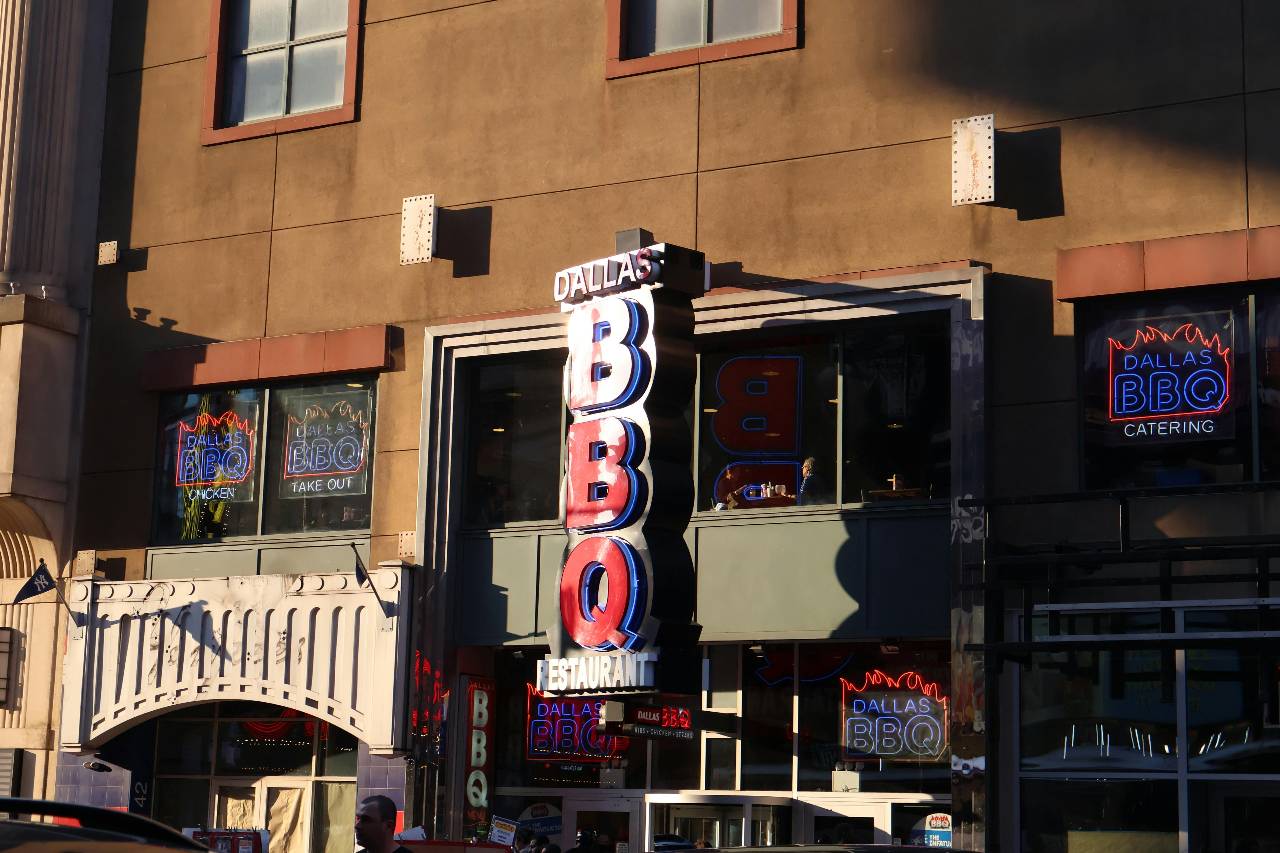
Explore high-traffic Texas markets where restaurants can succeed by matching concepts, customer behavior, visibility, and daily demand.
Apr 30, 2026
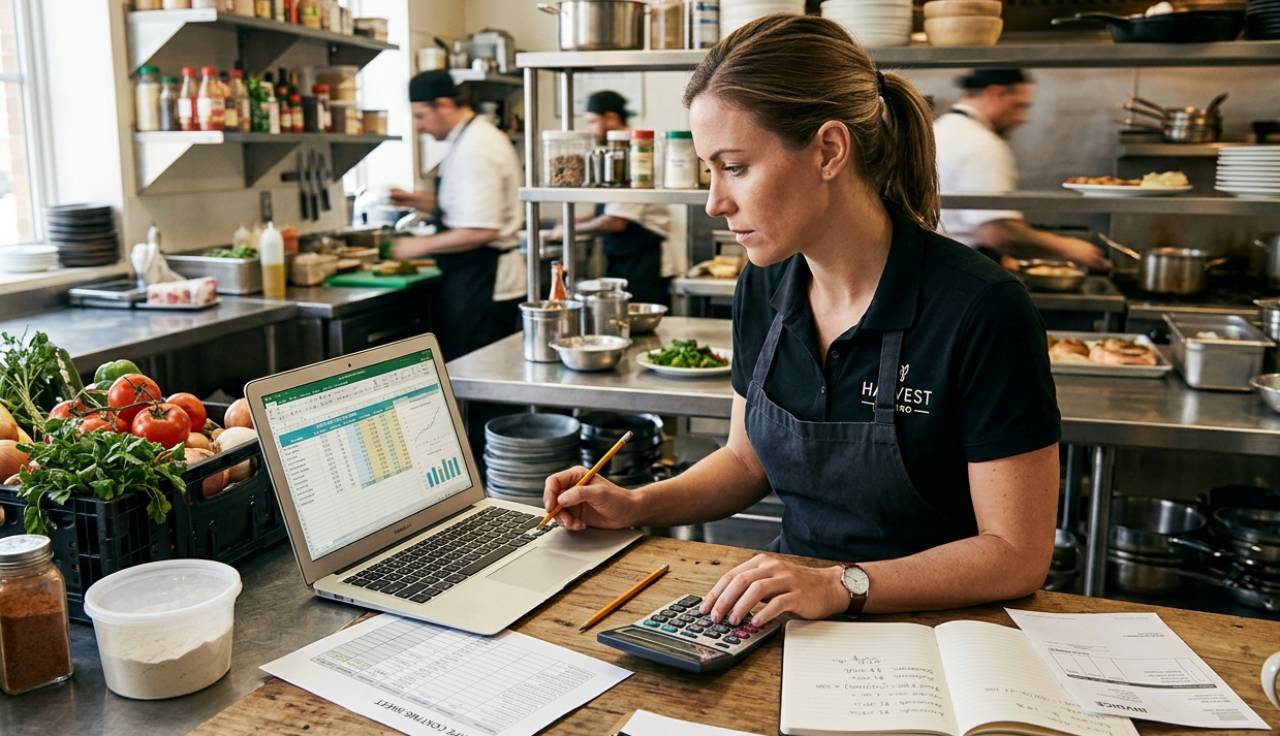
Learn how to calculate food cost, control margins, reduce waste, price menu items, and use technology to improve restaurant profit.
Apr 29, 2026
Photo by Unseen Histories on Unsplash
A look at how U.S. brands expand through multi-unit deals, cross-border partnerships, and seasoned operators in 2026.
Apr 29, 2026
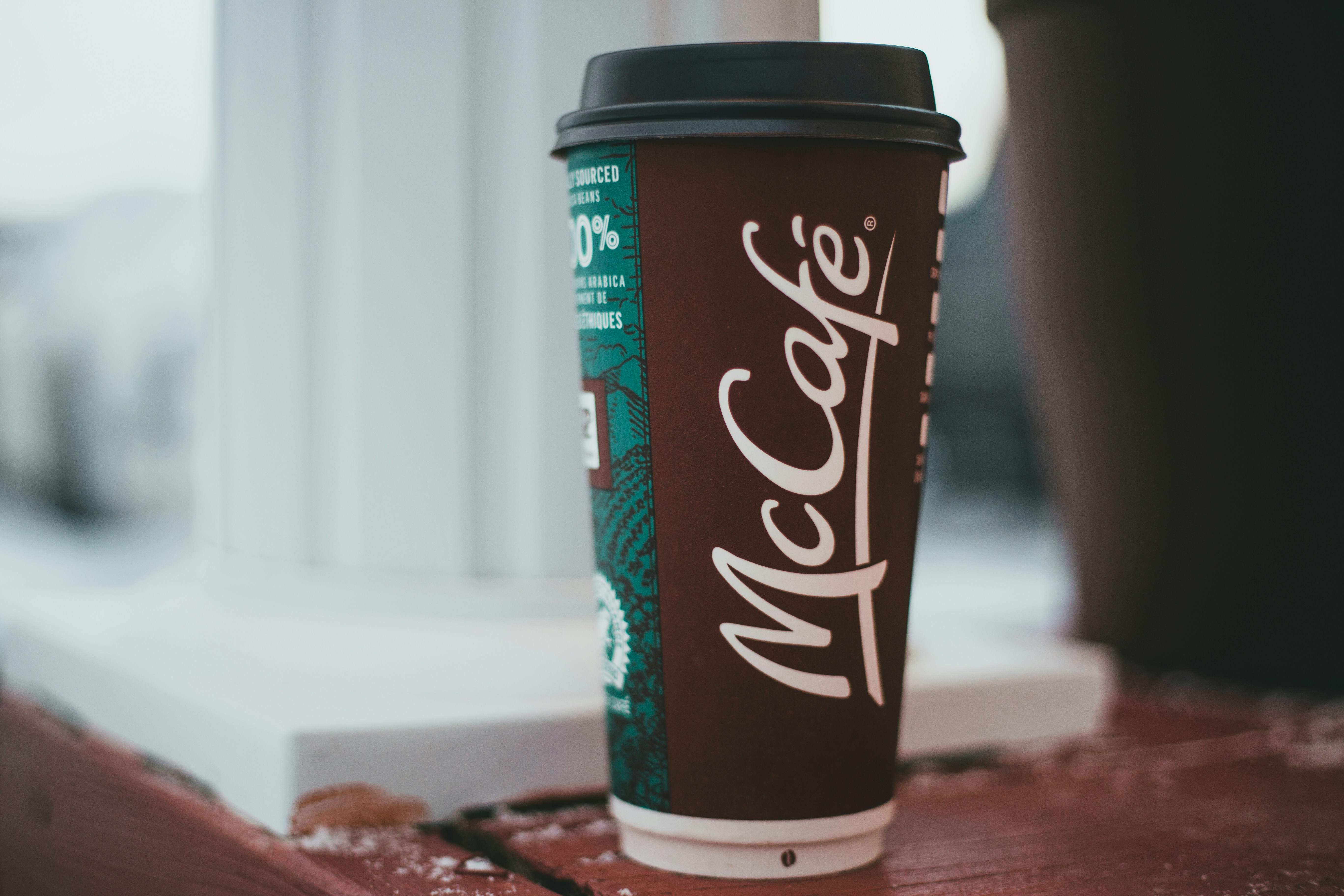
Photo by Erik Mclean on Unsplash
McDonald’s unveils six beverages across 14,000 restaurants on May 6, expanding McCafé with Refresher and crafted sodas and a new store-level beverage specialist role.
Apr 29, 2026

Learn how to write a coffee shop business plan that covers concept, location, menu, finances, branding, marketing, and risk planning.
Apr 27, 2026

Explore marketing strategies for food businesses using reviews, professional photos, SEO, social media, partnerships, events, and catering.
Apr 28, 2026
Abrupt KFC closures under EYM Chicken Operations ignite questions about franchise stability, governance, and the path to a tech-forward restaurant future.
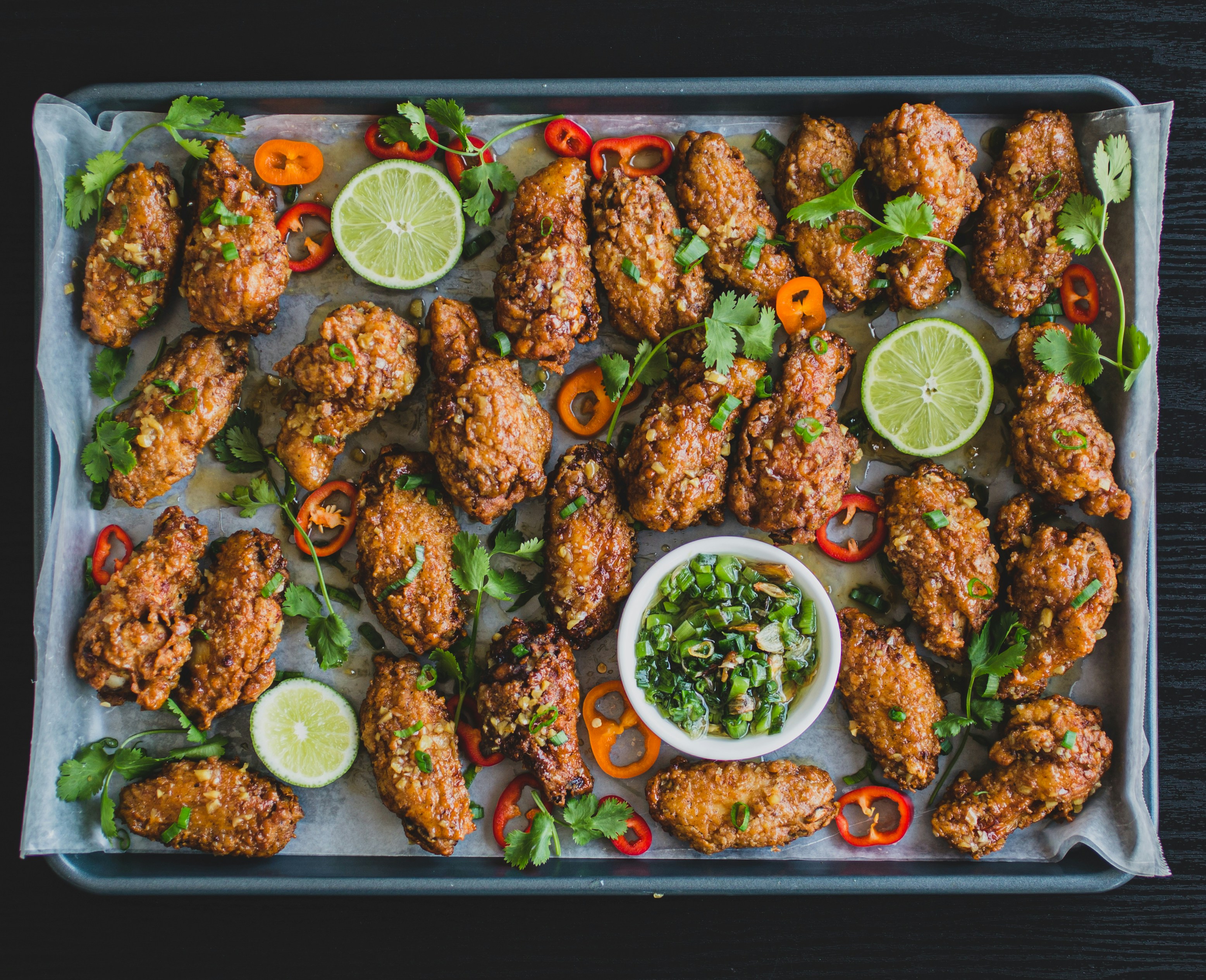
Photo by Peter Pham on Unsplash
Across Peoria and Rockford, eight KFC locations closed abruptly in recent days, a move confirmed by local coverage and the company itself. An editor’s note later tallied the total closures attributed to EYM Chicken Operations at 25 units. The sudden shuttering has left patrons and local workers stunned, amplifying questions about franchise stability and operational transparency. The speed and scope of the cuts ripple through communities, disrupting local employment, suppliers, and daily routines. In markets where a multi-brand operator anchors several concepts, the episode tests the resilience of the broader ecosystem: is this a momentary blip or a trend toward tightened control and risk-aware growth?
Viewed in a wider frame, EYM Chicken Operations is not a single-brand operator; it manages KFC, Pizza Hut, Panera, and Denny’s across Illinois, Wisconsin, and Indiana. The closures, far from being isolated incidents, spotlight how governance, oversight, and capital allocation play out when a major operator shutters multiple locations at once. In this light, the Illinois episode becomes a lens on the fragility and resilience of large, multi-brand portfolios in a rapidly evolving landscape. Stakeholders wonder how near-term pressures intersect with long-term ambition, and what governance reforms might emerge as a result.
Patrons and local workers have been left unsettled by the abrupt closures, with concerns mounting over job security, schedule reliability, and the availability of nearby dining options. Local communities rely not only on meals but also on employment opportunities, especially where a mosaic of brands sits under one operator. These closures underscore how swiftly market conditions translate into real-world disruption for employees, suppliers, and nearby residents who depend on daily access to these services. The scene in Peoria and Rockford offers a microcosm of a broader industry shift toward efficiency amid uncertainty.
Beyond the shuttered doors, the episode prompts questions about governance, risk across a portfolio, and the pace at which a multi-brand operator can reorganize, renegotiate, and rebound. For employees and suppliers who rely on the stability of a known footprint, the absence of clarity around timelines and recovery plans can complicate planning. In markets where multiple brands share a single operator, the absence of a single-page recovery strategy can deepen uncertainty and influence local procurement, scheduling, and support networks.
KFC is rolling out a significant design and tech refresh by testing a new “KFC Original” restaurant concept in 16 Orlando-area locations. Notable features include digital ordering kiosks, a modernized kitchen display system, updated employee uniforms, and fresh menu offerings like KFC Twisters and frozen beverages. The goal is to modernize the guest experience and boost efficiency. According to KBP Brands’ reporting, the KFC Original concept is being tested in other markets, with an overarching aim of future-proofing operations through digital and physical upgrades. Separately, KFC describes a broader “restaurant of the future” approach that minimizes touchpoints and speeds service via integrated systems.
Why this matters now is less about a single menu item and more about an operating thesis: align front- and back-of-house processes with evolving consumer expectations, leverage data to trim bottlenecks, and reduce friction through technology. The Orlando testing is positioned as a real-world lab for a broader rollout and regional variations. The language surrounding restaurant of the future emphasizes a shift toward fewer touchpoints and faster throughput, a framing that frames store design as both experience and operational engine.
Industry context shows a broader pivot toward speed, digital integration, and real estate reconfiguration. For example, Chick-fil-A opened a newly designed drive-thru location about 30 miles south of Atlanta, featuring four drive-thru lanes—two for ahead-of-time orders and two for traditional service—and a two-story drive-thru concept that mirrors a wider push toward throughput and efficiency. According to Axios, the design signals a sector-wide embrace of layered service models to suit lean labor markets and evolving consumer habits.
Labor market dynamics are another critical driver. Official employment data have seen a sizable downward revision, with 818,000 fewer jobs in the year ending March 2024 than previously estimated, a figure highlighted by the U.S. House Budget Committee and echoed by major outlets. In hospitality and food-service, this tightening translates into a faster push toward automation, digital ordering, and omnichannel strategies, all while brands contend with a tighter labor pool and shifting consumer expectations.
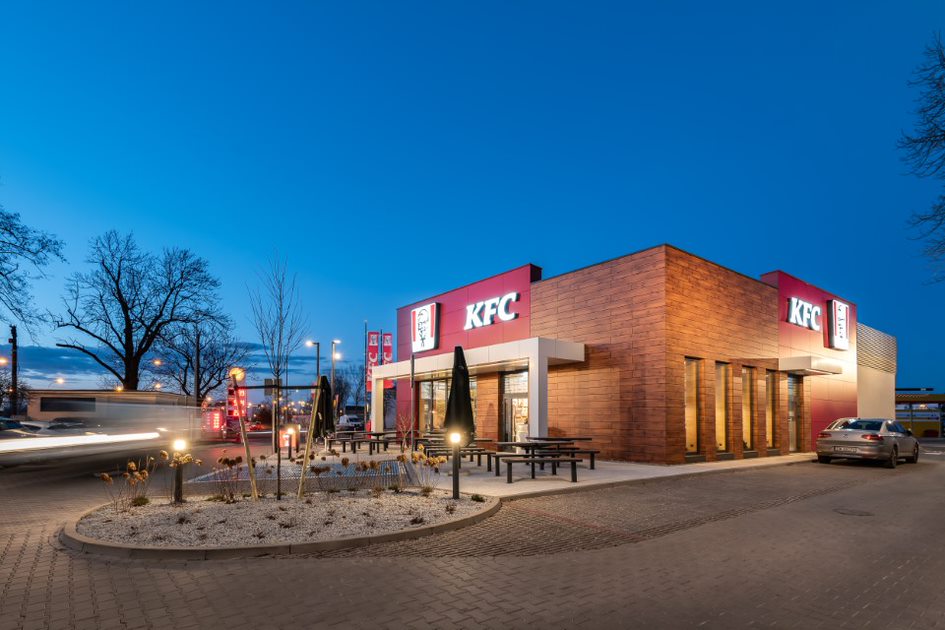
Key questions remain about the full scope of EYM Chicken Operations’ closures, the precise timeline for each shutter, and how much overlap exists between KFC and the operator’s other brands in affected states. The Orlando KFC Original testing program remains in early phases, and the ultimate rollout— including store counts, regional variations, and which menu offerings endure—remains to be seen. Analysts will watch how closures influence investor confidence, franchisee recruitment and retention, and the speed with which in-store innovations translate into measurable customer gains.
What’s next for the road ahead hinges on whether the drive toward high-tech, high-throughput formats can counterbalance ongoing cost pressures and a tighter labor market. If the KFC Original concept proves successful in Orlando and beyond, it could shape national rollouts, informing how quick-service brands structure store-level operations, integrate technology, and synchronize front- and back-of-house processes with shifting expectations. The broader arc remains a test of whether modernization can be a thoughtful, balanced, and nourishing path forward for a franchise network operating across multiple concepts.