
The Hidden Cost of Unpredictable Schedules on Employee Retention
Struggling with employee retention? Learn how unpredictable scheduling drives turnover and what you can do to create a more stable workforce.
operations
May 4, 2026
Struggling with employee retention? Learn how unpredictable scheduling drives turnover and what you can do to create a more stable workforce.
May 4, 2026
Photo by on Unsplash
GoTo Foods blends seven iconic brands to push snacking as a growth engine, expanding dayparts, off-premise channels, and co-branding.
May 3, 2026
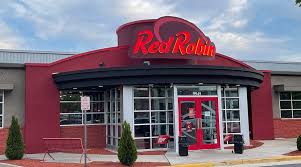
Mark Graff steps in as CFO to anchor Red Robin's First Choice turnaround with disciplined financial leadership.
May 3, 2026
Photo by Graphe Tween on Unsplash
Doinita Leahu redefines hospitality leadership with practical training, mentorship, and people-first systems guiding Vicious Biscuit’s growth.
May 3, 2026
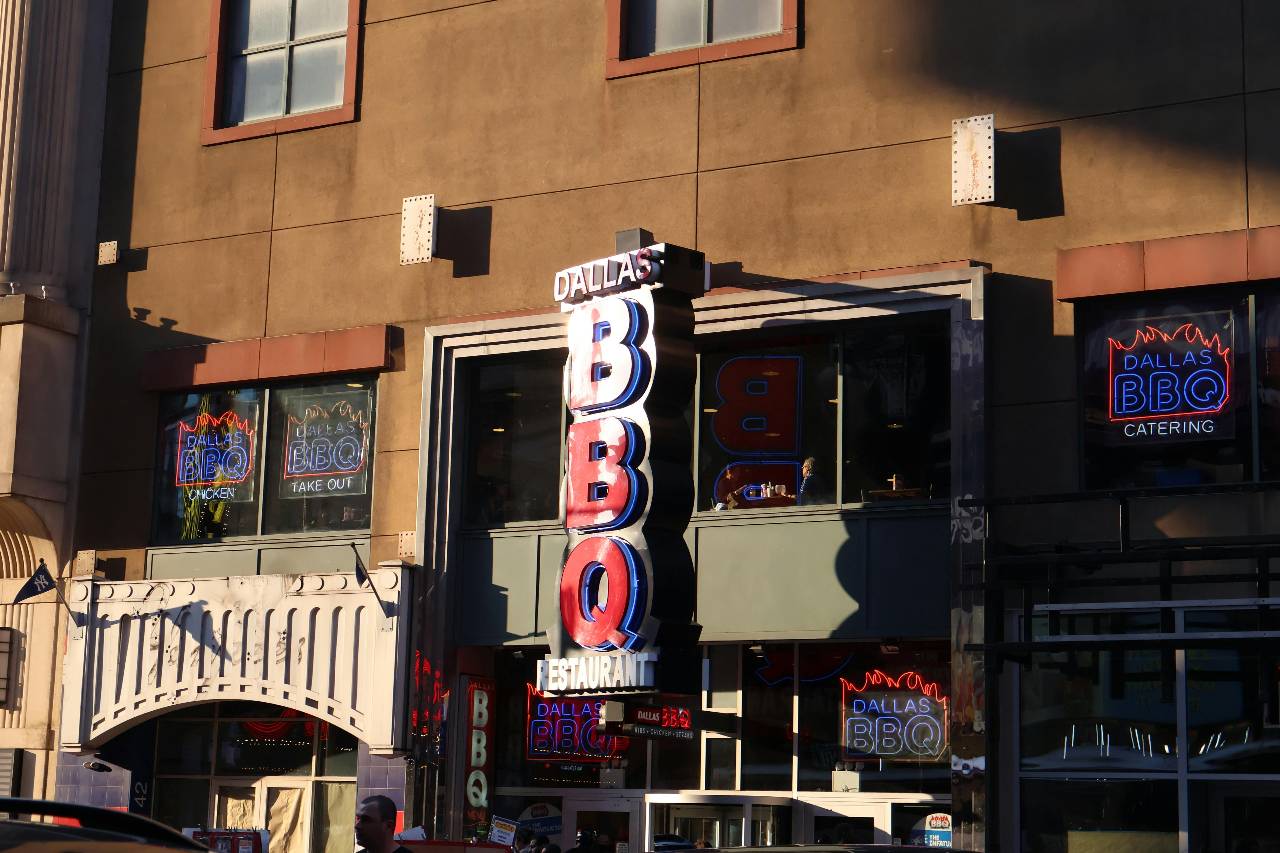
Explore high-traffic Texas markets where restaurants can succeed by matching concepts, customer behavior, visibility, and daily demand.
Apr 30, 2026
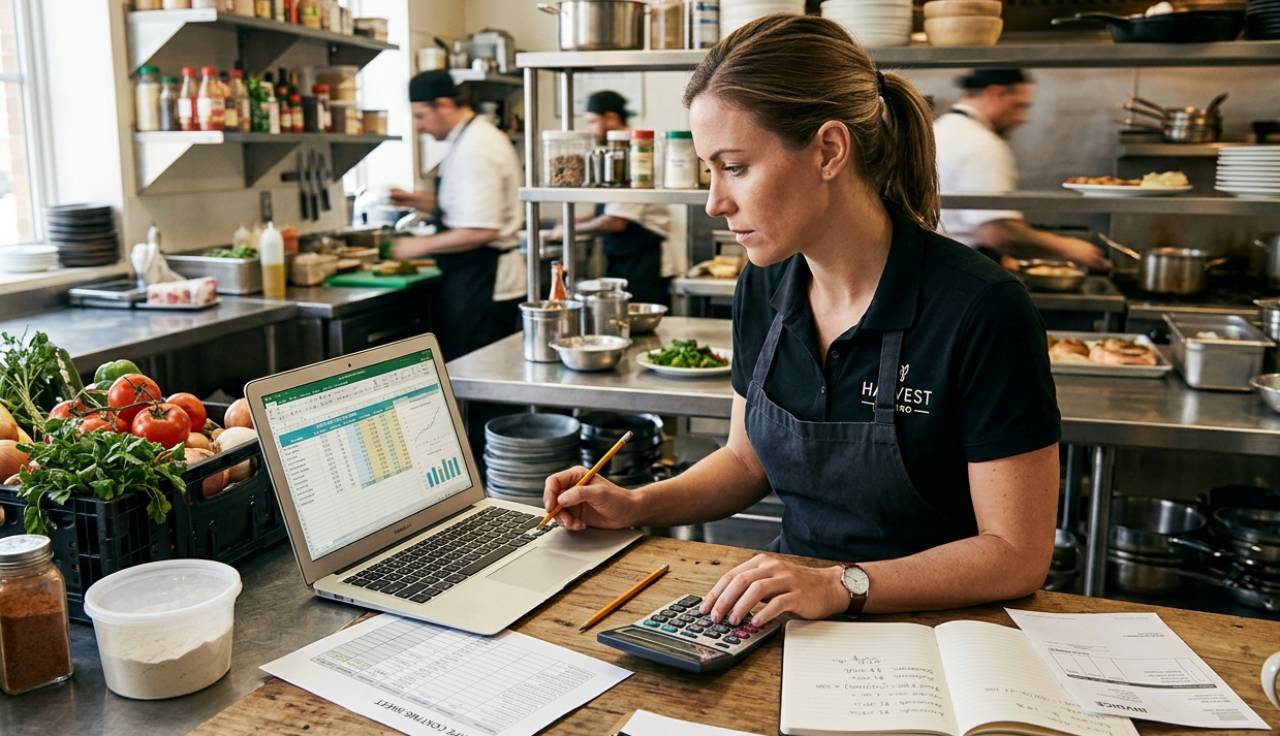
Learn how to calculate food cost, control margins, reduce waste, price menu items, and use technology to improve restaurant profit.
Apr 29, 2026

Photo by Unseen Histories on Unsplash
A look at how U.S. brands expand through multi-unit deals, cross-border partnerships, and seasoned operators in 2026.
Apr 29, 2026
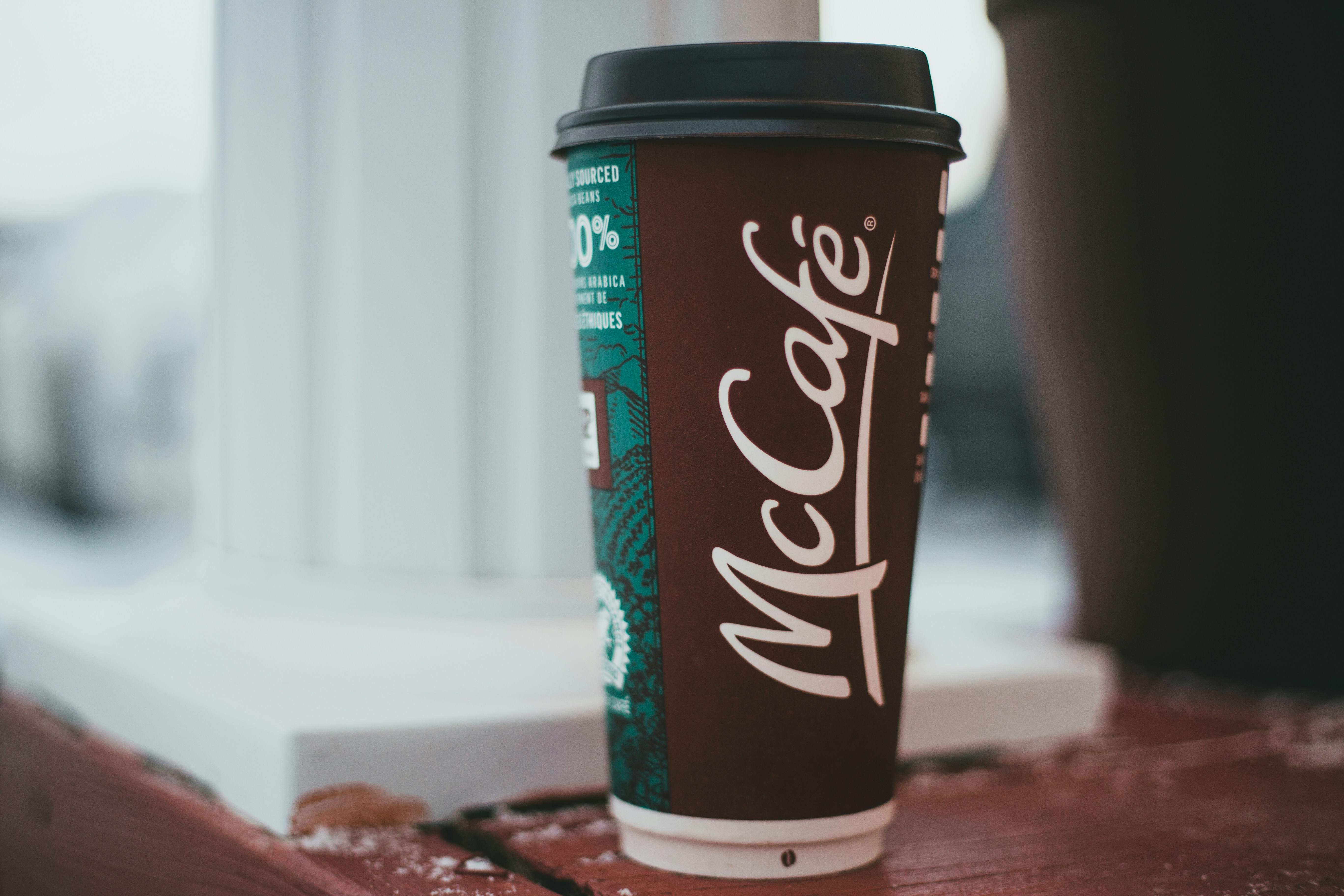
Photo by Erik Mclean on Unsplash
McDonald’s unveils six beverages across 14,000 restaurants on May 6, expanding McCafé with Refresher and crafted sodas and a new store-level beverage specialist role.
Apr 29, 2026
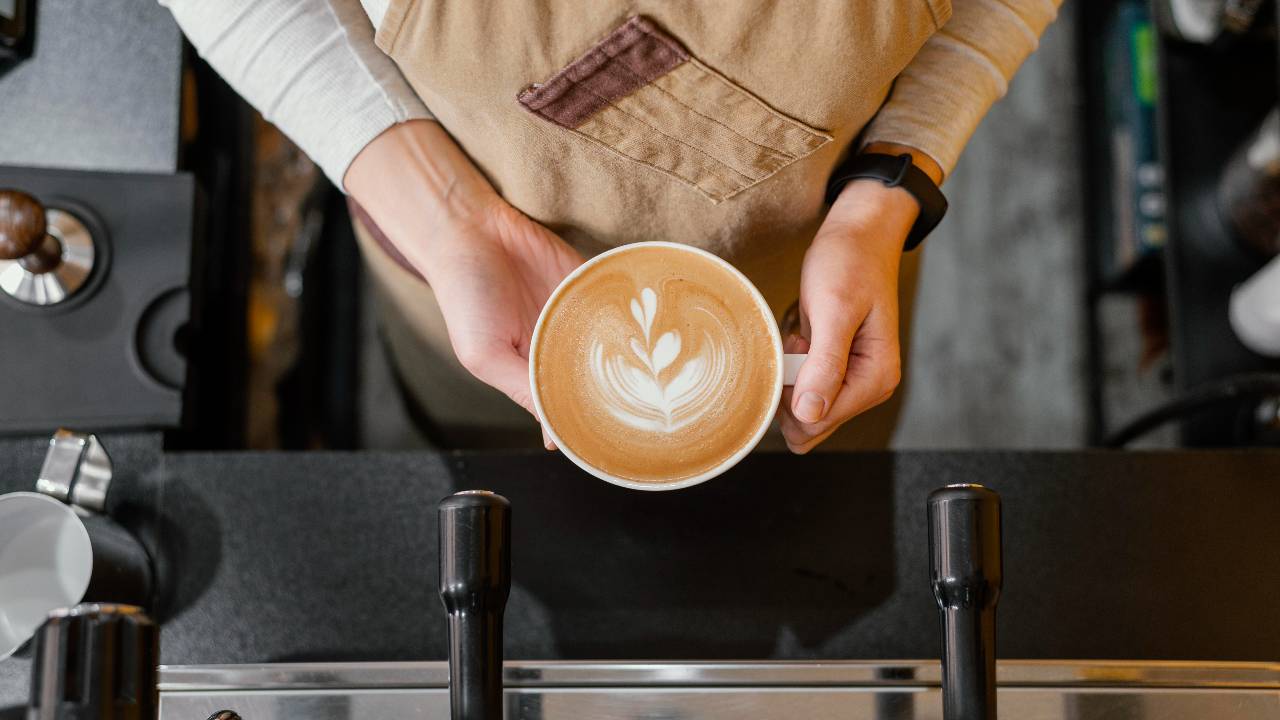
Learn how to write a coffee shop business plan that covers concept, location, menu, finances, branding, marketing, and risk planning.
Apr 27, 2026
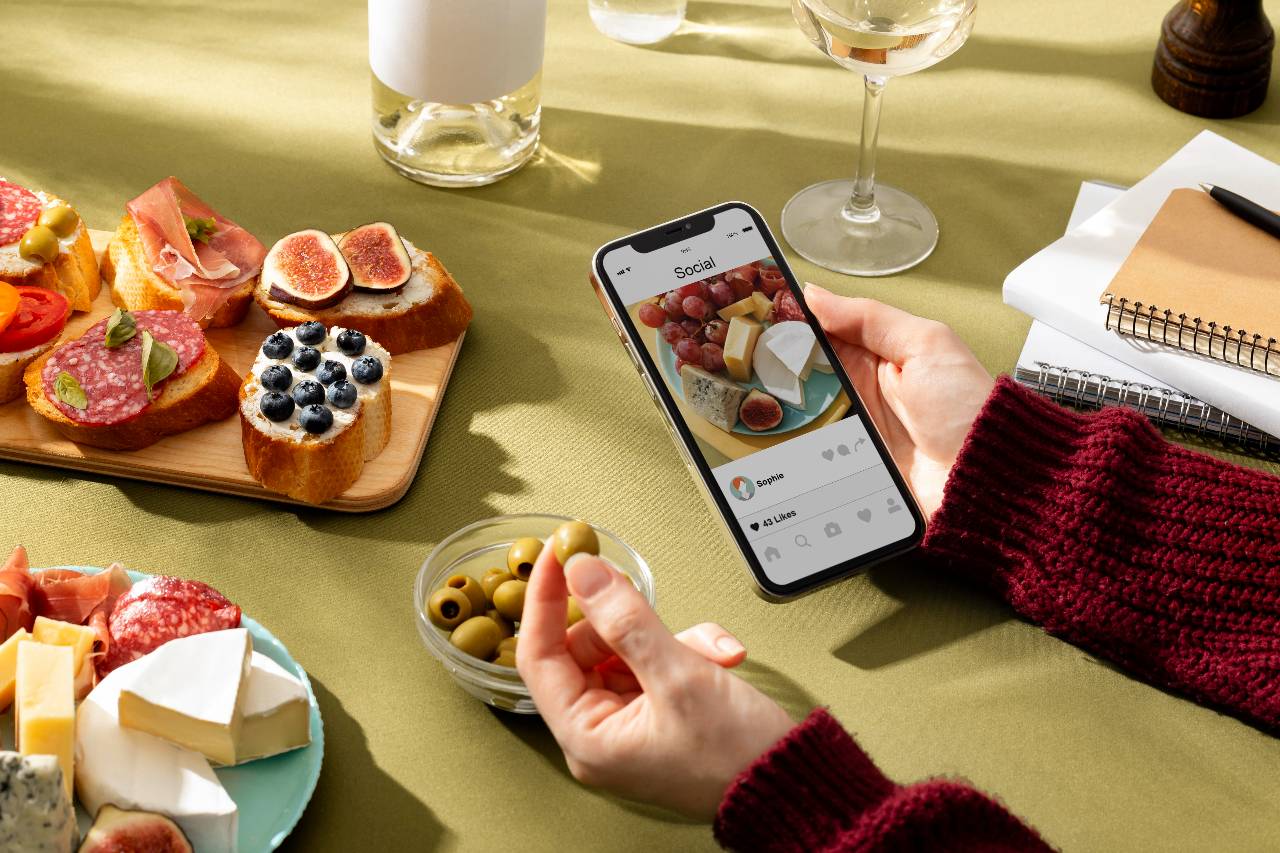
Explore marketing strategies for food businesses using reviews, professional photos, SEO, social media, partnerships, events, and catering.
Apr 28, 2026
A close look at 2024's executive moves across marquee brands, revealing a talent-driven playbook shaping growth, digital strategy, and cross-border expansion.
Photo by Mario Mendez on Unsplash
August 2024 introduced a reframed calculus of leadership in the restaurant world. A wave of turnover and cross-brand mobility turned the C‑suite into a strategic lever, not merely a housekeeping concern. The most talked-about pivot came when Starbucks moved to appoint Brian Niccol of Chipotle as its next chief executive, following a high-profile departure at the latter. This moment felt less like a reshuffle and more like a signal that leadership is being reimagined as a strategic lever for speed and resilience in a rapidly shifting marketplace. The table is being rotated not to hide risk, but to invite fresh thinking, balanced growth, and a thoughtful approach to scale.
Panera Bread publicly announced the appointment of Mark Shambura as chief marketing officer, effective August 8, 2024, drawing on his track record from Papa Johns where he led brand-building efforts. The shift highlighted a broader industry pattern: brands importing external energy to energize marketing, loyalty, and digital initiatives while preserving an internal succession rhythm. In the same window, Chick-fil-A disclosed its sixth president in August 2024, elevating Susannah Frost to lead the company with a long-horizon view. The cadence of moves underscores leadership as a disciplined capability—a nourishing tonic for growth and a signal to investors that governance is part of strategy. "Just because they don’t have new leaders, doesn’t mean other major restaurant companies aren’t making changes too."

Panera Bread’s leadership ripple extended beyond marketing changes. Its CMO appointment, tied to Mark Shambura’s prior tenure at Papa Johns, demonstrates how brands lean on external marketing leadership to accelerate brand revitalization and data-driven growth. In a parallel thread, Popeyes unveiled a dual-track push: Bart LaCount as chief marketing officer for the U.S. and Canada and Matt Rubin as chief digital officer, signaling that guest engagement now hinges on a seamless omnichannel play. Even KFC moved a Canada-based president and GM to lead U.S. marketing, a deliberate cross-border talent mobility aimed at sharpening brand-market synergies.
Sweetgreen added Christopher Tarrant as SVP, Chief Development Officer, later in August 2024, to steer development and expansion. FAT Brands staffed senior roles with Ammy Harrison (Non‑Traditional Development) and Maiyo Hood (International Development) to fuel geographic diversification. Black Bear Diner tapped a chief operations officer with a PF Chang’s background to strengthen operational execution across its growing footprint. Taken together, these moves reveal a methodical blend of internal promotion and selective external hires designed to accelerate scale, geography, and channel mix while keeping a steady hand on core operations.
Marketing and digital leadership became a central axis for value creation during this period. The Panera and Popeyes moves, rooted in Shambura and Bart LaCount, show how brands are pairing marketing strength with digital speed to meet guests where they are. The aim is not only to refresh a portfolio but to craft a coherent, nourishing guest journey that remains balanced for the balance sheet. In short, leadership in marketing is becoming the front line of guest experience, data use, and loyalty.
Dual-track leadership—strong marketing paired with robust digital capability—recurred across the sector. Brands moved to place a dedicated digital officer alongside marketing leaders to accelerate experimentation across apps, websites, and in-store experiences. The effect is a brand narrative that reads as deliberate, not hurried, inviting a steady, thoughtful evolution of guest engagement while guarding margins. As guest expectations evolve, so too does the leadership playbook that shapes how, where, and when brands invest in growth.
Timelines and financial dimensions formed the skeleton of the rhythm. Publicly, Chipotle announced that Brian Niccol would depart as chief executive, effective August 31, 2024, triggering a defined succession as a new leadership team took shape. In tandem, Chick-fil-A confirmed Susannah Frost as president, marking the sixth individual to hold the role since the company’s founding and signaling a mature, prepared approach to succession. Other August 2024 shifts—Popeyes with Bart LaCount and Matt Rubin, and BurgerFi with a chief restructuring officer—charted a calendar where leadership changes map onto expansion and governance milestones.
McDonald’s and Domino’s also jockeyed for governance and leadership evolutions in this window, underscoring a shared motive: align leadership with faster execution, tighter margins, and a bold international expansion trajectory. Analysts describe the period as a baseline of churn that, when managed well, becomes a strategic asset—an engine for disciplined growth rather than chaos. The takeaway is clear: leadership changes are increasingly treated as deliberate investments in operational tempo, digital capability, and the ability to translate vision into measurable results.
Operational implications emerge when leadership becomes a translation layer—from boardroom intent to storefront execution. The current pattern—internal promotion complemented by targeted external hires—points to a thoughtful, balanced approach to scale. Leaders are asked to harmonize marketing, development, and operations so that growth feels nourishing to guests and sustainable for margins. This is not a push for sensational change, but a steady elevation of capability that respects geography, consumer preference, and the realities of a crowded market.
For operators and investors, the message is clear: leadership depth matters, the ability to attract top talent across brands matters, and the translation of governance moves into store performance, digital engagement, and long‑term profitability matters most. As the sector absorbs these changes, stakeholders will watch how newly minted leaders implement growth strategies, navigate cross-border opportunities, and respond to evolving consumer preferences in 2025 and beyond. The continuing evolution of this leadership narrative will likely shape governance and competitive dynamics across the restaurant industry.