
The Hidden Cost of Unpredictable Schedules on Employee Retention
Struggling with employee retention? Learn how unpredictable scheduling drives turnover and what you can do to create a more stable workforce.
operations
May 4, 2026
Struggling with employee retention? Learn how unpredictable scheduling drives turnover and what you can do to create a more stable workforce.
May 4, 2026
Photo by on Unsplash
GoTo Foods blends seven iconic brands to push snacking as a growth engine, expanding dayparts, off-premise channels, and co-branding.
May 3, 2026
Mark Graff steps in as CFO to anchor Red Robin's First Choice turnaround with disciplined financial leadership.
May 3, 2026
Photo by Graphe Tween on Unsplash
Doinita Leahu redefines hospitality leadership with practical training, mentorship, and people-first systems guiding Vicious Biscuit’s growth.
May 3, 2026
Explore high-traffic Texas markets where restaurants can succeed by matching concepts, customer behavior, visibility, and daily demand.
Apr 30, 2026
Learn how to calculate food cost, control margins, reduce waste, price menu items, and use technology to improve restaurant profit.
Apr 29, 2026

Photo by Unseen Histories on Unsplash
A look at how U.S. brands expand through multi-unit deals, cross-border partnerships, and seasoned operators in 2026.
Apr 29, 2026
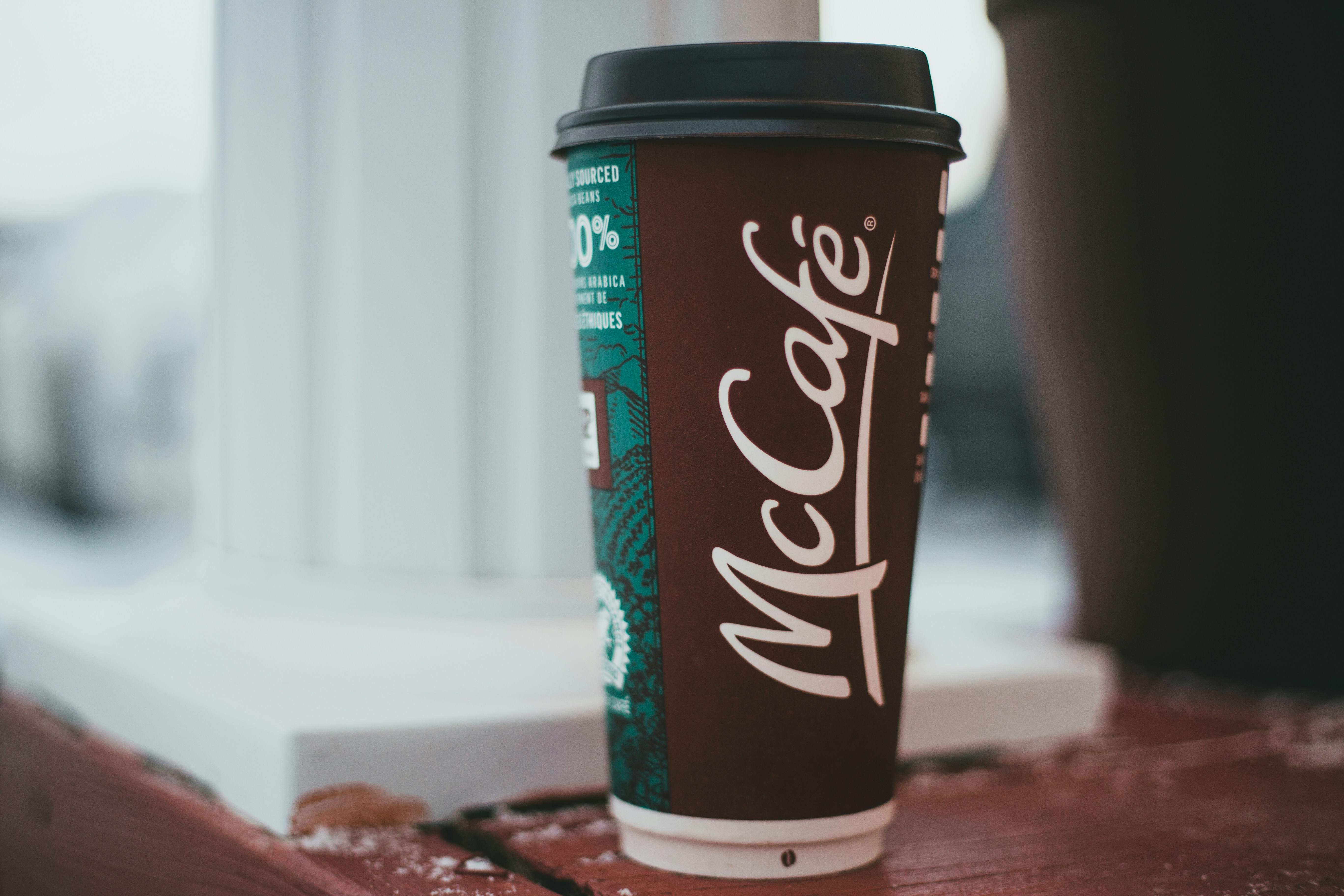
Photo by Erik Mclean on Unsplash
McDonald’s unveils six beverages across 14,000 restaurants on May 6, expanding McCafé with Refresher and crafted sodas and a new store-level beverage specialist role.
Apr 29, 2026
Learn how to write a coffee shop business plan that covers concept, location, menu, finances, branding, marketing, and risk planning.
Apr 27, 2026
Explore marketing strategies for food businesses using reviews, professional photos, SEO, social media, partnerships, events, and catering.
Apr 28, 2026
A warm, expert view on McDonald’s 2025 momentum—value-led pricing, a growing loyalty program, and digital initiatives reshaping guest relationships.
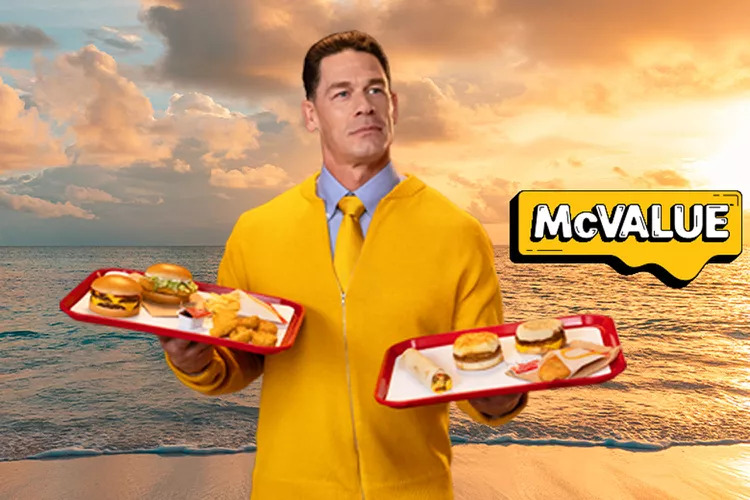
At the close of 2025, McDonald’s presents momentum with a soft, assured tone rather than a loud trumpet. The latest results show a trajectory that blends value with convenience, inviting guests to linger in the moment as much as to grab a quick bite. In a world that rewards simplicity and speed, the brand has nudged guests toward a familiar routine: an affordable option, a familiar app, and a touch of personal touch that turns a simple meal into a comforting moment. The story feels less like a surge and more like a welcome home: what exactly is fueling this momentum?
On a quarterly basis, global comparable sales rose 5.7% in Q4, with the U.S. up 6.8%, International Operated Markets up 5.2%, and International Developmental Licensed Markets up 4.5%. For the full year, global Systemwide sales climbed 7% (5% in constant currencies) to more than $139 billion. The growth engine rests in part on a growing loyalty program: across 70 loyalty markets, Systemwide sales to loyalty members rose 20% to nearly $37 billion, and 90-day active loyalty users reached roughly 210 million. “McDonald’s value leadership is working,” said Chairman and CEO Chris Kempczinski, a refrain the team ties to stronger traffic and value perceptions. This momentum suggests the loyalty program will stay central as the consumer environment grows more complex.
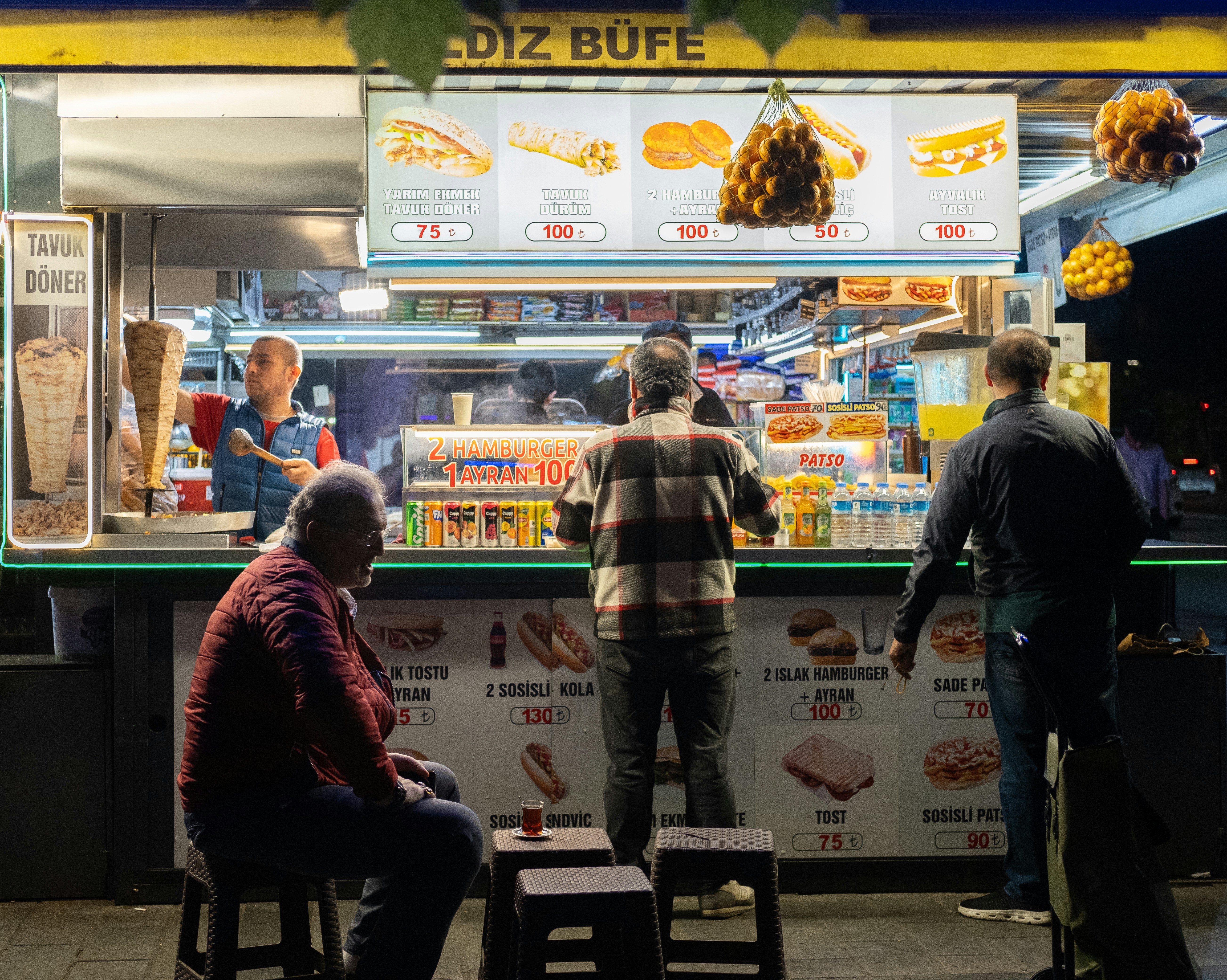
Behind the optimistic headlines, a more stubborn weather remains: the economy's squeeze on lower- and middle-income households. The leadership warned early last year of a more discriminating consumer, and as 2025 wore on those pressures broadened. Quick-service traffic slowed in many markets, and industry chatter has tracked softer visits in the U.S., Australia, Canada, and Germany. In this café-quiet moment of business reporting, the lesson feels intimate: the path to growth must be walked with discipline, not rushed price hikes that risk long-term brand warmth.
To balance this, McDonald’s has pursued a more disciplined value architecture rather than relying on price-cutting alone. The aim is to preserve brand equity while maintaining traffic across regions. In Europe and beyond, value-led adjustments in places like Germany, Spain, and Poland helped stabilize or improve share; the United States, meanwhile, demanded a broader value platform beyond a single offer. The challenge remains: how to sustain affordability without eroding perceived quality in the long arc of growth.
Across markets, inflation pressure has pushed a flexible value approach—with selective price adjustments and, in some locales, more adaptable value programs. In international markets, Germany, Spain, and Poland stand as examples where value-led moves helped stabilize or lift share, while the U.S. required a broader platform to sustain traffic amid persistent cost pressures. The strategy is not just about a single deal; it is a broader playbook to reconcile short-term traffic with long-term brand health.
The pivot toward value couples pricing discipline with localized menu flexibility, a combination designed to keep guests returning even as prices rise. The emphasis is on sustaining confidence in the brand while safeguarding margins, a balancing act that invites a patient, lingering look from operators and guests alike.
A centerpiece of the U.S. value push has been the Five Dollar Meal Deal, which quickly became a bellwether for consumer response to McDonald’s value messaging. On the call, U.S. leadership described the deal as exceeding expectations in attracting lower-income shoppers and signaling a shift in sentiment toward value and affordability. The operational reality on the ground was nuanced: trial rates were strongest among lower-income consumers, but the impact on overall comparable sales would depend on sustained guest counts alongside rising average checks. The broader takeaway is that the promotion reshaped perceptions of affordability, with franchisees broadly supportive of extending the platform.
A note from U.S. leadership indicated that 93% of McDonald’s restaurants had agreed to extend the platform further into the summer, reflecting strong operator conviction that the deal could help stabilize demand during a challenging macro backdrop. The lesson is less about one program and more about how a well-timed, widely endorsed value push can shape momentum even when inflation looms.
Beyond price promotions, McDonald’s has intensified digital engagement as a lever for both value and convenience. The company rolled out nationwide Free Fry Fridays via its mobile app, offering a free medium fry with a $1 purchase on Fridays, a move designed to drive app adoption and frequency. The digital programs have emerged as a bright spot, with loyalty not only expanding in reach but also lifting the share of sales. In 2025, the loyalty program’s scale was highlighted by 90-day active users at roughly 210 million, and loyalty-driven systemwide sales climbing to nearly $37 billion across 70 markets.
These figures underscore a broader trend: investments in data, personalization, and app-first experiences are turning transactions into deeper guest relationships. The loyalty program now accounts for a meaningful portion of U.S. systemwide sales, illustrating how digital engagement translates into tangible growth and a steadier base of visits beyond promotions.