
The Hidden Cost of Unpredictable Schedules on Employee Retention
Struggling with employee retention? Learn how unpredictable scheduling drives turnover and what you can do to create a more stable workforce.
operations
May 4, 2026
Struggling with employee retention? Learn how unpredictable scheduling drives turnover and what you can do to create a more stable workforce.
May 4, 2026
Photo by on Unsplash
GoTo Foods blends seven iconic brands to push snacking as a growth engine, expanding dayparts, off-premise channels, and co-branding.
May 3, 2026
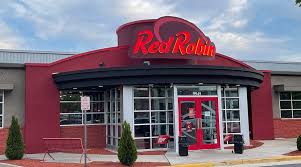
Mark Graff steps in as CFO to anchor Red Robin's First Choice turnaround with disciplined financial leadership.
May 3, 2026
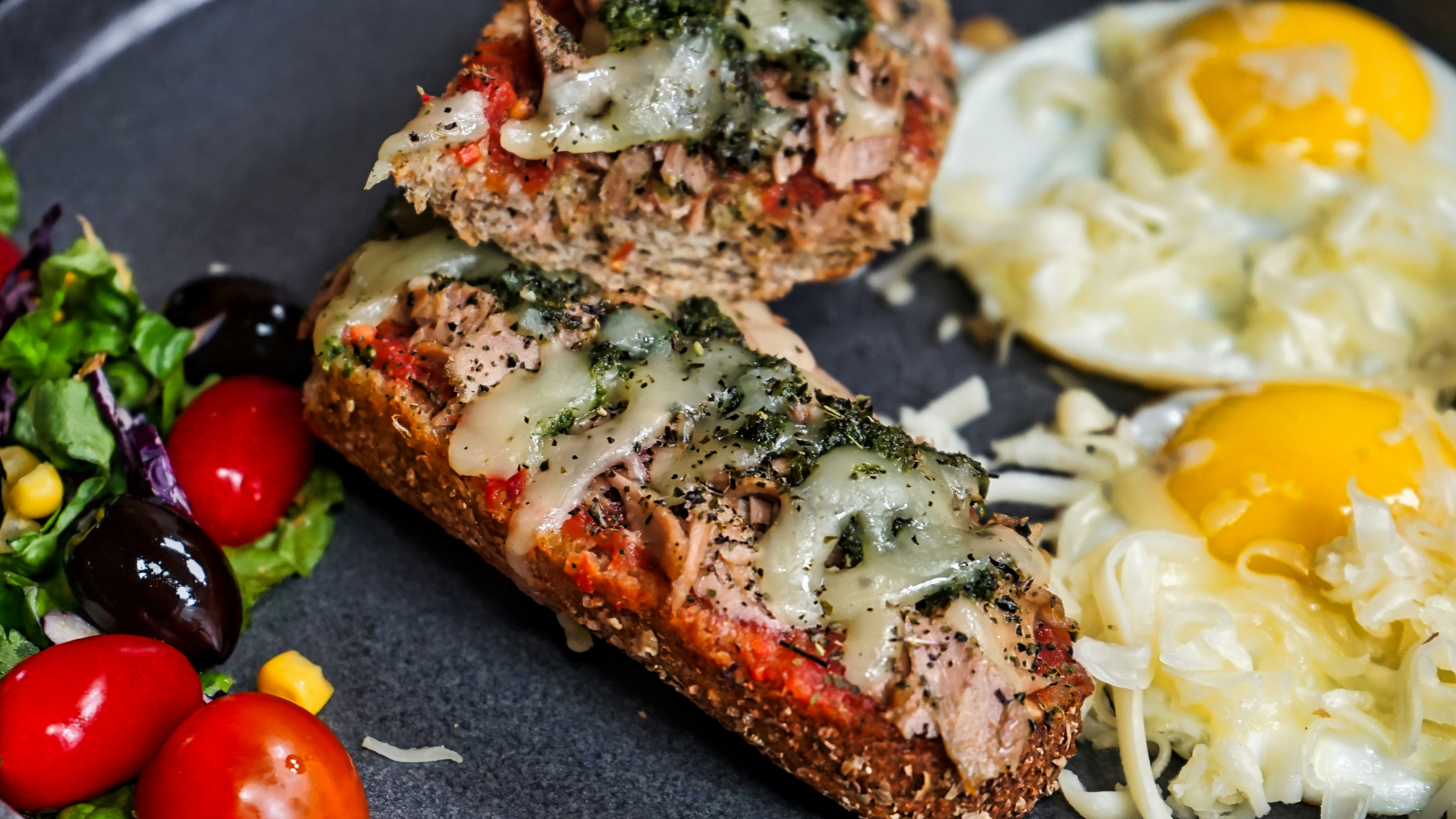
Photo by Graphe Tween on Unsplash
Doinita Leahu redefines hospitality leadership with practical training, mentorship, and people-first systems guiding Vicious Biscuit’s growth.
May 3, 2026
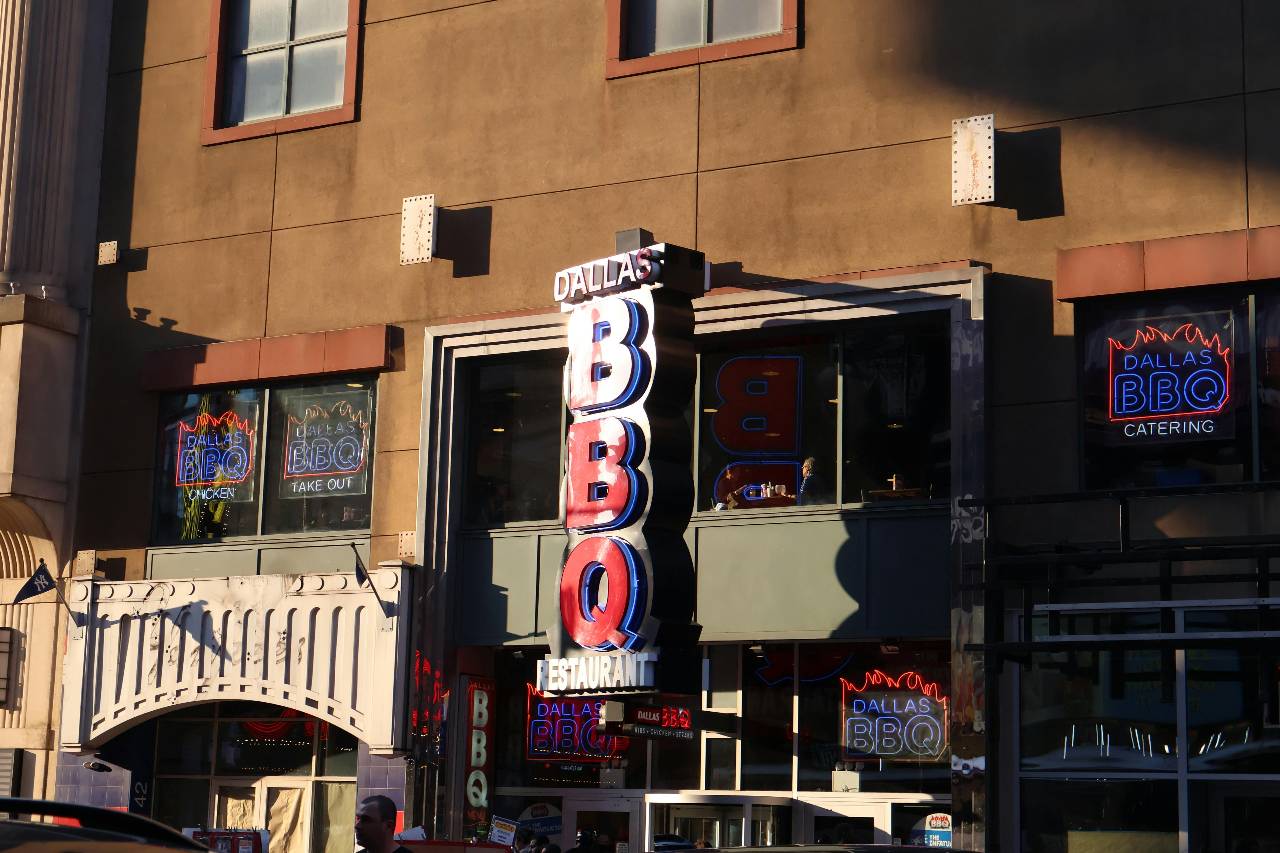
Explore high-traffic Texas markets where restaurants can succeed by matching concepts, customer behavior, visibility, and daily demand.
Apr 30, 2026
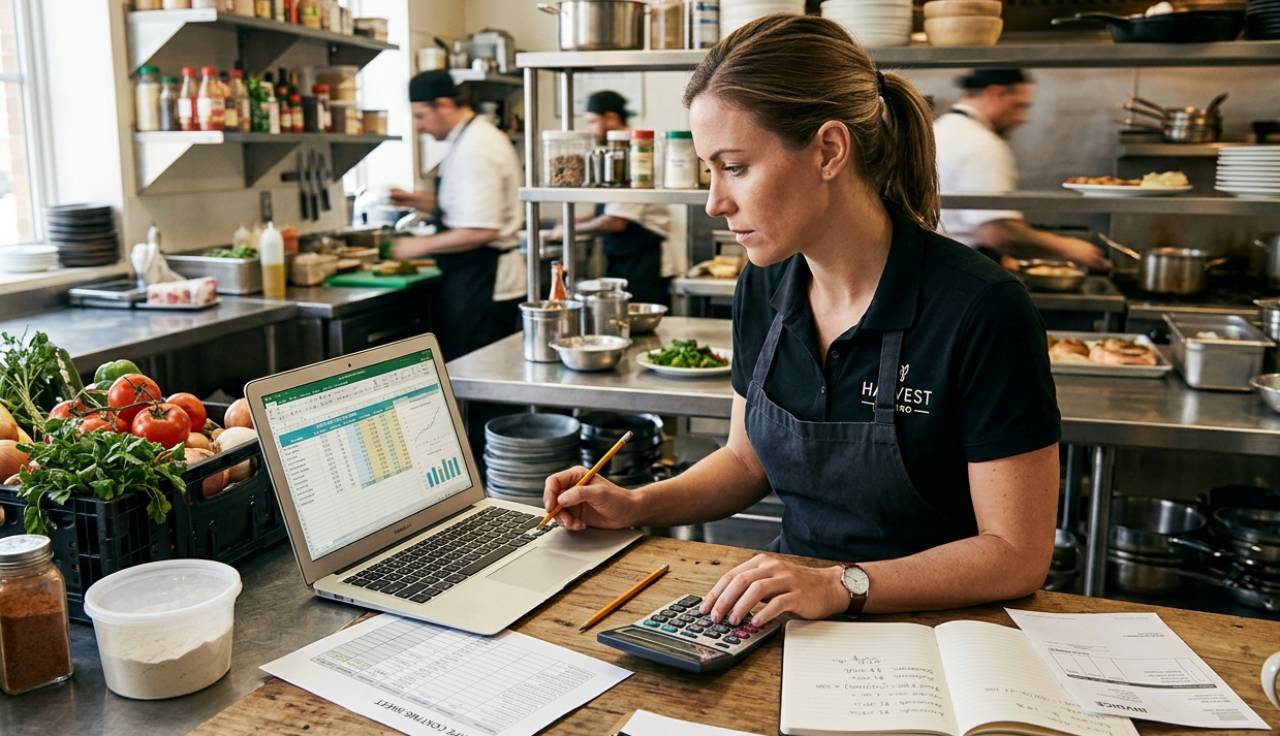
Learn how to calculate food cost, control margins, reduce waste, price menu items, and use technology to improve restaurant profit.
Apr 29, 2026

Photo by Unseen Histories on Unsplash
A look at how U.S. brands expand through multi-unit deals, cross-border partnerships, and seasoned operators in 2026.
Apr 29, 2026

Photo by Erik Mclean on Unsplash
McDonald’s unveils six beverages across 14,000 restaurants on May 6, expanding McCafé with Refresher and crafted sodas and a new store-level beverage specialist role.
Apr 29, 2026
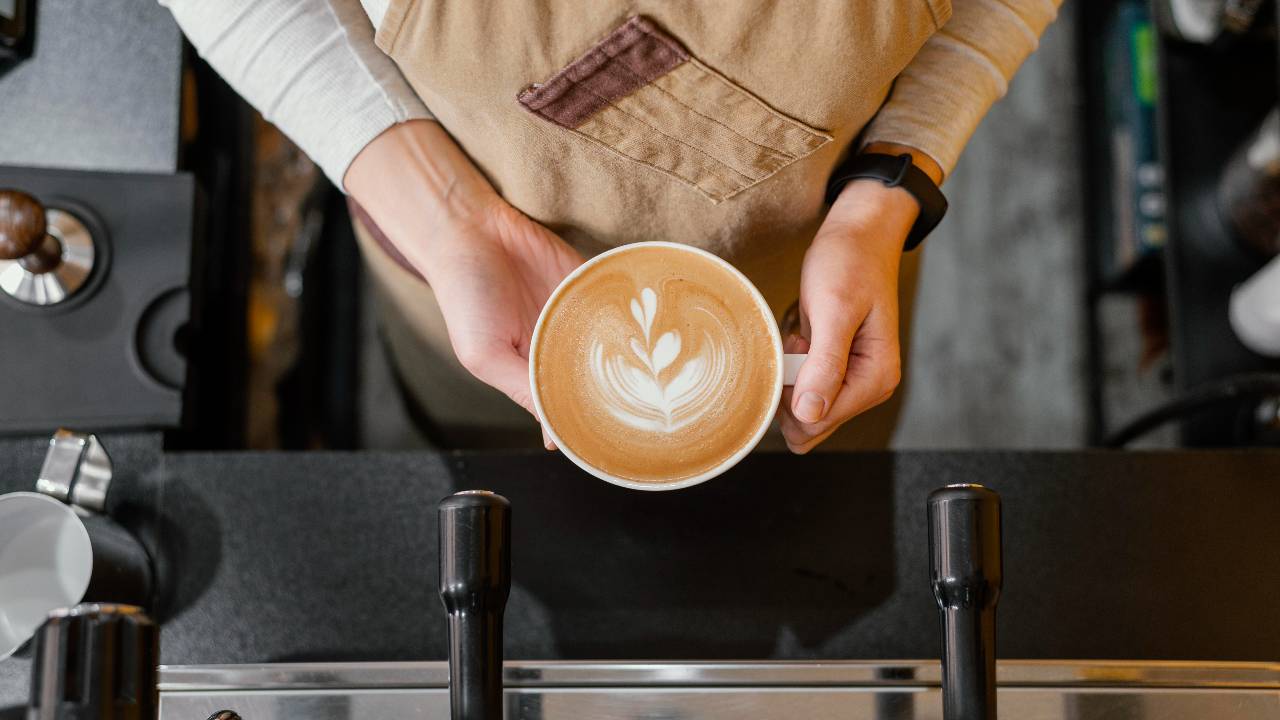
Learn how to write a coffee shop business plan that covers concept, location, menu, finances, branding, marketing, and risk planning.
Apr 27, 2026
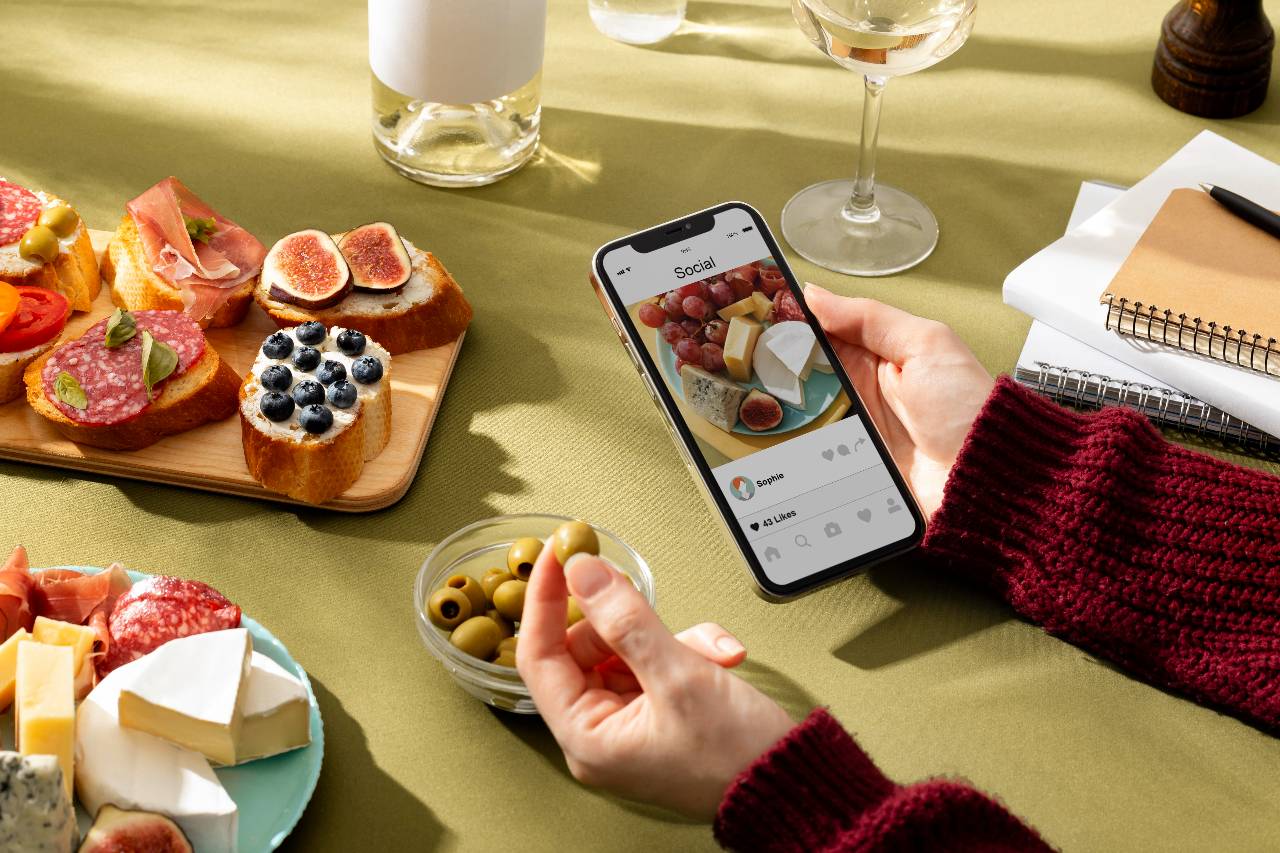
Explore marketing strategies for food businesses using reviews, professional photos, SEO, social media, partnerships, events, and catering.
Apr 28, 2026
A portrait of Naomi Pomeroy’s impact from Beast to the IRC and RRF, reshaping Portland’s dining scene and national policy.
Photo by Alice Donovan Rouse on Unsplash
Naomi Pomeroy wasn’t just a chef. She was a compass for Portland’s dining scene, a voice who turned a kitchen into a bold conversation about courage, labor, and place. When word spread that she had died in a tubing accident, the city paused. The news hit hard, not just for the loss of a singular talent but for the unraveling of a path she helped lay out for independent operators everywhere. Her work lived beyond recipes—she rewrote what a chef could be in a community, in business, and in public life. This is how her story begins, on the stove but aimed outward:
Beast anchored Portland’s modern dining scene for more than a decade, a tasting-menu flagship that defined risk with precision. After Beast, Naomi helped birth Ripe Cooperative, a market-bistro concept that challenged how a community-supported restaurant could operate in a changing food economy. Her achievements piled up: a James Beard Award in 2014 for Best Chef Northwest, and a television platform on Top Chef Masters that widened her audience while underscoring her culinary courage. In 2024 she expanded her footprint again with a permanent storefront for Cornet Custard, partnering with Mika Paredes to bring her playful, fearless approach to frozen desserts. These chapters stitched craft to commerce, identity to ambition, and Portland to a national conversation.
From Beast's rigorous tasting menu to Ripe’s community-driven model, Naomi’s arc mapped a new idea of kitchen leadership. She didn’t just cook; she built platforms where peers could test ideas, share risk, and invite neighbors into the story. The city watched as a chef redefined what a restaurant could be—not only a place for plates but a proving ground for values. The energy wasn’t confined to a dining room; it spilled into panels, collaborations, and public dialogue, turning a kitchen into a civic lab. It’s a big win when a kitchen becomes a catalyst for change, and Naomi’s footsteps echo beyond the stove, inviting others to follow:
Beast and Ripe milestones continued to accumulate: a James Beard Award in 2014 for Best Chef Northwest, Top Chef Masters appearances, and a pivot into retail with Cornet Custard. The arc wasn’t merely about recognition—it was about redefining what a chef-led enterprise could be in a city famous for its culinary courage. Local outlets and national coverage credited her with shaping Portland’s food identity as ambitious yet welcoming, a place where innovation and community go hand in hand.
In 2020 Naomi joined a handful of standout leaders to spark something bigger than a single restaurant. The Independent Restaurant Coalition sprouted from late-night calls and shared urgency, a push to give independent operators a national seat at the table. With peers like Tom Colicchio and Kwame Onwuachi, she helped organize a chorus that spoke for small, owner-operated restaurants facing closures and layoffs. The goal was policy leverage—timely, targeted relief that recognized not just the business but the workers and communities that rely on it. The coalition’s work turned crisis into a platform for lasting reform:
The IRC’s lobbying culminated in a landmark federal program: the Restaurant Revitalization Fund (RRF), a lifeline for independents across the United States. In all, about $28.6 billion in grants flowed to roughly 100,000 restaurants and related small businesses, a moment that preserved neighborhoods and jobs in hard times. The bipartisan effort framed relief as essential to communities, not just balance sheets. In the years that followed, coverage from The Washington Post and industry outlets tracked the RRF’s potential and challenges, using it as a yardstick for how policy can back kitchen creativity and local economies alike. Naomi’s leadership helped turn policy into practice.

Support flowed in from political leaders and peers. Congressman Earl Blumenauer, a longtime champion of small business and the Restaurants Act, publicly acknowledged her contributions. 'What a loss. Naomi was not just a fabulous chef and entrepreneur, but an amazing human being.' Blumenauer said in a statement carried by industry outlets. The remarks underscored how her leadership extended into policy, shaping a national conversation about the survival and vitality of independent restaurants. Portland’s outlets and national coverage echoed that sentiment, noting her role in driving momentum for an independent restaurant voice that could translate kitchen ingenuity into lasting advocacy.
Across the industry, context shows how the IRC matured—its leadership expanded, its priorities shifted toward 2025, and its ongoing focus on labor, supply chains, and urban dining ecosystems. The coalition’s work, and its continued advocacy for relief funds and equitable access to resources, remains a touchstone for restaurateurs seeking a seat at the table in legislative processes. Reports from The Washington Post, the IRC’s own updates, and industry outlets like Eater have tracked how the IRC’s leadership has continued to influence policy conversations and funding mechanisms that support independent restaurants.

Even with milestones, Naomi’s story keeps evolving. Cornet Custard remains a living project, and her collaborations with pastry partners keep feeding Portland’s appetite for whimsy and craft. The IRC’s 2025 priorities show that the work is not a chapter closed but a program in motion. Journalists and peers continue to map how policy and craft can ride the same wave, lifting independent operators while keeping neighborhoods connected. The city’s sense of resilience owes a debt to her example and to the momentum she helped ignite:
Naomi Pomeroy’s legacy sits at the intersection of culinary excellence and principled activism. Her imprint on Portland’s food culture—through Beast, through Ripe Cooperative, and through the civic engagement she catalyzed—reverberates in today’s conversations about how chefs can advance policy, workers’ rights, and community resilience. The continued vitality of Cornet Custard and the IRC’s ongoing work remind us that a chef’s influence can extend beyond the plate. For independent operators across the country, her career offers a blueprint: blend fearless innovation with organized advocacy, and you can reshape both menus and policy in ways that feed people and communities for years to come.