
The Hidden Cost of Unpredictable Schedules on Employee Retention
Struggling with employee retention? Learn how unpredictable scheduling drives turnover and what you can do to create a more stable workforce.
operations
May 4, 2026
Struggling with employee retention? Learn how unpredictable scheduling drives turnover and what you can do to create a more stable workforce.
May 4, 2026
Photo by on Unsplash
GoTo Foods blends seven iconic brands to push snacking as a growth engine, expanding dayparts, off-premise channels, and co-branding.
May 3, 2026
Mark Graff steps in as CFO to anchor Red Robin's First Choice turnaround with disciplined financial leadership.
May 3, 2026
Photo by Graphe Tween on Unsplash
Doinita Leahu redefines hospitality leadership with practical training, mentorship, and people-first systems guiding Vicious Biscuit’s growth.
May 3, 2026
Explore high-traffic Texas markets where restaurants can succeed by matching concepts, customer behavior, visibility, and daily demand.
Apr 30, 2026
Learn how to calculate food cost, control margins, reduce waste, price menu items, and use technology to improve restaurant profit.
Apr 29, 2026
Photo by Unseen Histories on Unsplash
A look at how U.S. brands expand through multi-unit deals, cross-border partnerships, and seasoned operators in 2026.
Apr 29, 2026
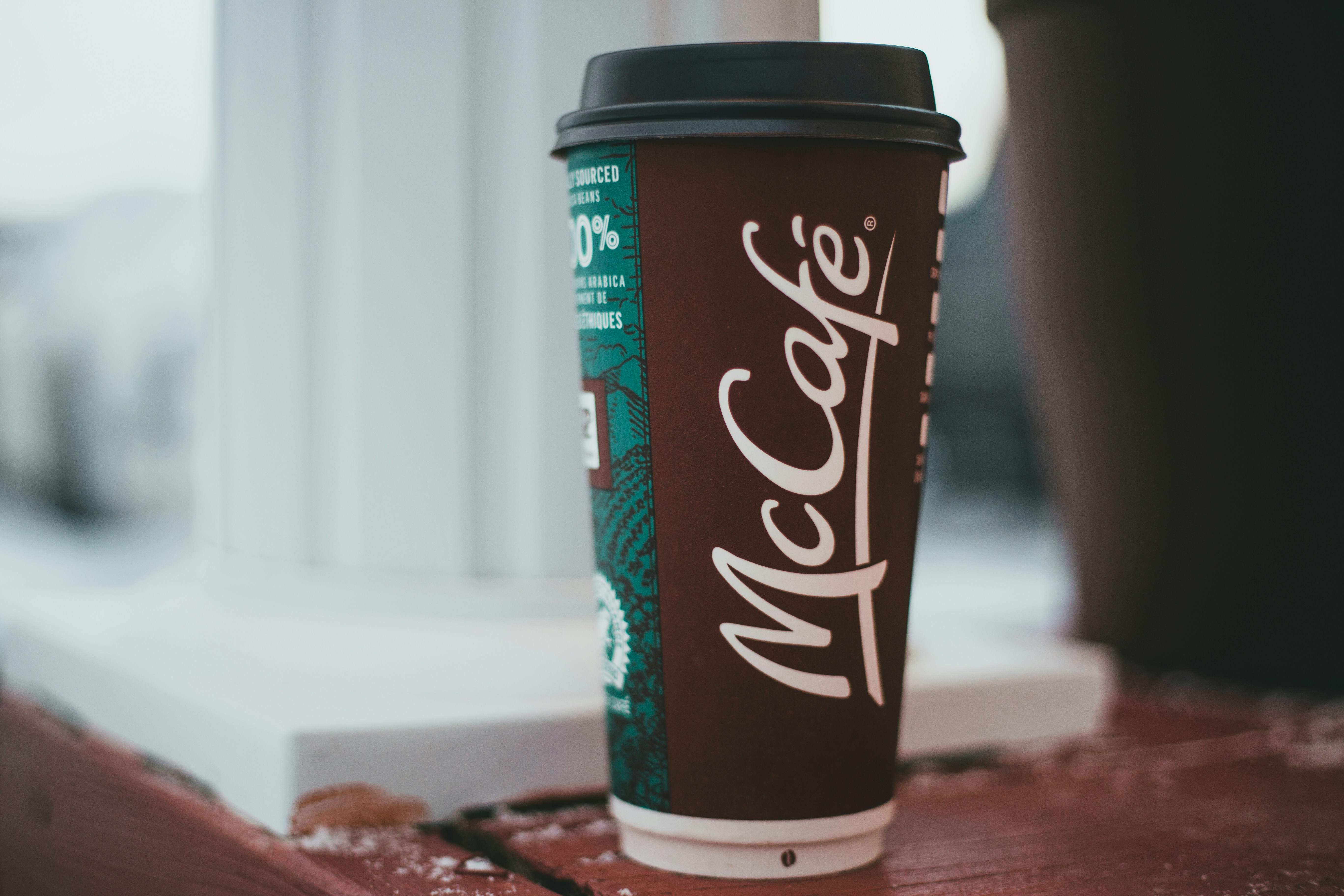
Photo by Erik Mclean on Unsplash
McDonald’s unveils six beverages across 14,000 restaurants on May 6, expanding McCafé with Refresher and crafted sodas and a new store-level beverage specialist role.
Apr 29, 2026
Learn how to write a coffee shop business plan that covers concept, location, menu, finances, branding, marketing, and risk planning.
Apr 27, 2026

Explore marketing strategies for food businesses using reviews, professional photos, SEO, social media, partnerships, events, and catering.
Apr 28, 2026
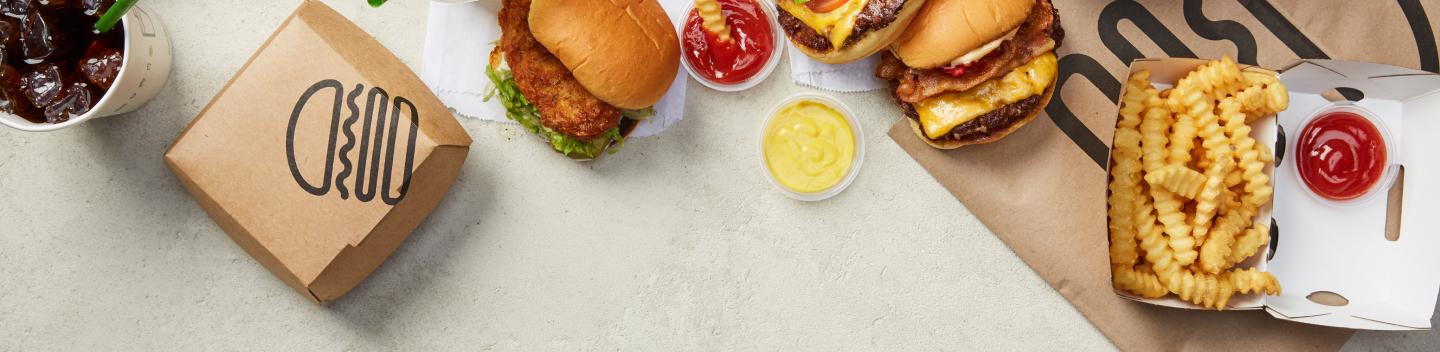
Shake Shack trims its footprint for stronger returns while Hooters faces a sponsorship dispute with Hendrick Motorsports, and leadership moves ripple through the industry.
In a year when cities teem with new openings and rapid real estate shifts, the restaurant world chooses a slower rhythm—one that favors clarity over catchiness. The season feels like a cozy café hour: soft lights, the hum of conversations, and a gentle sense of belonging to a brand that invites you to linger. When headlines scream about expansion, I hear a quieter song: portfolio discipline, prudent pruning, and the care to protect what already feels like home. In that mood, Shake Shack’s current path reads not as a retreat but as a mindful nudge toward durability. What follows is a closer look:
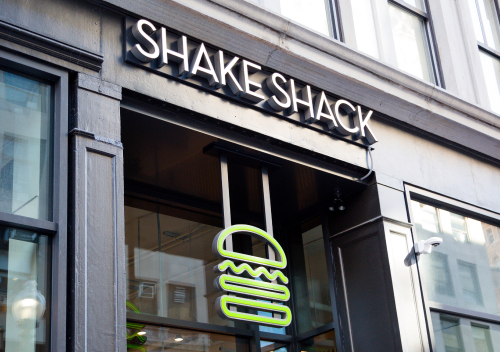
Shake Shack announced a deliberate portfolio reshaping, shuttering nine company-owned restaurants by September 25, 2024, as part of routine evaluation. The closures touch sites in California, Ohio, and Texas, within a growing network that, after these moves, counts 329 company-operated Shacks as of December 25, 2024. Management framed this as disciplined pruning rather than a crisis, a step meant to preserve brand value and cash-generating strength amid a shifting real estate landscape. It’s a reminder that growth is often measured in what you trim as much as what you add, and that quality of footprint can outshine quantity in the long run.

Shake Shack identified underperforming locations across California, Ohio, and Texas as part of its routine portfolio review. The company explained that weaker performance stemmed in part from changes in the trade area and, in some cases, cannibalization of sales at nearby Shacks. The decision to close reflects an effort to optimize the footprint and maximize profitable growth, rather than retreat from entire markets. Management indicated the nine shuttered sites would wind down by the planned date, with the aim of concentrating resources where they can generate stronger returns. It reads like a careful calibration rather than a blunt contraction.
Locations details span several vibrant pockets: Los Angeles neighborhoods like Bunker Hill, Downtown Culver City, Koreatown, and Silverlake, plus the Westfield Topanga Mall. In the Bay Area, Oakland faces impact, while Polaris Mall in Columbus, Ohio, and select sites in Houston’s Galleria and Montrose areas also appear on the roster. The company frames these moves as targeted rather than a wholesale retreat, signaling a restrained, data-driven approach to real estate that prioritizes resilience over volume.
Beyond the announcement, Shake Shack laid out the humane mechanics of wind-down: impacted Shack operators would be offered positions at nearby locations, and hourly team members (and managers who do not transfer) would receive up to sixty days of pay. The wind-down is slated to finish by September 25, 2024, subject to third-party agreements and other contingencies. The communication to affected employees came on August 27, 2024. Financially, the company projects cumulative pretax charges of roughly $28 million to $30 million in the third quarter, with cash costs around $14 million to $15.2 million, including lease termination and closing expenses. It’s a concrete picture of near-term strain and the longer-term recalibration that follows.
Taken together, the plan paints a careful narrative: you shore up where economics are strongest, transfer talent toward thriving pockets, and absorb the one‑time hit as a prerequisite for more durable returns. The message is practical and calm: the business continues to grow where it can, while honoring the people who helped the brand arrive here.
Industry headlines also shifted toward sponsorships and the costs of visibility. In the dispute between Hooters and Hendrick Motorsports, the focus centered on unpaid installments for Chase Elliott’s No. 9 NASCAR Cup Series entry. HMS filed suit seeking roughly $1.705 million, arguing that Hooters had failed to honor the four scheduled payments after an initial $45,000 payment. The case underscored how sponsorship commitments carry real financial weight and tangible consequences when funds falter. A development reported in March 2025 later indicated a settlement, with Hooters agreeing to pay $900,000, signaling a partial resolution while leaving broader terms open to public view.
Placed beside real estate moves, the HMS–Hooters dispute sits at the intersection of brand ambition and accountability. It’s a reminder that partnerships in fast-moving spaces rely on clear terms, predictable funding, and the patience to weather a sponsorship cycle that can be as unpredictable as a race day.
BJ’s Restaurants named Bradford Richmond as interim CEO after Greg Levin resigned from both the executive role and the board. Richmond, who had served on BJ’s board since February 2024 and previously led finance roles at Darden Restaurants, stepped in effectively immediately. The move signals how brands are balancing governance, strategy, and cost discipline in a year that has pressed operators to rethink structure as inflation and labor costs bite.
The broader pattern points to a wave of leadership changes across major restaurant groups, with governance and strategy increasingly intertwined with execution discipline. These shifts, while specific in name, feel part of a larger recalibration as operators seek steadier footing amid headwinds in real estate, labor, and evolving consumer tastes.
Taken together, the quarter’s shifts offer a gentle case study in balancing growth with profitability amid a shifting real estate landscape and evolving consumer tastes. Shake Shack’s portfolio discipline demonstrates how a measured pruning can unlock capital for stronger returns, while the Hooters–Hendrick episode adds a cautionary note on sponsorship risk and the need for transparent, performance-linked commitments. Leadership changes—like BJ’s interim-CEO move—can accelerate strategic reviews and cost structure recalibrations, potentially paving the way for renewed momentum without sacrificing discipline. For investors and teams alike, the takeaway is simple: nimble governance, precise execution, and honest stakeholder communication are anchors in a market that moves with speed and sentiment.
Big picture for 2025 emphasizes that behind every quarterly headline lie patient, listening leadership. A disciplined portfolio, transparent sponsorship practices, and governance that keeps pace with strategy will be the quiet forces shaping guest experiences, employee well‑being, and shareholder confidence. The hospitality kitchen moves slowly at times, but with intention—the kind of tempo that makes customers feel cared for and teams feel secure.