
The Hidden Cost of Unpredictable Schedules on Employee Retention
Struggling with employee retention? Learn how unpredictable scheduling drives turnover and what you can do to create a more stable workforce.
operations
May 4, 2026
Struggling with employee retention? Learn how unpredictable scheduling drives turnover and what you can do to create a more stable workforce.
May 4, 2026
Photo by on Unsplash
GoTo Foods blends seven iconic brands to push snacking as a growth engine, expanding dayparts, off-premise channels, and co-branding.
May 3, 2026
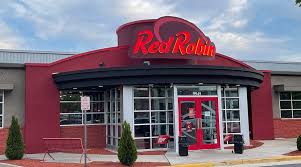
Mark Graff steps in as CFO to anchor Red Robin's First Choice turnaround with disciplined financial leadership.
May 3, 2026
Photo by Graphe Tween on Unsplash
Doinita Leahu redefines hospitality leadership with practical training, mentorship, and people-first systems guiding Vicious Biscuit’s growth.
May 3, 2026
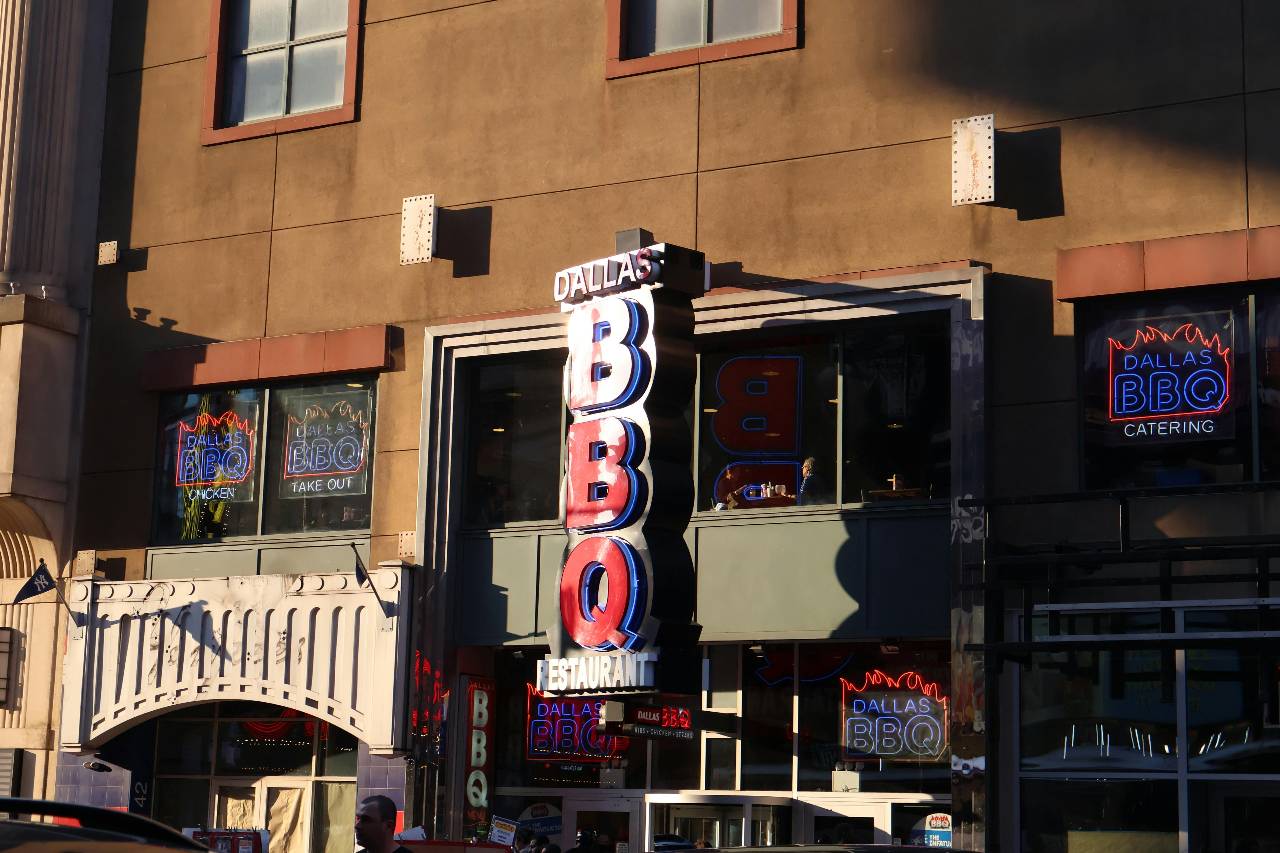
Explore high-traffic Texas markets where restaurants can succeed by matching concepts, customer behavior, visibility, and daily demand.
Apr 30, 2026
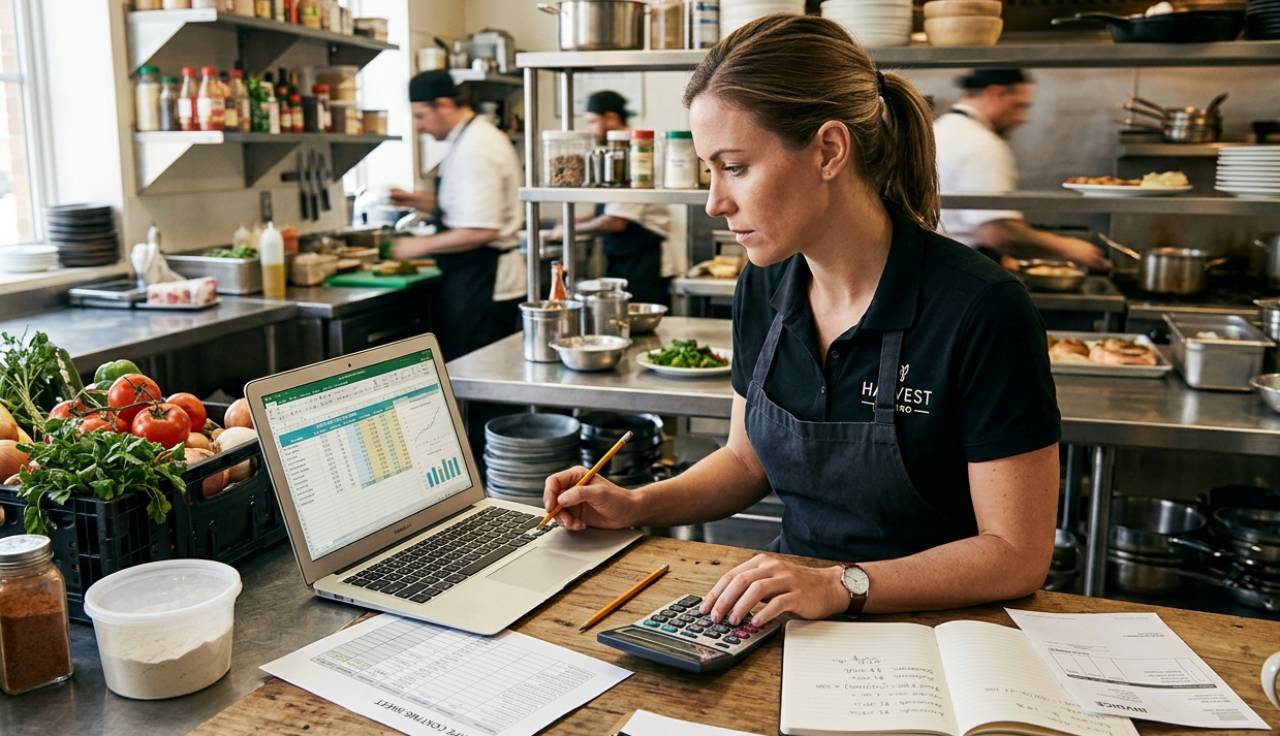
Learn how to calculate food cost, control margins, reduce waste, price menu items, and use technology to improve restaurant profit.
Apr 29, 2026
Photo by Unseen Histories on Unsplash
A look at how U.S. brands expand through multi-unit deals, cross-border partnerships, and seasoned operators in 2026.
Apr 29, 2026
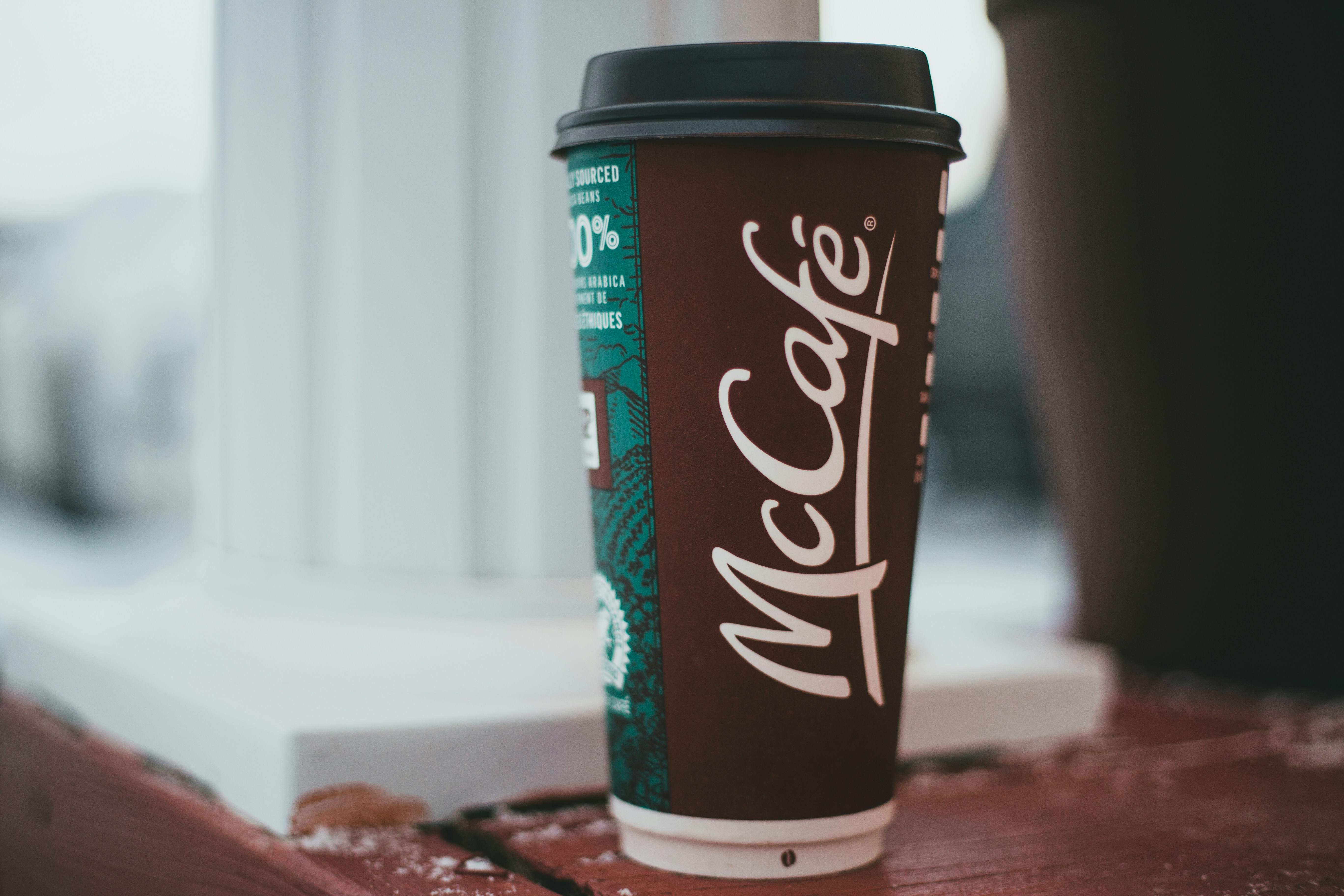
Photo by Erik Mclean on Unsplash
McDonald’s unveils six beverages across 14,000 restaurants on May 6, expanding McCafé with Refresher and crafted sodas and a new store-level beverage specialist role.
Apr 29, 2026
Learn how to write a coffee shop business plan that covers concept, location, menu, finances, branding, marketing, and risk planning.
Apr 27, 2026
Explore marketing strategies for food businesses using reviews, professional photos, SEO, social media, partnerships, events, and catering.
Apr 28, 2026
Beatrice Nguyen explores how leadership blends speed, loyalty, and standardized operations to grow Shake Shack while preserving its signature experience.
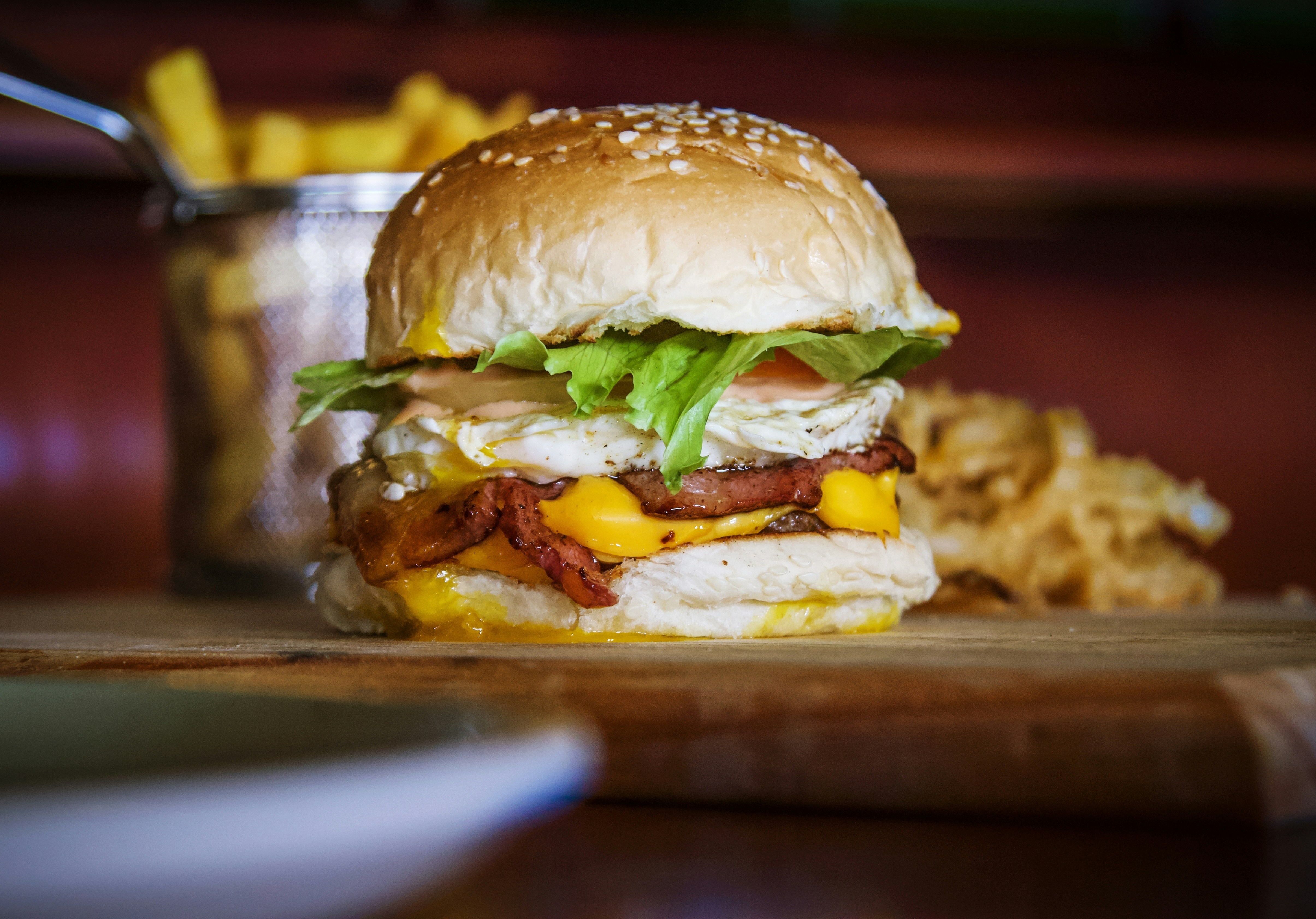
Photo by Stu Moffat on Unsplash
Shake Shack enters a season of speed with a softer heartbeat. Rob Lynch stepped into the CEO role with a quiet gravity, carrying a genuine respect for a brand he helped nurture in earlier chapters. In his first earnings call, he spoke of a love for what customers already call the best burger, fries, shake, and drink experience, and promised to guard that sense of occasion even as the company moves faster. To a hospitality-minded reader, the message lands as a warm invitation: speed and scale, yes, but with care for the moments that make a visit feel like a small celebration. The new pace is not a rush; it’s a gentle expansion designed to keep the Shack's soul intact.
Rob Lynch frames a broader strategic lens: preserve Shake Shack's destination appeal while embracing the fast-moving, impulse-driven dynamics of drive-thru and convenience formats. The signal is clear in the appointment of Stephanie Sentell as Chief Operations Officer, effective July 1, 2024, following an extensive track record at Inspire Brands and collaboration with Lynch. The move signals a deliberate overhaul of operations and throughput across a growing, multi-format footprint. Sentell's leadership across large, multi-unit systems is precisely what the Shack needs to drive margins and efficiencies in drive-thru contexts.
Drive-thru as a growth lever sits at the center of Lynch’s playbook. By March, 30 Shake Shack locations featured drive-thrus—designed as upscale, full-feature experiences rather than bare pickup lanes. The first such drive-thru opened in December 2021 in Maple Grove, Minnesota, signaling an initial commitment to multi-format formats from the outset. In pursuit of throughput, the company is cutting buildout costs by about 10 percent and trimming order-ticket times by roughly 30 seconds, while total turnaround remains six to eight minutes—still above the ideal for many drive-thru concepts. As of December 25, 2024, Shake Shack counted 42 drive-thru Shacks in operation, underscoring the continued emphasis on scale through drive-thru formats.
Throughput and menu structure remain the bottlenecks on the path to faster service, but the push is clear: speed is a lever that can propel growth when paired with thoughtful design. The drive-thru strategy isn’t about speed at any cost; it’s about weaving throughput improvements into a welcoming, multi-format experience. This is where a higher ambition meets daily practice, turning a lane into a reliable, repeatable moment of hospitality.
Loyalty becomes a measurable commitment, not a mere whisper in the marketing budget. Lynch’s broader vision moves Shake Shack beyond a minimal advertising posture toward loyalty-driven engagement. The company introduced a loyalty platform as its first sustained relationship-building channel, envisioning personal connections, early access to new products, branded merchandise, and high-value engagement beyond discounts. The leadership cadence draws on Lynch’s Papa John’s experience, where a loyalty program grew from 12 million to roughly 30 million members under his leadership, illustrating the potential impact of scalable loyalty on repeat visits.
Advertising has historically been a modest line item for Shake Shack, hovering near 1 percent of sales, a figure that reflects the brand’s reliance on word-of-mouth and founder Danny Meyer’s reputation while the company tests more data-driven digital opportunities in select markets. The trend toward a more social, loyalty-forward approach is positioned to lift not just visits but the value of each visit, weaving a longer thread of guest engagement into the Shack experience.
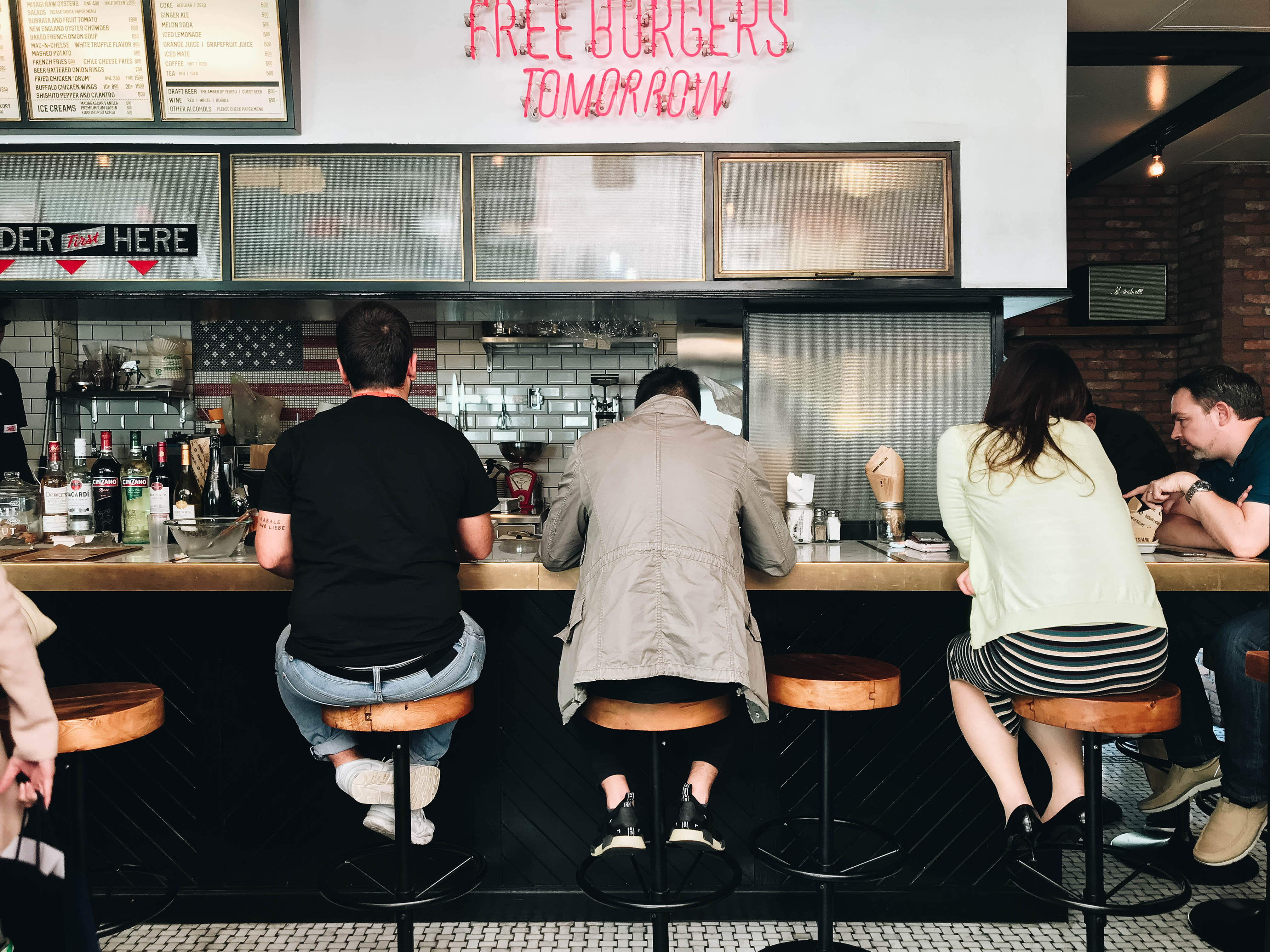
Shake Shack's growth rests on a quiet discipline: standardize kitchen layouts and formats so operations translate smoothly across a growing network. In the quarter, 12 company-run and 11 licensed units opened, bringing the global tally to 547 locations. Management has guided for roughly 80 new units in 2024, split between corporate-owned and licensed outlets. The ambition is a common, proven approach that can be deployed widely, reducing bespoke frictions and enabling faster scaling without sacrificing the Shack experience. A broader strategic emphasis is on standardization of formats—so teams can deploy tested practices across a multi-format footprint.
Drive-thru remains central to the plan, but standardization is the backbone that makes expansion durable. As of December 25, 2024, the company counted 42 drive-thru Shacks in operation, signaling that multi-format growth is more than a nod to convenience—it is a deliberate strategy to port best practices into new markets, keeping the Shack’s welcoming room intact wherever guests arrive.
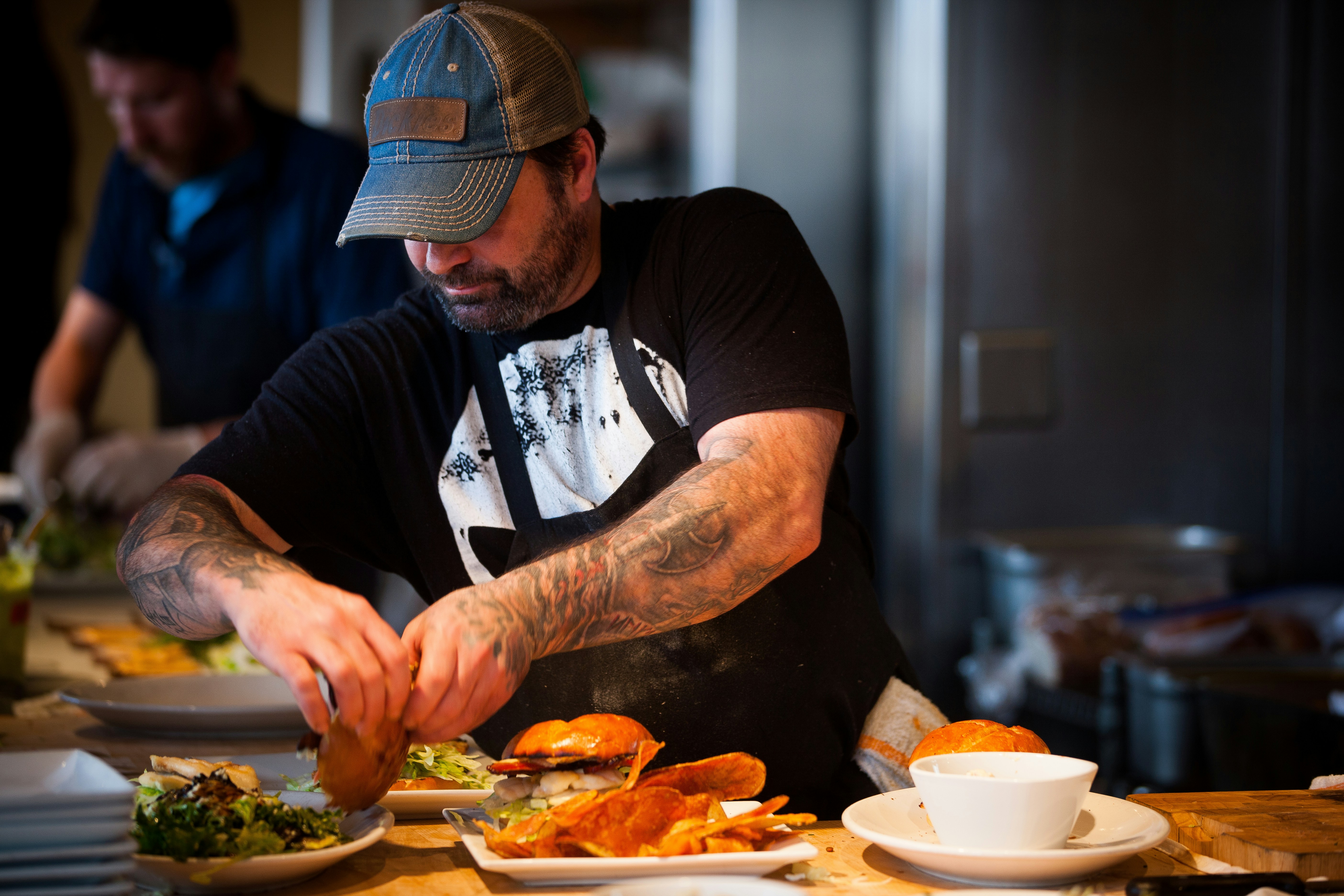
Chipotle reaches a milestone with 1,000 Chipotlanes, marking a broader momentum toward drive-thru formats in fast-casual. This milestone aligns with Chipotle’s 2024–2025 expansion plan, which calls for 315–345 new restaurants in 2025 and a majority of new units featuring Chipotlanes (about 80 percent). Starbucks has likewise leaned into drive-thru expansion, investing to increase store counts and community access. Taken together, these signals show drive-thru and hybrid formats as a central axis of growth for large operators and a powerful lever for throughput and unit economics.
Gaps, uncertainties, and strategic implications loom. Shake Shack’s operating environment remains exposed to macro headwinds—inflationary pressures on beef and energy costs, along with weather and calendar effects that can sway traffic. The 10-K for 2024 highlights expansion risks, noting that drive-thru investments require substantial capital and may cannibalize sales across new and existing locations. The company underscores the ongoing challenge of achieving aggressive throughput gains across multi-format formats and the importance of sustaining guest experience as volumes rise. Taken together, these signals suggest a deliberate, unit-by-unit approach to scale, with continued emphasis on productivity, standardization, and loyalty-driven traffic rather than relying solely on price-based growth.
Shake Shack remains focused on converting growth into long-term profitability by combining unit expansion with efficiency gains and a value perception that matches guest expectations. The long-term targets aim to reach 1,500+ Company-operated Shacks in the U.S. and beyond, a milestone embedded in the 2024 materials as part of the strategic ambition to scale while preserving quality and brand equity. The 2025 results reinforce progress toward that goal, with record revenues and positive same-store sales in a year of rapid unit openings, and the leadership team signaling a disciplined path forward that blends speed, value, loyalty, and standardized operations to reach a larger audience while protecting the Shack experience.
As the organization navigates throughput improvements, the evolving mix of company-owned versus licensed growth, the effectiveness of its loyalty platform, and the real-world impact of drive-thru optimization on guest satisfaction and profitability will shape the coming years. The invitation remains warm: speed with soul, loyalty as a living conversation, and standardized routines that let the Shack welcome more guests without losing the quiet, comforting feeling that makes a visit linger sweetly in memory.