
The Hidden Cost of Unpredictable Schedules on Employee Retention
Struggling with employee retention? Learn how unpredictable scheduling drives turnover and what you can do to create a more stable workforce.
operations
May 4, 2026
Struggling with employee retention? Learn how unpredictable scheduling drives turnover and what you can do to create a more stable workforce.
May 4, 2026
Photo by on Unsplash
GoTo Foods blends seven iconic brands to push snacking as a growth engine, expanding dayparts, off-premise channels, and co-branding.
May 3, 2026
Mark Graff steps in as CFO to anchor Red Robin's First Choice turnaround with disciplined financial leadership.
May 3, 2026
Photo by Graphe Tween on Unsplash
Doinita Leahu redefines hospitality leadership with practical training, mentorship, and people-first systems guiding Vicious Biscuit’s growth.
May 3, 2026
Explore high-traffic Texas markets where restaurants can succeed by matching concepts, customer behavior, visibility, and daily demand.
Apr 30, 2026
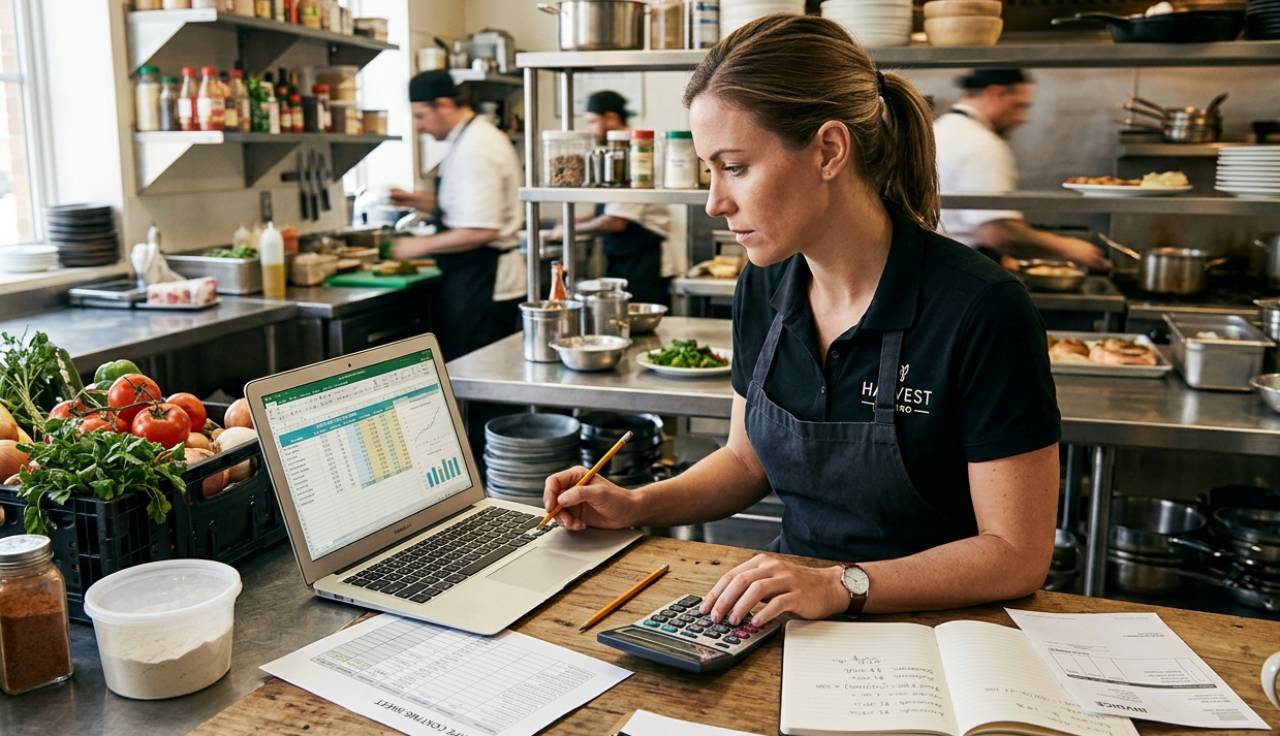
Learn how to calculate food cost, control margins, reduce waste, price menu items, and use technology to improve restaurant profit.
Apr 29, 2026
Photo by Unseen Histories on Unsplash
A look at how U.S. brands expand through multi-unit deals, cross-border partnerships, and seasoned operators in 2026.
Apr 29, 2026
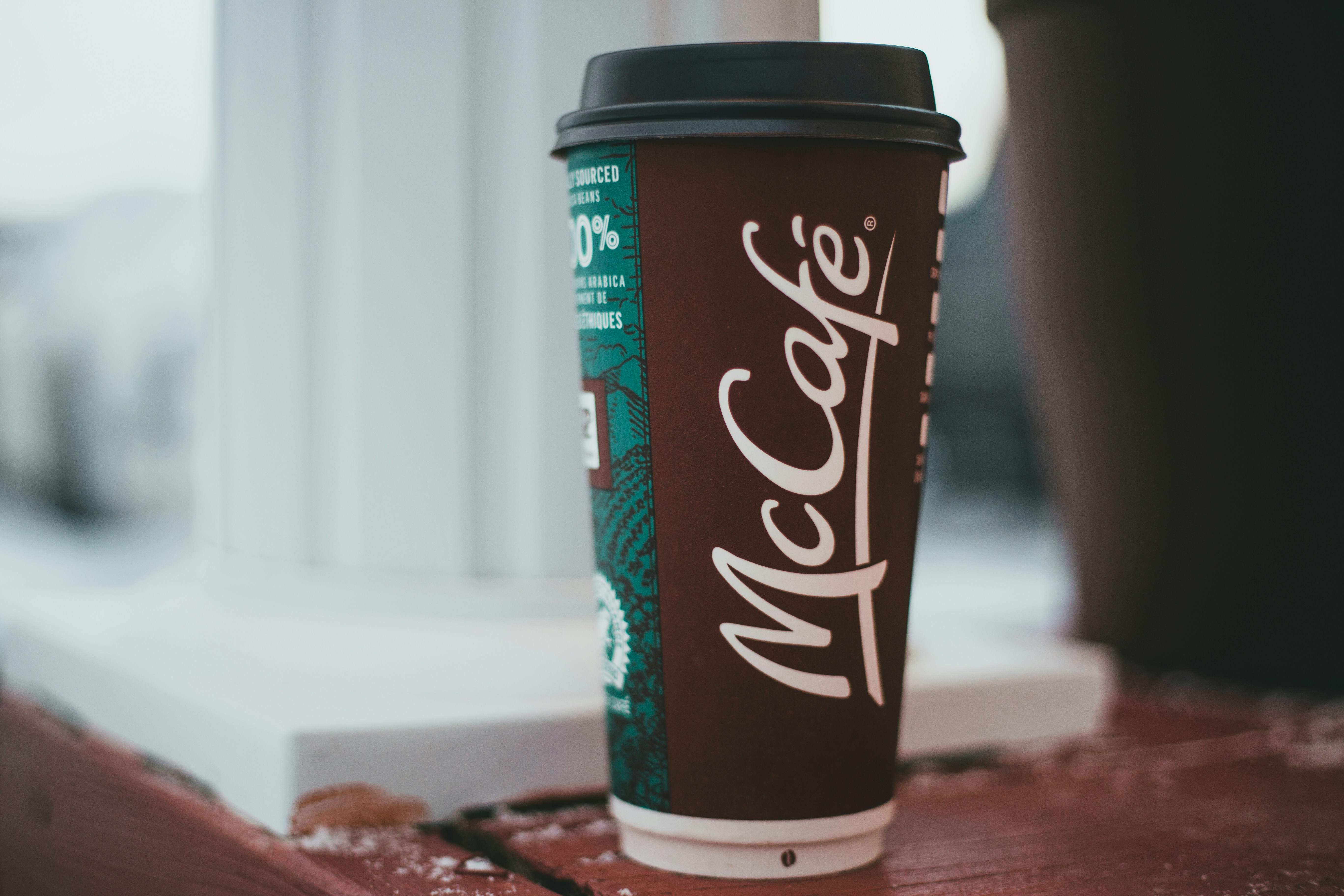
Photo by Erik Mclean on Unsplash
McDonald’s unveils six beverages across 14,000 restaurants on May 6, expanding McCafé with Refresher and crafted sodas and a new store-level beverage specialist role.
Apr 29, 2026
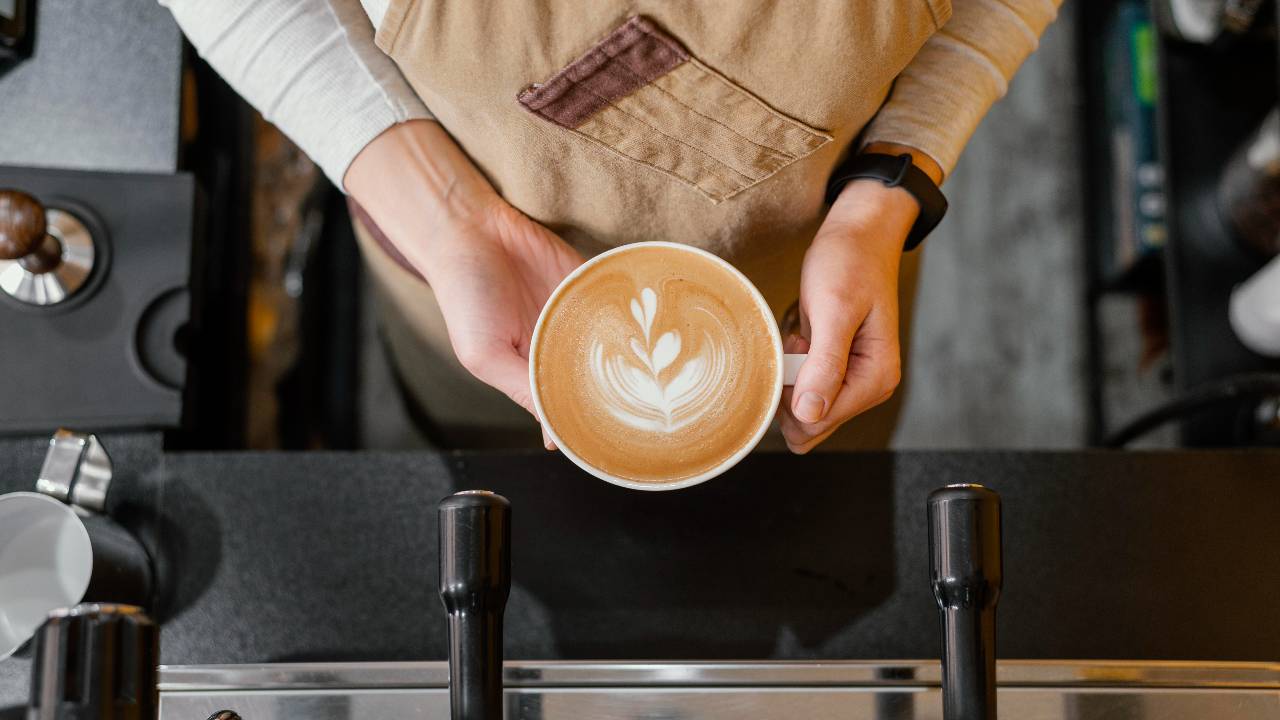
Learn how to write a coffee shop business plan that covers concept, location, menu, finances, branding, marketing, and risk planning.
Apr 27, 2026
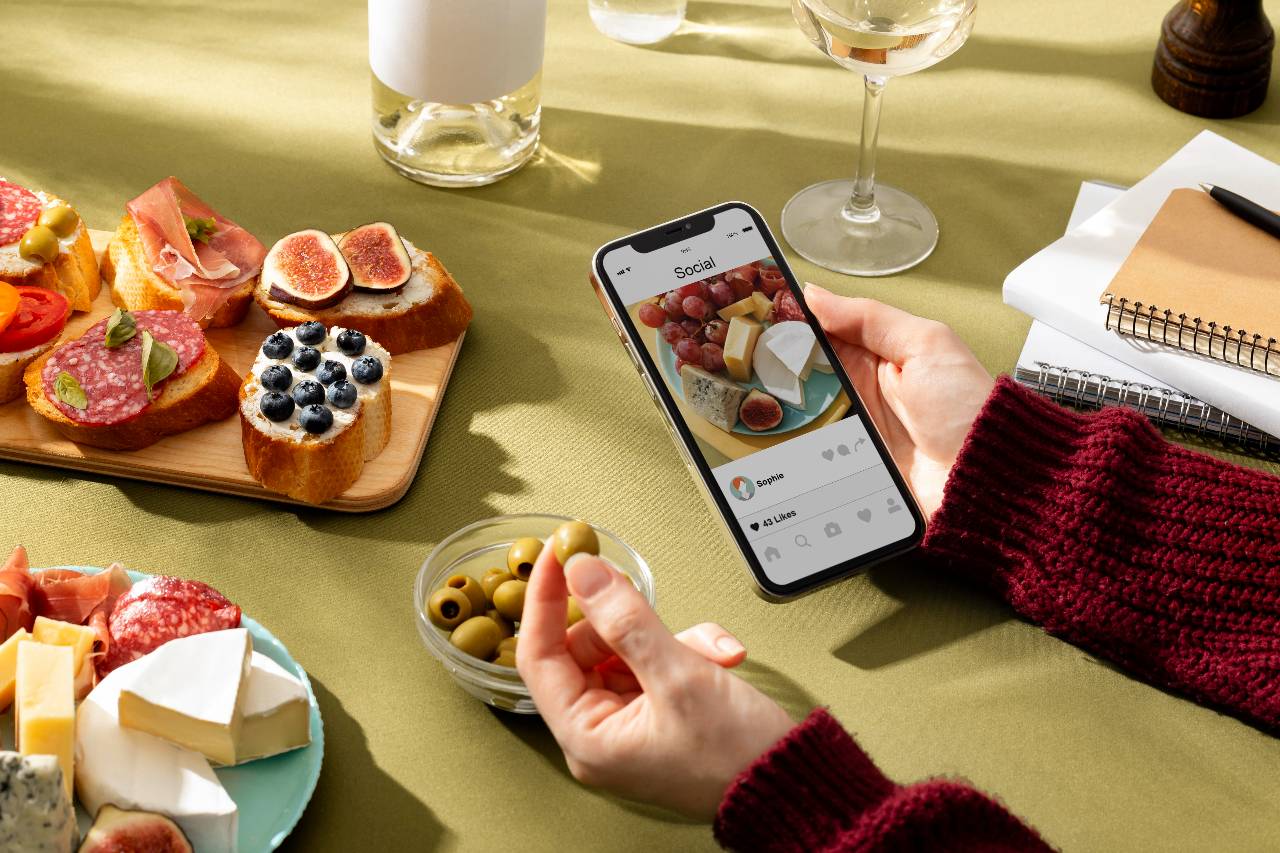
Explore marketing strategies for food businesses using reviews, professional photos, SEO, social media, partnerships, events, and catering.
Apr 28, 2026
A clear-eyed look at vodka, rum, tequila, gin, whiskey, and brandy and how their production, aging, and regulation drive menu design and guest experience.
Six core spirits sit at the heart of the bar world. They drive flavor, menu structure, and guest expectations. Each bottle carries a history of farming, fermenting, and aging that translates into how a bartender crafts a drink. In modern programs, Vodka is celebrated for its neutrality; Rum brings tropical sweetness; Tequila delivers earth and pepper; Gin offers juniper brightness; Whiskey adds depth from barrel aging; and Brandy weaves fruit notes with oak. Taken together, they frame the cocktail canon and the business logic behind price, margin, and speed. This frame is not mere trivia—it is operating leverage. So how do these six become the engine of a menu?
Beyond taste, their paths to glass vary in production. Vodka starts with water purity and multiple distillations to achieve clean, neutral character, often with polished filtration. Rum comes from sugarcane derivatives, ranging from bright, tropical whites to rich, dark and spiced bottlings. Tequila is built on Weber Blue Agave, with aging classes that swing from crisp blanco to aged reposado and beyond, while quality hinges on 100% agave content. Gin centers on juniper and botanicals, with styles from London Dry to Old Tom shaping aroma and dryness. Whiskey spans malted barley to mash bills of corn and rye, maturing in oak to yield notes of caramel, smoke, or fruit. Brandy distills wine or pomace and ages in wood, delivering oak, vanilla, and fruit lift. The craft is in the method, not the bottle. That method choreographs how bars program cocktails and train staff.
Fermentation and distillation are the invisible rails. Vodka emphasizes purity of water and repeated distillation to push off character. Gin relies on botanicals, especially juniper, filtered and redistilled to preserve aroma. Tequila's core is the blue agave; double distillation and aging classes set the stage. Whiskey whisk through various mash recipes; Brandy preserves the wine's backbone, then ages. This is not merely chemistry; it's a storytelling palette where each technique nudges the palate toward a recognized profile. The result is a lineup that travels cleanly from neutral to nuanced across cocktails and service.
Signature Production nails down character. Vodka relies on water, filtration, and clean distillation; Gin uses juniper-led botanicals; Tequila leans on 100% Blue Agave, with blanco through extra añejo reflecting aging. Whiskey depends on mash bills and oak; Brandy ages to extract oak and vanilla notes, sometimes stacking into Cognac-adjacent complexity. The takeaway is control—seasoned bars know the method, and customers feel the difference when a drink carries a story as clearly as its taste.
Regulation and classification frame what guests expect and what menus can claim. The hierarchy is real: Cognac sits under brand yy, requiring French criteria including double distillation and geographic limitation. Tequila ages across blanco, joven, reposado, añejo, and extra añejo; premium tequila must meet 100% Blue Agave. Color—white versus brown—arises from base and maturation; blanco tequila, gin, and vodka read as white, while whiskey, brandy, and aged rums read brown. Those rules drive labeling, supplier choices, and staff training so guests hear a consistent story.
Regulatory Ground Rules ripple through menus and purchasing. Operators must align supplier choices with aging claims and 100% Blue Agave standards, then train frontline staff to describe lineage succinctly. The color labels and origin cues help guests decide, but labeling varies by market, so teams bridge gaps with simple explanations. The goal is credibility—guests taste the lineage, not just clever marketing.
Industry reactions and menu impact hinge on clarity and confidence. The six core spirits anchor cocktail creativity and kitchen storytelling. A Margarita or Paloma leans on Tequila; a Martini or Negroni leans on Gin; Old Fashioned and Sazerac lean on Whiskey; the crowd-pleasing Daiquiri or Mai Tai leans on Rum; vodka remains a versatile canvas for modern variations; Brandy finds its way into after-dinner favorites. The result is a menu that feels intentional and purposeful, not accidental.
Education and trust matter as much as flavor. The conversation around 100% Blue Agave versus mixtos, or London Dry versus Navy Strength, creates a sense of mastery. A well-informed program supports menu cohesion, brand storytelling, and guest engagement, driving repeat visits without aggressive discounting.
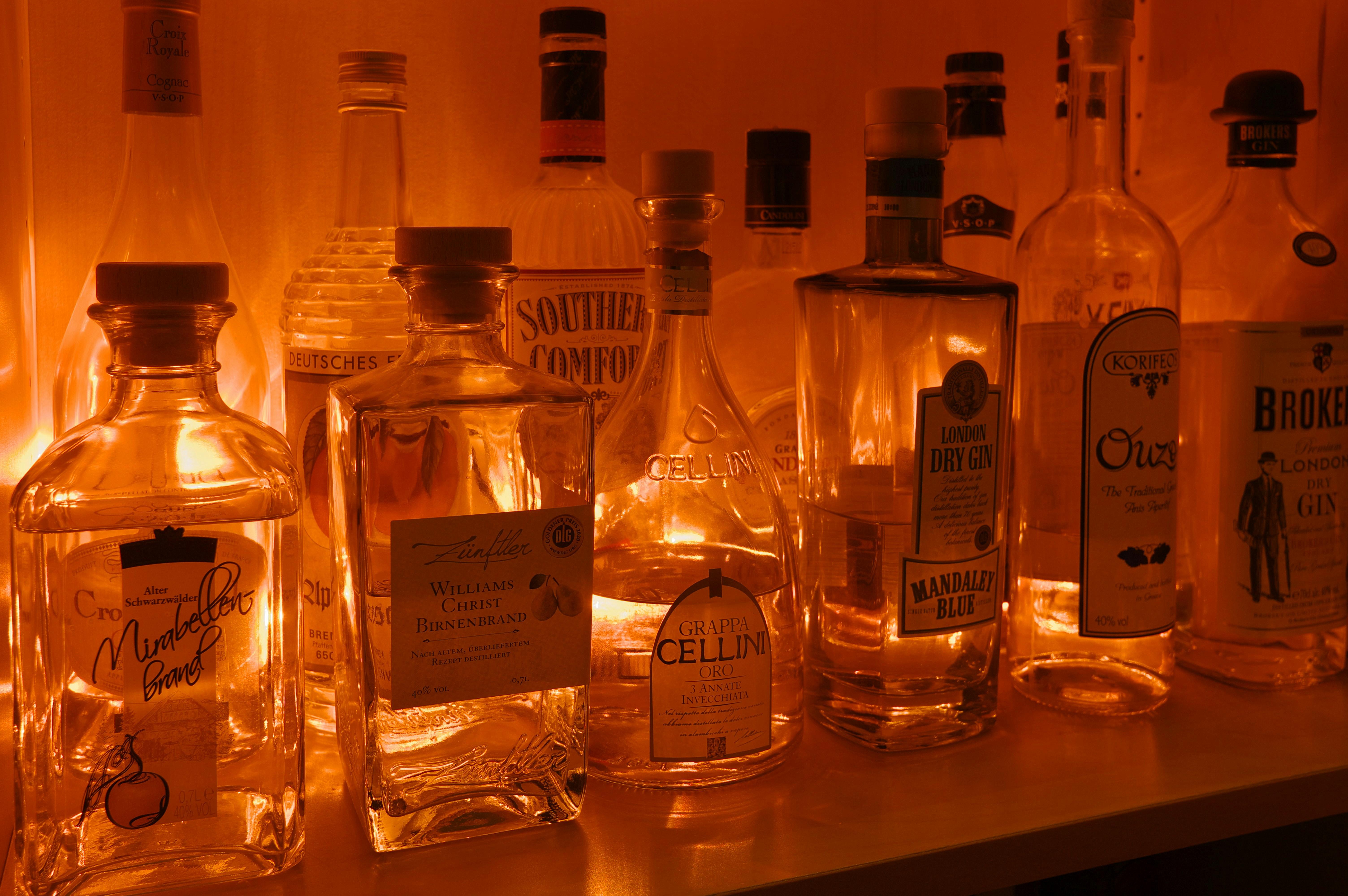
Looking ahead, the evolution of styles—from London Dry gin to Navy Strength, from blanco tequila to extra añejo Cognac-adjacent brandy—keeps menus lively and guests curious. The six core spirits anchor creativity, while aging, provenance, and labeling offer predictable touchpoints for service and training. Operators who embrace the nuance—without overcomplicating the message—stand to win trust and trips back to the bar.
Build a credible program and you build credibility with guests. A well-informed team communicates lineage, aging, and production nuance with confidence, creating a coherent brand across drinks, menus, and service. The payoff isn’t just a better list; it’s sustained engagement, repeat visits, and a menu that tells a compelling, authentic story through every glass.