
The Hidden Cost of Unpredictable Schedules on Employee Retention
Struggling with employee retention? Learn how unpredictable scheduling drives turnover and what you can do to create a more stable workforce.
operations
May 4, 2026
Struggling with employee retention? Learn how unpredictable scheduling drives turnover and what you can do to create a more stable workforce.
May 4, 2026
Photo by on Unsplash
GoTo Foods blends seven iconic brands to push snacking as a growth engine, expanding dayparts, off-premise channels, and co-branding.
May 3, 2026
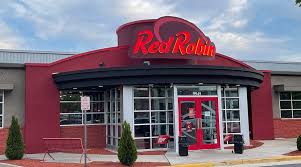
Mark Graff steps in as CFO to anchor Red Robin's First Choice turnaround with disciplined financial leadership.
May 3, 2026
Photo by Graphe Tween on Unsplash
Doinita Leahu redefines hospitality leadership with practical training, mentorship, and people-first systems guiding Vicious Biscuit’s growth.
May 3, 2026
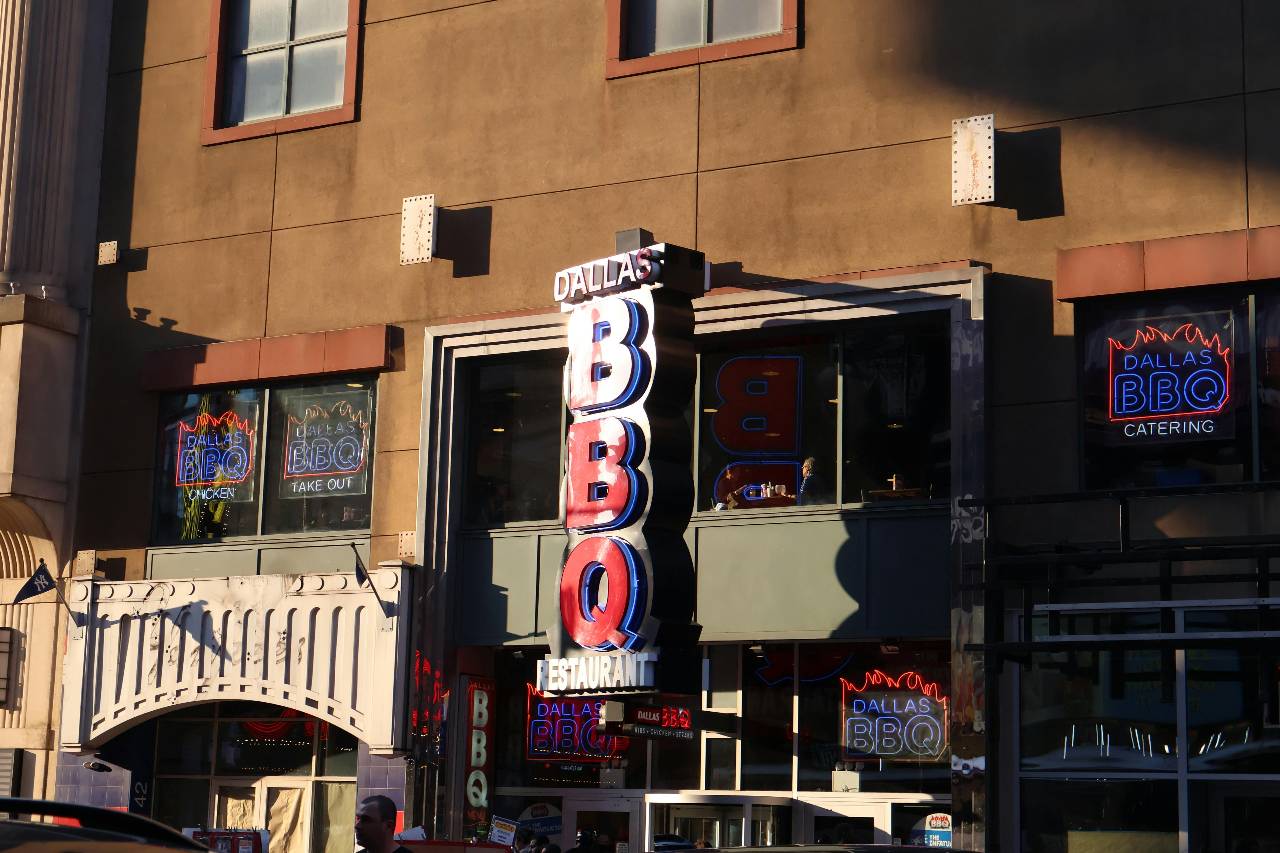
Explore high-traffic Texas markets where restaurants can succeed by matching concepts, customer behavior, visibility, and daily demand.
Apr 30, 2026
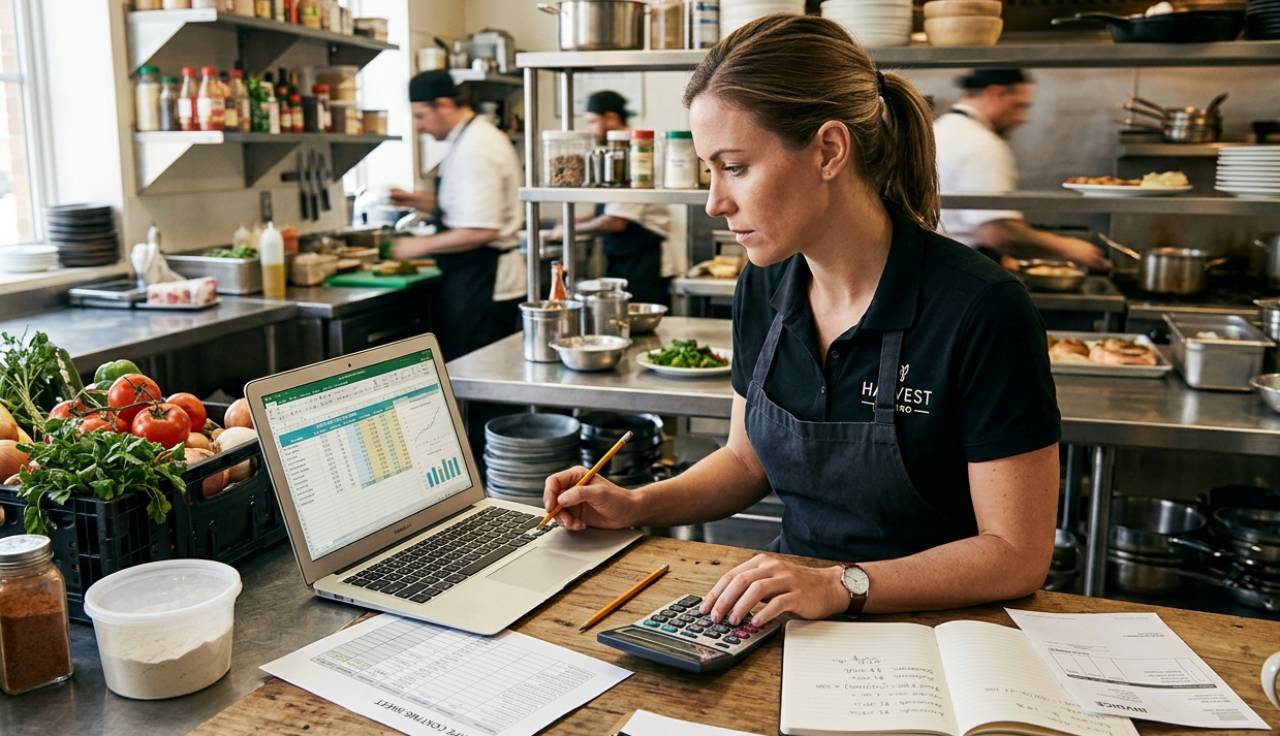
Learn how to calculate food cost, control margins, reduce waste, price menu items, and use technology to improve restaurant profit.
Apr 29, 2026

Photo by Unseen Histories on Unsplash
A look at how U.S. brands expand through multi-unit deals, cross-border partnerships, and seasoned operators in 2026.
Apr 29, 2026

Photo by Erik Mclean on Unsplash
McDonald’s unveils six beverages across 14,000 restaurants on May 6, expanding McCafé with Refresher and crafted sodas and a new store-level beverage specialist role.
Apr 29, 2026

Learn how to write a coffee shop business plan that covers concept, location, menu, finances, branding, marketing, and risk planning.
Apr 27, 2026

Explore marketing strategies for food businesses using reviews, professional photos, SEO, social media, partnerships, events, and catering.
Apr 28, 2026
Tracing Wendy's surge-pricing moment, the pivot to blended price intelligence, and how the industry blends competition data with value-focused promotions.
Photo by Zoshua Colah on Unsplash
Across a crowded dining landscape, pricing has moved from a back-office lever to a living conversation between brands and diners. Wendy’s moment—six months after adopting dynamic pricing—emerged as a proving ground for whether surge-style tactics could endure in a world hungry for value and clarity. Dynamic pricing was no longer a silent margin dial but a public signal about what diners should expect from a brand's menu over time. For those who champion a balanced, nourishing dining experience, the episode asked an unmissable question: can price become thoughtful nourishment rather than abrupt change? In the pages that follow, we trace how that moment reshaped industry thinking about value, trust, and timing:
Six months after the move, the backlash arrived swiftly. The setup drew comparisons to Uber-style surge pricing, triggering a broader debate about fairness in price signals. In this swirl, Ashwin Kamlani, cofounder and CEO of Juicer, described a spike in interest in his firm’s tools as operators faced price resistance from diners and sought agility. "When the Wendy’s situation happened, we saw a very strong influx of interest around our pricing products because a lot of restaurants felt that were forced to pick a side." The controversy rolled across franchise networks—from McDonald’s and Wendy’s to Burger King, Taco Bell, and KFC—underscoring how quickly brands realized they needed to respond without sacrificing trust or value. That moment seeded a pivot toward a broader price intelligence framework.
Amid the fallout, a purposeful pivot unfolded. Juicer discontinued its core dynamic pricing model and sharpened an AI tool that monitors and responds to competitors within a two‑mile radius. The move signaled a shift toward disciplined price intelligence rather than public price swings. In the same breath, the market began embracing a blended approach: real-time competition signals merged with guardrails around pricing, so changes could be cited as strategic rather than sensational. Deals were coming out more frequently, so I think restaurant companies wanted to get a better handle on price changes in the market more quickly and know when a big deal came out. This broader orientation—paired with tools from Chowly that capture demand signals—pointed to a right balance between market awareness and controlled adjustment.
Juicer’s Compete tool now anchors local‑market pricing decisions, helping franchisees understand competitive dynamics rather than relying on price surges alone. This is part of a wider shift toward a multi-input revenue-management play that weighs inputs beyond competitor offers. Meanwhile, Chowly’s Smart Pricing joined the field, offering a right-price-at-the-right-time philosophy that uses demand signals without dramatic swings.
Industry voices in the wake of Wendy’s episode spoke about opportunity and risk in equal measure. We still aspire to come up with an even better, broader data-driven revenue management approach to restaurant operations, Kamlani noted, while adding a caution: "I would never recommend someone make pricing decisions based [solely] on competitor data." The chorus also included Robbie Earl, president of Linked Eats and owner of the Sauce pricing platform, who urged transparent communication and warned against race-to-the-bottom discounting: "Customers tell you where they are with their wallets. Discounting down and knee-jerk reactions to what competitors are doing is a race to the bottom. Sometimes a hammer can do the job for a task and other times you need to be surgical. What we offer is surgical and highly tactical." The takeaway: pricing is one strand in a broader, value-centered strategy.
Operators increasingly framed pricing as part of a holistic plan—where promotions, timing, service quality, and brand promise all co-create value. The aim is to avoid knee-jerk reactions while ensuring customers understand the broader intent: to optimize value, not simply extract revenue in peak moments.
Industry observers charted a clear shift: a rebalancing between price signaling and value messaging. Juicer’s decision to discontinue its core dynamic pricing product in favor of a broader suite of revenue-management capabilities was noted by analysts as part of a wider AI‑driven trend. The Compete tool now anchors local-market pricing decisions, helping franchisees understand competitive dynamics rather than relying on price surges alone.
Meanwhile, Chowly and others rolled out tools designed to capture demand signals and automate pricing within digital channels, steering away from dramatic swings toward a more deliberate, right-time philosophy. The industry has converged on a multi-input approach that weighs competition, demand, and internal costs, with guardrails to protect brand equity and customer trust. The phrase right-price-at-the-right-time has become a guiding motto for many operators.
In the broader context, observers describe the era as a protracted value wars, with major quick-service brands leaning into promotions, bundles, and time-bound offers to attract price-conscious diners. Coverage from outlets like National Restaurant News highlighted how chains—McDonald’s, Wendy’s, Burger King, Taco Bell, and KFC—intensified value-oriented promotions as sales softened, pushing suppliers and tech providers to calibrate pricing tools with greater care.
Looking ahead, the industry seems to be moving toward integrated pricing—combining competitor intelligence, supply-chain responsiveness, and demand forecasting. Tools that monitor local pricing, adjust autonomously within defined guardrails, and present operators with a spectrum of tactical options appear likely to endure, though with tighter guardrails than in the past. This shift toward price transparency and predictable value cycles aims to preserve trust while supporting margin resilience in a challenging economy.