
The Hidden Cost of Unpredictable Schedules on Employee Retention
Struggling with employee retention? Learn how unpredictable scheduling drives turnover and what you can do to create a more stable workforce.
operations
May 4, 2026
Struggling with employee retention? Learn how unpredictable scheduling drives turnover and what you can do to create a more stable workforce.
May 4, 2026
Photo by on Unsplash
GoTo Foods blends seven iconic brands to push snacking as a growth engine, expanding dayparts, off-premise channels, and co-branding.
May 3, 2026
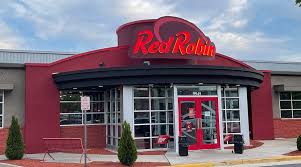
Mark Graff steps in as CFO to anchor Red Robin's First Choice turnaround with disciplined financial leadership.
May 3, 2026

Photo by Graphe Tween on Unsplash
Doinita Leahu redefines hospitality leadership with practical training, mentorship, and people-first systems guiding Vicious Biscuit’s growth.
May 3, 2026
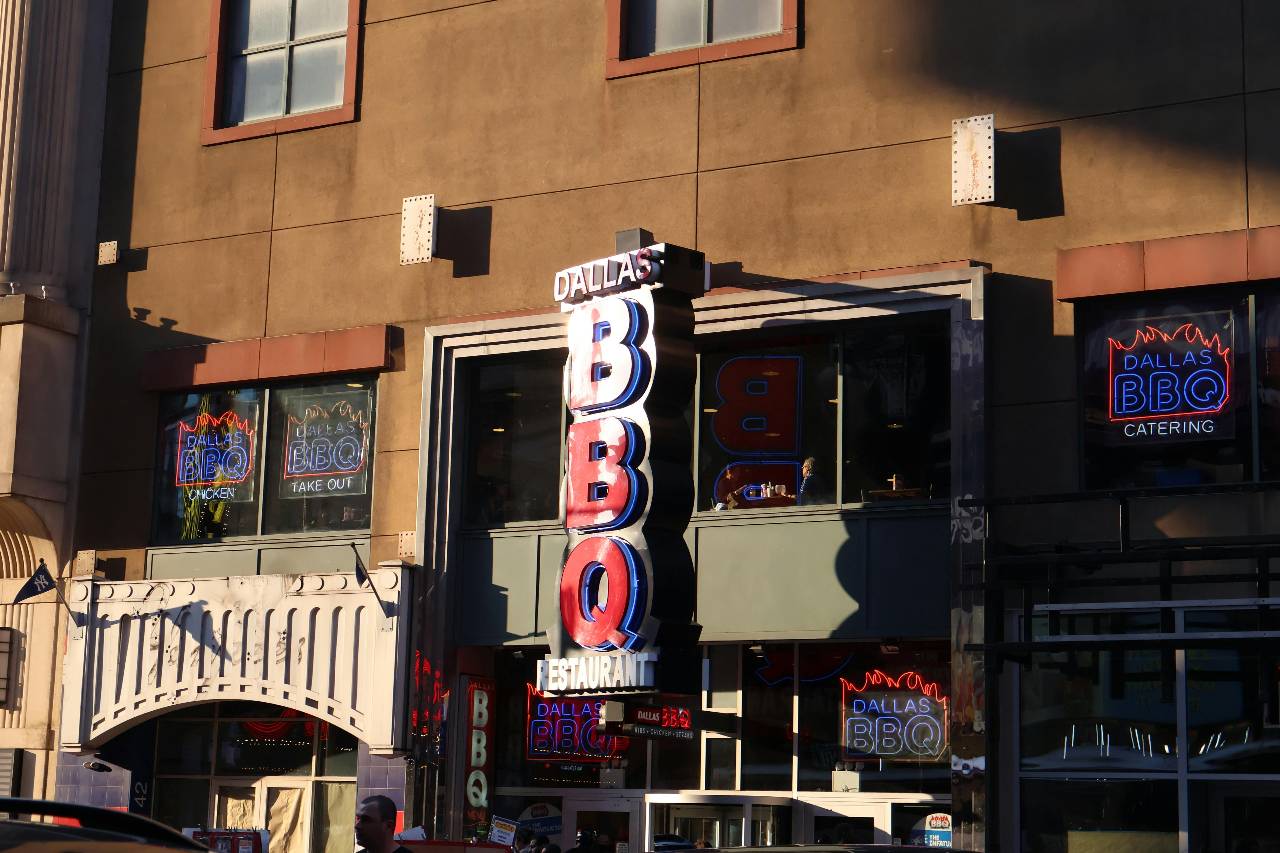
Explore high-traffic Texas markets where restaurants can succeed by matching concepts, customer behavior, visibility, and daily demand.
Apr 30, 2026

Learn how to calculate food cost, control margins, reduce waste, price menu items, and use technology to improve restaurant profit.
Apr 29, 2026
Photo by Unseen Histories on Unsplash
A look at how U.S. brands expand through multi-unit deals, cross-border partnerships, and seasoned operators in 2026.
Apr 29, 2026

Photo by Erik Mclean on Unsplash
McDonald’s unveils six beverages across 14,000 restaurants on May 6, expanding McCafé with Refresher and crafted sodas and a new store-level beverage specialist role.
Apr 29, 2026

Learn how to write a coffee shop business plan that covers concept, location, menu, finances, branding, marketing, and risk planning.
Apr 27, 2026

Explore marketing strategies for food businesses using reviews, professional photos, SEO, social media, partnerships, events, and catering.
Apr 28, 2026
A close look at how tracking attire stabilizes restaurant operations, from ownership to audits and tech-enabled workflows.

Photo by Clay Banks on Unsplash
Uniforms used to be an afterthought. Today they’re a system with reach on the floor and in the back of house. When the process is tight, guests feel it before they order: a staff image that’s crisp, confident, and consistent. This is the backbone of a true operating system: precise calculations by role, routine laundry schedules, and a logged kit for every hire. Chefs in flame‑retardant gear, servers in clean, well‑fitted uniforms, managers who track every kit—these details matter. Seasonal shifts test the provisioning, and a strong plan keeps operations steady. In a climate of turnover, the approach stabilizes the team and preserves brand, and sets up what follows.
Ownership rests with a clearly defined system: one purchaser, a single vendor, and a documented workflow that travels with staff. A kit issued at hire becomes a permanent asset to manage. By anticipating wear and demand, you tailor gear to role rather than size alone. When a worker departs, departure checks trigger returns and payroll handoffs, cutting back on losses and ambiguity. The result is a cohesive brand image, fewer interruptions, and a logistics rhythm that survives peak service and slow seasons alike.
A well-run uniform program isn’t a policy sheet—it’s a living system. You win with discipline: items assigned by role get labeled, color-coded, and optionally barcoded so ownership is obvious. A mandatory return policy tied to departure checks discourages nonreturnables and streamlines payroll handoffs. Whether you’re in a small venue with a simple binder or a large operation with a digital ledger, the principle is the same: ownership accrues to the operation, not the individual. Quarterly audits reconcile on-hand stock with issued logs, exposing gaps and driving corrective action. It’s data-driven, not guesswork, and it pays off in time saved and cost control.
Size and layout matter. Small venues can get away with a straightforward checkout list; high‑volume shops benefit from asset‑tracking apps that provide real-time visibility and easier reorders. The transition is gradual: start with a basic binder, map every garment to a role, then layer in digital tools as turnover grows. The payoff is tangible—fewer losses, fewer mismatches, and cleaner payroll handoffs—without turning the process into a burden for staff.