
The Hidden Cost of Unpredictable Schedules on Employee Retention
Struggling with employee retention? Learn how unpredictable scheduling drives turnover and what you can do to create a more stable workforce.
operations
May 4, 2026
Struggling with employee retention? Learn how unpredictable scheduling drives turnover and what you can do to create a more stable workforce.
May 4, 2026
Photo by on Unsplash
GoTo Foods blends seven iconic brands to push snacking as a growth engine, expanding dayparts, off-premise channels, and co-branding.
May 3, 2026
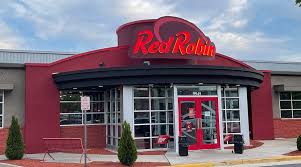
Mark Graff steps in as CFO to anchor Red Robin's First Choice turnaround with disciplined financial leadership.
May 3, 2026
Photo by Graphe Tween on Unsplash
Doinita Leahu redefines hospitality leadership with practical training, mentorship, and people-first systems guiding Vicious Biscuit’s growth.
May 3, 2026
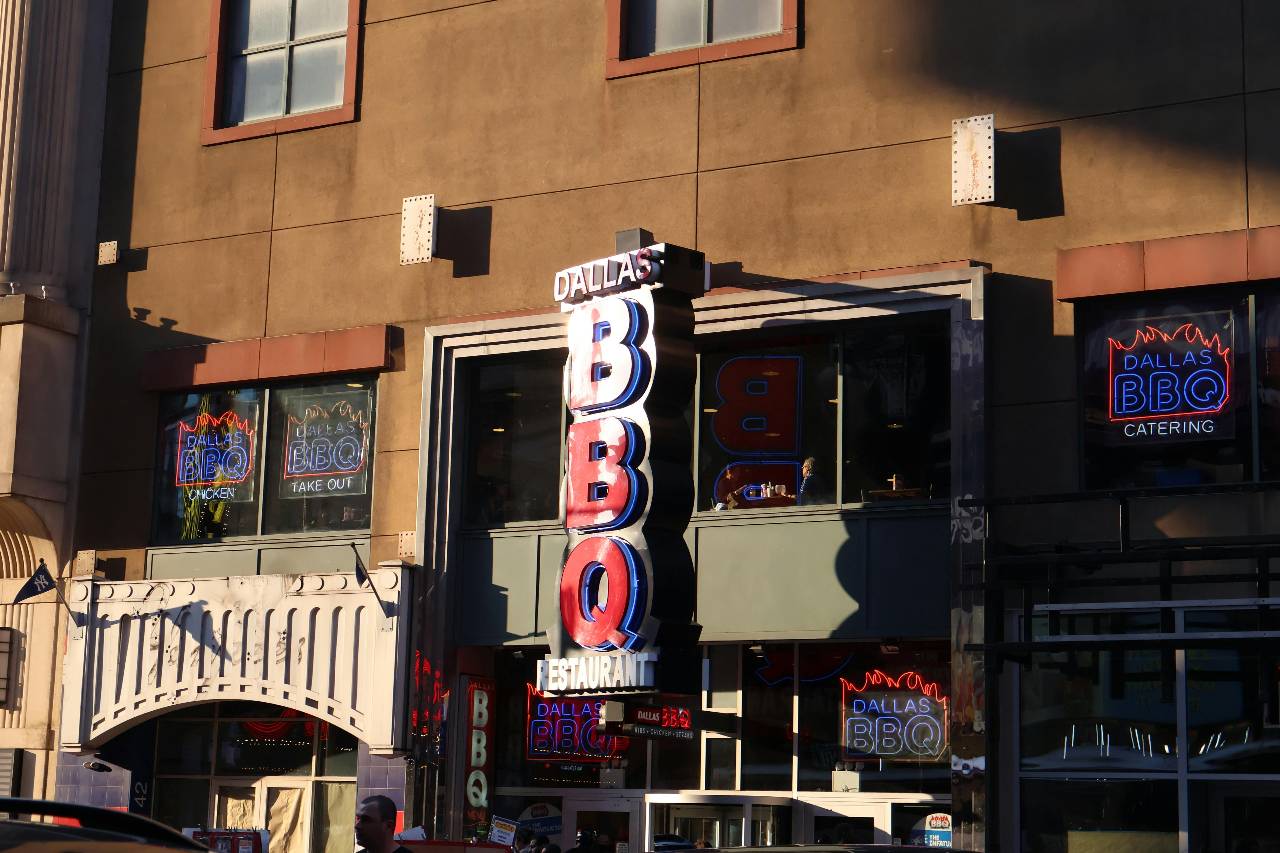
Explore high-traffic Texas markets where restaurants can succeed by matching concepts, customer behavior, visibility, and daily demand.
Apr 30, 2026
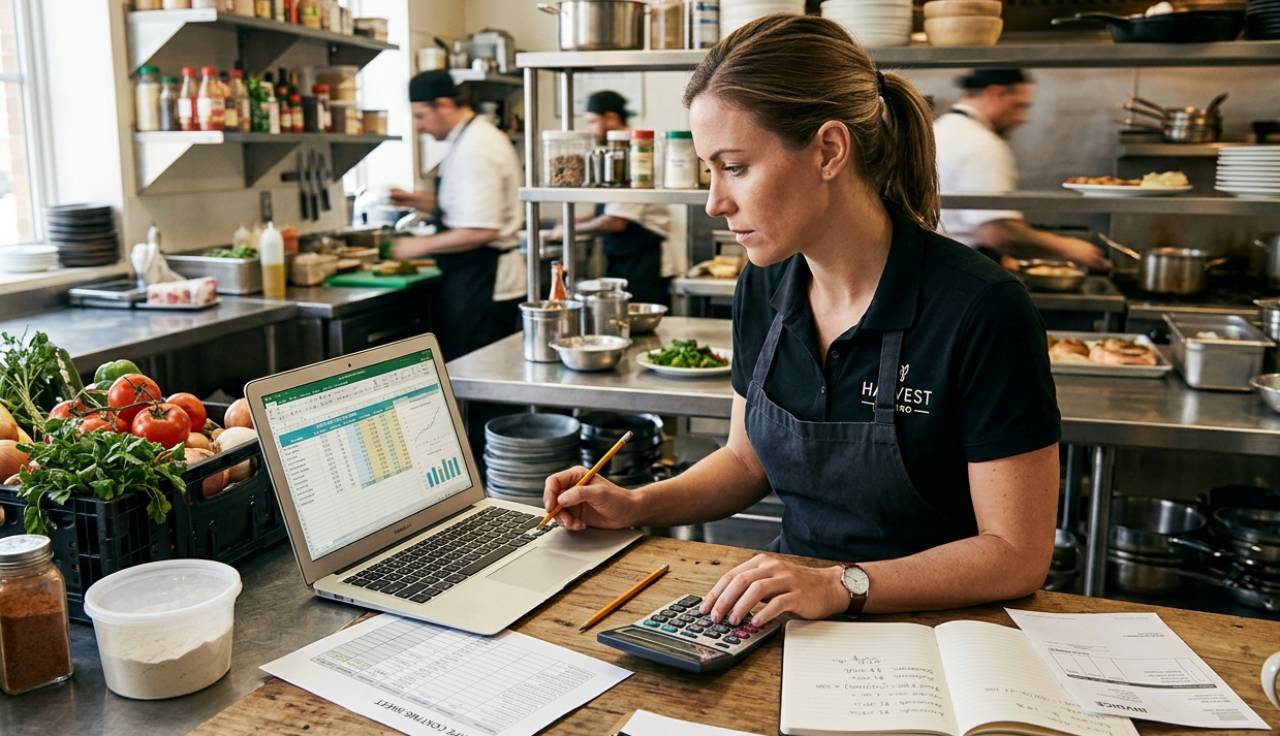
Learn how to calculate food cost, control margins, reduce waste, price menu items, and use technology to improve restaurant profit.
Apr 29, 2026
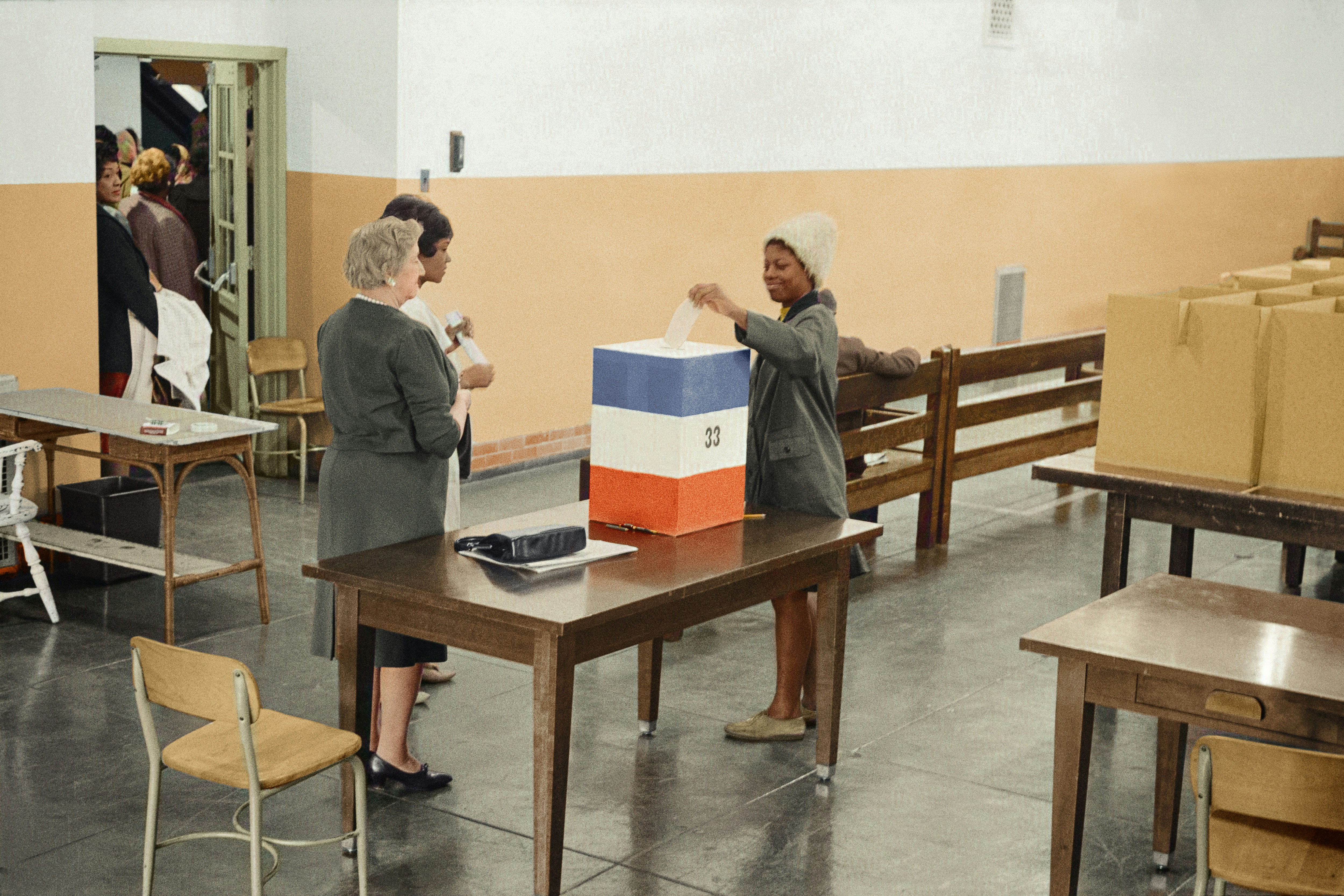
Photo by Unseen Histories on Unsplash
A look at how U.S. brands expand through multi-unit deals, cross-border partnerships, and seasoned operators in 2026.
Apr 29, 2026
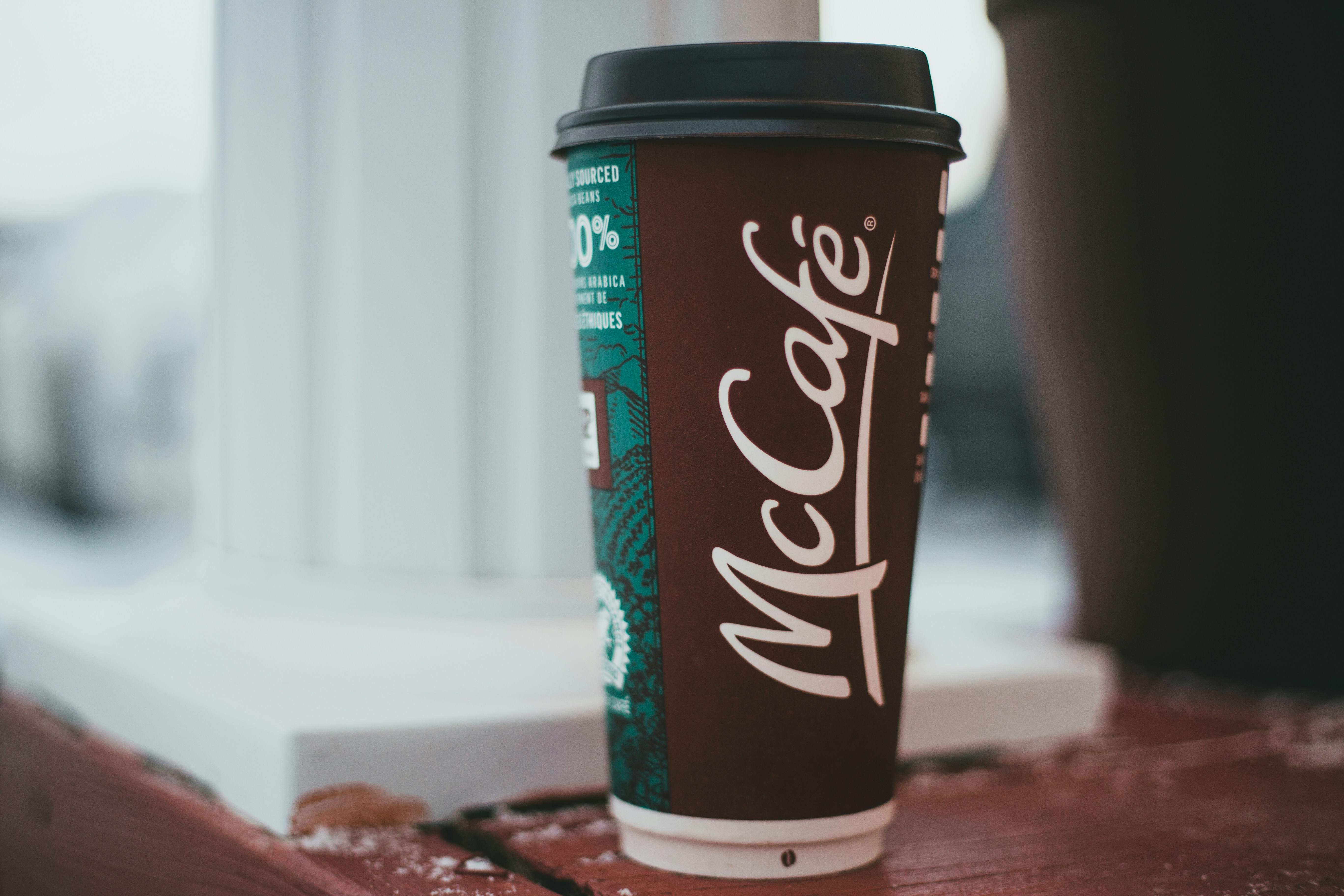
Photo by Erik Mclean on Unsplash
McDonald’s unveils six beverages across 14,000 restaurants on May 6, expanding McCafé with Refresher and crafted sodas and a new store-level beverage specialist role.
Apr 29, 2026
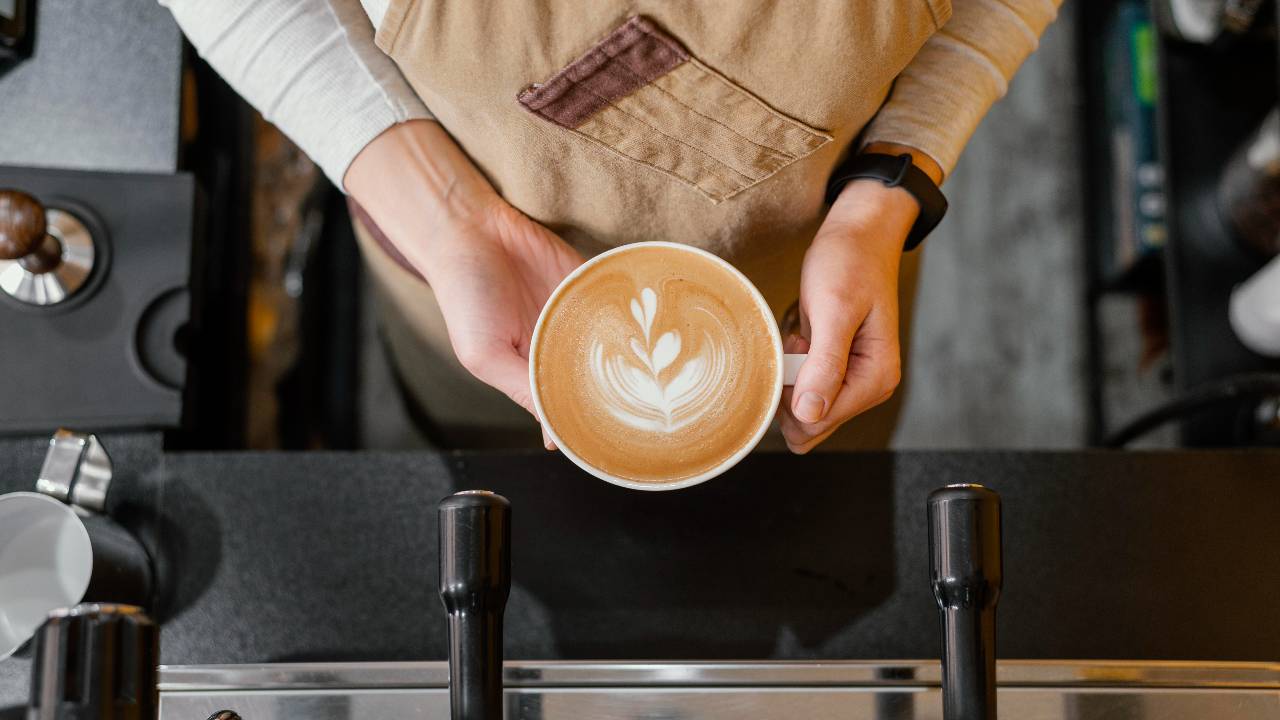
Learn how to write a coffee shop business plan that covers concept, location, menu, finances, branding, marketing, and risk planning.
Apr 27, 2026
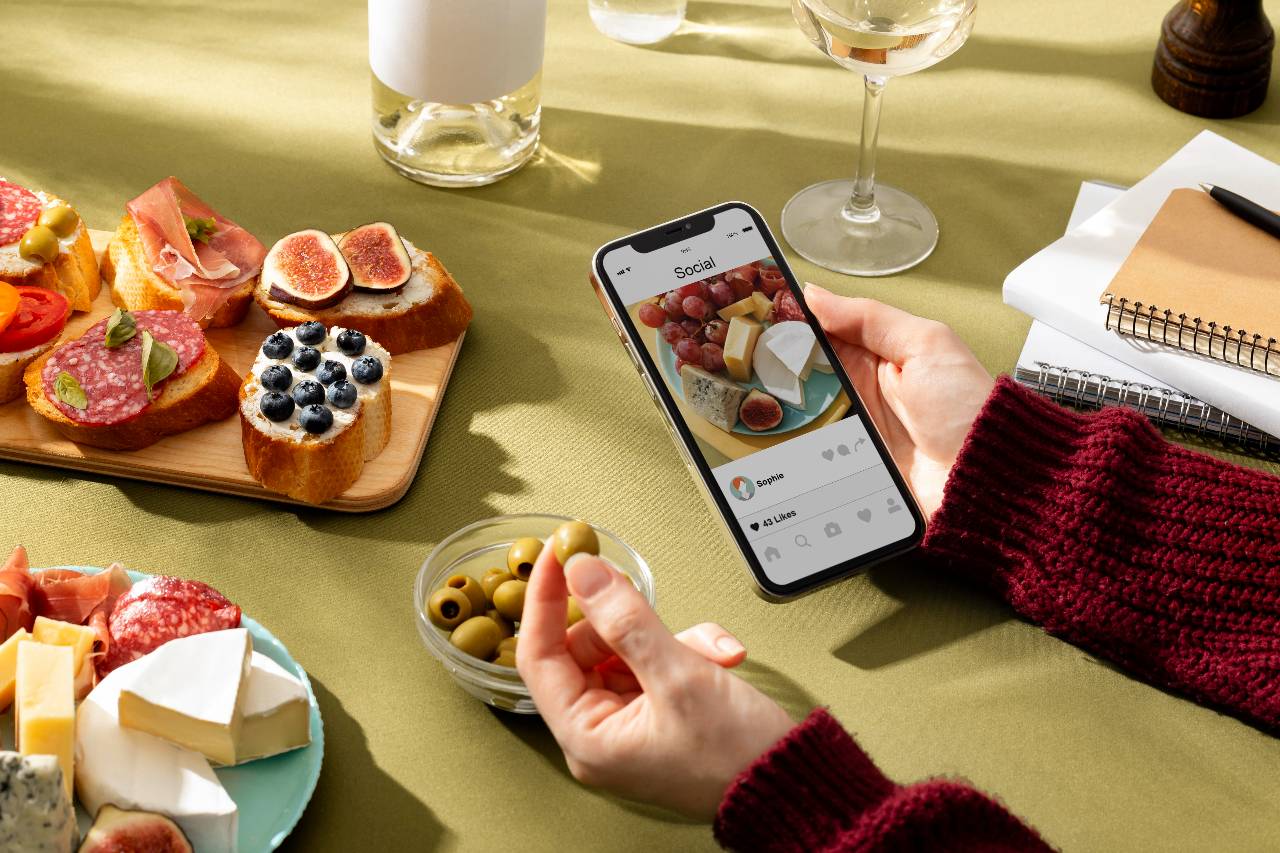
Explore marketing strategies for food businesses using reviews, professional photos, SEO, social media, partnerships, events, and catering.
Apr 28, 2026
Wingstop drives a standout quarter amid industry rebalancing, policy shifts, and value pricing that reshape the restaurant landscape.
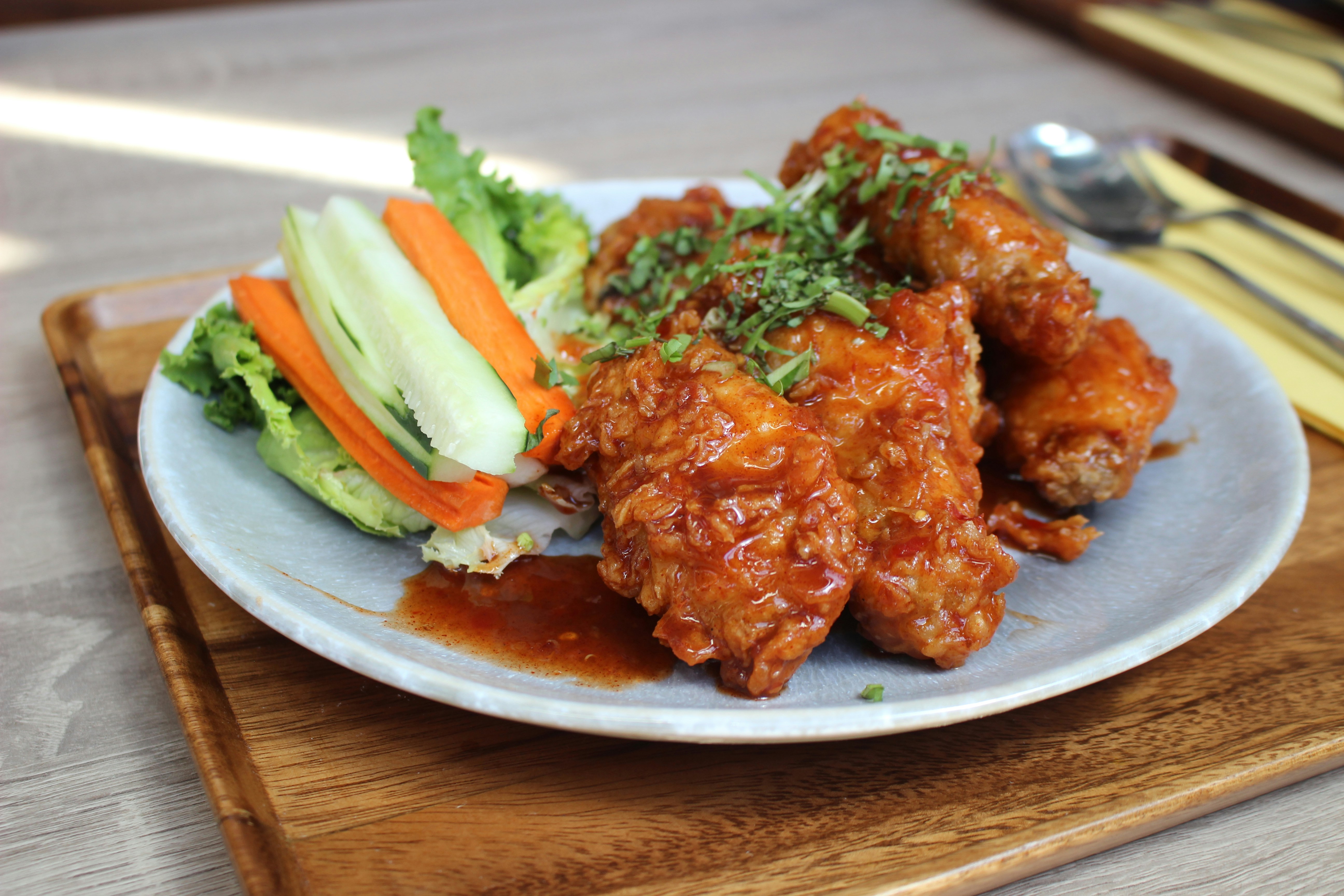
Photo by Alaundra Alford on Unsplash
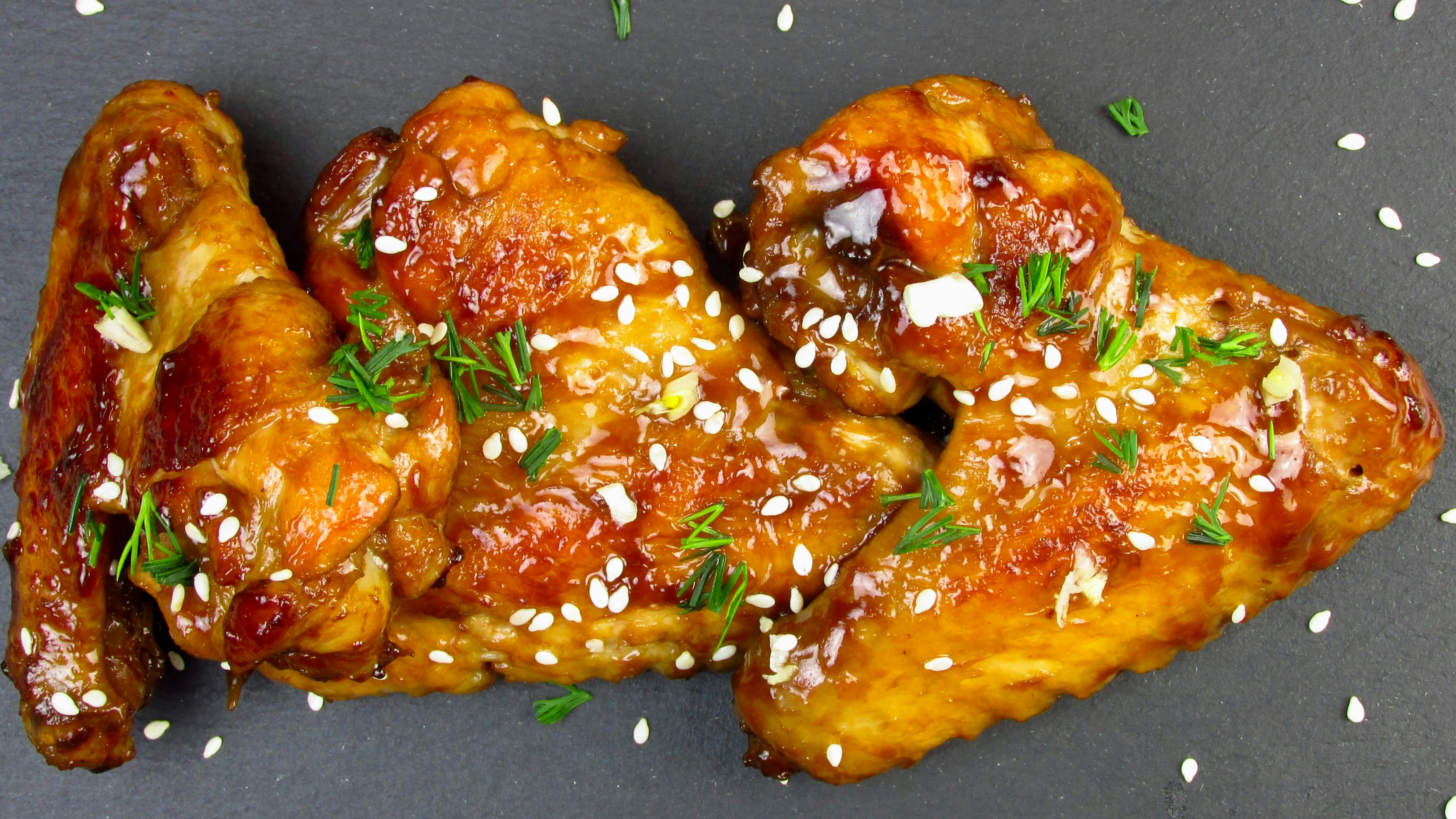
Wingstop's latest quarter lands with precision in a market that keeps shifting. The brand is not chasing headlines; it's sharpening execution where it counts—core offerings, speed, and a heavy dose of digital-enabled convenience. In an environment where traffic fluctuates and costs rise, Wingstop's momentum reads as a signal that guests still pay for predictable value and quick service. This opening chapter sets the table for a deeper look at what sparked the quarter and what it could mean for the landscape ahead. The question is simple: who’s thriving when inflation and volatility press on pricing and visits?
Among the facts, near 29% domestic same-store sales growth in the second quarter stands out. Wingstop also reported a blistering unit-growth rhythm and a heavy tilt toward digital channels, which pushed guest frequency and spend. In a year when some brands slowed, Wingstop opened a record pace of net new units—up to 129 net new restaurants in a single quarter during the follow-on period. The math is simple: fast, reliable service paired with digital convenience drives the visits that pay for growth. This combination helps explain why Wingstop stood out in its size class.
Momentum like this isn’t accidental. It’s built on a steady playbook: operational efficiency, core menu focus, and a disciplined pull-through of digital orders. The result is a lean operation that scales—without sacrificing consistency on the front line. As the quarter closes, the signs point to a brand that can translate quick wins into durable volume. That’s the hinge we’ll inspect as we move to the deeper drivers behind the quarter, and what it implies for the wider market.
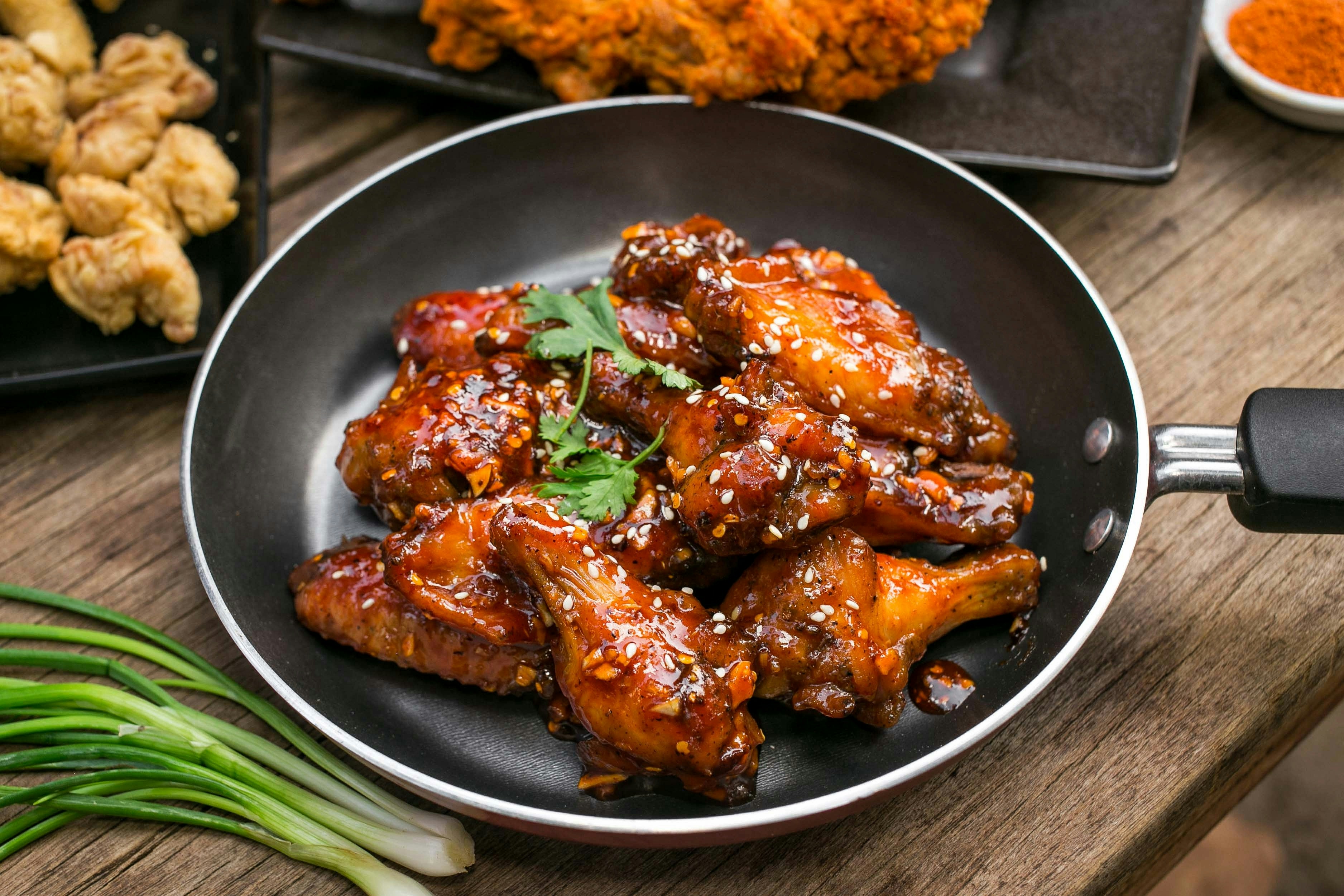
Wingstop’s story in this period is inseparable from its focus on operational efficiency and a menu that leans into core offerings. Analysts noted that transactions-driven growth and a favorable mix of new openings helped offset softer pockets in the broader market. The result is less spectacle and more precision on the line, a habit of keeping costs tight while driving guest checks through convenience. In this opening act, the emphasis on speed, consistency, and digital pull-through becomes the core lens through which we understand Wingstop’s performance and what it can teach the rest of the industry.
Starbucks pursued a redefined growth plan by expanding unit footprints in smaller markets outside major metros—tier-2 and tier-3 cities—drawing on population growth in those areas. At the same time, policy developments in Michigan were shaping the cost picture: the tipping minimum wage is phasing out, and the general minimum wage rises on a multiyear path toward $15 per hour. The plan includes inflation-adjusted steps, creating a road map restaurant operators can plan around. Denny’s revived its iconic 2-4-6-8 Value Menu and added a $10 category to broaden reach and drive traffic. Taken together, these threads show executives balancing growth, pricing, and cost structures as the post-pandemic reset takes hold.
So what’s the through-line? The industry is recalibrating toward scalable unit economics, disciplined pricing, and digital-enabled guest experiences.
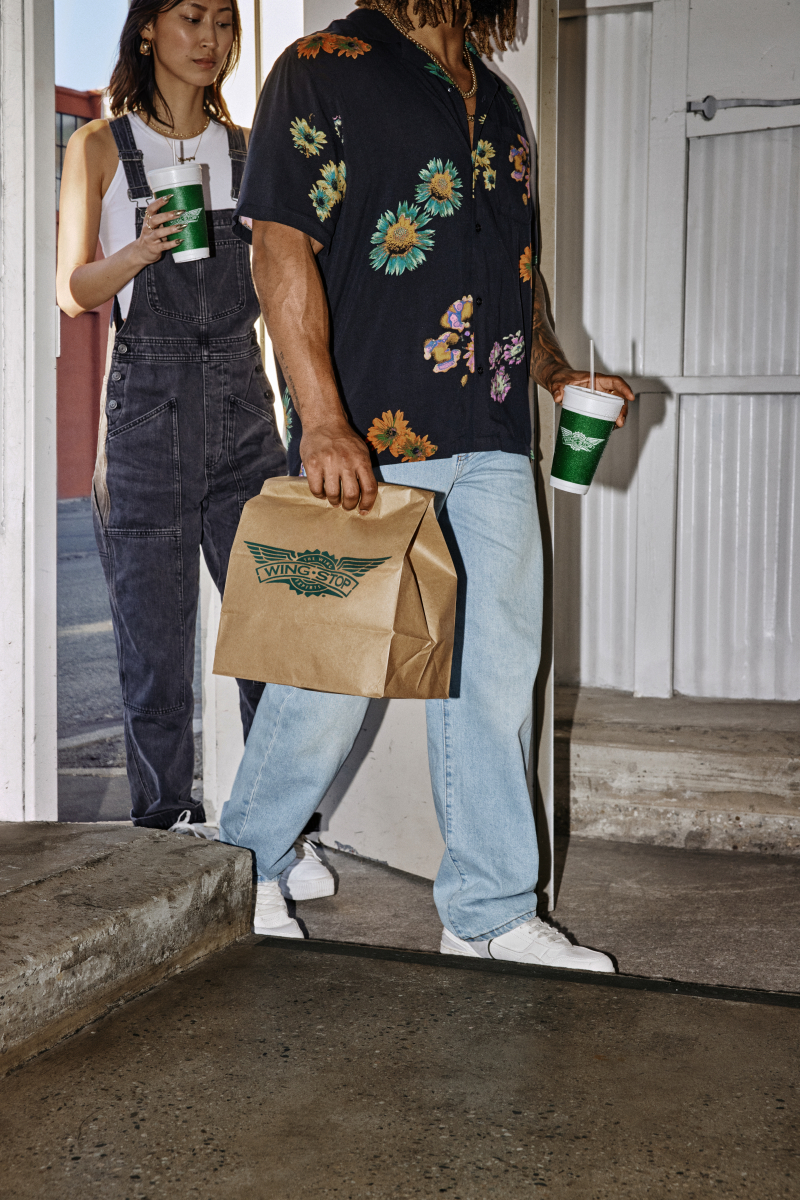
Momentum isn’t accidental; it rests on three levers: strong transaction growth, a healthy pace of unit development, and the push of digital-enabled ordering. In Q2, Wingstop’s domestic comp posted near 29% growth, while its unit cadence supported a growing footprint across markets. The synergy between guest frequency, basket size, and online orders underlines a simple truth: guests reward predictability and speed.
Digital remains a meaningful driver, funneling a large share of system-wide revenue through apps and delivery. Wingstop’s narrative shows the mix tilting toward convenience as the brand added as many as 129 net new restaurants in a single quarter during the follow-on period. The combination of comp strength, rapid expansion, and digital penetration explains why Wingstop stood out among peers in its size class.
That momentum sets up expectations for the next moves, including how SPB Hospitality’s acquisitions will fold into the broader platform strategy and test cross-market growth across a diversified portfolio.
SPB Hospitality’s Garces acquisitions—Amada Tapas y Vino and Village Whiskey—were framed as a strategic expansion of a diversified portfolio, signaling confidence in scale and brand-building potential. Jose Garces emphasized the emotional and culinary significance of the two concepts, while Ballard Brands owners underscored faith in SPB’s ability to elevate these concepts in new markets. The public framing reflected a shared belief that a national footprint could unlock new guest segments while preserving culinary identity.
The reaction across outlets and investor circles suggested optimism about growth opportunities and brand strength. The market’s takeaway was clear: SPB’s platform could catalyze expansion and deepen guest reach as operators pursue scale in a crowded field.
Meanwhile, policy dynamics outside the shop floor loomed large. The industry watched how regulatory shifts could reconfigure labor costs and tipping norms—an undercurrent that shapes pricing, staffing, and guest experience as 2026 unfolds.
Policy timelines remain subject to regulatory developments and economic conditions. The Michigan wage/tip-credit pathway ties to inflation adjustments and legislative action, creating variability in year-by-year steps for wage floors and tip credits. Analysts emphasize that the pace of implementation will hinge on inflation, labor-market dynamics, and how operators adjust pricing and scheduling in response. The long-run arc toward uniform minimums is clear, but near-term steps require disciplined planning.
In parallel, the breadth of Wingstop’s expansion and Starbucks tier-2/tier-3 city strategy will hinge on real estate economics and supply-chain resilience. Some brands benefit from accelerated unit growth; others face mounting cost pressures that push pricing and profitability into sharper relief. The industry will continue to recalibrate in the face of these pressures.
Wingstop’s growth, Starbucks’s recalibrated footprint strategy, SPB Hospitality’s Garces acquisitions, and Denny’s value-driven menu illustrate an ecosystem leaning on scale, value, and labor-aware models. For operators, the takeaway is clear: invest in unit economics, pace expansion with discipline, lean into digital channels, and craft pricing that respects shifting guest expectations. Policymakers’ wage and tipping frameworks will continue to shape cost structures, prompting ongoing recalibration of pricing and guest experiences.
In conclusion, the sector’s future hinges on balancing guest value with sustainable labor practices and scalable growth. Brands that nail the math—without overreaching on discounts—will emerge as leaders in 2026 and beyond.