
The Hidden Cost of Unpredictable Schedules on Employee Retention
Struggling with employee retention? Learn how unpredictable scheduling drives turnover and what you can do to create a more stable workforce.
operations
May 4, 2026
Struggling with employee retention? Learn how unpredictable scheduling drives turnover and what you can do to create a more stable workforce.
May 4, 2026
Photo by on Unsplash
GoTo Foods blends seven iconic brands to push snacking as a growth engine, expanding dayparts, off-premise channels, and co-branding.
May 3, 2026
Mark Graff steps in as CFO to anchor Red Robin's First Choice turnaround with disciplined financial leadership.
May 3, 2026
Photo by Graphe Tween on Unsplash
Doinita Leahu redefines hospitality leadership with practical training, mentorship, and people-first systems guiding Vicious Biscuit’s growth.
May 3, 2026
Explore high-traffic Texas markets where restaurants can succeed by matching concepts, customer behavior, visibility, and daily demand.
Apr 30, 2026
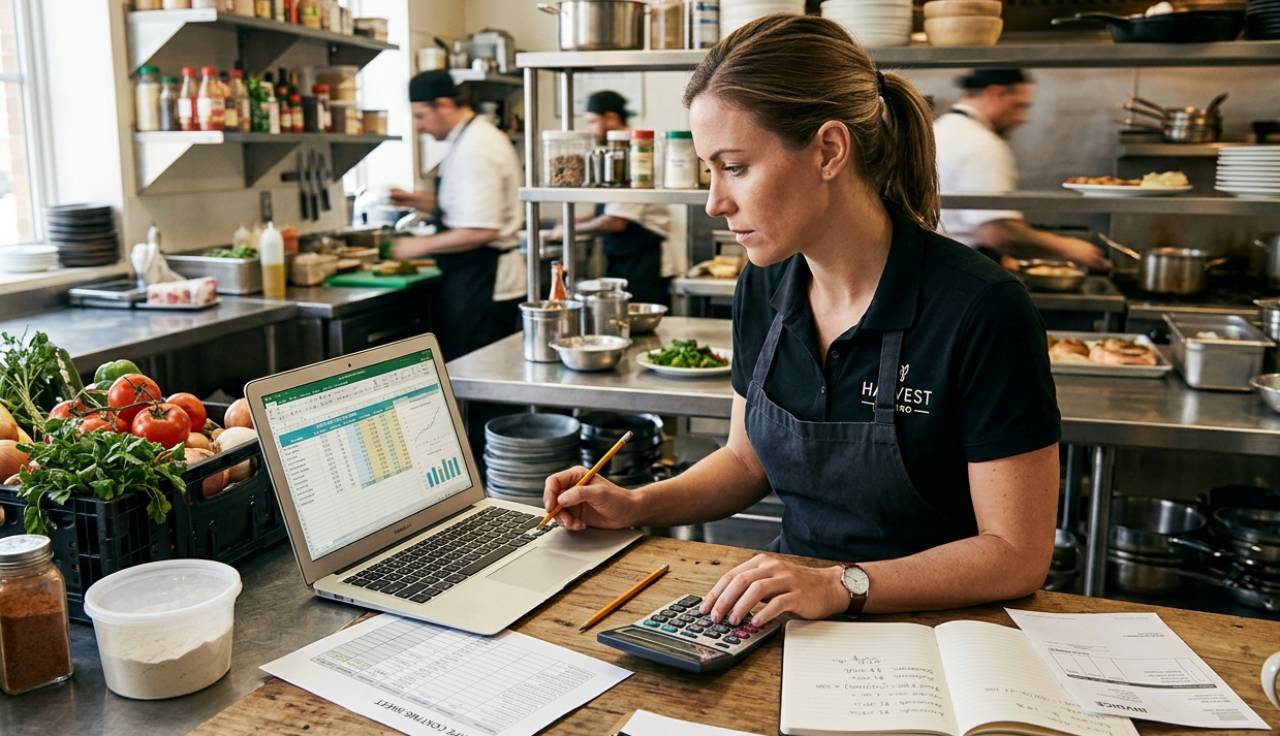
Learn how to calculate food cost, control margins, reduce waste, price menu items, and use technology to improve restaurant profit.
Apr 29, 2026

Photo by Unseen Histories on Unsplash
A look at how U.S. brands expand through multi-unit deals, cross-border partnerships, and seasoned operators in 2026.
Apr 29, 2026
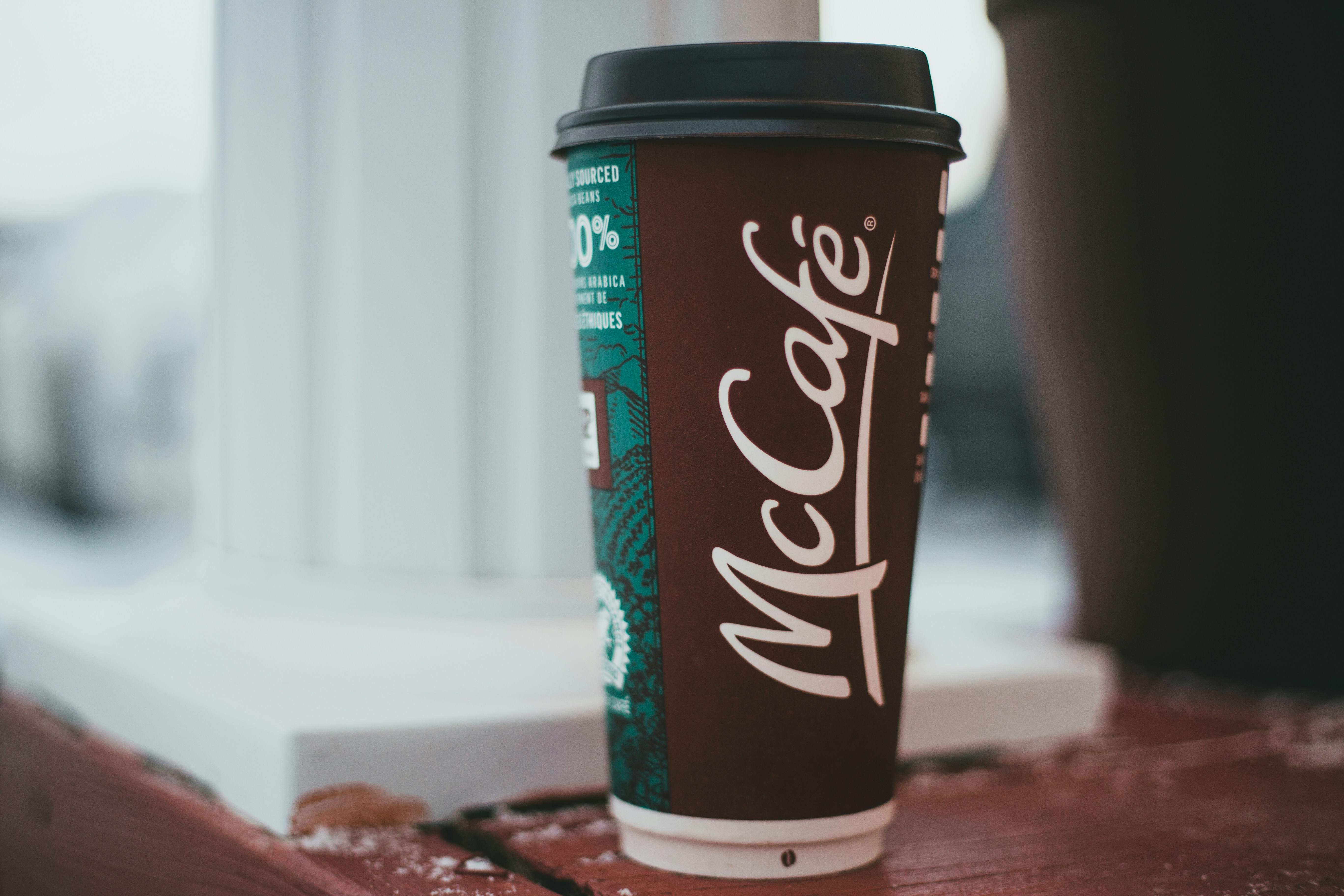
Photo by Erik Mclean on Unsplash
McDonald’s unveils six beverages across 14,000 restaurants on May 6, expanding McCafé with Refresher and crafted sodas and a new store-level beverage specialist role.
Apr 29, 2026
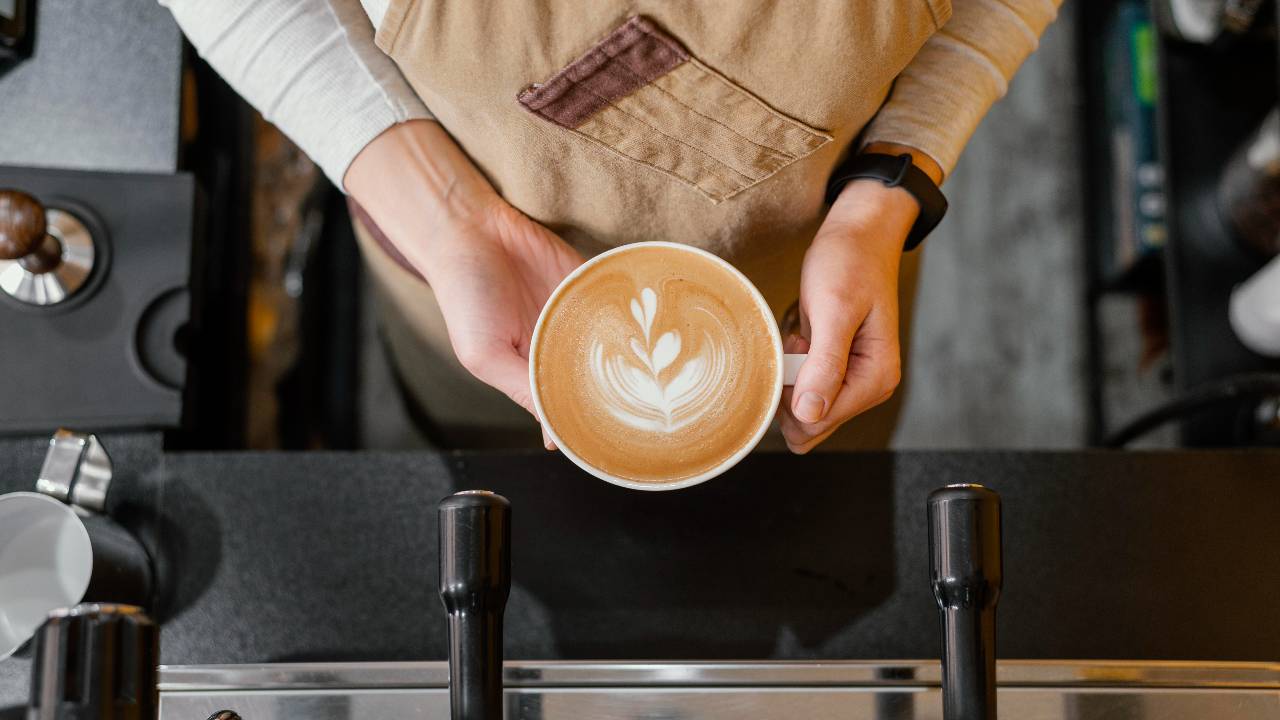
Learn how to write a coffee shop business plan that covers concept, location, menu, finances, branding, marketing, and risk planning.
Apr 27, 2026
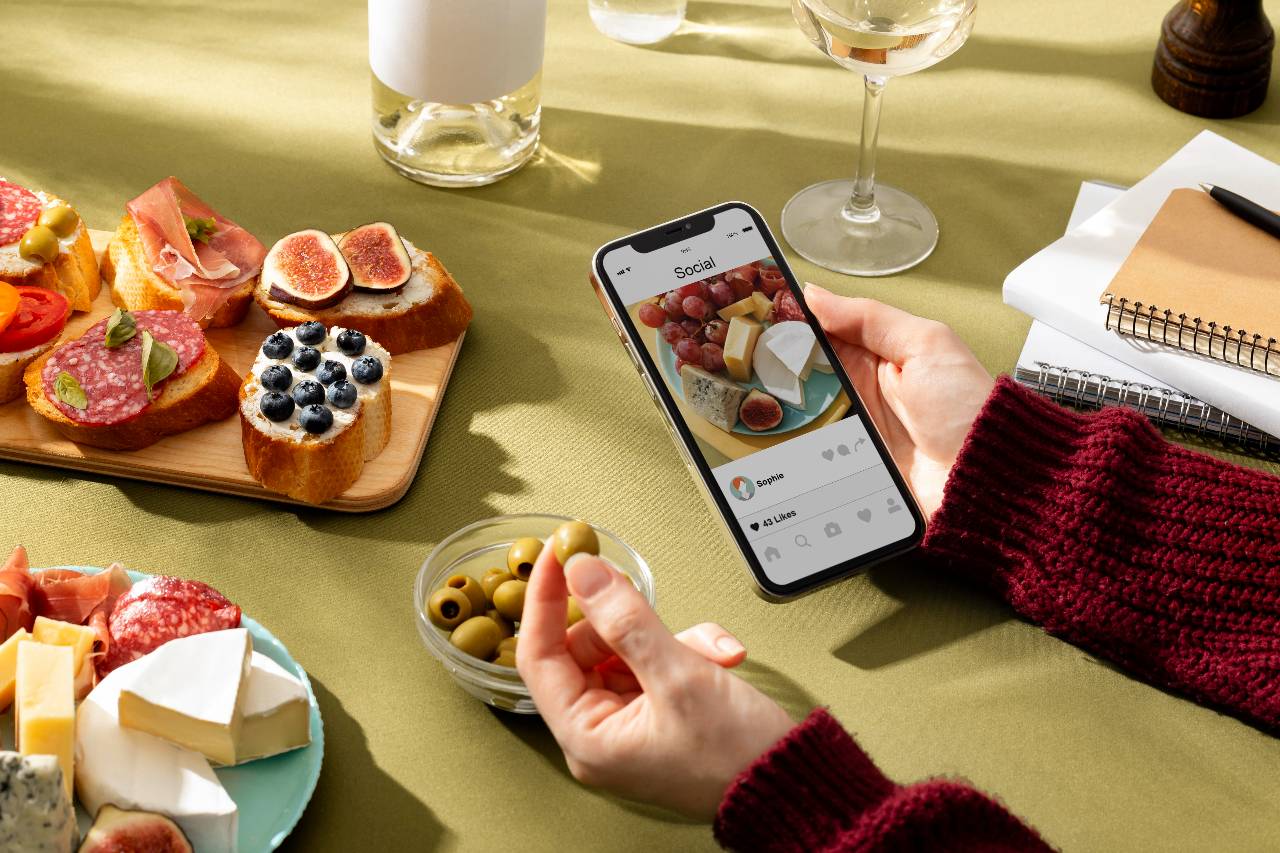
Explore marketing strategies for food businesses using reviews, professional photos, SEO, social media, partnerships, events, and catering.
Apr 28, 2026
Zaxby’s launches three signature sauces in stores and online, signaling a broader trend of turning restaurant flavors into at-home staples through a two-channel strategy.
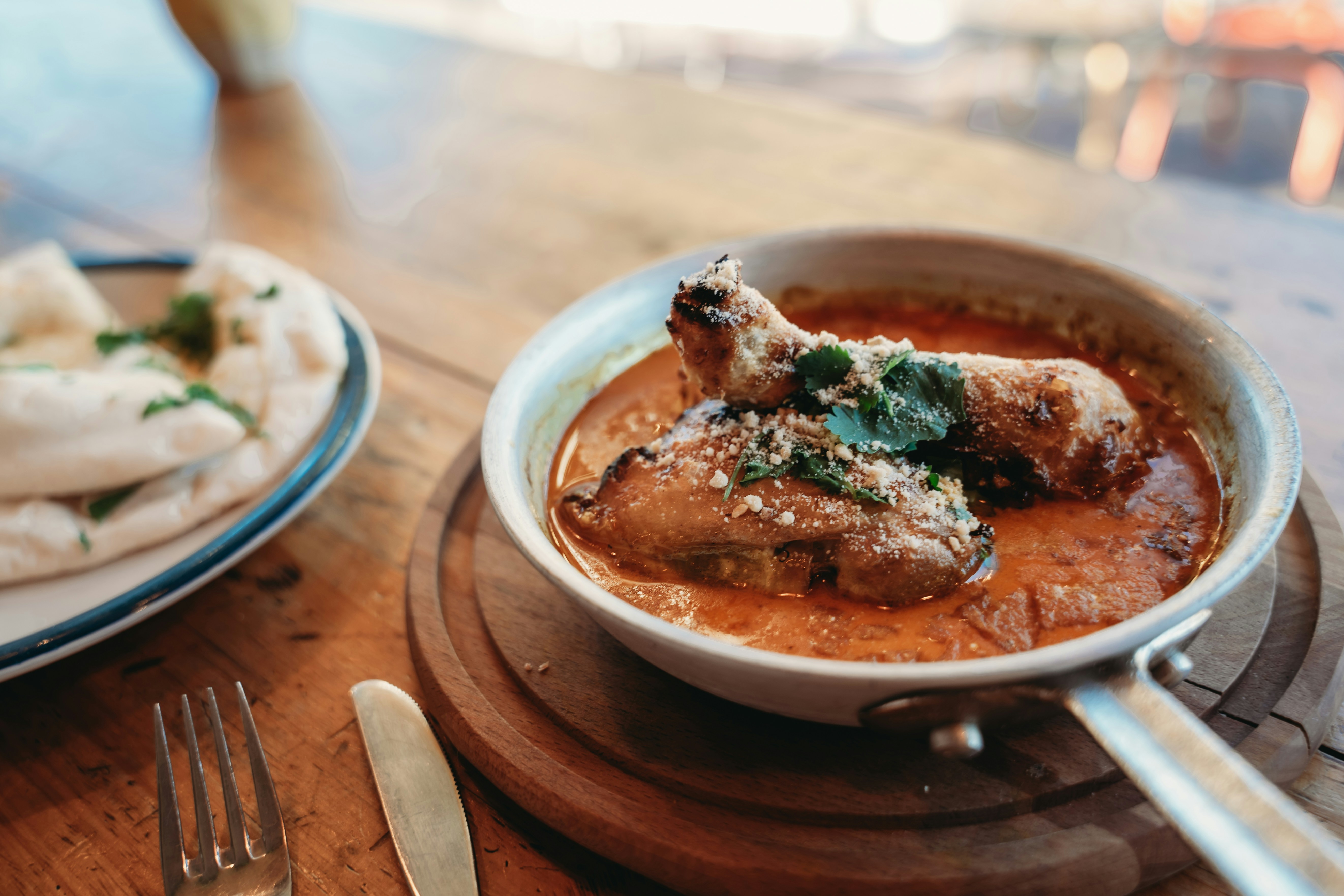
Photo by Jessie Maxwell on Unsplash
Zaxby’s is changing the playbook. The brand known for its drive-thru pockets is stepping into the grocery aisle with a deliberate, two-channel bet. It starts with three signature sauces—Zax Sauce, Spicy Zax Sauce, and Tongue Torch Sauce—packaged in 16-ounce bottles and lined up for regional shelves. The rollout targets the South and Southeast through Walmart, Kroger, and Winn Dixie, with nationwide access via Amazon. Prices hover around four to five dollars, a position designed to sit alongside premium grocery condiments rather than discount shelf staples. This is not a one-off product push. It’s a defined step toward keeping the flavors visible whether guests are dining out or cooking at home.
That trio is only the opening act: the sauces are drawn from a twelve-sauce portfolio, and the price point is designed to compete with premium grocery condiments rather than bargain-brand dressings. The regional rollout leans on the South and Southeast markets, leveraging Walmart, Kroger, and Winn Dixie’s shelf space while Amazon carries it nationwide. The brand sits on a restaurant footprint of roughly 950 locations, a scale management argues could translate shelf curiosity into dinner-table visits as awareness grows. That strategy hinges on regional testing before any broader push.
Beyond the headline, the rollout is a deliberate two-channel proof of concept. The three sauces—drawn from a twelve-sauce portfolio—arrive in 16-ounce bottles across the targeted retailers, with Amazon providing national reach. The regional test bed is meant to gauge home-cook enthusiasm and retail performance before a broader push. Industry data points to the scale at play: the chain operates more than 950 restaurants, a figure that could translate to meaningful grocery traffic and, in time, restaurant visits as familiarity deepens.
Alignment with the in-restaurant identity matters. The lineup mirrors the flavor DNA of the portfolio while entering the grocery channel at a price point designed to compete with premium condiments. The retailer network leverages Walmart and Kroger’s scale and Winn Dixie’s regional reach, with Amazon bridging the national gap. The broader plan is to test, learn, and scale—the kind of move that pairs the brand’s heritage with a modern, home-kitchen footprint.