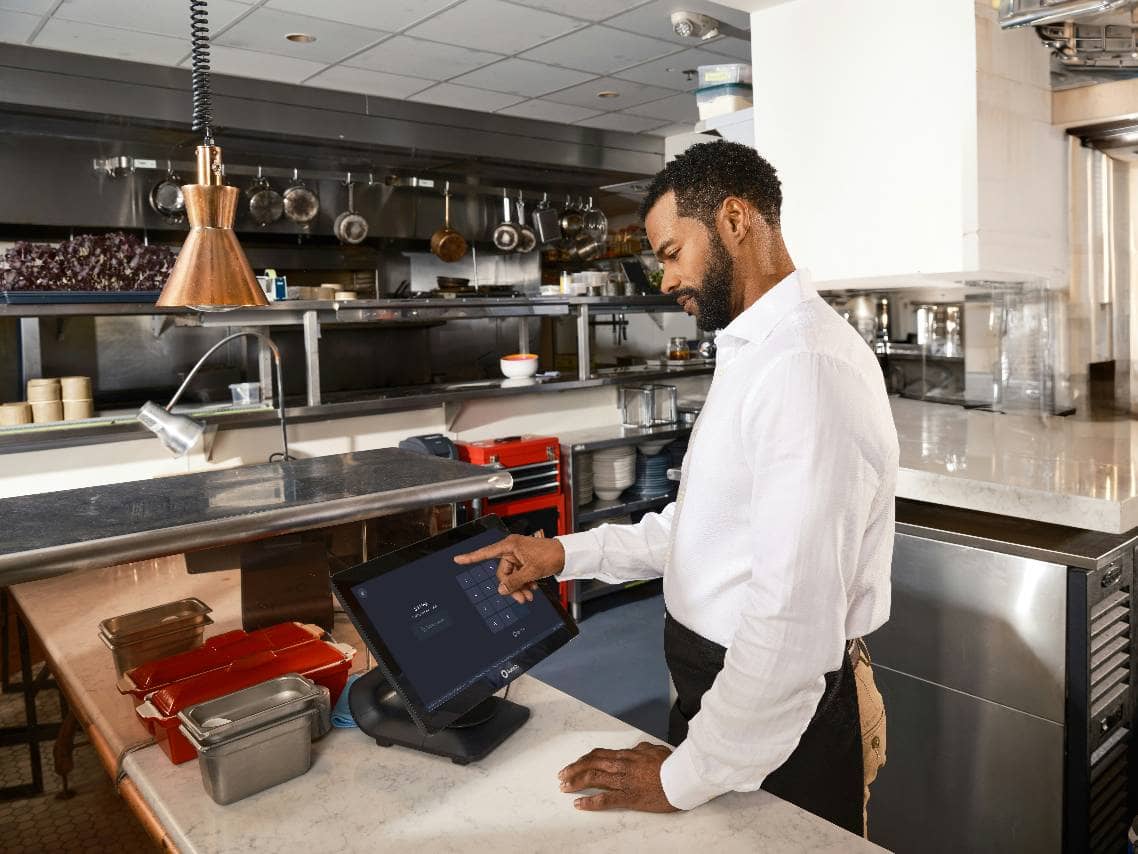
The Benefits of Scheduling Software for Restaurants
Scheduling software helps restaurants save time, control labor costs, improve communication, prevent conflicts, support compliance, and make smarter staffing decisions.
Technology
Aug 5, 2026
Scheduling software helps restaurants save time, control labor costs, improve communication, prevent conflicts, support compliance, and make smarter staffing decisions.
Aug 5, 2026
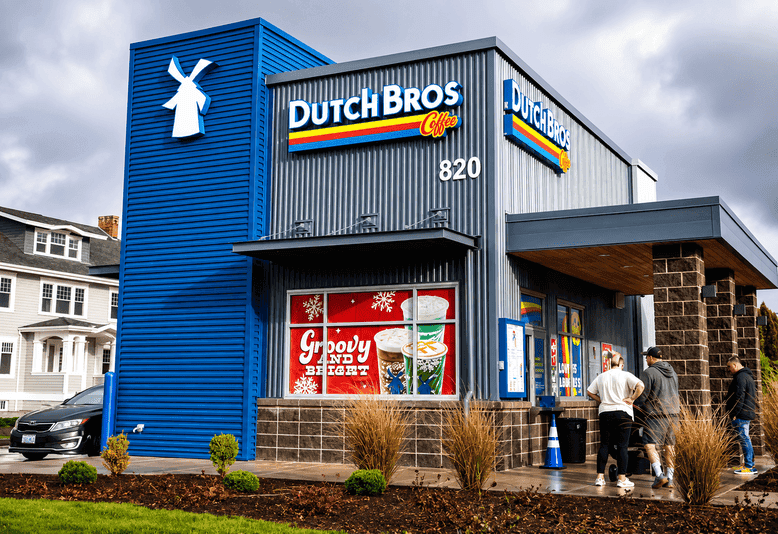
Dutch Bros invests $105 million to acquire Salad and Go’s closed locations, targeting rapid expansion in key southern markets. Learn what this means for multi-unit restaurant owners and operators.
Aug 6, 2026
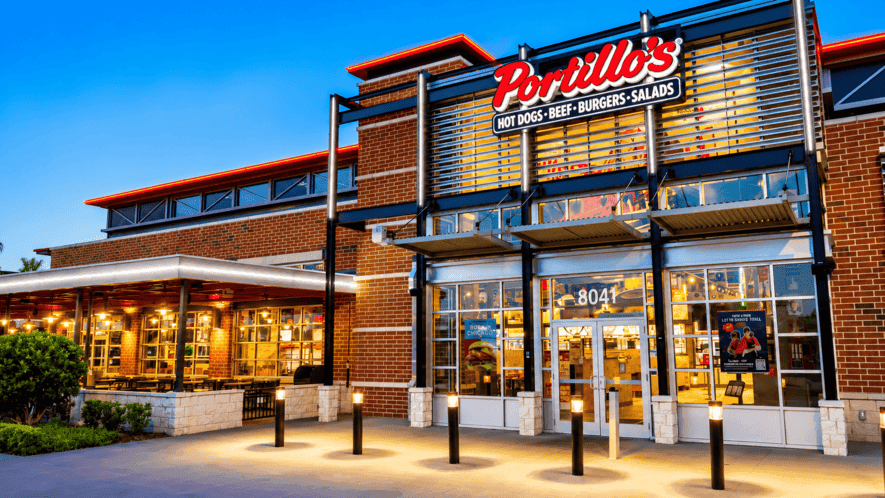
Portillo’s trims corporate and field roles by 18% in a strategic shake-up to support future growth after soft traffic and sales. Read what this means for multi-unit operators.
Aug 6, 2026
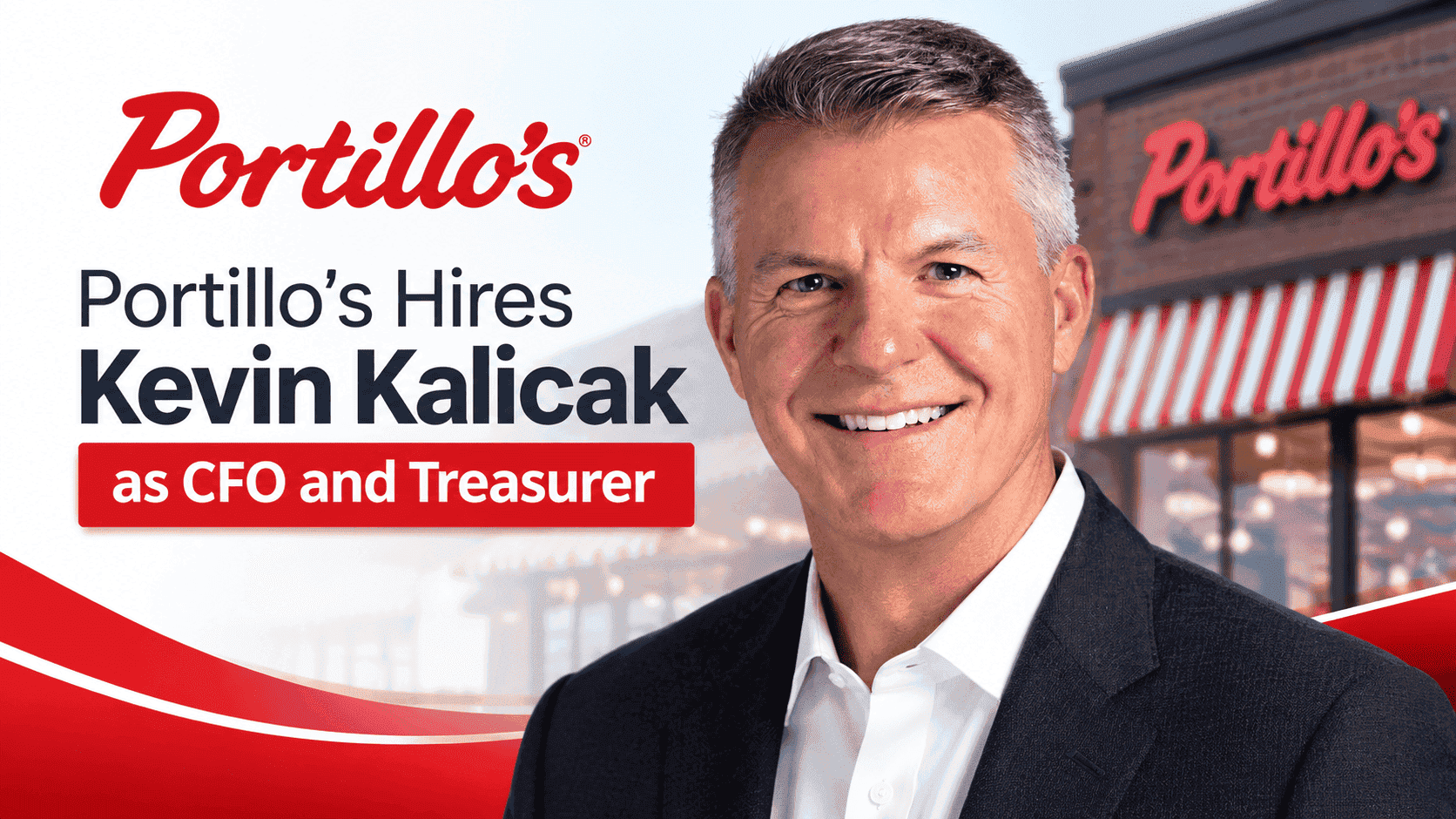
Portillo’s announces industry veteran Kevin Kalicak as its new CFO and Treasurer, underscoring the brand’s growth strategy and financial vision.
Aug 5, 2026
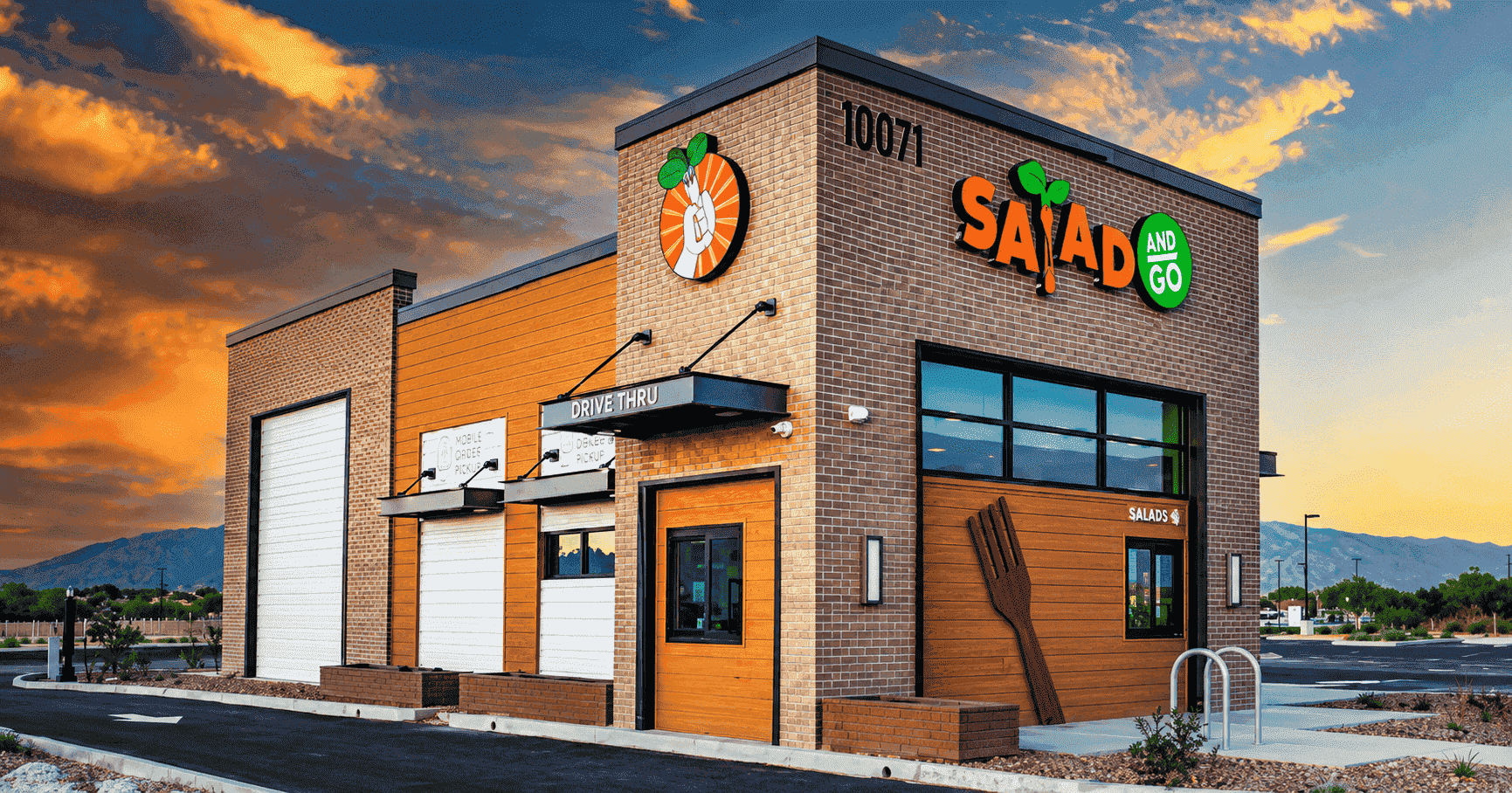
Salad and Go's bankruptcy and closure offer key lessons on growth, risk management, and market dynamics for restaurant leaders. See what every operator can learn.
Aug 5, 2026

Learn how to calculate prime cost, track food and labor expenses, measure percentages, identify problems, and improve restaurant profitability consistently.
Aug 5, 2026
Checkers & Rally’s welcomes Peter Busse as Chief Development Officer, signaling a new era of strategic expansion and franchise support for the quick-service brand.
Aug 4, 2026
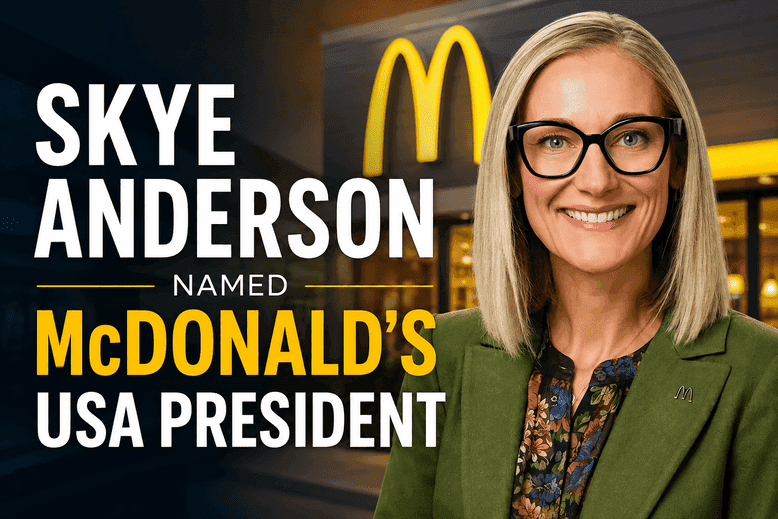
Skye Anderson will lead McDonald's USA as its new president, stepping in to accelerate growth and revive sales. Learn how her leadership could shape the future of the restaurant industry.
Aug 4, 2026
Dave & Buster’s announces Tarun Lal’s retirement as CEO, welcoming Darin Harper to the helm as the brand continues its Back-to-Basics strategy and growth initiatives.
Aug 4, 2026
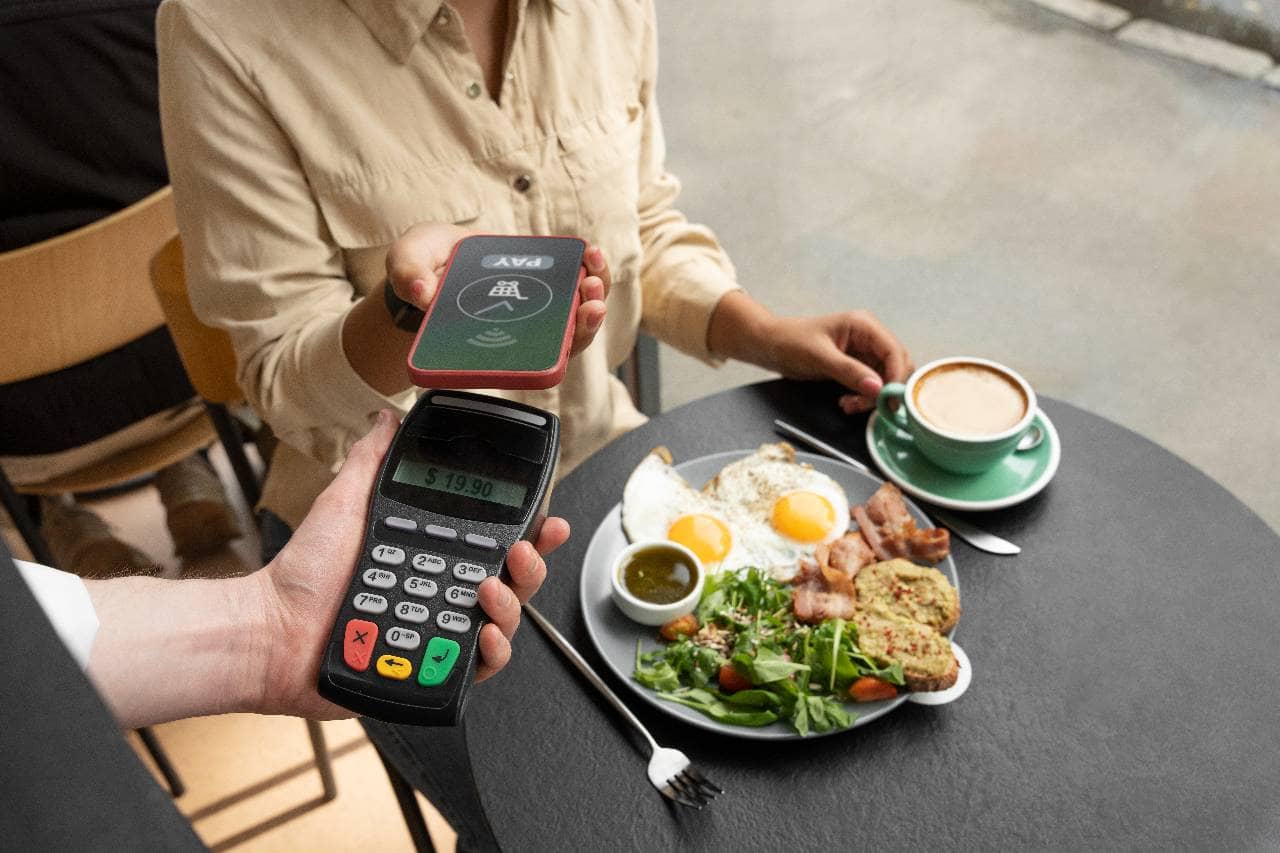
Explore restaurant payment processing and learn how payments are authorized, settled, secured, reconciled, refunded, disputed, and deposited into business accounts.
Aug 3, 2026
Restaurants must depend on the efficiency of their supply chains in order to meet customer demand. Find out how to optimize the restaurant supply chain process.
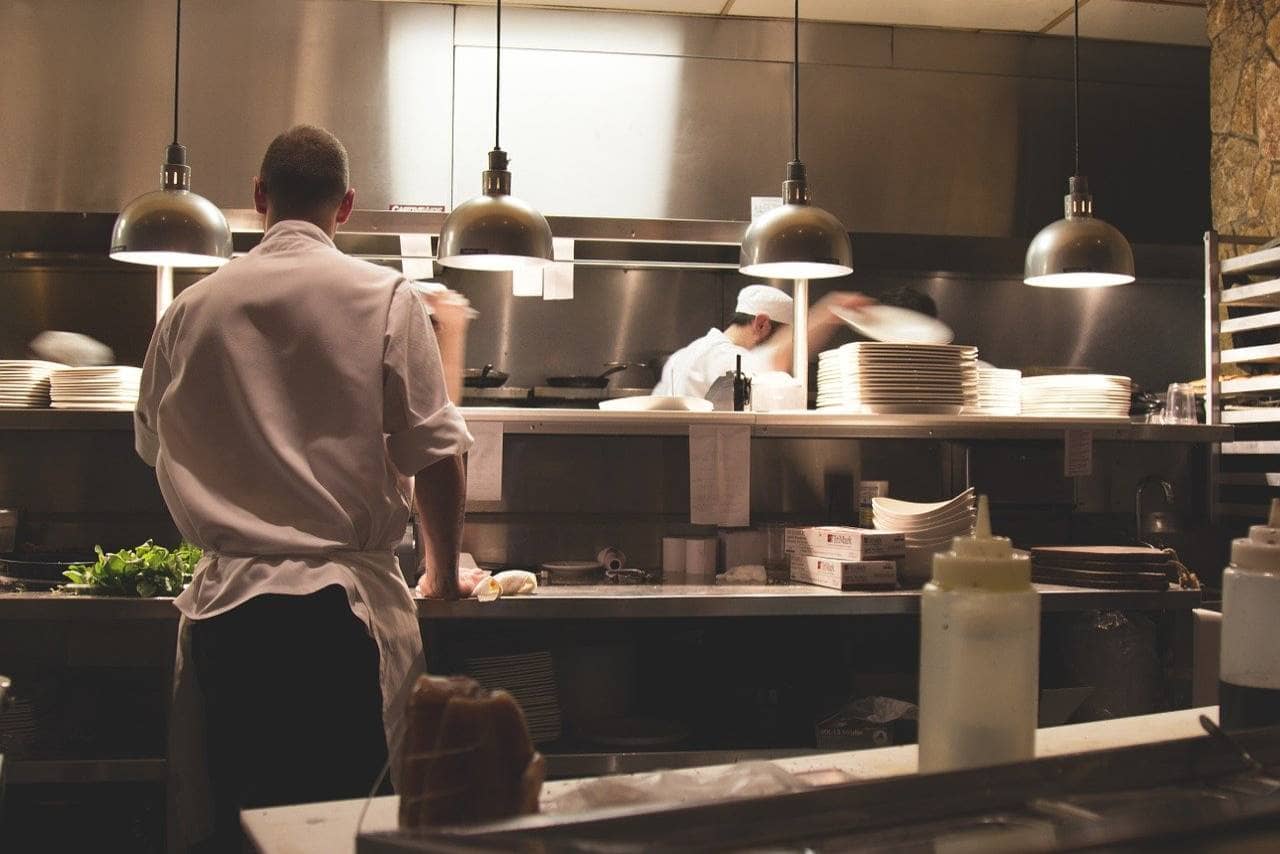
The success of any restaurant is dependent on the supply chain it establishes to stock their kitchen with ingredients. With the rapid advancement of technology, the methods of inventory replenishment are quickly transforming. Restaurants today are slowly turning to third party retailers online to meet their supply demands. Approximately 12% of restaurants are currently utilizing online third-party sellers to stock up their restaurants, while 40% of purchase supplies from online services on a monthly basis. These statistics are only getting higher by the year and it's prudent for restaurants to think of their supply chains not only by what's been done in the past but also by focusing on more efficient and cost-saving ways for the future.
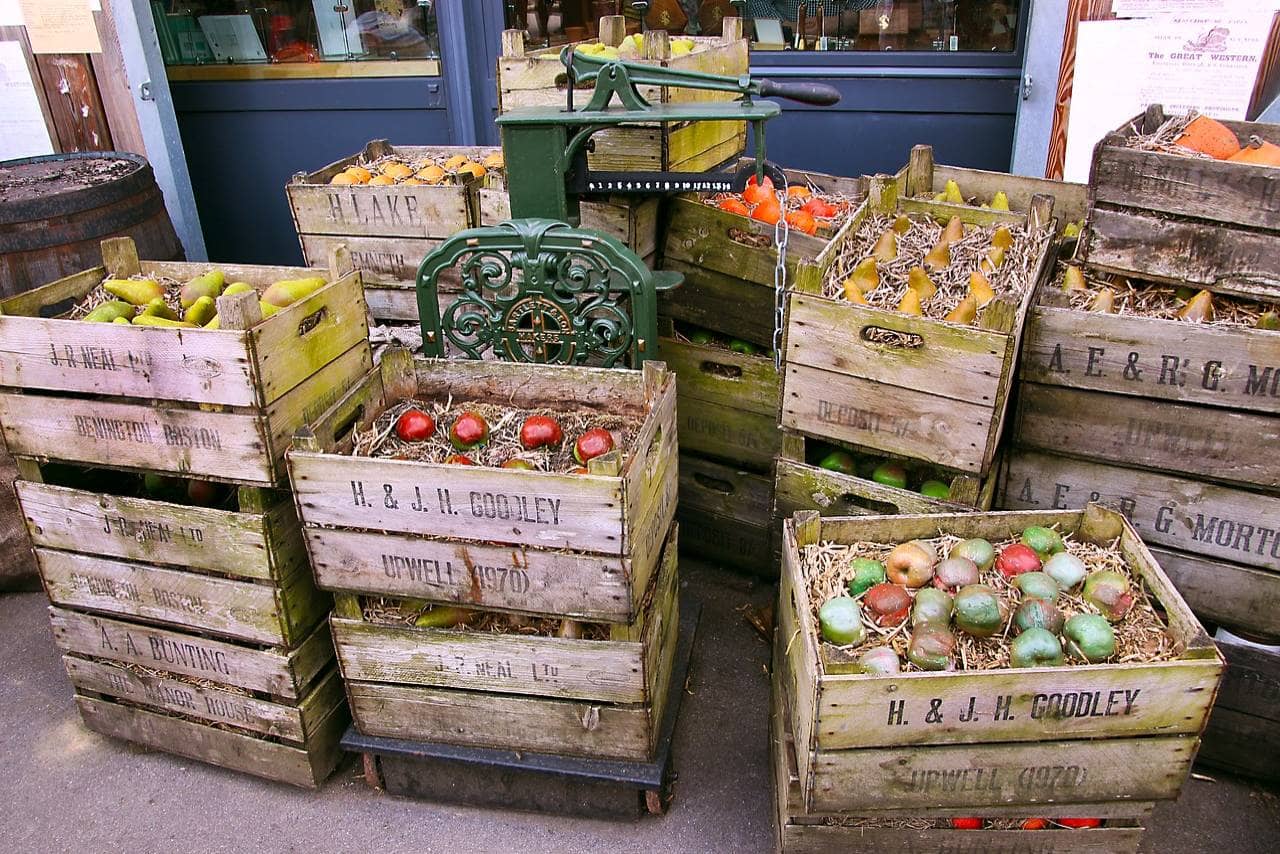
A restaurant supply chain is a process whereby restaurants establish a relationship with suppliers and distributors to produce menu items and meet customer orders. This can involve purchasing anything from food, beverages, napkins, plastic cups, and more. The food and beverage industry is dependent on the relationships that are established with vendors because one disruption in the chain management system could result in restaurants not being able to adequately serve their customers. This is why it is incredibly important for restaurants to closely manage their supply chain networks. Keeping close tabs on the supply chain to ensure that it is operating efficiently can mean lower costs and more revenue. Since distributors in the supply chain are a restaurant's primary source of replenishment, disruptions to any of the ingredient suppliers can cause shortages in the kitchen. If restaurant supply chain disruptions do occur, it can force establishments to search for emergency suppliers and drive up last-minute inventory purchasing costs.

There are many different ways to improve your supply chain. These are just six measures restaurants can implement to get the most out of their suppliers and the money they spend on inventory purchasing. 1. Acting on Changes in Demand in Real-Time The benefit of relying on a digital supply chain tracking system is that it should offer insights that ultimately lead to actions. The digital management of a restaurant's network of suppliers should be able to detect changes in demand, correct any supply forecasts in response, and coordinate with suppliers on restocking the products appropriately. This must all be done in real-time and in response to changes in customer demand. 2. Consolidating Logistics and Warehouses Simultaneously optimizing costs relating to transportation and inventory is another way to increase efficiency. This entails better optimizing the supply chain by turning to a demand-driven distribution of products rather than one that is fixed on a set schedule. 3. Tracking Where Your Supply Comes From As a restaurant, serving food that is safe to consume is of the utmost importance. Thus, if there is an outbreak involved with the raw foods you receive, it's important for restaurants to be able to trace where the outbreak occurred. Food and beverage businesses utilizing automated inventory ordering systems are able to track this information and all purchase orders digitally. 4. Managing Your Promotions Restaurants that offer promotions to their customers need to make sure that they won't run out of their current supply if the promotion is a success. Thus, management needs to be certain that product shortages won't occur by checking their quality management system to see their suppliers' distribution inventory. Before any promotion is offered, restaurants need to know if the demand will be there and that accurate forecasting projections are in place. Ensuring that customer demands and forecasting models are accurate will help to prevent wastage and will save the restaurant valuable capital spent on excess stock.
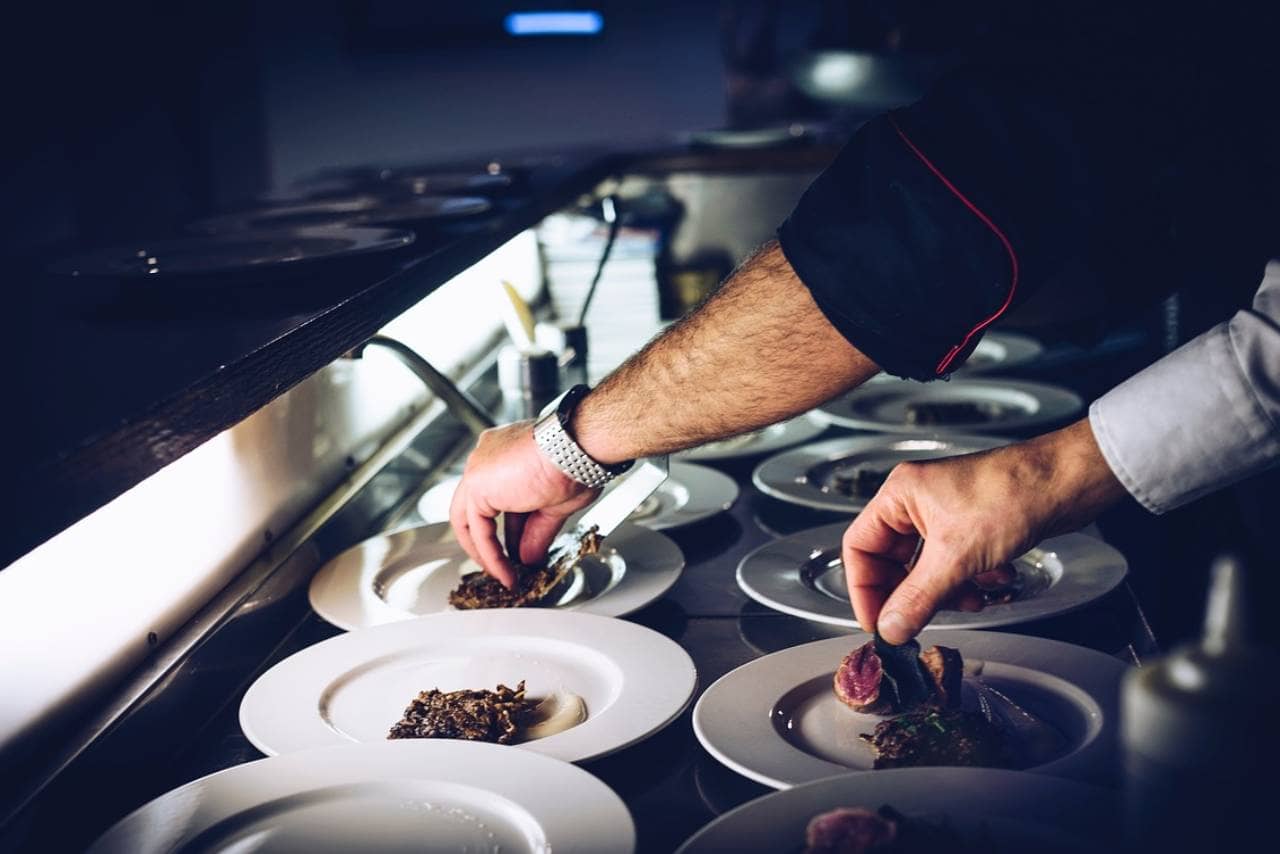
A crucial component of the restaurant supply chain process is inventory replenishment. This important step can be easily automated using inventory ordering software to streamline supply chain and restocking procedures. Here are some benefits of using inventory ordering software.