
Restaurant Technology Trends in 2026
Explore restaurant technology trends in 2026, including AI, automation, digital ordering, workforce tools, connected kitchens, personalization, and profitability strategies today.
Technology
Aug 28, 2026
Explore restaurant technology trends in 2026, including AI, automation, digital ordering, workforce tools, connected kitchens, personalization, and profitability strategies today.
Aug 28, 2026
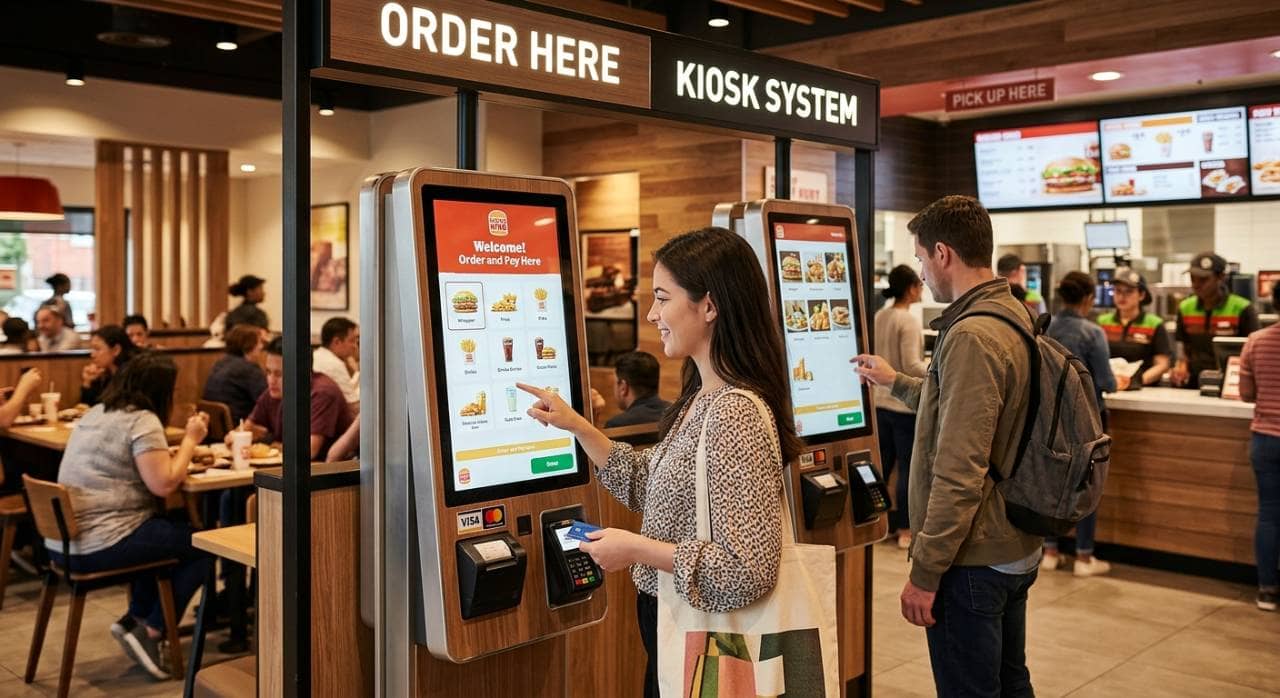
Understand how to evaluate a Kiosk system using key criteria including features, POS integration, hardware, pricing, customer experience, and support.
Aug 31, 2026
Learn how to calculate restaurant cost of goods using inventory, purchases, COGS percentage, variance reviews, and regular tracking for profitability.
Aug 31, 2026

Learn the startup costs of opening an ice cream shop, including rent, equipment, renovations, permits, inventory, labor, marketing, and reserves.
Aug 28, 2026

A restaurant P&L statement reveals sales, expenses, and profits, helping owners manage costs, improve margins, and plan finances more effectively.
Aug 26, 2026

Learn practical ways to reduce labour costs through smarter scheduling, forecasting, productivity, cross-training, automation, overtime control, and performance monitoring strategies.
Aug 26, 2026
RaceTrac has appointed Jill Pemberton as chief financial officer, succeeding Karla Ahlert, who moves into the newly created role of chief administrative officer.
Aug 26, 2026

Create a practical restaurant marketing plan by setting goals, targeting customers, choosing channels, budgeting wisely, scheduling campaigns, and measuring results.
Aug 24, 2026

Levain Bakery appoints Lorna Sommerville and Taya Stenson as co-CEOs, blending operational and marketing expertise to power national expansion and innovation while staying rooted in its brand values.
Aug 25, 2026

A payroll advance policy helps restaurant owners define eligibility, limits, repayment, documentation, approval procedures, and compliance requirements for employee advances.
Aug 24, 2026

Unlock Exclusive Access To Webinars, Events, And The Latest News For Free!
Food safety and sanitation are something that anyone from a restaurant owner to a home chef should be knowledgeable about. Here are five tips to keep in mind about it.

Food Safety, a scientific method or discipline, refers to the handling, preparation, and storage of food in ways to prevent food-borne illness. If two or more cases of a similar illness result from the ingestion of a common food, it could be a food-borne disease outbreak. Most times food travels from one place to another. In the process of food transportation from farm to factory to fork, food is prone to getting contaminated. The supply chain needs to ensure that safe food handling practices and procedures are implemented at every stage of the food production life cycle in order to curb any risks. Ensuring Food Safety controls and prevents harm to consumers. As an academic discipline, food safety draws from many fields including chemistry, microbiology and engineering. The knowledge from each of these fields intersect to ascertain food safety at different levels of food production, food sourcing, manufacturing units, and retail food stores. Food safety, thus, is a systemic approach to hygiene/sanitation and accountability that concerns every aspect of the global food industry.
Food Sanitation refers to creating and maintaining conditions to prevent food contamination in order to mitigate the risk of any foodborne illness. The primary tenet of food-service sanitation is absolute cleanliness that begins with personal hygiene and the safe handling of foods during preparation. Food sanitation ensures cleanliness and maintenance of equipment and facilities, and hygiene practices followed by food handlers during the production or preparation of food. Both Food Safety and sanitation come under the ambit of a food safety management system that follows a set of procedures to ensure quality control and compliance with international standards and regulations set by the state and/or federal government by food business operators followed during food processing. The overall purpose of the system is to prevent any health hazards in customers/consumers because of the food products being sold.
In layman's language, both food safety and sanitation in the food service industry would mean taking all the precautionary measures to ensure that the food that is finally eaten is safe. But can both the terms food safety and food sanitation be used interchangeably? Not really. That's because Food Safety is the larger umbrella, the main content, of which food sanitation or food hygiene is a smaller part. To explain it a little better- Food safety is a management system that any and all food-related establishments must have in place. The Food Safety management system follows a set of procedures to determine the steps taken by food business operators to ensure quality control and compliance with international standards and regulations set by the state and/or federal government. Its purpose is to prevent any health hazards in customers/consumers because of the food products being sold. The extensive process comprises a formal review that begins with food selection and goes on to review the preparation and preservation methods, and the display. Whereas, food sanitation is a part of that multi-fold process. It ensures cleanliness and hygiene of people involved in the food service industry, and cleanliness and sanitization of equipment and facilities used to prepare food. To explain it in detail, here are a few differentiators of food safety and sanitation- Food Safety
The end goal of a Food Safety System and following proper food sanitation or hygiene is to ensure that any risk of foodborne illness is mitigated in processing food.With a series of specifications and procedures,food safety, which includes food sanitation as well, ensures that the final product that reaches the consumers is safe to eat and won't have health hazards. It's a multi-fold process that requires verifications, documentation and expert reviews at every stage.The Food And drug Administration (FDA) of the USA, citing the Encyclopedia of Food Safety, 2014, talks about some of the main factors leading to foodborne diseases-
One of the foremost things to know about Food Safety and Sanitation is that anyone in the food service industry needs to have an understanding of the guidelines to be followed for food safety. Those in managerial or supervisory roles need exhaustive training in implementing a food safety system, such as HACCP (a set of seven principles, Hazard Analysis and Critical Control Points is a systematic approach to identify, evaluate, and control food safety hazards.) Additionally, people who work directly with food, but are not responsible for implementing management systems, need thorough awareness of sanitation or hygiene. They have a legal obligation to understand and follow food sanitation. It is, however, always recommended for anyone in the food service industry to have an understanding of food safety, so that any food hazard could be mitigated.
Having a Food Safety System ensures a better market and business growth for a food service operator. As for people working with food, but not managerial roles, it is legally advisable to understand food sanitation. The magnitude of knowledge they need depends on the specific duties allotted to them and their involvement in food preparation. As per the Food And Drug Administration website, the United States Federal government estimates a whopping 48 million cases of foodborne illness annually the equivalent of sickening 1 in 6 Americans each year. Each year, these illnesses result in an estimated 128,000 hospitalizations and 3,000 deaths. Some of the benefits of having an efficient Food Safety and Sanitation system ensures-

A thorough Food Safety And Sanitation plan in a food business ensures that the Federal food safety regulations, as laid out by the Food And Drug Administration or other government bodies, are being followed. It reassures customers or consumers about your food products and they don't have to worry about the quality of products and services being delivered. Implementing a proper Food Safety and Sanitation System ensures the following-