
DoorDash's $425M Bet on Campus Dining, Robot Kitchens
DoorDash pays $425M for Wonder's campus dining platform and a stake in Wonder, betting on robotic kitchens and institutional foodservice growth.
Industry Trends
Sep 16, 2026
DoorDash pays $425M for Wonder's campus dining platform and a stake in Wonder, betting on robotic kitchens and institutional foodservice growth.
Sep 16, 2026
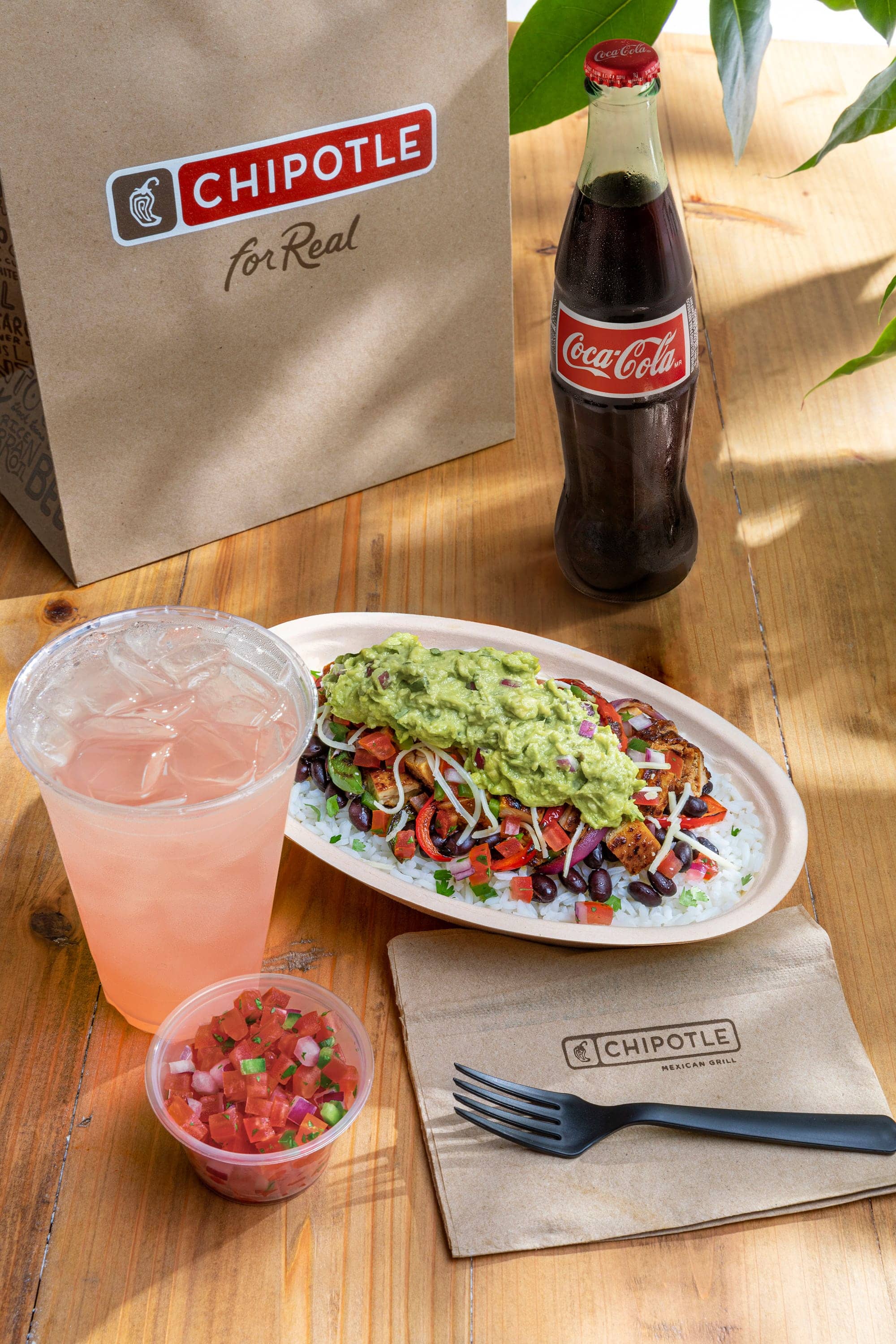
Chipotle names former KFC global CEO Sabir Sami to its board as the chain expands into Mexico, Saudi Arabia, and South Korea.
Sep 15, 2026

LeBron James joins Mike's Red Tacos as an investor, backing the birria chain led by Blaze Pizza and Dave's Hot Chicken veteran Bill Phelps.
Sep 15, 2026

Practical payroll compliance checklist for restaurant owners covering wage rules, tips, overtime, taxes, deductions, and recordkeeping to reduce legal risk.
Sep 14, 2026
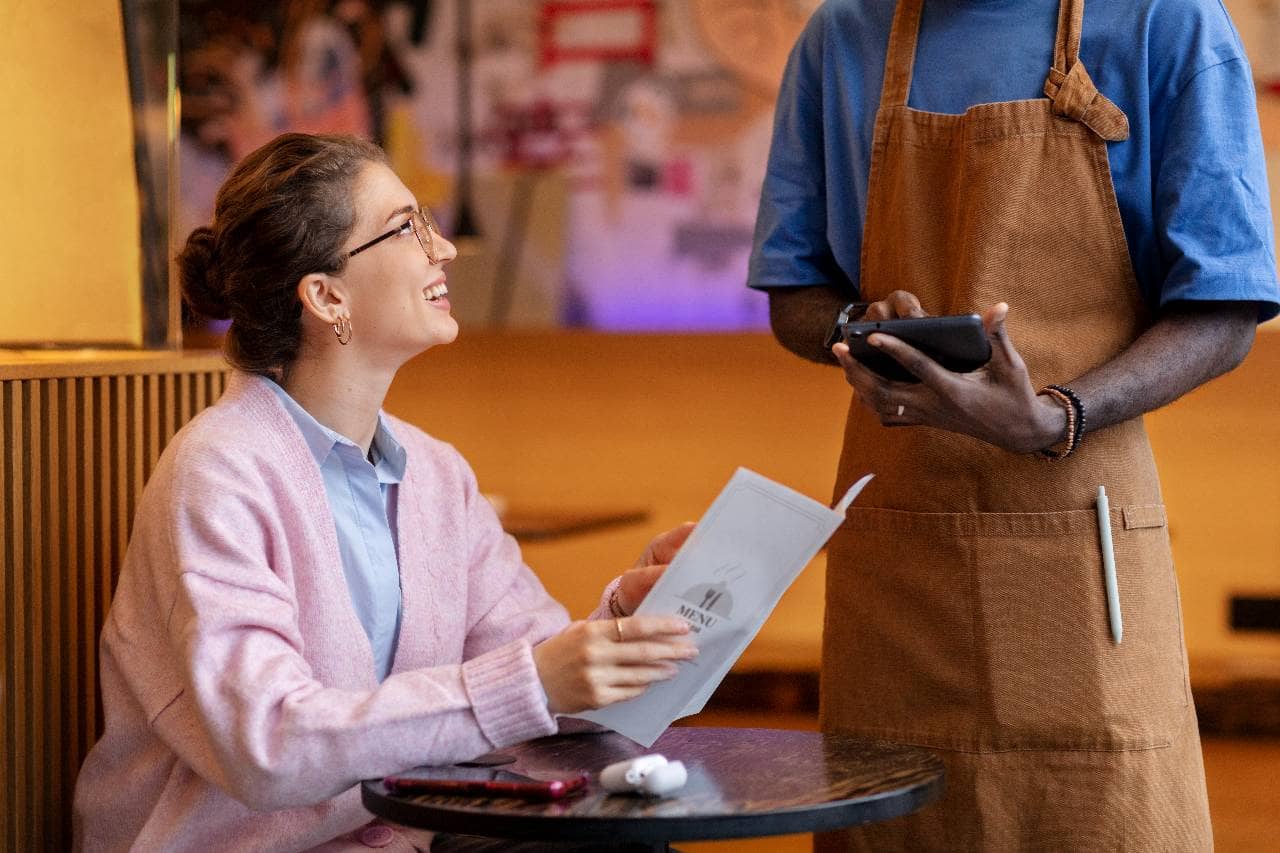
Discover practical promotion ideas - time-based deals, loyalty programs, local partnerships, and digital marketing - to boost restaurant foot traffic consistently.
Sep 14, 2026

Lucy Brady joins Jamba as president to lead digital-first growth strategy. GoTo Foods restructures leadership to strengthen franchise platform capabilities.
Sep 14, 2026

Contactless payment offers restaurants faster transactions, better security, and improved customer experience, making it a valuable, worthwhile technology investment today.
Sep 11, 2026

Pei Wei Asian Kitchen named Best Fast-Casual Chain in Reviewed 2026 Awards, reflecting shift from price competition to quality and transparency.
Sep 11, 2026

O'Charley's shuttered all corporate restaurants nationwide on September 9, 2026, ending its 55-year legacy as a casual-dining regional powerhouse.
Sep 11, 2026
Authentic Restaurant Brands lands $325M investment from Trimontium to fuel disciplined regional expansion across five established restaurant concepts.
Sep 11, 2026

Unlock Exclusive Access To Webinars, Events, And The Latest News For Free!
Explore how activist investors are reshaping the future of Red Robin Gourmet Burgers and the challenges faced by the casual-dining chain.

Two activist investors, JCP Investment Management, and Jumana Capital, have recently acquired a significant stake in Red Robin Gourmet Burgers. JCP Investment purchased 7.9% of Red Robin’s total shares, while Jumana Capital bought 3.7% of the casual-dining chain’s shares. This move has caused a noticeable increase in Red Robin’s stock price, indicating investor confidence in the company's potential.
Both JCP Investment Management and Jumana Capital have a track record of actively engaging with struggling companies to drive change and unlock value. Over the past decade, JCP Investment has played an activist role in companies like Jamba, Potbelly, and Fiesta Restaurant Group, demonstrating a history of strategic investments in the food industry. On the other hand, Jumana Capital is known for its investments in data, engineering, and technology companies, showcasing a diversified portfolio.
According to the SEC filing, both investment firms identified Red Robin as an undervalued asset with significant potential for growth. They believed that the shares were priced below their intrinsic value, presenting a lucrative investment opportunity. This strategic move aligns with the investors' objective of maximizing returns by participating in the revitalization of struggling companies.

In the face of challenges, Red Robin unveiled a comprehensive comeback plan during the January 2023 ICR conference. The 'North Star' plan aims to rejuvenate the brand by enhancing the guest experience, streamlining operations to reduce costs and complexity, and driving revenue and profitability. Despite encountering obstacles like a cautious consumer spending environment and inflationary pressures, the company remains optimistic about the success of its revival strategy.

The casual-dining sector has been navigating a difficult landscape, especially with changing consumer behaviors influenced by economic factors like inflation. Red Robin, like many other players in the industry, has felt the impact of these shifts, reflected in a substantial decline in its stock price over the past year. However, the company's resilience and commitment to initiatives like a revamped loyalty program indicate a proactive approach to addressing industry challenges.