How to Calculate Cost of Goods Sold for a Restaurant
Learn how to calculate restaurant cost of goods using inventory, purchases, COGS percentage, variance reviews, and regular tracking for profitability.
Accounting
Aug 31, 2026
Learn how to calculate restaurant cost of goods using inventory, purchases, COGS percentage, variance reviews, and regular tracking for profitability.
Aug 31, 2026
Understand how to evaluate a Kiosk system using key criteria including features, POS integration, hardware, pricing, customer experience, and support.
Aug 31, 2026

Explore restaurant technology trends in 2026, including AI, automation, digital ordering, workforce tools, connected kitchens, personalization, and profitability strategies today.
Aug 28, 2026
Learn the startup costs of opening an ice cream shop, including rent, equipment, renovations, permits, inventory, labor, marketing, and reserves.
Aug 28, 2026

A restaurant P&L statement reveals sales, expenses, and profits, helping owners manage costs, improve margins, and plan finances more effectively.
Aug 26, 2026
Learn practical ways to reduce labour costs through smarter scheduling, forecasting, productivity, cross-training, automation, overtime control, and performance monitoring strategies.
Aug 26, 2026
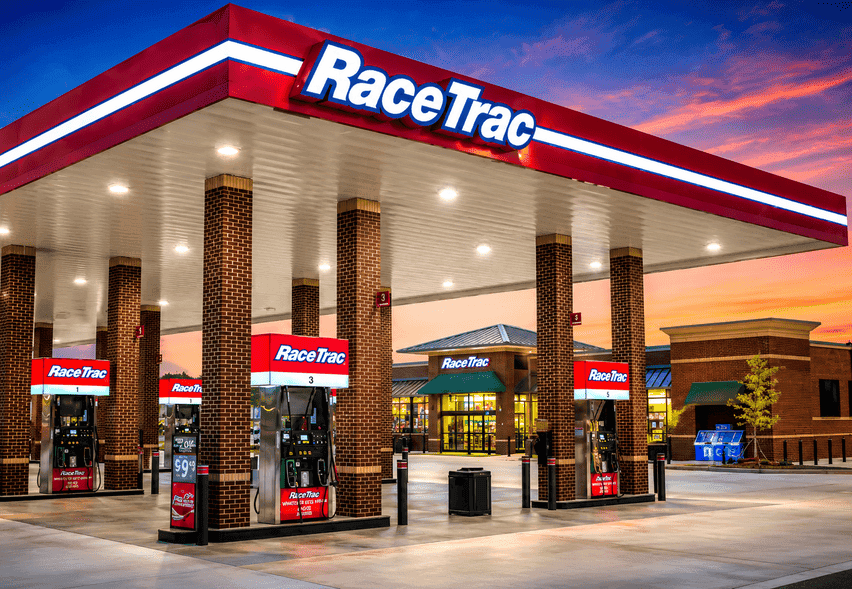
RaceTrac has appointed Jill Pemberton as chief financial officer, succeeding Karla Ahlert, who moves into the newly created role of chief administrative officer.
Aug 26, 2026
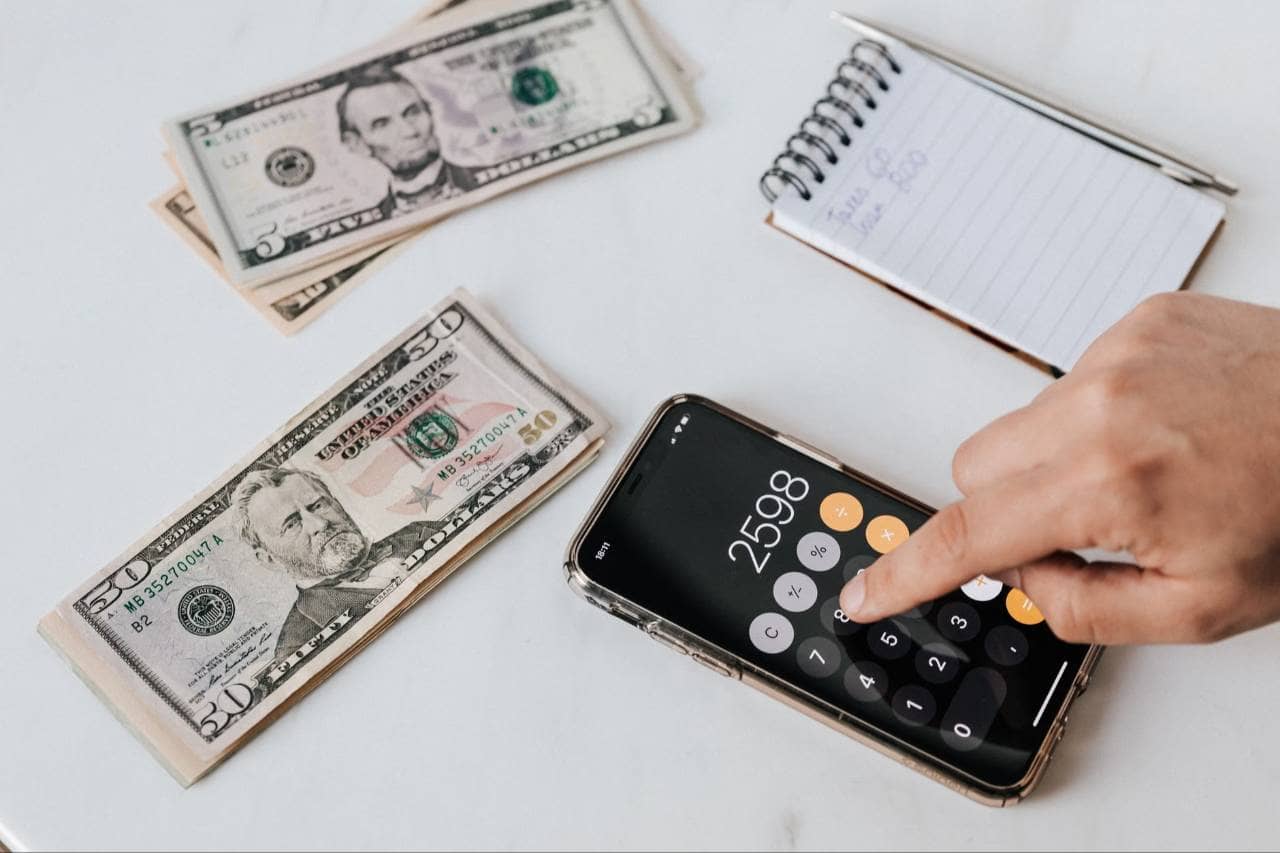
A payroll advance policy helps restaurant owners define eligibility, limits, repayment, documentation, approval procedures, and compliance requirements for employee advances.
Aug 24, 2026
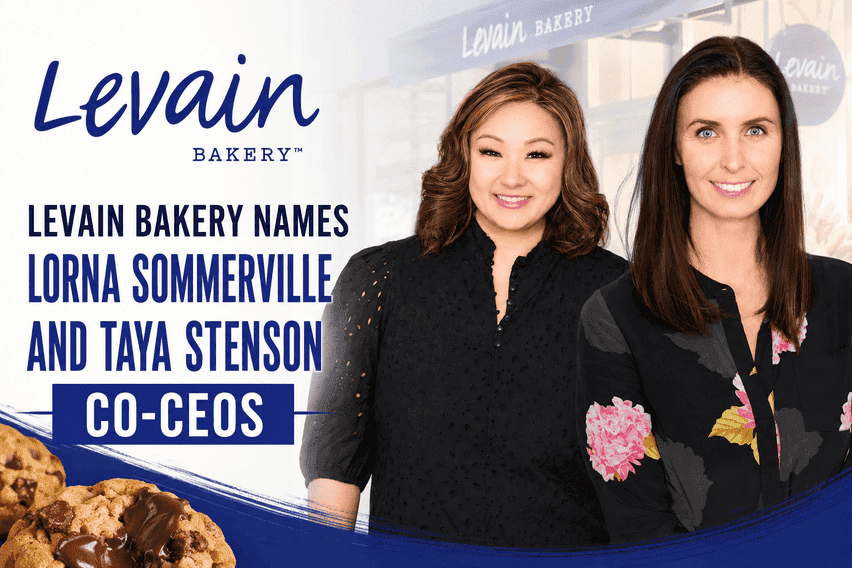
Levain Bakery appoints Lorna Sommerville and Taya Stenson as co-CEOs, blending operational and marketing expertise to power national expansion and innovation while staying rooted in its brand values.
Aug 25, 2026

Create a practical restaurant marketing plan by setting goals, targeting customers, choosing channels, budgeting wisely, scheduling campaigns, and measuring results.
Aug 24, 2026

Unlock Exclusive Access To Webinars, Events, And The Latest News For Free!
An in-depth look at how restaurant brands fared in the first half of 2025, exploring the factors contributing to success and challenges faced by industry leaders.

Photo by engin akyurt
Brinker's Chili’s emerged as a clear winner in the fast-food sector during the early months of 2025, marked by a significant sales leap driven by strategic investments in equipment and labor. The introduction of TurboChef ovens enhanced food quality, specifically showcased through the improved texture of new menu items such as ribs. This success highlighted the importance of continuous innovation and operational enhancements in navigating the challenging market landscape.
Value-oriented marketing and menu plays, as seen in Chili’s and McDonald’s approaches, proved vital in overcoming declines in sales. These brands strategically adjusted pricing and introduced new menu items to appeal to cost-conscious consumers. Taco Bell’s focus on Crispy Chicken offerings not only boosted sales but also outpaced competitors in the limited-service category, demonstrating the power of catering to evolving consumer preferences.

Photo by engin akyurt
Domino’s success story in recovering from a sales stumble highlighted the significance of innovation and value offerings. Collaborations with third-party aggregators and menu additions like stuffed crust pizza showcased Domino’s proactive approach towards growth. Such initiatives allowed the brand to capture market share and stay ahead in a competitive landscape.

Photo by engin akyurt
Sweetgreen and Chipotle faced setbacks in the first half of 2025, emphasizing the challenges posed by evolving consumer preferences and economic pressures. Sweetgreen’s ambitious menu innovations backfired, underscoring the importance of balancing experimentation with operational feasibility. Chipotle's struggle with pricing highlighted the complexities of maintaining value perception amidst economic uncertainties.

Photo by engin akyurt
The challenging market conditions necessitated swift action for brands like Jack in the Box and Del Taco. Initiatives like Jack’s Way, focusing on operational improvements and increased value marketing, showcased efforts to revitalize struggling chains. However, the importance of proactive value strategies, as opposed to reactive measures, became evident in distinguishing successful turnarounds.