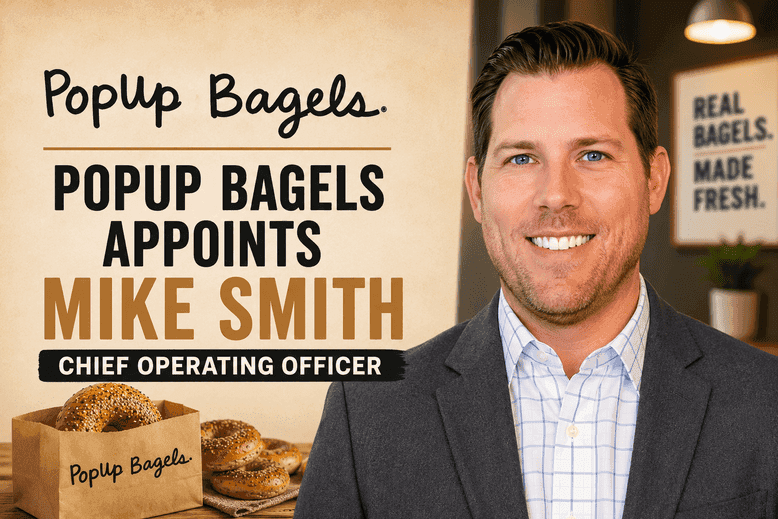
PopUp Bagels Names Mike Smith COO
PopUp Bagels welcomes industry veteran Mike Smith as Chief Operating Officer to lead their next phase of growth, putting quality and guest experience at the forefront.
news
Jul 28, 2026
PopUp Bagels welcomes industry veteran Mike Smith as Chief Operating Officer to lead their next phase of growth, putting quality and guest experience at the forefront.
Jul 28, 2026
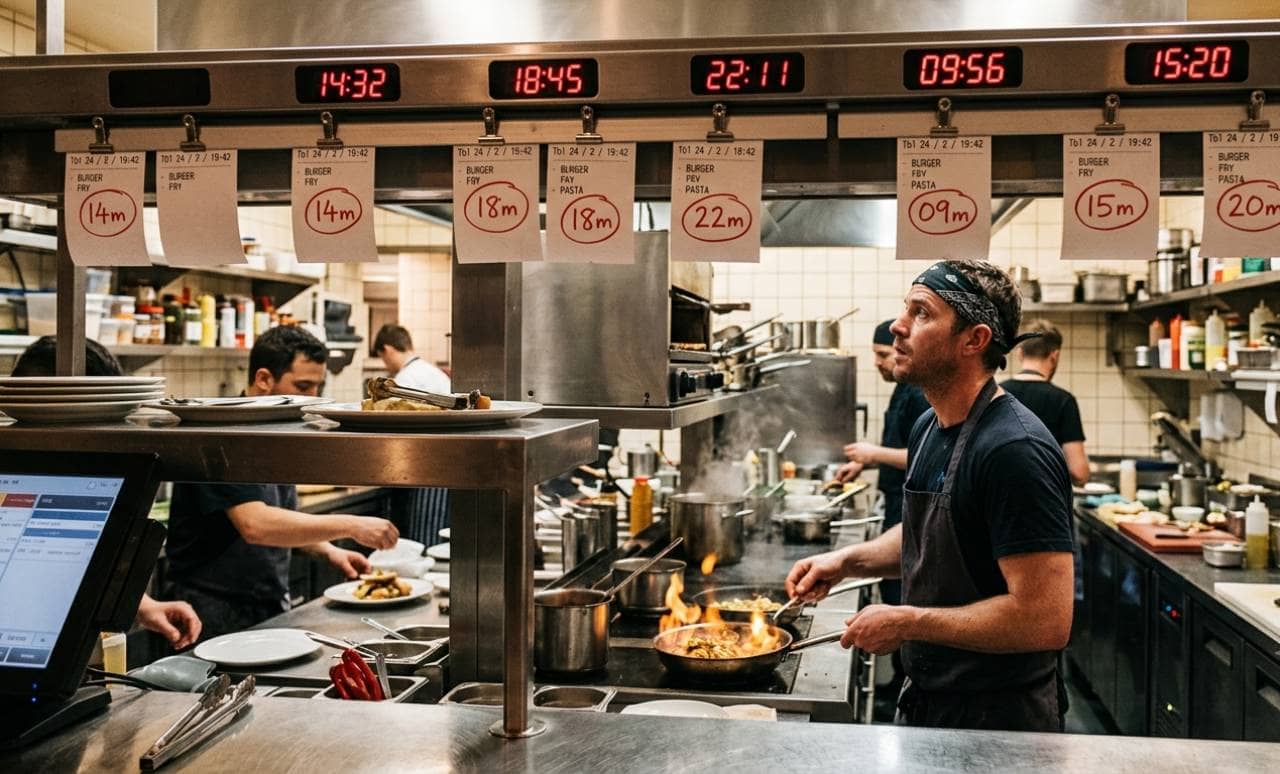
Improve kitchen ticket times with practical strategies for better preparation, smoother workflows, stronger communication, smarter staffing, and effective restaurant technology.
Jul 27, 2026
TGI Fridays emerges from Chapter 11 bankruptcy under new ownership, focused on growth and stability. Discover what's next for the iconic chain and its global operations.
Jul 28, 2026

Veteran restaurant executive David Deno assumes the helm at Cracker Barrel, signaling a pivotal moment for the brand’s revitalization. Learn what this means for operators, staff, and industry leaders.
Jul 27, 2026
Noodles & Company achieves historic sales growth and operational turnaround in 2026, sharing critical lessons for restaurant owners on boosting traffic, innovation, and team culture.
Jul 27, 2026

Learn how restaurant owners can manage payroll accurately, track labor costs, reduce errors, maintain compliance, and improve workforce profitability efficiently.
Jul 27, 2026
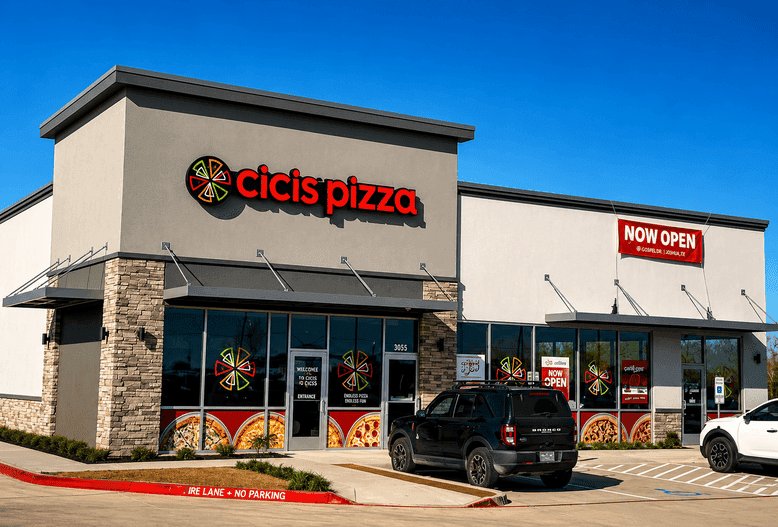
Cicis Pizza’s systemwide sales have surged over 50%, fueled by digital innovation, modern operations, and a revamped franchise strategy. Learn what restaurant owners can take away from Cicis’ transformation.
Jul 24, 2026
Stay compliant with key restaurant labor regulations in Summer 2026, including minimum wage increases, scheduling laws, and retirement requirements.
Jul 24, 2026

Fogo de Chão has announced Daniel Duran as its new CFO, marking a strategic leadership transition designed to enhance global growth and financial innovation for the renowned restaurant brand.
Jul 24, 2026

Learn how to calculate, benchmark, track, and improve restaurant payroll percentage while balancing staffing costs, sales, service, and profitability effectively.
Jul 24, 2026
Menu sprawl bloats costs and slows kitchens. Data-driven pruning and smarter POS analytics help restaurants protect margins.

Photo by Louis Hansel
Menu sprawl is eating profits. The average restaurant now carries around 50 to 60 items, according to KitchenSterling, even as independent operators see 25 to 40 total dishes as the sweet spot, experts at Intermenu report. Menu item counts have climbed 23 percent across the broader industry in recent years, and the operational bill keeps coming due.
Owners add dishes to chase attention and mollify regulars.
The stack grows with seasonal specials, limited-time offers, and new ideas layered onto existing lineups. Technomic’s first-quarter 2025 Ignite Menu data shows entrées and appetizers rose by 7.8 percent year over year as this cycle accelerated. What rarely arrives with the new items is a plan to retire the duds, so menus swell quietly and kitchens inherit the burden.
Complexity shows up in predictable places. Each additional plate brings ingredients that need to be sourced and stored, prep steps that need to be taught, and space that needs to be protected on the line during a rush. Carrying ingredients used in only one or two dishes eats scarce storage, inflates purchasing costs, and raises waste risk when demand shifts.
Overstuffed storerooms turn inventory control into a guessing game. Service slows, new hires face steeper learning curves, and bottlenecks stack up at peak hours. The financial signal is blunt. According to Simon-Kucher’s QSR 2025 Menu Benchmarking study, complexity, not competition, may pose the single greatest threat to profitability for leading hamburger chains, with a median of 58 SKUs per brand diluting average ticket size and overburdening kitchens.
Operators who have lived it are direct about the toll. Southern Luv BBQ founder Essi Tadrus puts it plainly: “We did fried chicken. We did Philly steaks. We did salads. We did chicken wings. We did everything under the sun.” The result was predictable. “The problem is you cannot be great when you’re holding that much inventory, you have that many SKUs, and you have that many recipes.” Even popular one-offs can wreck flow. “We wanted to do tater tots really bad,” Tadrus explains, but orders crept during rushes and bogged down the line.
When the team pulled them, the blowback was swift. “People were like, ‘The tater tots were so good. Why would you take them off?’” The change held because the broader guest experience depended on it. The stakes are real across the market too. 91 percent of U.S. restaurant operators reported food-cost inflation higher than anticipated in 2025, and many establishments operate on a 3 to 8 percent profit margin, leaving little room for waste or indecision.

There is a cleaner way to build a menu. Data-driven engineering paired with modern POS reporting can separate workhorses from dead weight. Industry guidance points to five to seven items per category to curb decision fatigue and keep the kitchen moving, a shift that steers clear of outdated 100-item menus that slowed brands like the Cheesecake Factory. Intermenu notes most independents now land between 25 and 40 total items.
Real-time analytics make the cut list obvious. According to Toast’s Q1 2026 Restaurant Trends Report, its platform now serves approximately 171,000 locations and aggregates performance data that operators can leverage for precise menu adjustments. Running monthly reports on sales volume, food cost, and profit margin turns menu maintenance into a disciplined practice instead of a guessing game.
There is no universal number that fits every concept. Regional tastes, positioning, and kitchen layout set different ceilings for complexity. Chains and independents alike may see a high-margin specialty flop in one market and soar in another. Many studies focus on sales volume while missing hidden costs tied to waste, training hours, or supply hiccups. The fix is to read the data through the lens of your operation, and to weigh it against what crews and guests experience daily.
The operators who win will trim with intent. Protect a core built around proven stars. Use seasonal specials, limited-time offers, and test items to explore without locking in new burdens. Run ingredient audits that flag products used in fewer than three dishes, then decide if they earn their keep. Combine analytics with frontline feedback, tighten the lineup, and let the kitchen cook. The profits will follow the focus.