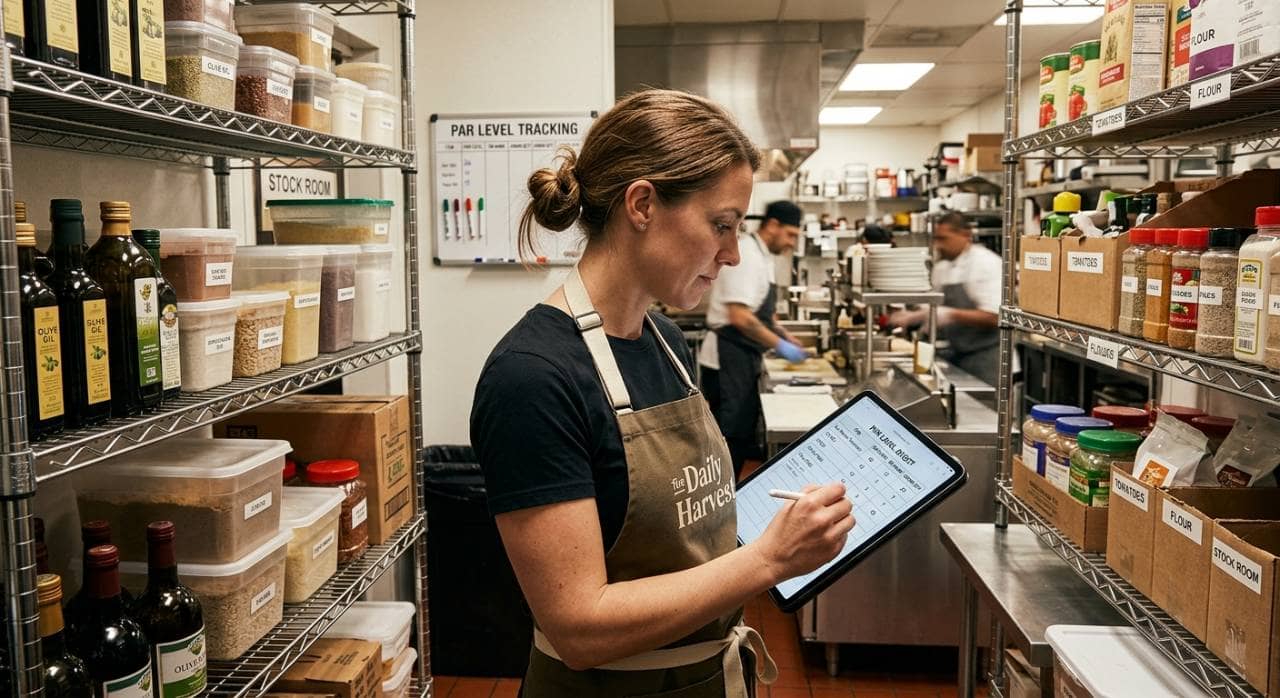
How to Set Par Levels for Restaurant Inventory
Learn to calculate par levels for restaurant food, beverages, and packaging inventory, preventing stockouts and waste through proper formulas.
Back Office
Sep 4, 2026
Learn to calculate par levels for restaurant food, beverages, and packaging inventory, preventing stockouts and waste through proper formulas.
Sep 4, 2026
Caribou Coffee appoints Zane Thomas-Rogers as Chief Operations Officer to strengthen execution across its expanding coffeehouse network.
Sep 4, 2026

Compare the top 10 restaurant POS systems in the USA for 2026. Explore features, pricing, pros, cons, and the best POS options for every restaurant type.
Jul 1, 2026

Learn how to handle restaurant payroll yourself, from calculating hours and wages to managing tips, taxes, and final paychecks.
Sep 2, 2026
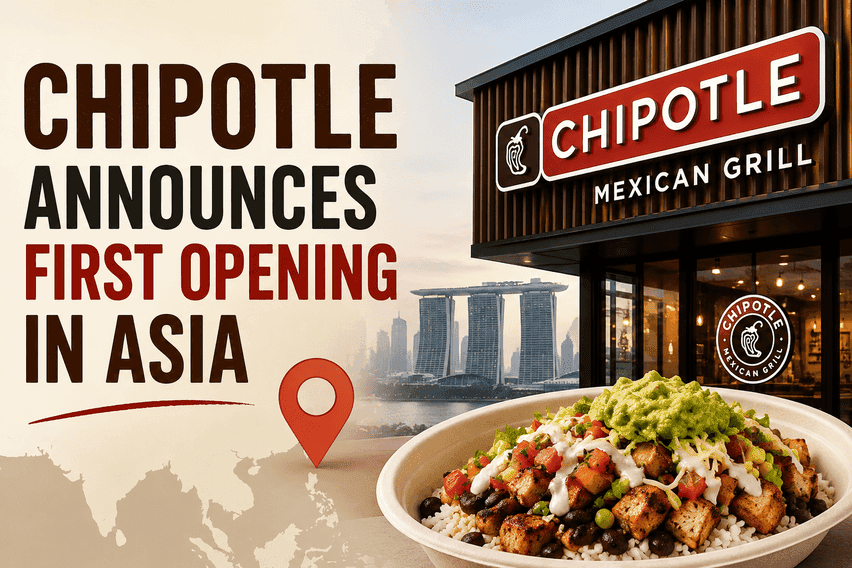
Chipotle makes its highly anticipated entry into Asia with a Seoul opening, partnering with Sangmidang Holdings and setting a template for future international growth.
Sep 2, 2026
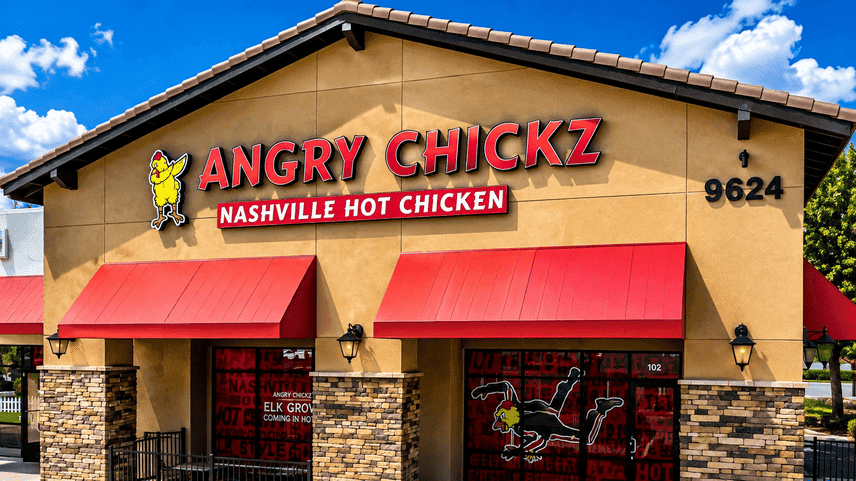
Angry Chickz enters Illinois with its signature hot chicken concept and ambitious plans for Midwest expansion, setting the stage for new franchise opportunities and community engagement.
Sep 2, 2026
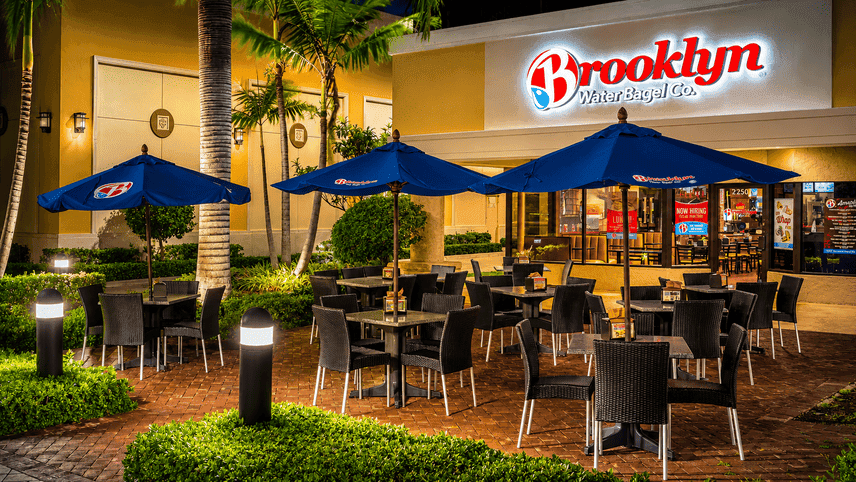
Brooklyn Water Bagel launches its first campus eatery at Nova Southeastern, signaling strategic growth and fresh potential for multi-unit operators seeking new market wins.
Sep 2, 2026
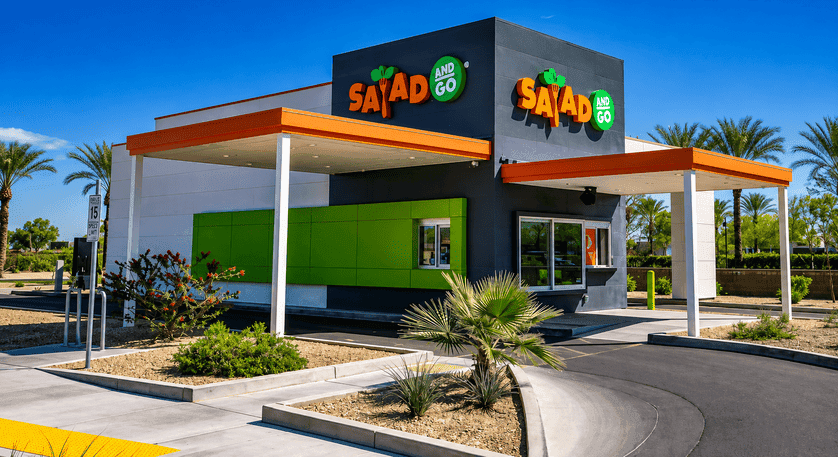
7 Brew has acquired 73 former Salad and Go locations, surpassing Dutch Bros with a $143M bid, signaling a major shift in the competitive landscape for drive-thru brands.
Sep 2, 2026
Restaurant labor management helps owners optimize staffing, control labor costs, improve productivity, monitor overtime, and maintain efficient restaurant operations.
Sep 2, 2026

Explore restaurant technology trends in 2026, including AI, automation, digital ordering, workforce tools, connected kitchens, personalization, and profitability strategies today.
Aug 28, 2026

Unlock Exclusive Access To Webinars, Events, And The Latest News For Free!
CAVA posts 32% Q1 revenue growth, 9.7% comps, 25.1% margins, and 459 units as its Mediterranean strategy drives traffic and a stronger 2026 outlook.

Photo by Roberto Catarinicchia
CAVA Group opened fiscal 2026 at full stride. Revenue reached $438.3 million, up 32.2 percent year over year, with same-store sales rising 9.7 percent on a 6.8 percent lift in guest traffic for the quarter ended April 19, 2026. Restaurant-level margins expanded to 25.1 percent as the chain scaled to 459 locations, supported by 20 net unit openings and average unit volumes now exceeding $3.0 million compared with roughly $2.9 million a year earlier.
CEO Brett Schulman said the performance validates a strategy built on a differentiated Mediterranean cuisine category and long-run traffic gains rather than short-term promotions. The quarter ranked among the brand’s strongest results in the industry, per Business Wire.
The company’s push began long before the current wave of global flavors.
Childhood friends Ted Xenohristos and Dimitri Moshovitis opened their first full-service restaurant in 2006, then introduced a fast-casual version in 2011. That origin story now fuels a larger ambition. “We truly believe we are building the next large-scale cultural cuisine category that’s fueled by some pretty significant secular trends,” Schulman said, pointing to a broader appetite for health and wellness and a more diverse American palate. The National Restaurant Association’s 2026 Culinary Forecast echoes the moment, calling out global comfort foods and flavor escapism as defining consumer desires this year, a backdrop that flatters Mediterranean’s appeal.

Value has been engineered into the offer without sacrificing profitability. CFO Tricia Tolivar said CAVA absorbed inflationary pressures to keep price increases below industry averages, a stance that helped drive restaurant-level margins past 25 percent. A base bowl starts at roughly $10.65 in key markets and includes unlimited toppings, a proposition that stacks up well against traditional fast-casual peers.
Digital menus now spotlight entry-level bowls alongside robust customization, while premium add-ons remain popular. According to QSR Magazine, adjusted EBITDA climbed 37.6 percent to $61.7 million, and traffic gains were broad based across income cohorts, including lower-income consumers. New units are opening above 100 percent productivity in both greenfield and established markets, a sign that the growth engine is translating across geographies.
Momentum has also been wired into the operator bench. The Flavor Your Future initiative upgrades the general manager-in-training path with higher compensation and wider responsibilities and adds an assistant general manager role to bolster day-to-day leadership. “We have also a high-potential training program coming out this fall,” Schulman said, underscoring plans to develop future operators who can protect hospitality standards at scale.
Digital sales now account for nearly 40 percent of revenue, yet the company continues to invest in in-restaurant experience. Following the strong quarter, CAVA raised its full-year 2026 outlook. “Amid today’s broader macroeconomic environment and geopolitical uncertainty, our first quarter results reflect our position as a clear industry leader,” Schulman said.

Since going public in September 2023, average unit volumes have climbed from roughly $2.3 million to over $3 million, supported by new resources for supply chain centralization and a measured buildout. In May 2026, the company raised fiscal 2026 guidance after reporting net income of $23.6 million, compared with $25.7 million a year earlier, with the variance tied to a higher tax rate and depreciation expenses.
Analysts now forecast 1,000 restaurants by 2032, with potential to extend to 2,000 units over the following decade. Competitors have taken notice. Operators such as Subway and Burger King have introduced Mediterranean bowls and flatbread sandwiches to meet flavor-seeking guests, part of a broader menu shift as the National Restaurant Association projects foodservice sales will reach $1.55 trillion in 2026, helped by demand for healthful, globally inspired dishes.
The runway is not without turbulence. Management identifies execution as the primary risk, not competition or the economy. Any slip in hospitality delivery or leadership development could blunt traffic gains. Valuation magnifies that pressure, with shares trading near 52x forward EV/EBITDA and little room for missteps. Zacks Equity Research notes consensus earnings-per-share growth for 2027 is forecast at 30.2 percent, yet market pricing has already baked in robust results. Expansion targets could be tested if unit economics normalize, a reminder that discipline must keep pace with ambition.
For now, the playbook remains clear and specific: category creation over coupons, price discipline tethered to quality, people and technology tuned for throughput and hospitality. With 459 restaurants and digital sales near 40 percent, the next markers to watch are sustained traffic growth, the fall rollout of the high-potential training program, and the continued productivity of new stores that open above 100 percent. If those hold, the path to 1,000 units by 2032 looks less like a projection and more like a construction schedule.