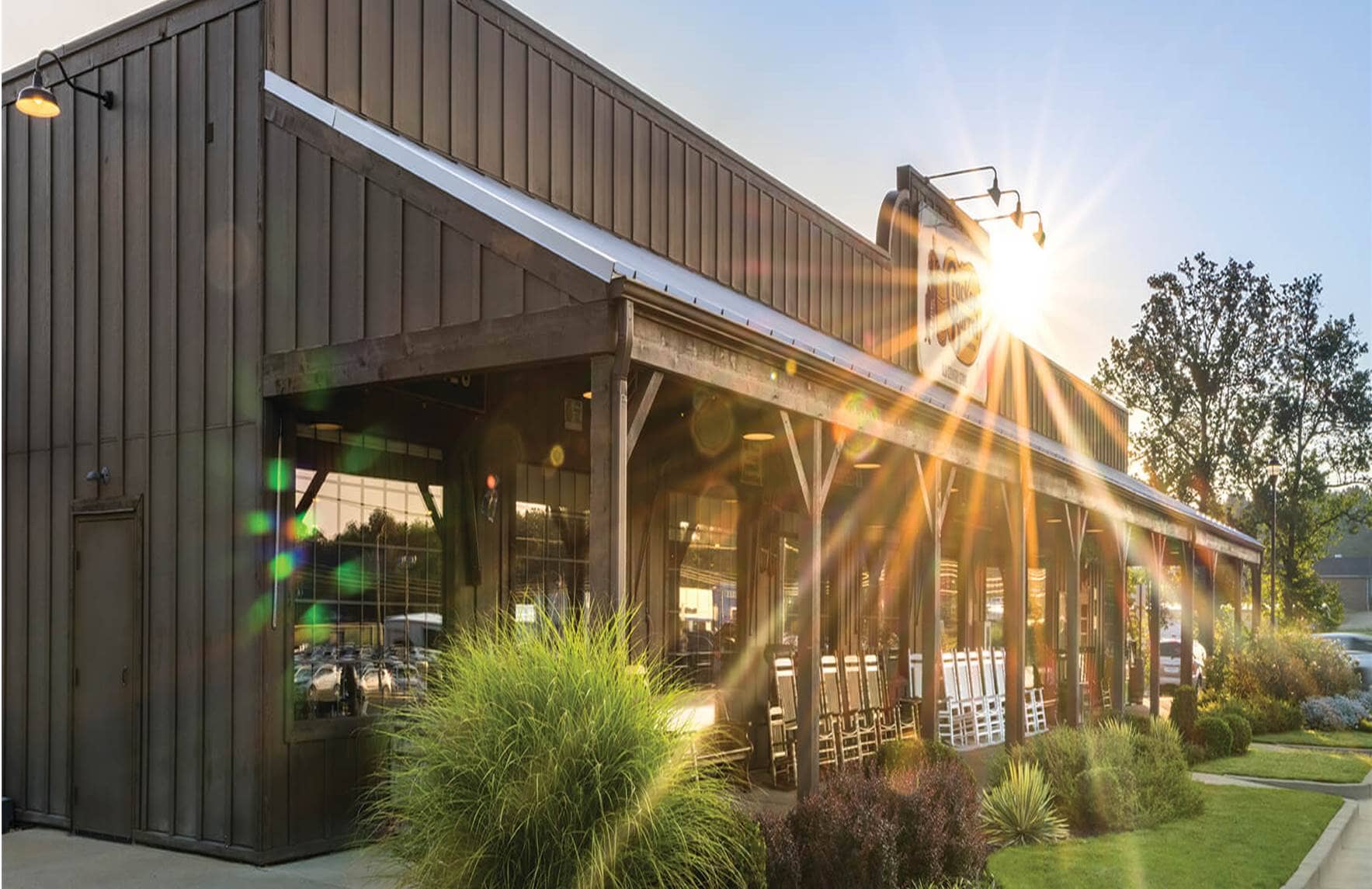
Cracker Barrel Rebounds After Logo Backlash, Refines Plan
After a logo backlash, Cracker Barrel resets with asset sales and a sharper focus, lifts 2026 guidance, and sees shares up 110% as comps stabilize.
news
Jul 22, 2026
After a logo backlash, Cracker Barrel resets with asset sales and a sharper focus, lifts 2026 guidance, and sees shares up 110% as comps stabilize.
Jul 22, 2026

QSRs chase digital, but outdated in-store design kills loyalty. Data shows remodels lift sales and retention—make four walls match the brand promise.
Jul 22, 2026

Federal judge dismisses Starbucks securities suit, finding no intent to deceive, as same-store sales rebound and legal overhang eases.
Jul 22, 2026

Cinnabon grows 30% in U.S. units, adding 308 net stores as flexible formats expand into travel centers and convenience; 95 more openings forecast and 359 in pipeline.
Jul 22, 2026

QDOBA targets 2,000 restaurants in 10 years, powered by franchising and recent securitizations, aiming for $5B sales, $2.7M AUV, and 28% margins.
Jul 22, 2026
Restaurants face June job losses and slimmer summer hiring as operators boost pay, training, and benefits to retain staff amid talent shortages.
Jul 22, 2026
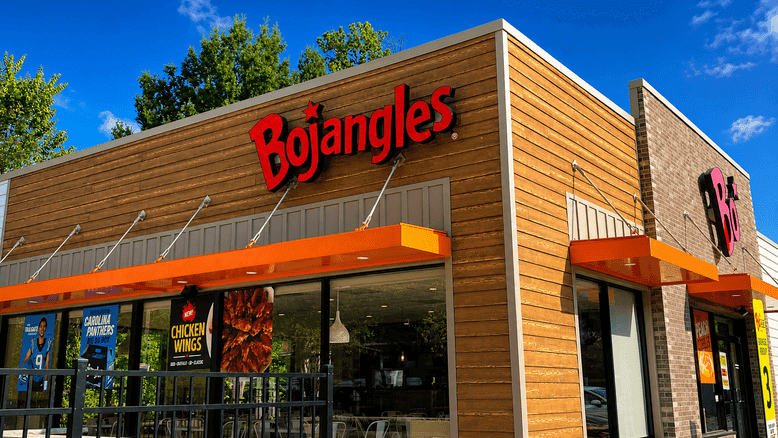
Bojangles is celebrating robust growth as it approaches its 900th restaurant, driven by strategic expansion into new U.S. markets and a renewed focus on franchise partnerships.
Jul 22, 2026

Yum! Brands has promoted Nai De Leon to Chief People & Culture Officer, bringing two decades of transformation expertise to guide the company’s global people strategy.
Jul 21, 2026
Learn when to sell franchise locations by evaluating financial performance, operations, market conditions, lease terms, and long-term business goals carefully.
Jul 20, 2026

Understand how to calculate labor cost percentage using payroll and sales data while improving scheduling, efficiency, budgeting, and restaurant profitability.
Jul 20, 2026
QSRs chase digital, but outdated in-store design kills loyalty. Data shows remodels lift sales and retention—make four walls match the brand promise.
Photo by Marcel Heil
Dine-in was supposed to be the bright spot as delivery fees climbed. It is not. Subway and TGI Fridays are shrinking, and leadership circles keep repeating that returning guests are the lifeblood of the business. PAR Technology’s 2026 QSR Operational Index Report says brands are chasing loyalty programs and digital channels, yet too many stores still feel like gray boxes under fluorescent light. When the hospitality promised in ads meets that room, people stop coming back.
Household budgets are squeezed, and delivery fees have likely hit a ceiling, which should tilt value seekers toward quick service. QSR Pro shows average unit volumes for leading chains rose 6.2 percent in 2025, driven by menu price hikes of 4.1 percent, while real disposable income growth hovered at just 1.2 percent, capping traffic expansion. Rather than benefiting, Subway lost 729 net U.S. locations in 2025 as closures outpaced openings, pushing its footprint below 19,000 units. TGI Fridays abruptly closed 36 restaurants across the U.S. this spring as part of a “transformation” strategy and entered administration in the U.K., shedding 16 locations and 456 jobs. Price and apps explain only part of the story. The rest plays out inside the four walls.

Too many remodels are treated as procurement exercises, not brand strategy. The common “reskinning” approach swaps colors, art, and a mural, then calls it a refresh, which is like repainting a house while the foundation wobbles. QSR Magazine reports Burger King has invested over $450 million since 2022 in franchisee remodel credits tied to its Sizzle design.
Full outperformance in same-store sales depended on more than new countertops, and hinged on refreshing guest experience at every touchpoint. Saisystems Technology benchmarks show year-one sales lift from remodels swings widely by brand, with typical capital outlays of $500,000 to $1.8 million per location and payback often achieved within roughly 12 months. When changes are purely cosmetic, guests sense the disconnect.

Some operators are rewriting the brief. Sizzler’s recent remodel began with a simple provocation, “What kind of restaurant is Sizzler, really?” The team leaned into its roots as a family steakhouse, warm, confident, indulgent yet accessible, then mapped the guest journey from parking lot to plate. Signage for Ribby, the mascot, sits at child eye level to lead kids to the salad bar and ice cream station, creating a sense of agency that brings families back. Sizzler’s chief growth officer reports that remodels have become the single largest driver of both new and returning guests, with no reliance on logo tweaks or 2D rebranding alone.
The financial stakes favor this kind of whole-journey thinking. Bain & Company research cited in Harvard Business Review shows that a 5 percent improvement in customer retention can lift profits by 25 to 95 percent, because repeat business is far less expensive than acquisition.
The National Restaurant Association estimates that repeat customers account for about 71 percent of quick-service restaurant sales, a reminder that behavioral loyalty stabilizes revenue. Saisystems data indicate that when upgrades deliver sensory cohesion, from lighting and materials to layout and signage, year-one sales lifts across brands like McDonald’s, Taco Bell, Wendy’s and Burger King routinely exceed remodeling costs in under a year.

Digital investment is surging in parallel. Qu’s 2026 State of Digital report finds that nearly three-quarters of U.S. restaurant brands plan to adopt AI solutions by year-end, yet only 5 percent report measurable operational value or meaningful guest-experience impact so far. Throughput improvements have real utility, and Chick-fil-A’s four-lane drive-thrus can process roughly 600 orders per hour in peak periods. Speed alone does not build the emotional connection that makes a guest choose dining in over delivery, or decide to return next week.
There is still a data blind spot. Few chains publish rigorous studies that tie specific design elements to retention. Many lean on anecdote or third-party summaries, and the 71 percent repeat-revenue figure traces back to a 2013 forecast by the National Restaurant Association, with limited public updates since. AI adoption tallies track deployment, not the relationship between digital tools and physical context. Closing that gap calls for stronger measurement, pairing point-of-sale analytics with guest-sentiment tracking before and after remodels, so operators can prove which cues move the needle.
The brands that win the next decade will treat their four walls as living extensions of promise. A simple test helps: hold your latest campaign storyboard up against a candid walk through a newly opened store and listen for where the two do not match. When lighting, furniture, materials, and flow affirm the warmth and belonging you market, repeat visits follow. With budgets tight, upgrading host environments becomes an efficiency play rather than a cost center. Shift capital debates from surface novelty to repeat-visit lift, and let the hospitality in the room finally match the message on the screen.