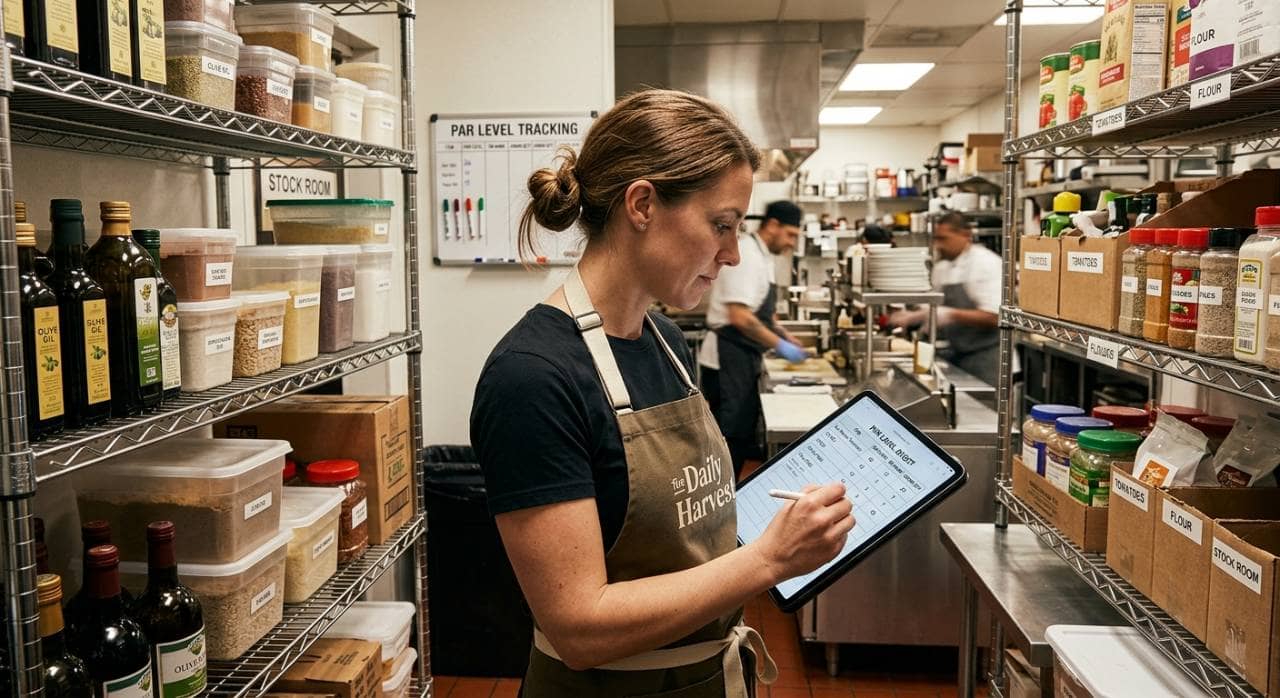
How to Set Par Levels for Restaurant Inventory
Learn to calculate par levels for restaurant food, beverages, and packaging inventory, preventing stockouts and waste through proper formulas.
Back Office
Sep 4, 2026
Learn to calculate par levels for restaurant food, beverages, and packaging inventory, preventing stockouts and waste through proper formulas.
Sep 4, 2026
Caribou Coffee appoints Zane Thomas-Rogers as Chief Operations Officer to strengthen execution across its expanding coffeehouse network.
Sep 4, 2026

Compare the top 10 restaurant POS systems in the USA for 2026. Explore features, pricing, pros, cons, and the best POS options for every restaurant type.
Jul 1, 2026

Learn how to handle restaurant payroll yourself, from calculating hours and wages to managing tips, taxes, and final paychecks.
Sep 2, 2026
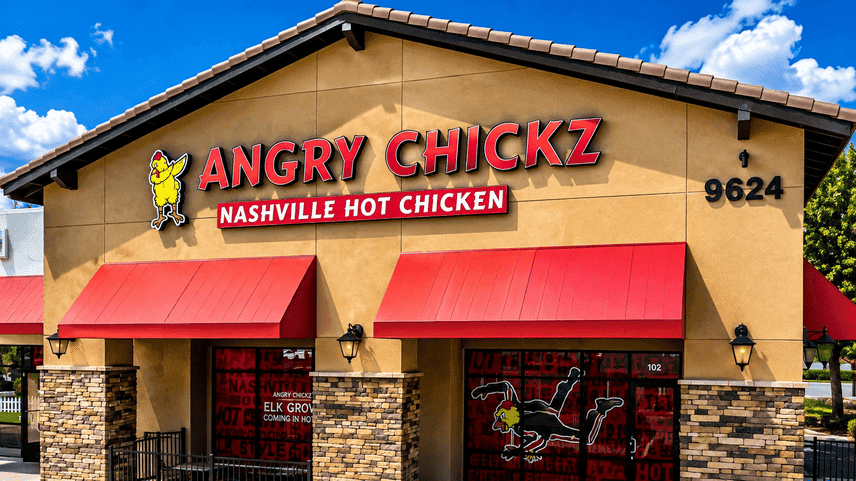
Angry Chickz enters Illinois with its signature hot chicken concept and ambitious plans for Midwest expansion, setting the stage for new franchise opportunities and community engagement.
Sep 2, 2026
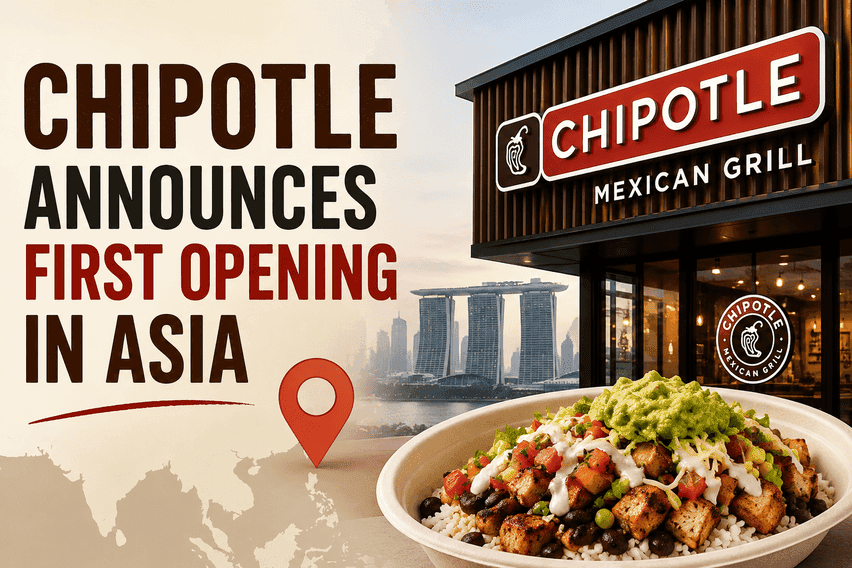
Chipotle makes its highly anticipated entry into Asia with a Seoul opening, partnering with Sangmidang Holdings and setting a template for future international growth.
Sep 2, 2026
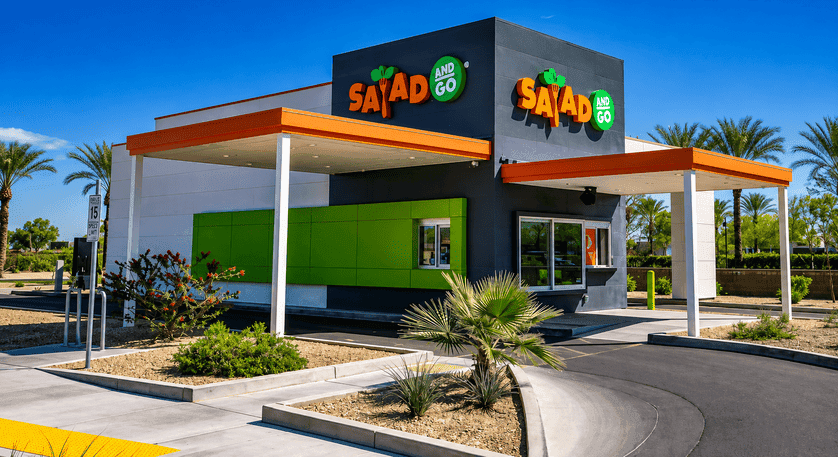
7 Brew has acquired 73 former Salad and Go locations, surpassing Dutch Bros with a $143M bid, signaling a major shift in the competitive landscape for drive-thru brands.
Sep 2, 2026
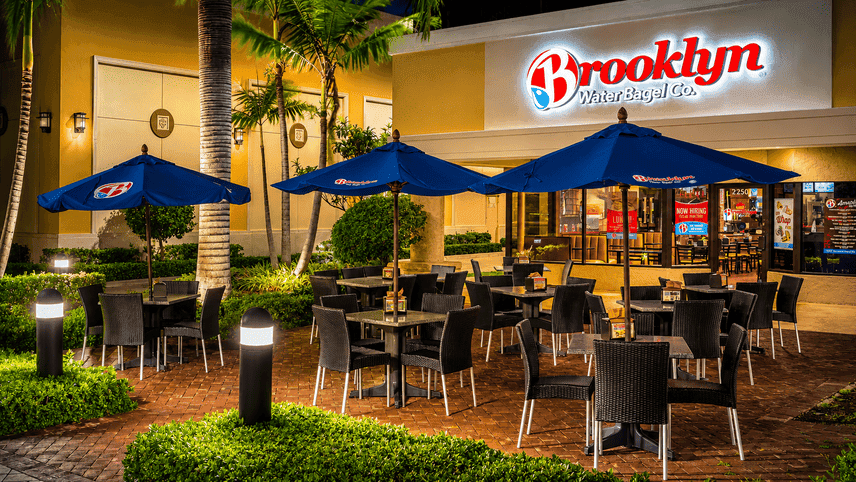
Brooklyn Water Bagel launches its first campus eatery at Nova Southeastern, signaling strategic growth and fresh potential for multi-unit operators seeking new market wins.
Sep 2, 2026

Restaurant labor management helps owners optimize staffing, control labor costs, improve productivity, monitor overtime, and maintain efficient restaurant operations.
Sep 2, 2026

Explore restaurant technology trends in 2026, including AI, automation, digital ordering, workforce tools, connected kitchens, personalization, and profitability strategies today.
Aug 28, 2026

Unlock Exclusive Access To Webinars, Events, And The Latest News For Free!
Darden completes a $605 million all-cash acquisition of Chuy’s, amid shareholder questions on valuation and process; deal closes with governance considerations in play.

Photo by Hybrid Storytellers
Darden and Chuy’s stood in the ring and shook hands on an all-cash consolidation. The deal, valued at about $605 million, landed at $37.50 a share and closed on October 10, 2024. It folds Chuy’s into a portfolio that already includes Olive Garden and LongHorn Steakhouse, a clear bet on scale as the engine of growth. The closing marks the end of a high-profile process that drew investor questions about valuation and process, but the ultimate move is simple: bigger scale, clearer leverage, clearer path to execution.
What to know at a glance, 101 restaurants across 15 states anchor the deal’s strategic rationale. The all-cash structure, backed by new debt, accelerates integration into Darden’s platform. The stockholders’ vote culminated in October 2024, clearing the way for a wider portfolio strategy and the synergies investors expect from a larger, diversified footprint. The closing didn’t erase questions about price or process, but it did deliver a concrete, post-close pathway for Chuy’s within Darden’s scale-driven model.

Valuation context framed the governance discussion. The offer valued Chuy’s at roughly $605 million, with stockholders receiving $37.50 per share. The deal was disclosed as all-cash, financed through new debt issued in October 2024. Chuy’s reported a footprint of 101 restaurants in 15 states as of July 2024, a growth profile Darden believed would translate into stronger operating leverage within a larger platform. The implied multiple on trailing EBITDA ran around 10.3x through March 31, 2024, a figure presented in the filings and echoed in coverage as a premium tied to growth and cross-brand potential.
Market context showed a premium versus some comparable deals. Public analyses highlighted that a 10.3x implied multiple sits above later-stage transactions and aligns with Darden’s track record of pricing bolt-ons that carry growth potential. In benchmarks cited by observers, Ruth’s Chris, acquired by Darden in 2023 for about $715 million at a 9.4x trailing EBITDA multiple, illustrates how Darden has historically priced strategic adjacencies. The Chuy’s deal hinges on Tex-Mex expansion and the ability to plumb cross-brand synergies across a larger ecosystem.
Shareholder pushback preceded the October vote. Chuy’s faced 13 demand letters and two complaints alleging undervaluation and concerns about the process. The company responded with a revised proxy that detailed how the $37.50 per-share price was derived and how it compared with peers. The supplemental disclosures clarified the methods behind Piper Sandler’s valuation but did not alter the merger consideration or the timing of the special meeting. The board continued to recommend voting in favor, signaling confidence in governance and the underlying strategic fit.
What changed, what didn’t, the disclosures aimed to reassure skeptical investors and clarify assumptions behind the valuation, but they did not reset the deal’s economics or the scheduled vote. The October 10 special meeting proceeded under the previously disclosed timetable, with the board’s recommendation remaining intact. In this sense, governance transparency became the bridge between a premium price and investor confidence, rather than a renegotiation of the price.

Financing was the practical backbone of the deal. Darden funded the all-cash closing through a combination of new debt instruments issued in October 2024, including a $400 million note offering at 4.350% due 2027 and a $350 million note offering at 4.550% due 2029. The October 10, 2024 closing moved Chuy’s into a broader corporate structure designed to optimize scale, brand diversification, and operating leverage across a larger footprint. Market reaction centered on expected synergies and long-term value creation as the platform grew more coherent.
Post-close focus shifts to integration milestones and how Chuy’s brand economics blend with Darden’s operating playbook. Investors watched for procurement gains, marketing synergies, and the potential to improve unit economics at scale. The tone in the market was cautious but constructive, with the understanding that the real test lies in execution, how quickly the Tex-Mex footprint is woven into a diversified, leverage-enabled platform.
Industry context places the Chuy’s deal in a broader M&A pattern: scale, diversification, and brand equity can justify premium valuations when paired with credible growth forecasts. The footprint expansion into Tex-Mex and cross-brand synergies are often cited as drivers of the premium. Benchmarking against Ruth’s Chris, acquired by Darden in 2023 for roughly $715 million at a 9.4x trailing EBITDA multiple, offers a reference point for the premium embedded in Chuy’s growth story. Comparables like RA Sushi and Benihana via One Hospitality Group tend to show lower multiples, reinforcing the rationale for Darden’s willingness to pay.
Governance implications linger after the closing. Gaps, uncertainties, and questions about valuation methods, process fairness, and fiduciary duties persist in high-profile restaurant deals. The shareholder challenges and the risk of litigation underscore the need for robust, transparent disclosures and independent review in large transactions. The Chuy’s case could shape how future transactions are structured and communicated, particularly in fast-growing casual-dining segments. The takeaway is blunt: governance matters as much as growth, and investors will demand clarity without stalling momentum.
Conclusion: industry and governance The Darden–Chuy’s move signals a broader trend of strategic consolidation. For Chuy’s, the closure marks a transition into a larger platform with governance and disclosure practices under the microscope. For Darden, it signals ongoing appetite for selective expansion and portfolio optimization, using scale to unlock synergies across a diversified lineup. As the market absorbs the implications, post-close performance and integration milestones will reveal how credible the governance framework is in sustaining growth without stalling momentum.