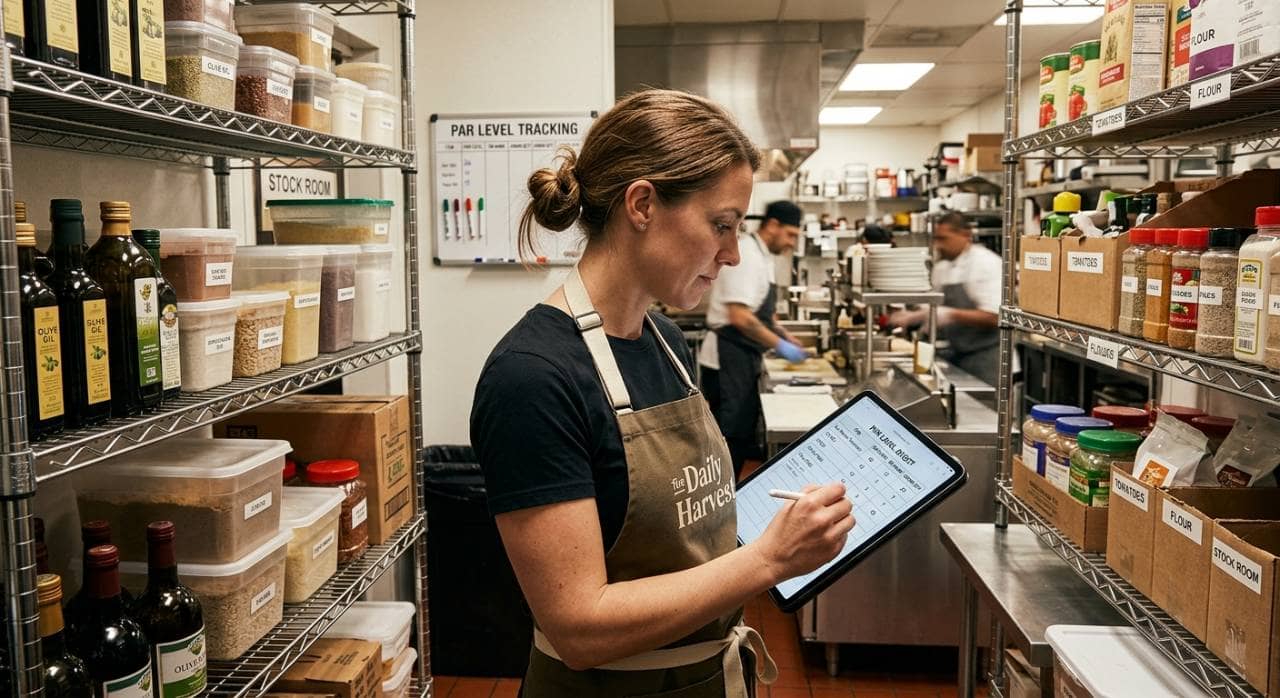
How to Set Par Levels for Restaurant Inventory
Learn to calculate par levels for restaurant food, beverages, and packaging inventory, preventing stockouts and waste through proper formulas.
Back Office
Sep 4, 2026
Learn to calculate par levels for restaurant food, beverages, and packaging inventory, preventing stockouts and waste through proper formulas.
Sep 4, 2026
Caribou Coffee appoints Zane Thomas-Rogers as Chief Operations Officer to strengthen execution across its expanding coffeehouse network.
Sep 4, 2026

Compare the top 10 restaurant POS systems in the USA for 2026. Explore features, pricing, pros, cons, and the best POS options for every restaurant type.
Jul 1, 2026

Learn how to handle restaurant payroll yourself, from calculating hours and wages to managing tips, taxes, and final paychecks.
Sep 2, 2026
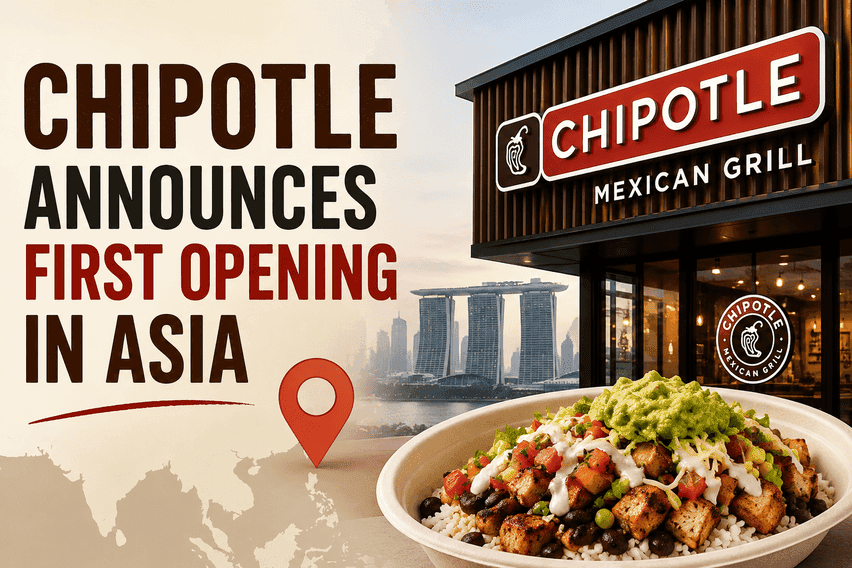
Chipotle makes its highly anticipated entry into Asia with a Seoul opening, partnering with Sangmidang Holdings and setting a template for future international growth.
Sep 2, 2026
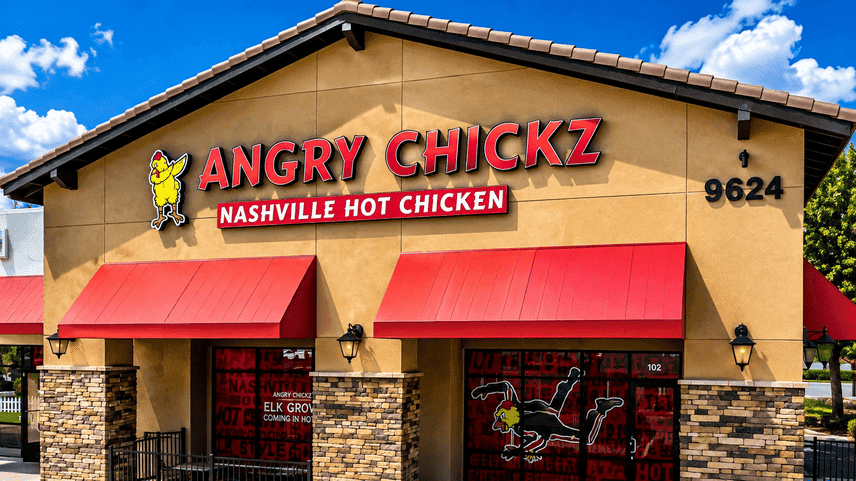
Angry Chickz enters Illinois with its signature hot chicken concept and ambitious plans for Midwest expansion, setting the stage for new franchise opportunities and community engagement.
Sep 2, 2026
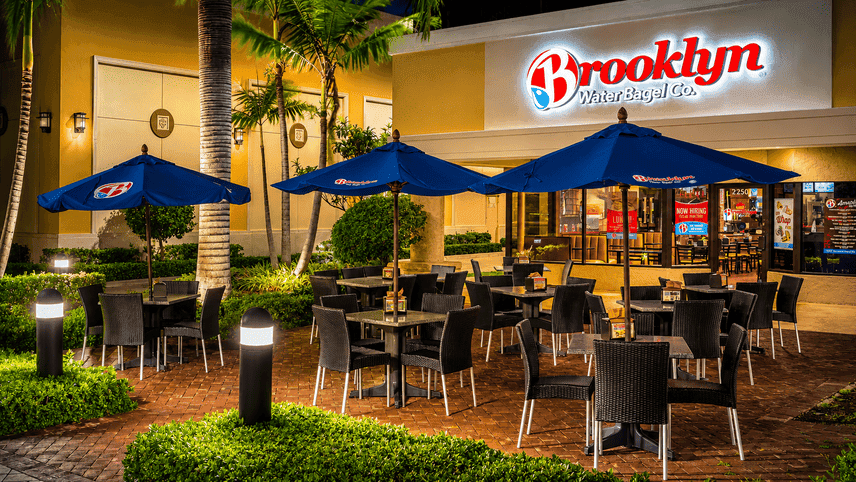
Brooklyn Water Bagel launches its first campus eatery at Nova Southeastern, signaling strategic growth and fresh potential for multi-unit operators seeking new market wins.
Sep 2, 2026
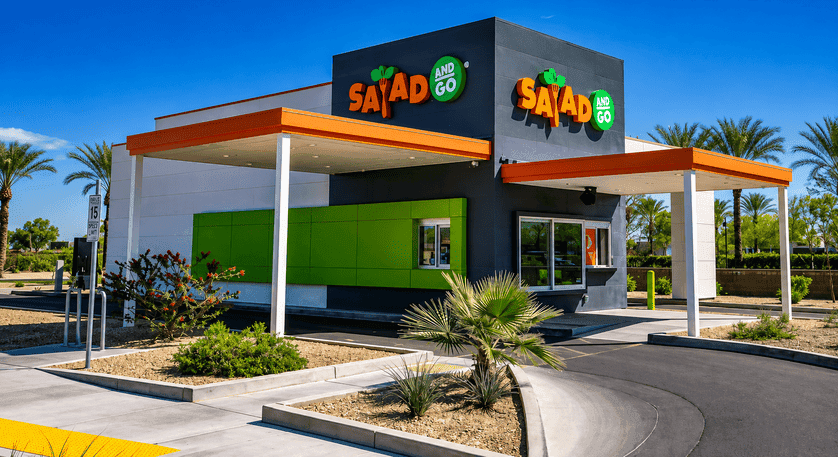
7 Brew has acquired 73 former Salad and Go locations, surpassing Dutch Bros with a $143M bid, signaling a major shift in the competitive landscape for drive-thru brands.
Sep 2, 2026
Restaurant labor management helps owners optimize staffing, control labor costs, improve productivity, monitor overtime, and maintain efficient restaurant operations.
Sep 2, 2026

Explore restaurant technology trends in 2026, including AI, automation, digital ordering, workforce tools, connected kitchens, personalization, and profitability strategies today.
Aug 28, 2026

Unlock Exclusive Access To Webinars, Events, And The Latest News For Free!
As fewer Americans drink, bar-focused franchises lean on tech, events, and broader beverage menus to grow. Tapville, Brass Tap, and Waters Edge adapt.

Photo by Louis Hansel
U.S. drinking is in decline, and the effects are landing squarely on bar-focused brands. As of July 2025, only 54 percent of U.S. adults say they drink alcohol, down from 62 percent two years earlier. Among 18- to 34-year-olds, the share fell from 59 percent to 50 percent, according to Gallup. Craft beer is cooling too. The Brewers Association reports production dropped 5.1 percent in 2025 and the number of operating U.S. craft breweries declined by 2.9 percent to 9,578. Against that backdrop, franchises built on the bar occasion are recasting the experience with technology, broader beverage portfolios, and community programming designed to make a night out feel social and intentional, not just boozy.

Tapville Social, founded in 2016 and franchising since 2019, has nearly doubled its footprint from 20 locations in 2022 to 43 in mid-2026 by threading self-pour technology with real-time data analytics and dynamic event programming. The Brass Tap and Waters Edge Wineries are pressing the same idea from different angles, adding experiential hooks like trivia nights, “Bonsai & Brews” workshops, and outdoor concert series to move past the transactional bar model. The aim is a value proposition built around discovery and connection, with drinks spanning craft cocktails, low-ABV options, and credible nonalcoholic selections alongside food.
The mechanics matter. Tapville Social’s self-pour tap walls and mobile app let guests sample at their own pace while capturing granular sales data that sharpens inventory decisions. CEO Joseph Tota highlights the system’s ability to streamline billing for large groups and integrate food orders, creating a frictionless experience. The model trims labor needs and smooths event operations. Organizers can pre-load drink credits, track consumption in real time, and avoid manual tab splits, a notorious drag on event-driven revenue. Adoption is broadening beyond a single brand. Self-pour provider iPourIt says its network processed over 500 million ounces poured by March 2026, a signal that tech-enabled beverage service is quickly moving mainstream.
Programming and product strategy are evolving in tandem. The Brass Tap leverages franchisees’ community ties to host “Bonsai & Brews” workshops where customers bring plants to learn trimming techniques while sampling craft beers, reinforcing a neighborhood identity. Waters Edge Wineries, founded in 2004, urges owners to curate on-brand art, promotions, and monthly events. Its president, Ken Lineberger, notes that a 2025 outdoor concert series in Oklahoma drew 30,000 attendees.
The brand’s SEC investor prospectus outlines a modular winery footprint with private event rooms designed for gatherings of 10 to 35 guests, a structure that encourages group sales and repeat visits. Menus are shifting too, with premium cocktails, experiential flights, and seasonal limited-time offers set against a broader rebalance toward craft cocktails, low-ABV selections, and nonalcoholic options. On-premise data from BeerBoard’s Q3 2025 report shows ready-to-drink cocktails and hard seltzers grew 23 percent in packaged volume share year-over-year, a cue that guests are exploring beyond beer.
Growth is not uniform, which makes timing and flexibility crucial. Tapville Social’s expansion from 20 to 43 locations in four years illustrates how self-pour concepts can scale amid changing drinking habits. Franchise disclosure filings show Tapville converted to a Delaware corporation in June 2020 and now offers multiple formats, from full-service bars to mobile kiosks. The Brass Tap, owned by FSC Franchise Co., grew from 43 locations in 2022 to 52 today and maintains a development pipeline of 43 more units, with 12 slated to open in 2026.
Waters Edge Wineries peaked at 15 units in early 2025 and has retrenched to 12, with one new franchise scheduled by June 30. Other players are consolidating. Hoppin Brands contracted from five to four locations between 2024 and 2026. World of Beer filed for Chapter 11 on August 2, 2024, and exited bankruptcy in December with a reduced network, down from 33 to 25 units.
Younger guests present the biggest question. In Gallup’s January 2026 update, 65 percent of 18- to 34-year-olds say moderate drinking is bad for one’s health, and abstention rates are at a 90-year high. That reality places equal weight on sober-friendly offerings, low-alcohol builds, and social formats that are compelling whether a guest orders a pinot flight, a zero-proof spritz, or a shareable snack board.
For operators, the path forward is pragmatic and creative. Technomic observes that beverage innovation has become a critical lever for traffic generation and brand differentiation across foodservice segments, with operators prioritizing unique drink creations, low-alcohol offerings, and data-driven menu planning to capture shifting consumer preferences. Brands that turn taps into customizable, tech-embedded platforms, cultivate programming that feels local, and refine portfolios across beer, wine, cocktails, and zero-proof will be best positioned to sustain visits as drinking habits evolve.