everbowl Hires Two Jack in the Box Veterans
everbowl names Anna Gabele Brand President and Natalie Trzcinski COO, pulling both from Jack in the Box to guide its next growth phase.
Franchising
Sep 18, 2026
everbowl names Anna Gabele Brand President and Natalie Trzcinski COO, pulling both from Jack in the Box to guide its next growth phase.
Sep 18, 2026

Mountain Mike's Pizza hires Jack in the Box veteran Sheena Dougher as CMO to drive national growth while preserving its regional brand identity.
Sep 17, 2026

From fixed costs to contribution margin, learn exactly how to calculate your restaurant's break even point with confidence.
Sep 16, 2026

DoorDash pays $425M for Wonder's campus dining platform and a stake in Wonder, betting on robotic kitchens and institutional foodservice growth.
Sep 16, 2026
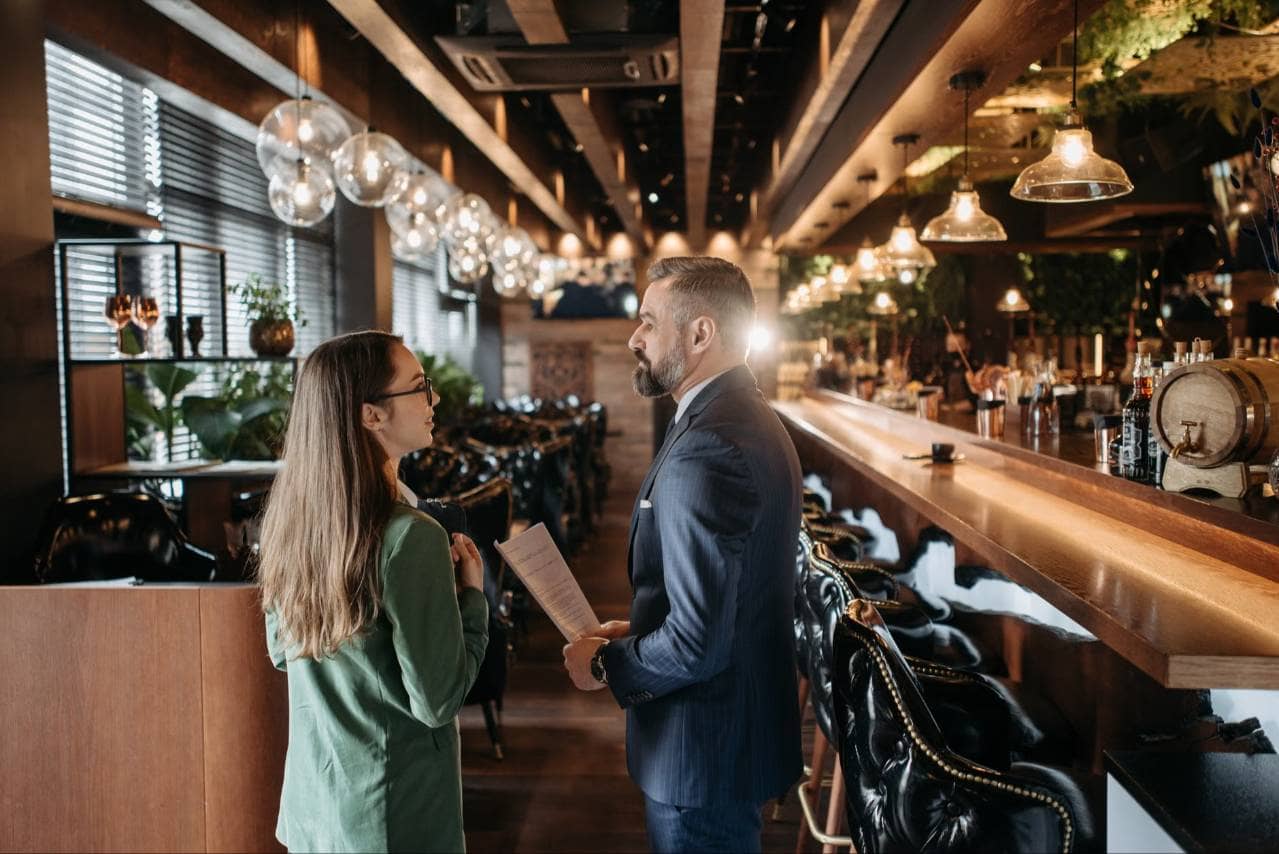
Discover the most common reasons restaurants fail, including inconsistent food quality and pricing mistakes, plus practical ways to avoid them.
Sep 16, 2026
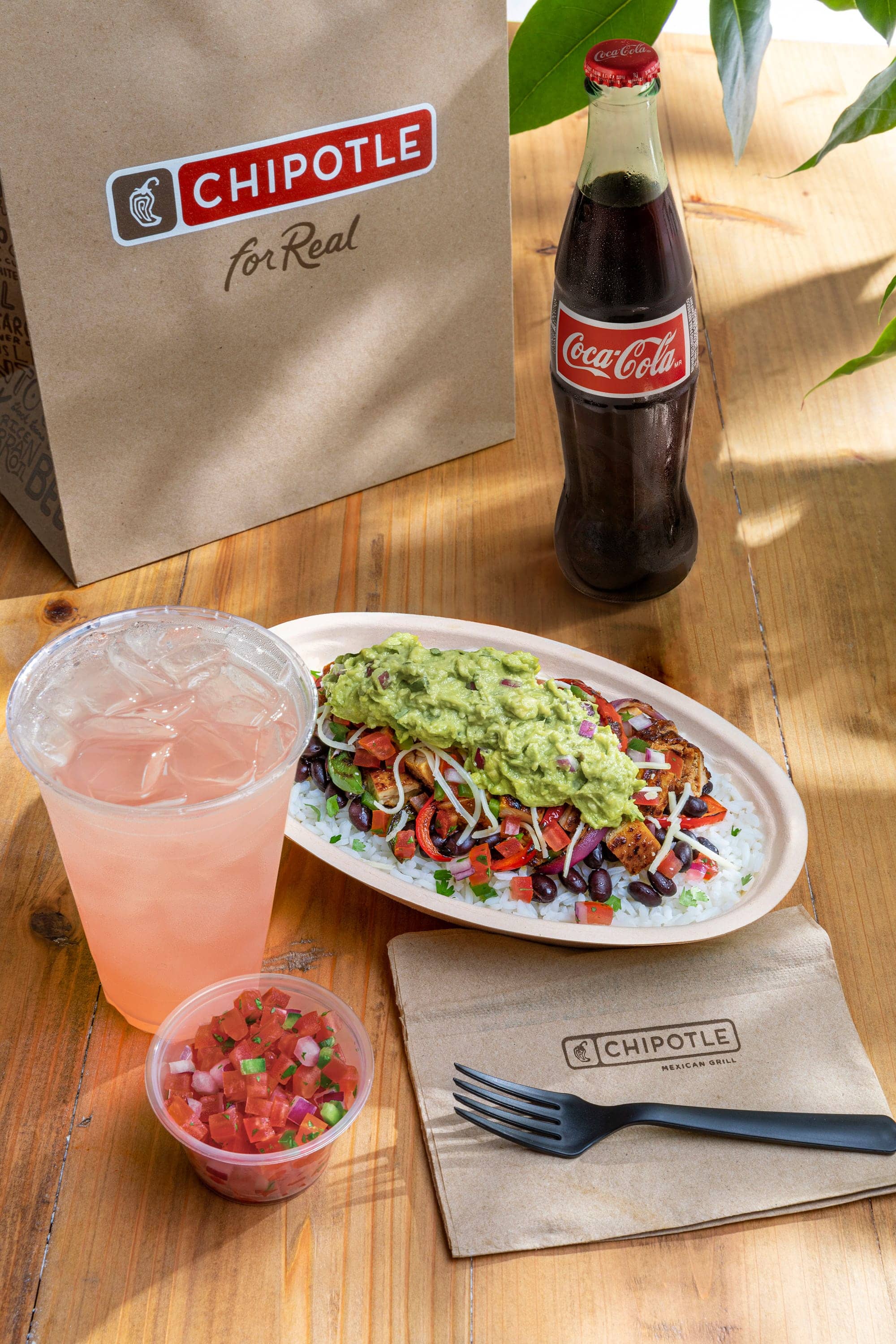
Chipotle names former KFC global CEO Sabir Sami to its board as the chain expands into Mexico, Saudi Arabia, and South Korea.
Sep 15, 2026

LeBron James joins Mike's Red Tacos as an investor, backing the birria chain led by Blaze Pizza and Dave's Hot Chicken veteran Bill Phelps.
Sep 15, 2026
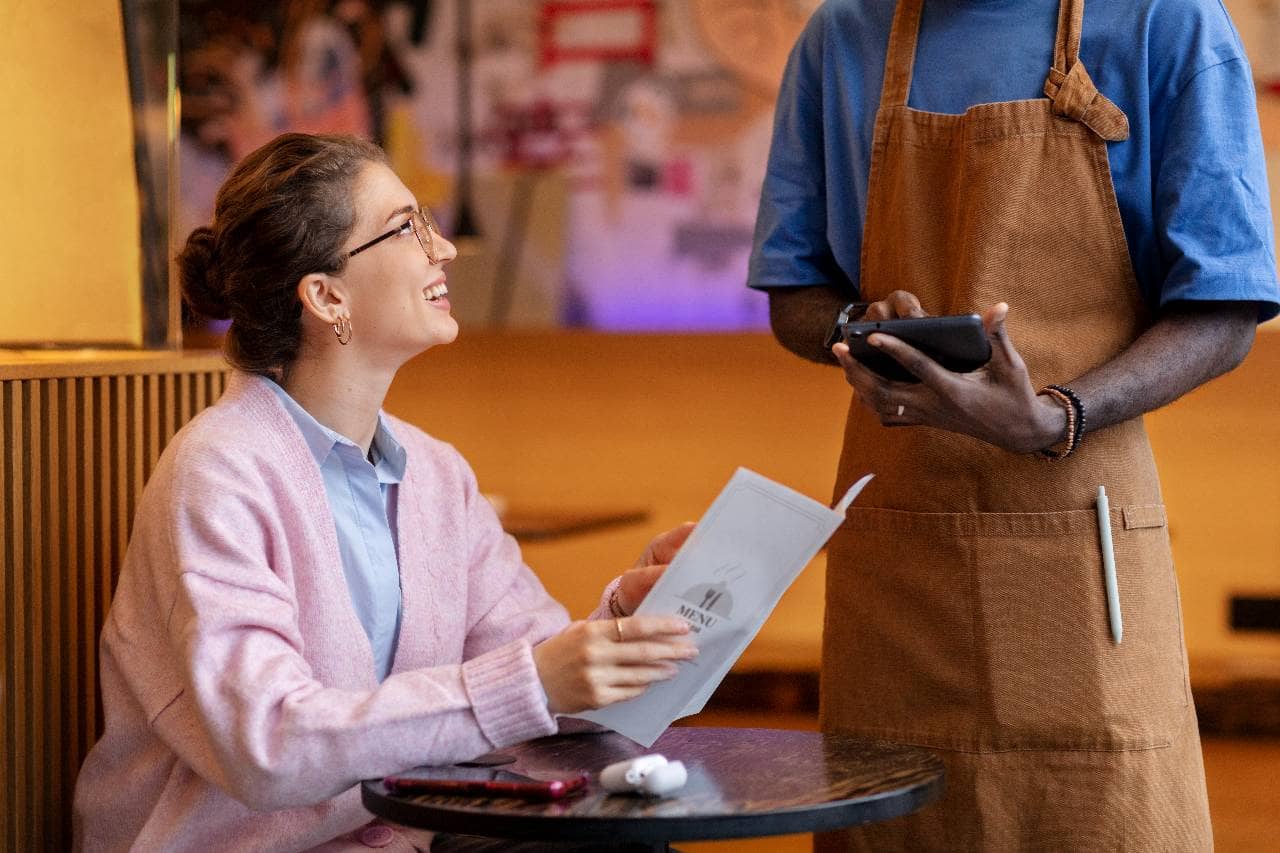
Discover practical promotion ideas - time-based deals, loyalty programs, local partnerships, and digital marketing - to boost restaurant foot traffic consistently.
Sep 14, 2026

Practical payroll compliance checklist for restaurant owners covering wage rules, tips, overtime, taxes, deductions, and recordkeeping to reduce legal risk.
Sep 14, 2026
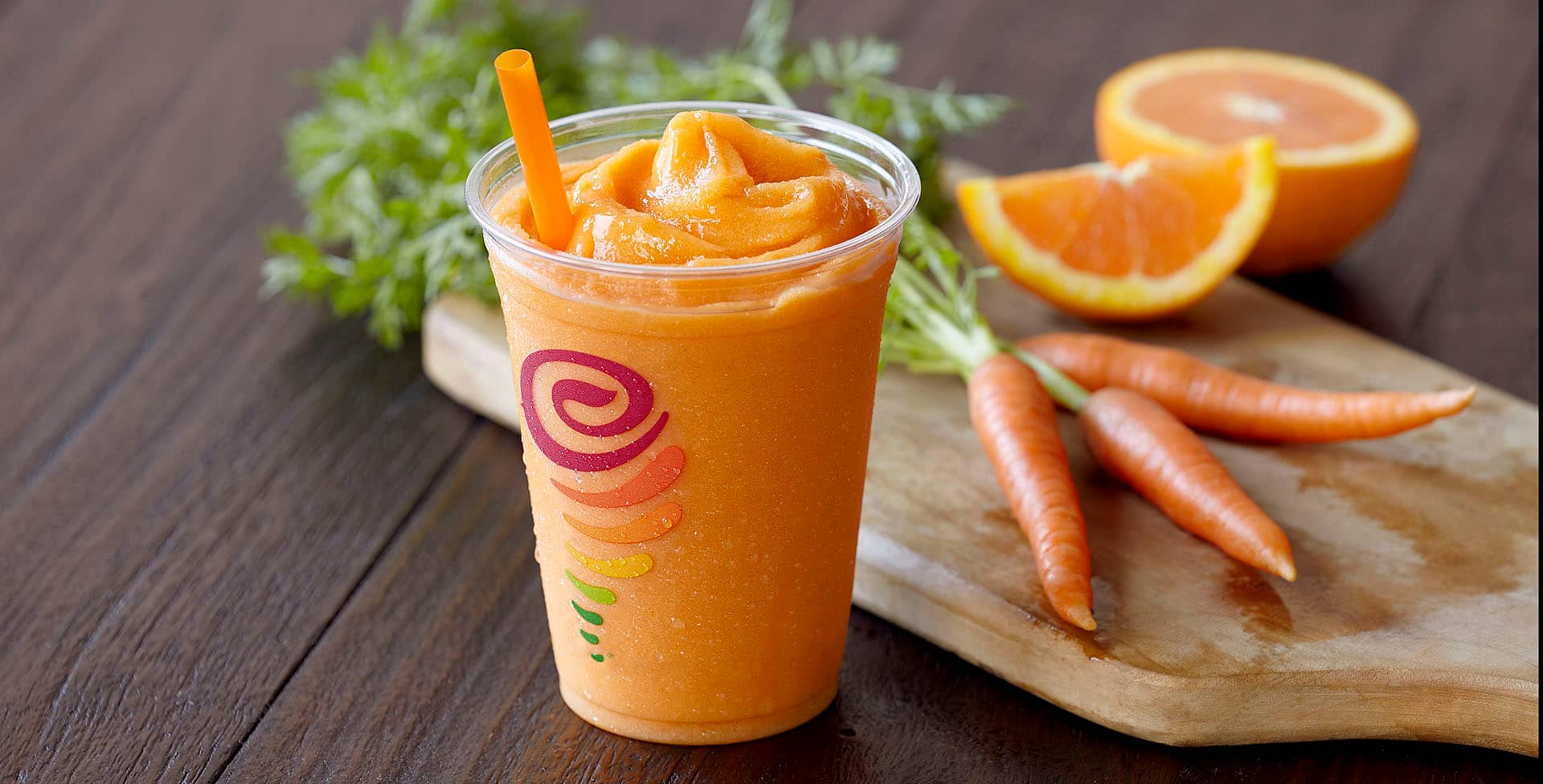
Lucy Brady joins Jamba as president to lead digital-first growth strategy. GoTo Foods restructures leadership to strengthen franchise platform capabilities.
Sep 14, 2026

Unlock Exclusive Access To Webinars, Events, And The Latest News For Free!
Togo’s reaffirms Glenn Lunde as CEO on September 9, 2025, tying leadership continuity to a modernization push built on loyalty, digital, Speedline 3.0, and franchise-led expansion.

Photo by Mak
Togo’s Sandwiches brought Glenn Lunde back as Chief Executive Officer on "September 9, 2025", tying leadership continuity to a refreshed push for growth and innovation. He previously led the brand for "five years" before departing to become CEO of Yoshinoya. The sequence matters because it pairs familiarity with a mandate: reconnect strategy and execution at a company he already knows. The agenda is straightforward. Strengthen loyalty programs. Expand digital and delivery capabilities. Push menu creativity. Accelerate franchise‑led expansion. Lunde’s own words set the tone: "Our focus is on bringing fresh ideas to the table, from creative menu innovation to stronger digital engagement and smart growth strategies. Together, we’ll ensure TOGO’S continues to stand out as a brand that delivers quality, value, and memorable experiences." Uses short, declarative statements, favors concrete descriptions over abstract ones. The company positions this leadership reset as the start of a modernization sprint, not a reinvention. It’s a practical list designed to show up at the store level and in the development pipeline. The message: guest experience improves, operators see better economics, and the system finds its pace again. Analysis: The reappointment date and the quote anchor a tight playbook, creative menu work, digital depth, and disciplined expansion, signaling continuity with urgency.
According to Restaurant Dive, Lunde’s return follows the retirement of his successor Matt Dowling. The timing pairs a leadership transition with forward‑looking commitments that track with Lunde’s stated philosophy: bring fresh ideas, smarter engagement tools, and disciplined growth. That framing sets expectations at the store and system level. Togo’s reports approximately "170" units open or under development across the West Coast and Southwest. Recent openings in California, Nevada, and Washington are cited as proof of demand and market momentum. Those geographies have established resonance, and the company sees room to densify. The priorities make sense in today’s fast‑casual competition. Loyalty drives frequency. Digital convenience opens new dayparts and off‑premise mix. Menu innovation refreshes relevance. Togo’s explicitly elevates these areas under Lunde’s agenda, using them as the through‑line for the next phase. Analysis: The succession context and footprint details justify the timing, leadership continuity meets a market window validated by recent West Coast openings.

The modernization plan runs on integrated levers: loyalty development, deeper digital and delivery, menu creativity, and franchise‑led growth. The operational backbone is the 3.0 Speedline remodel format, active since "2018". Franchisees upgrading to this format adopt a modernized aesthetic, a revised speed‑line sandwich‑building system, and digital enhancements such as POS kiosks and third‑party delivery partnerships. According to franchise materials, as of early "2025" Togo’s has reconcepted "57" existing locations and opened "13" new 3.0‑format stores. Many more are slated for completion through "2025" and "2026". The brand reports that the Speedline format correlates with higher average unit volumes among remodeled franchisees versus those yet to upgrade, a performance signal it uses to justify continued investment. It’s a practical approach: faster lines, clearer throughput, and tighter integration with delivery. In other words, unit‑level economics get a lift while the guest experience sharpens. That’s how a remodel stops being cosmetic and becomes a growth instrument. Analysis: The 3.0 format marries workflow changes with digital tooling; the reported AUV correlation is the economic rationale for scaling the model.
The 3.0 Speedline program is designed to hit two targets at once: speed on the line and smoother digital execution. Updated layouts and sandwich‑building sequences reduce friction. POS kiosks widen ordering lanes. Third‑party delivery integration keeps off‑premise queues from choking the in‑store experience. The brand says remodeled units are seeing stronger average unit volumes compared to stores that haven’t upgraded. That comparison functions as a green light for more capital deployment. If the front‑of‑house is faster and the back‑of‑house is cleaner, the cash register tells the story. This is execution work, not theory. Better flow, fewer bottlenecks, and a format that encourages digital adoption. The expected outcome: more tickets per hour and a smoother guest rhythm. Analysis: By tightening operations where guests feel it, on the line and at pickup, the remodel claims to convert design choices into sales productivity.

To accelerate franchise growth, Togo’s launched Development Incentive Programs in "January 2025". The offer: a "50%" reduction in initial franchise fees and royalties, with potential "0%" royalties for a defined period. Eligibility is capped at the first "ten" qualified agreements, and a lease must be signed within "six months". The targeted zones, Oregon, Arizona, Utah, Idaho, and Colorado, extend the brand’s reach beyond existing strongholds. The Franchise Disclosure Document projects "six" new franchised openings in "2025", giving the system a near‑term yardstick for conversion. According to Restaurant Dive, the system counted "150" open units at the end of "2024", down from "169" at the start of "2022". During that span, the brand lost "13" franchised units while company‑owned units rose by "three". The incentives are built to reverse or offset that trend by easing early cash‑flow pressure and speeding commitments. This is a classic nudge. Lower the upfront and early‑period royalty load, set a timeline, and focus on specific markets. Operators get a window to pencil deals that might not have worked otherwise. Analysis: The incentives are time‑boxed and targeted; the "six" projected openings in "2025" serve as the first proof point of whether the structure unlocks pipeline.
Recent openings in California, Nevada, and Washington are used as evidence of demand. The strategy is to densify where the brand already resonates while entering new territories through franchise partnerships. Local operators bring capital and market knowledge; the system provides a remodel pathway and digital framework to support unit economics. Parallel investment in the 3.0 Speedline format, "57" reconcepted locations and "13" new 3.0 stores as of early "2025", gives both new and existing franchisees a performance‑oriented template. The reported correlation to higher average unit volumes is the hook that aligns operator incentives with the brand’s modernization push. With approximately "170" units open or under development, Togo’s has a platform to sequence openings across the West Coast and Southwest and into Oregon, Arizona, Utah, Idaho, and Colorado. The play is to build clusters, not scatter single units. Analysis: Remodeling plus targeted market entries work in tandem, improve existing box performance while staging new units in adjacent, high‑potential states.

The company frames Lunde’s reappointment as a continuation of operational improvements and consumer‑oriented strategies suited to fast‑casual competition. It stresses that clear, aligned pillars under his leadership set the stage for brand elevation and system‑level momentum, guest‑centric and operator‑viable at the same time. Lunde’s statement functions as the organizing principle: "Our focus is on bringing fresh ideas to the table, from creative menu innovation to stronger digital engagement and smart growth strategies. Together, we’ll ensure TOGO’S continues to stand out as a brand that delivers quality, value, and memorable experiences." Creativity, digital depth, and disciplined growth, three lanes, one road. The convergence of company language and the CEO’s on‑record message gives franchisees and employees a single scoreboard. Loyalty, digital, menu innovation, remodels, and incentives are the plays. Execution is the measure. Analysis: Alignment in messaging reduces ambiguity for operators and teams, focusing attention on store‑level performance and measured expansion.
There are gaps. The reported correlation between the 3.0 Speedline format and higher average unit volumes isn’t quantified, and the baseline isn’t disclosed. The potential "0%" royalty period is described only as defined, without a stated duration beyond eligibility for the first "ten" agreements and the "six months" lease requirement. Details on strengthened loyalty programs are not listed, nor are specific digital engagement metrics. The timeline reference to many more remodels slated through "2025" and "2026" lacks counts or locations. The approximately "170" units open or under development are not broken down by status or market. Evidence here draws from franchise materials, Restaurant Dive reporting, and announcements connected to the brand’s channels. Until more numbers arrive, forecasting precision will remain limited. Analysis: Transparency on remodel uplift, incentive duration, loyalty features, and unit breakdowns would sharpen projections; short‑term reporting will matter most.
The near‑term scoreboard is clear. Lunde’s reaffirmation on "September 9, 2025" pairs leadership continuity with a defined playbook: loyalty strength, deeper digital and delivery, creative menu development, the 3.0 Speedline remodel, and franchise‑led expansion backed by incentives. The development programs introduced in "January 2025", the "50%" reductions and potential "0%" royalties for a period, are built to move prospects from interest to signed agreements within the "six months" window, limited to "ten" qualified deals. Performance‑focused remodeling, "57" reconcepted units and "13" new 3.0 stores as of early "2025", is the operational engine meant to raise average unit volumes and improve the guest experience. The Franchise Disclosure Document’s projection of "six" new franchised openings in "2025" creates a specific milestone. That plays against a system that counted "150" open units at the end of "2024" after "169" at the start of "2022". If these pieces connect, modernization and footprint growth reinforce each other. Better store‑level numbers attract operators; more openings densify markets and widen awareness. Analysis: The remodel cadence and the conversion of incentivized deals into the projected "six" openings will be the clearest indicators of traction.
This is a story about focus. A known leader returns with a familiar, concrete plan. Loyalty, digital, menu creativity, and the 3.0 Speedline remodel form the spine. Franchise incentives lower the barrier to entry and set a clock. Growth moves where the brand already resonates and into targeted states with operator partners ready to run the playbook. The lesson is straightforward: modernization works when it ties to unit economics and is backed by a timeline. Set milestones, like the projected "six" franchised openings in "2025", and use them to check whether strategy is becoming reality. Keep the message tight for franchisees and teams, and let store‑level performance do the talking. In Lunde’s words, the aim is to bring "fresh ideas" with "stronger digital engagement" and "smart growth strategies" that ensure Togo’s delivers "quality, value, and memorable experiences." That’s the standard. Execution will decide how quickly the system climbs from its "150"‑unit base at the end of "2024" and how convincingly it fills the approximately "170" open or in‑development slots ahead. Analysis: Clarity in priorities and time‑bound incentives create accountability; the outcome will hinge on remodel throughput and the pace at which qualified deals turn into operating stores.