
California Penalizes Dickey's for Franchise Disclosure Violations
California shifts to public enforcement strategy against Dickey's for deceptive franchise disclosures, signaling stricter state-level franchise oversight.
Franchising
Sep 10, 2026
California shifts to public enforcement strategy against Dickey's for deceptive franchise disclosures, signaling stricter state-level franchise oversight.
Sep 10, 2026
Paul Brown temporarily steps away from Inspire Brands as Scott Murphy assumes interim CEO role during confidential IPO filing process targeting late 2026.
Sep 10, 2026
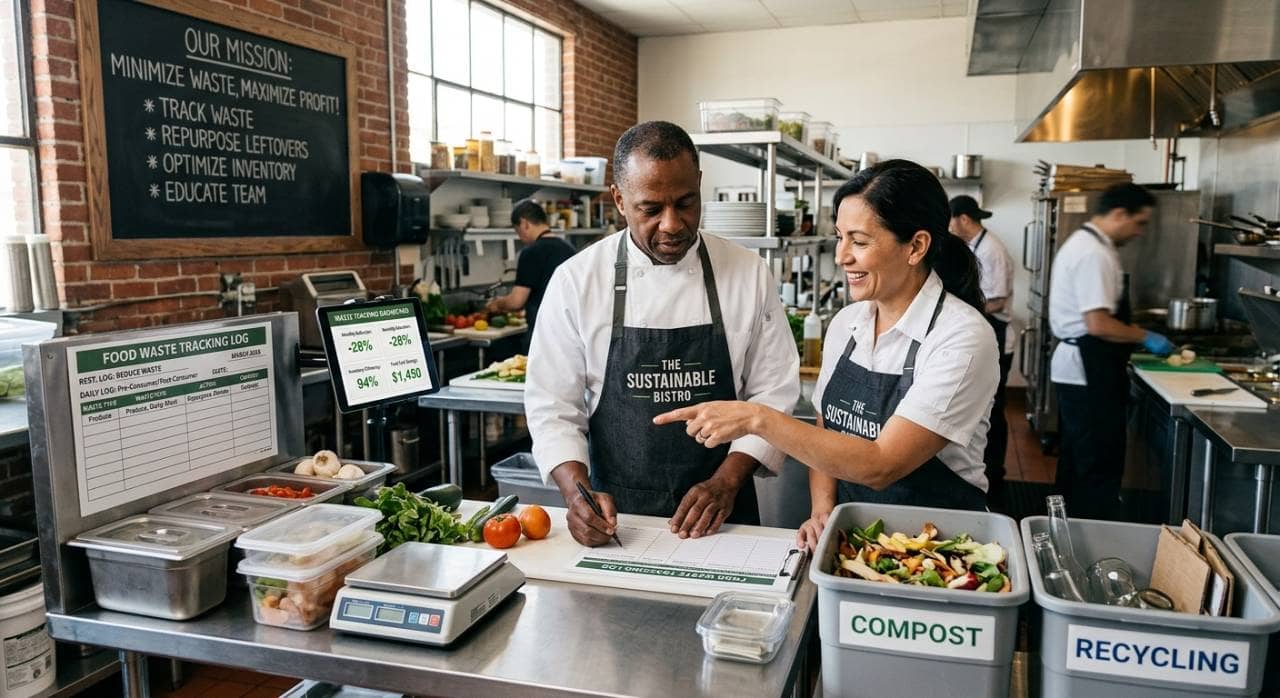
Learn how to reduce food waste in restaurants through smarter purchasing, storage, preparation, and service strategies that cut costs.
Sep 9, 2026
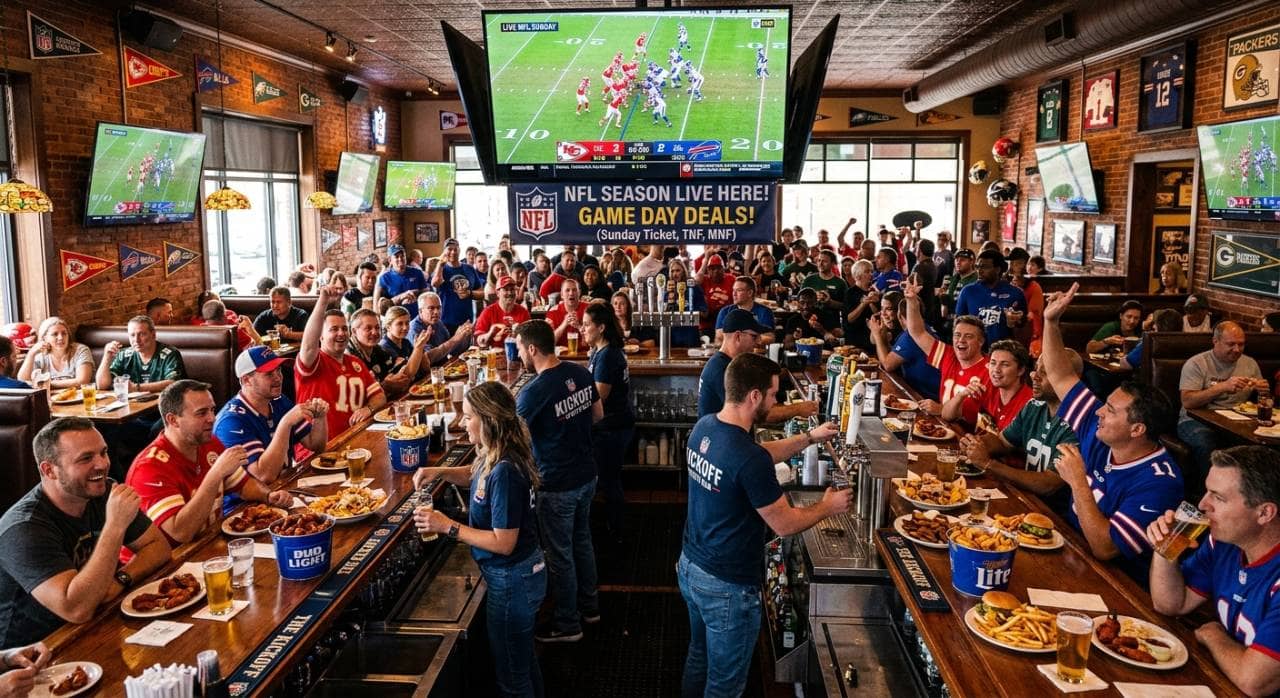
Prepare your restaurant for NFL season with smart menu planning, staffing, marketing, technology, and atmosphere strategies that boost season-long revenue.
Sep 9, 2026
Swig signs franchise agreement for 11 South Denver locations, marking Colorado entry and validating its national expansion strategy.
Sep 8, 2026
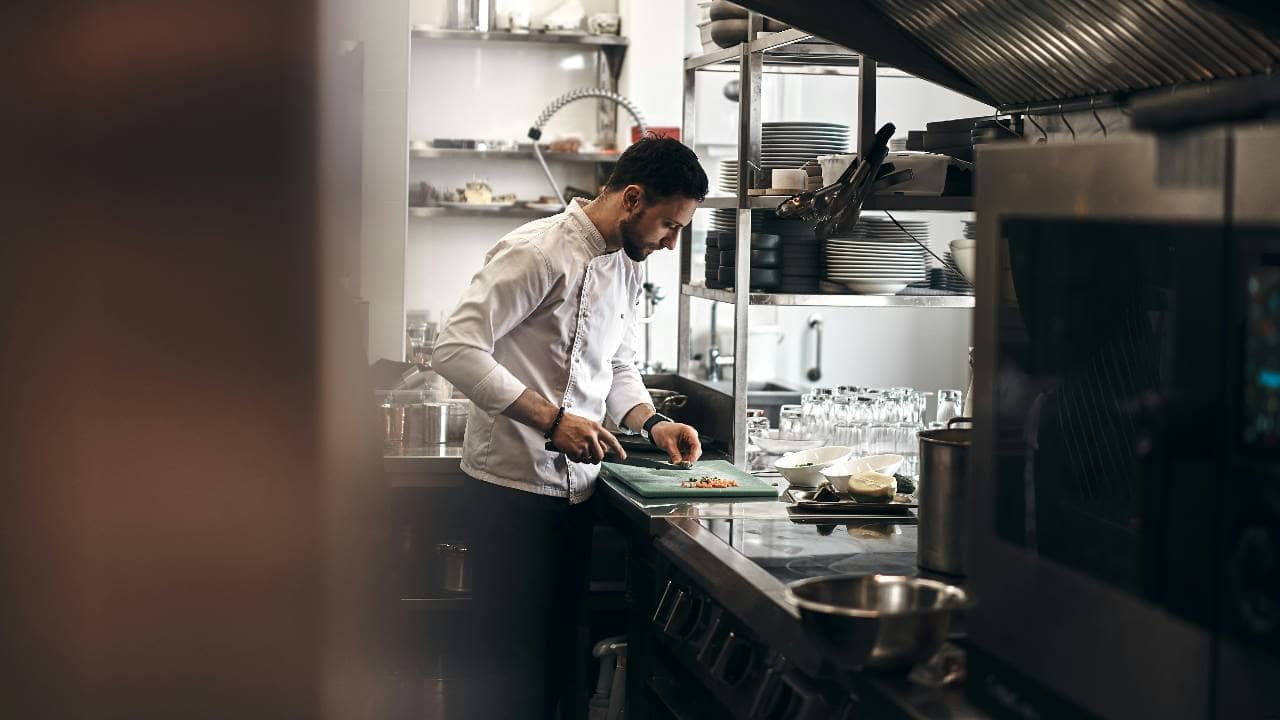
Complete guide helping restaurant owners choose essential kitchen equipment - covering cooking, refrigeration, prep, sanitation, ventilation, safety, and long-term maintenance planning.
Sep 7, 2026
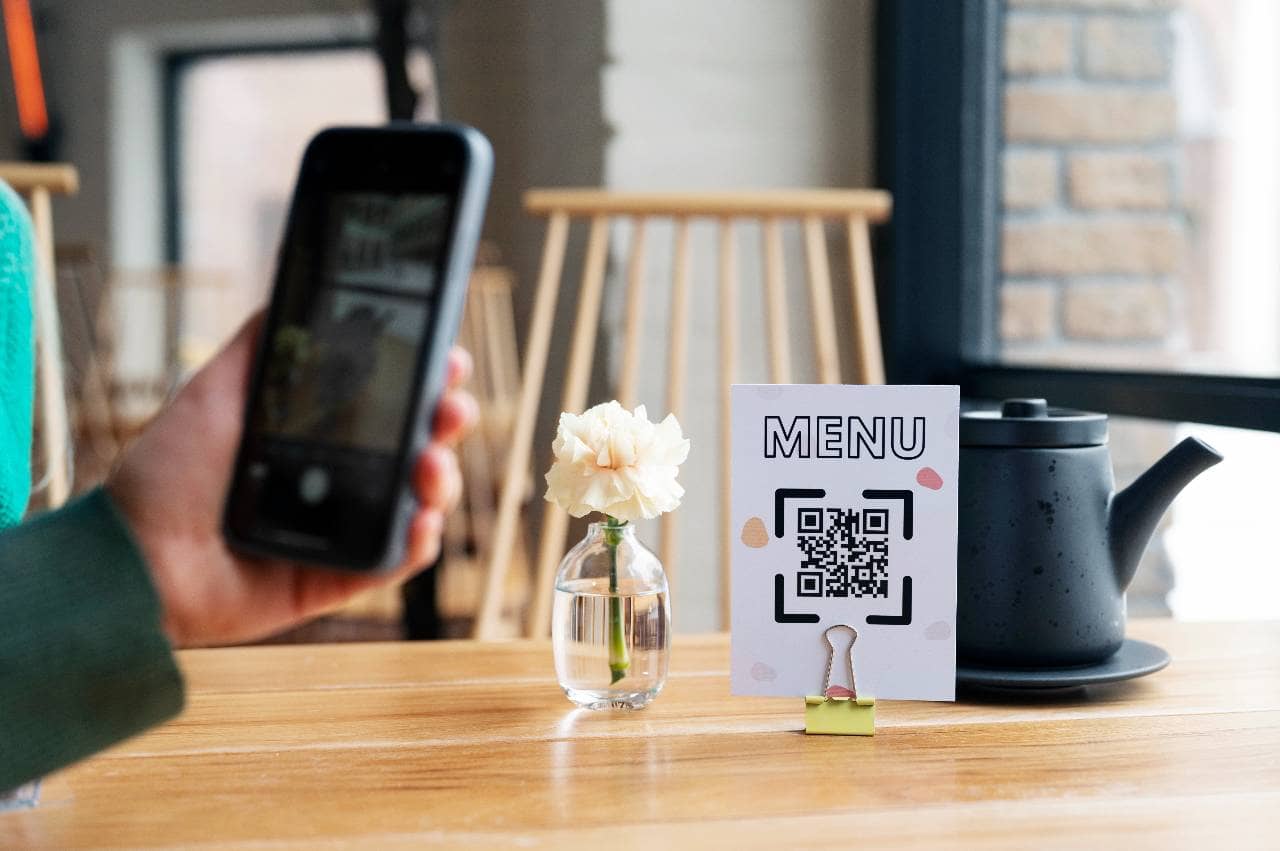
QR code menus let restaurants replace paper menus digitally, enabling instant updates, contactless browsing, ordering, and payment through simple smartphone scanning.
Sep 7, 2026
Avoiding common restaurant payroll mistakes - misclassification, tip credit errors, overtime miscalculations - protects businesses from costly penalties, back pay, and compliance risks.
Sep 4, 2026
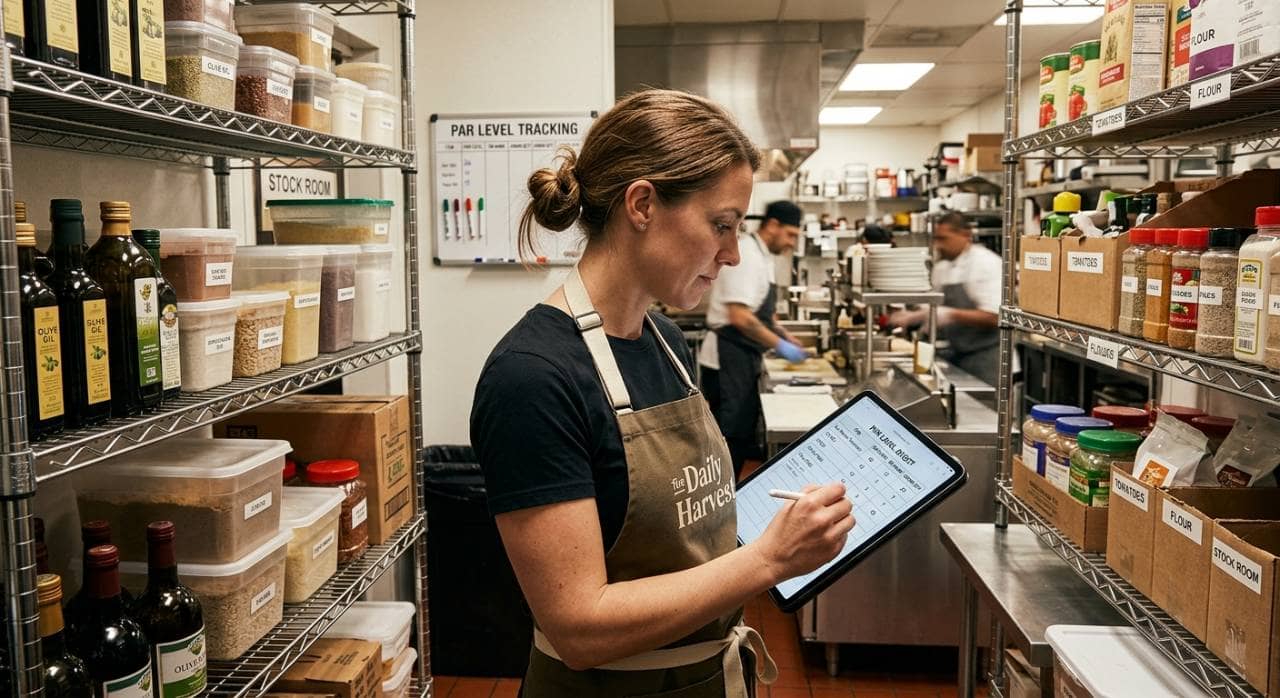
Learn to calculate par levels for restaurant food, beverages, and packaging inventory, preventing stockouts and waste through proper formulas.
Sep 4, 2026
Caribou Coffee appoints Zane Thomas-Rogers as Chief Operations Officer to strengthen execution across its expanding coffeehouse network.
Sep 4, 2026

Unlock Exclusive Access To Webinars, Events, And The Latest News For Free!
Grubhub launches embedded ordering across Eater, Beli, Alexa+, and Bilt to capture high-intent moments and drive demand via trusted channels.

Photo by Ruwell Salatan
On June 5, 2026, Grubhub flipped the script on where an order begins. The delivery platform unveiled embedded integrations on Eater, Beli, Amazon’s Alexa+, and Bilt that let consumers place Grubhub orders inside the platforms they already use to discover restaurants, talk about meals, ask for what they want, and pay the rent. The goal is simple: capture high-intent moments and turn them into tickets, with less tapping and fewer detours.

The move reflects a post-acquisition strategy under Wonder Group, which bought Grubhub in November 2024 for $650 million. Rather than betting only on in-house features, Wonder is leaning on partnerships that pipe demand from trusted discovery and utility channels. Eater brings a redesigned app built around editorial maps and city guides. Beli opens a door to a social community where 80 percent of users are under 35 and had logged over 75 million food reviews by 2024.
Alexa+ taps early generative AI behaviors even as comfort levels remain mixed, with only 45 percent of delivery customers comfortable ordering through voice and half of Gen Z saying they would use it. Bilt ties meal ordering to monthly housing routines through a new dual-currency system that now earns a $10 monthly Grubhub credit.

How it works is straightforward, and purpose-built for each context:
- Eater: The app’s March 2026 relaunch set the stage. Select Eater Maps now include Grubhub links, giving readers a one-click path from editorial recommendations to checkout.
- Beli: Founded in 2021, the social ranking app has added Grubhub ordering to restaurant pages, creating a first-time transaction layer on top of its recommendation engine. Beli activated Grubhub ordering with the June announcement.
- Alexa+: Subscribers can place and customize Grubhub orders entirely by voice via Echo Show devices, mirroring waiter-style conversations and cutting out app switching. The feature debuted on March 31, 2026 on Echo Show 8 and larger devices, and users simply link their Grubhub account in the Alexa app to start ordering.
- Bilt: Users can redeem $10 in monthly Bilt Cash for a dollar-for-dollar Grubhub credit. Bilt Cash launched January 1, 2026 as part of Bilt 2.0, and the credit creates a recurring nudge that sits alongside rent or mortgage payments.
All four channels route orders only to restaurants that use Grubhub for delivery.

McCall Gridley, head of Grubhub’s growth partnerships at Wonder, framed the intent bluntly: “Grubhub’s latest integrations tap directly into the everyday platforms where diners are already discovering, planning, and ordering their next meal,” and “By integrating with leading financial, lifestyle, and media platforms, we're making it easier than ever for customers to discover, decide, and order—while unlocking new demand and high-intent traffic for our merchant partners.” Amazon’s product team has been equally clear about what will make or break voice-based orders, noting that “success in AI-driven ordering hinges on trust, task specificity, and perceived value.”
On the social side, Janice Chan, a Sacramento-based influencer, said Beli “feels more like a community where people are sharing what they actually enjoy,” a reminder that peers still carry weight when it comes to what and where people eat. The presence of Uber Eats on Alexa+ underscores that voice assistants are now a shared competitive arena.

The integrations sit within a broader pattern of embedded commerce across the sector. Customers can already order from restaurants on Instacart via Uber Eats, and DoorDash’s DashPass members receive perks on Lyft and vice versa. Grubhub is also testing new rails for fulfillment, partnering with Dexa for New Jersey’s first dronepowered food delivery program since March 11, 2026.
Papa John’s is piloting drone delivery with Alphabet’s Wing in a North Carolina suburb, signaling that last mile experimentation is not confined to any one player. Folded together, editorial maps, social communities, voice interfaces, and financial routines compress the path from inspiration to transaction, and they do so in places where diners already feel comfortable browsing, debating, and budgeting.

Key questions remain for operators weighing the upside. Each new channel is available only to restaurants that use Grubhub for delivery, which limits exposure for brands tied to competing providers. Industry research shows that 79 percent of delivery customers embrace mobile wallets and 71 percent order via third-party services like Grubhub, while fewer than half would opt for voice ordering.
That gap could create friction for Alexa+ until trust and repetition build, particularly for older segments where perceived control and security concerns carry more weight. Bilt Cash redemptions are capped at $10 per month for each category, so the credit is more a steady nudge than a feast-day subsidy. And Beli’s social-first ranking system, while sticky for discovery, may not automatically translate to repeat transactional behavior.

What to watch next is highly tactical. Do Grubhub links on select Eater Maps lift conversion for those featured merchants, and does that lift sustain after the novelty fades. Does Beli’s community energy move beyond first clicks to repeat orders. On Alexa+, does linking a Grubhub account and clear, task-specific prompts overcome the initial hesitation around voice. With Bilt, do $10 monthly credits show up as a dependable new cadence of weekday orders tied to rent day. The answers will set the pace for how quickly embedded channels become a standard part of an omnichannel ordering strategy, and how much incremental volume they can reliably deliver for restaurant partners.
