everbowl Hires Two Jack in the Box Veterans
everbowl names Anna Gabele Brand President and Natalie Trzcinski COO, pulling both from Jack in the Box to guide its next growth phase.
Franchising
Sep 18, 2026
everbowl names Anna Gabele Brand President and Natalie Trzcinski COO, pulling both from Jack in the Box to guide its next growth phase.
Sep 18, 2026

Mountain Mike's Pizza hires Jack in the Box veteran Sheena Dougher as CMO to drive national growth while preserving its regional brand identity.
Sep 17, 2026

From fixed costs to contribution margin, learn exactly how to calculate your restaurant's break even point with confidence.
Sep 16, 2026

DoorDash pays $425M for Wonder's campus dining platform and a stake in Wonder, betting on robotic kitchens and institutional foodservice growth.
Sep 16, 2026
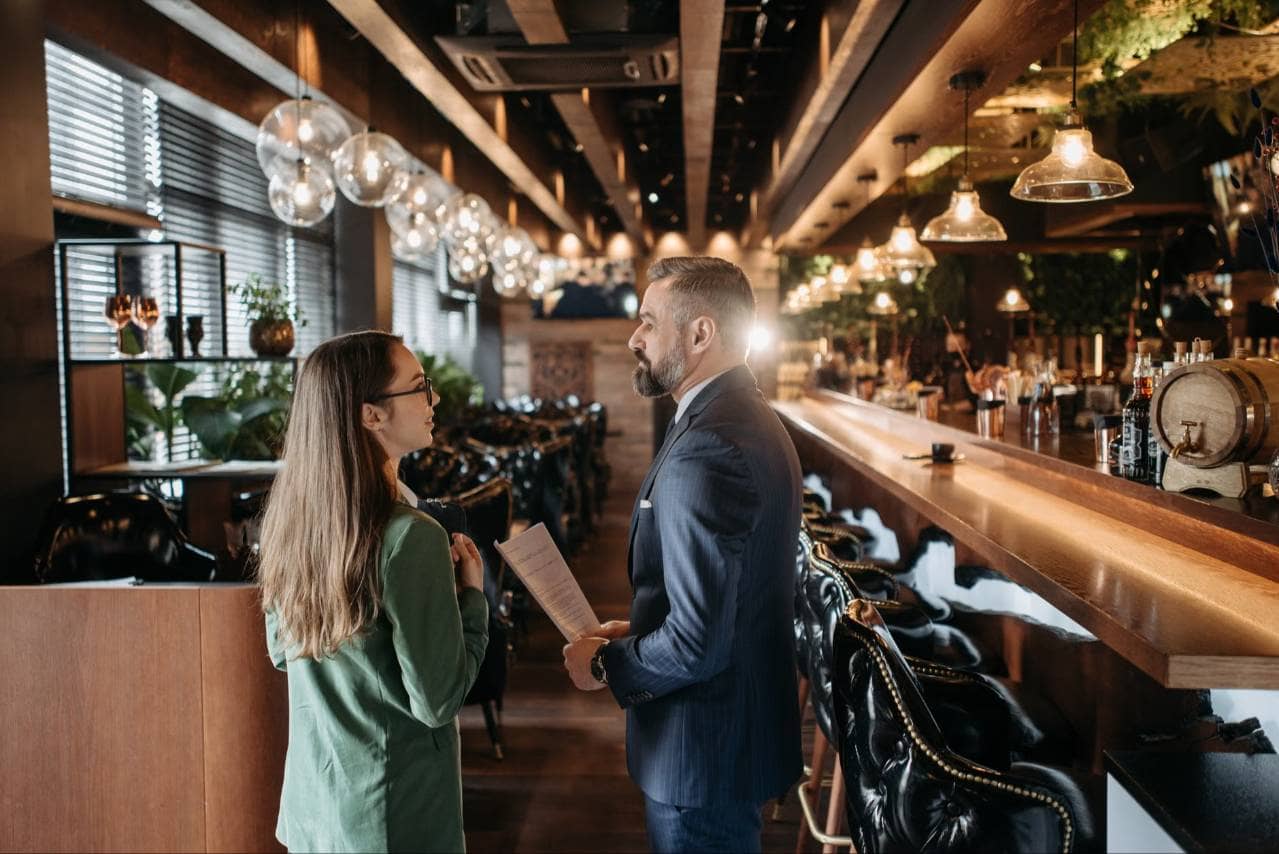
Discover the most common reasons restaurants fail, including inconsistent food quality and pricing mistakes, plus practical ways to avoid them.
Sep 16, 2026
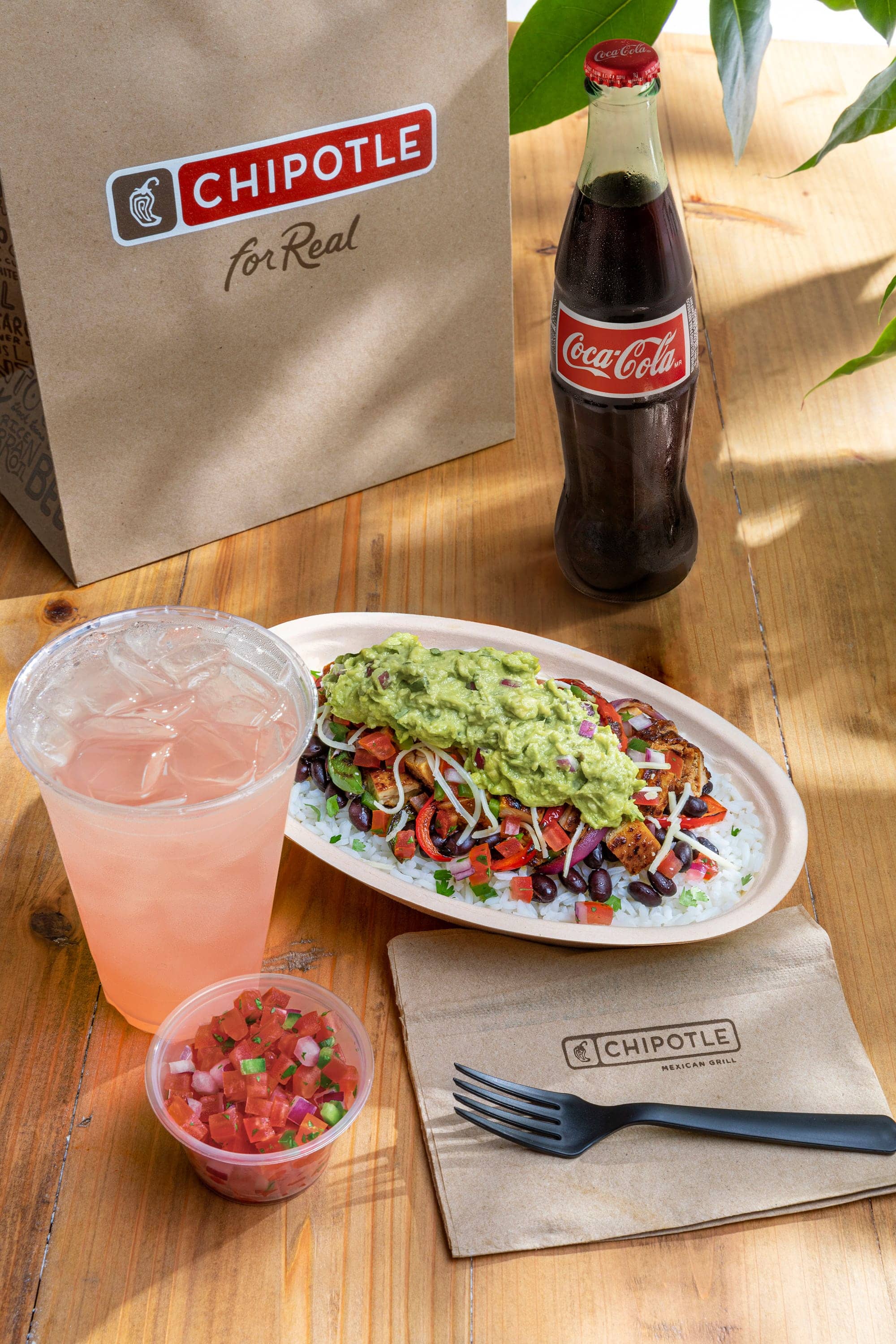
Chipotle names former KFC global CEO Sabir Sami to its board as the chain expands into Mexico, Saudi Arabia, and South Korea.
Sep 15, 2026

LeBron James joins Mike's Red Tacos as an investor, backing the birria chain led by Blaze Pizza and Dave's Hot Chicken veteran Bill Phelps.
Sep 15, 2026
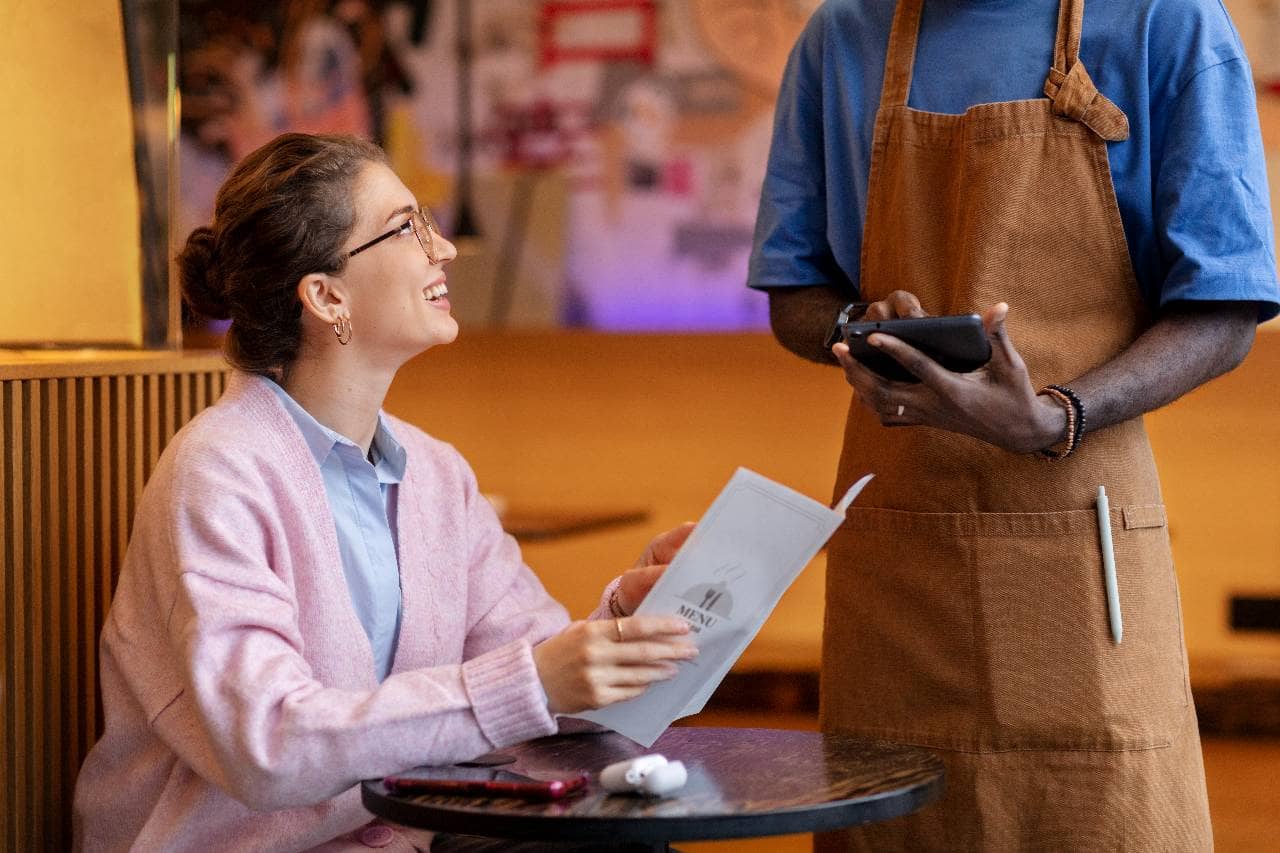
Discover practical promotion ideas - time-based deals, loyalty programs, local partnerships, and digital marketing - to boost restaurant foot traffic consistently.
Sep 14, 2026

Practical payroll compliance checklist for restaurant owners covering wage rules, tips, overtime, taxes, deductions, and recordkeeping to reduce legal risk.
Sep 14, 2026
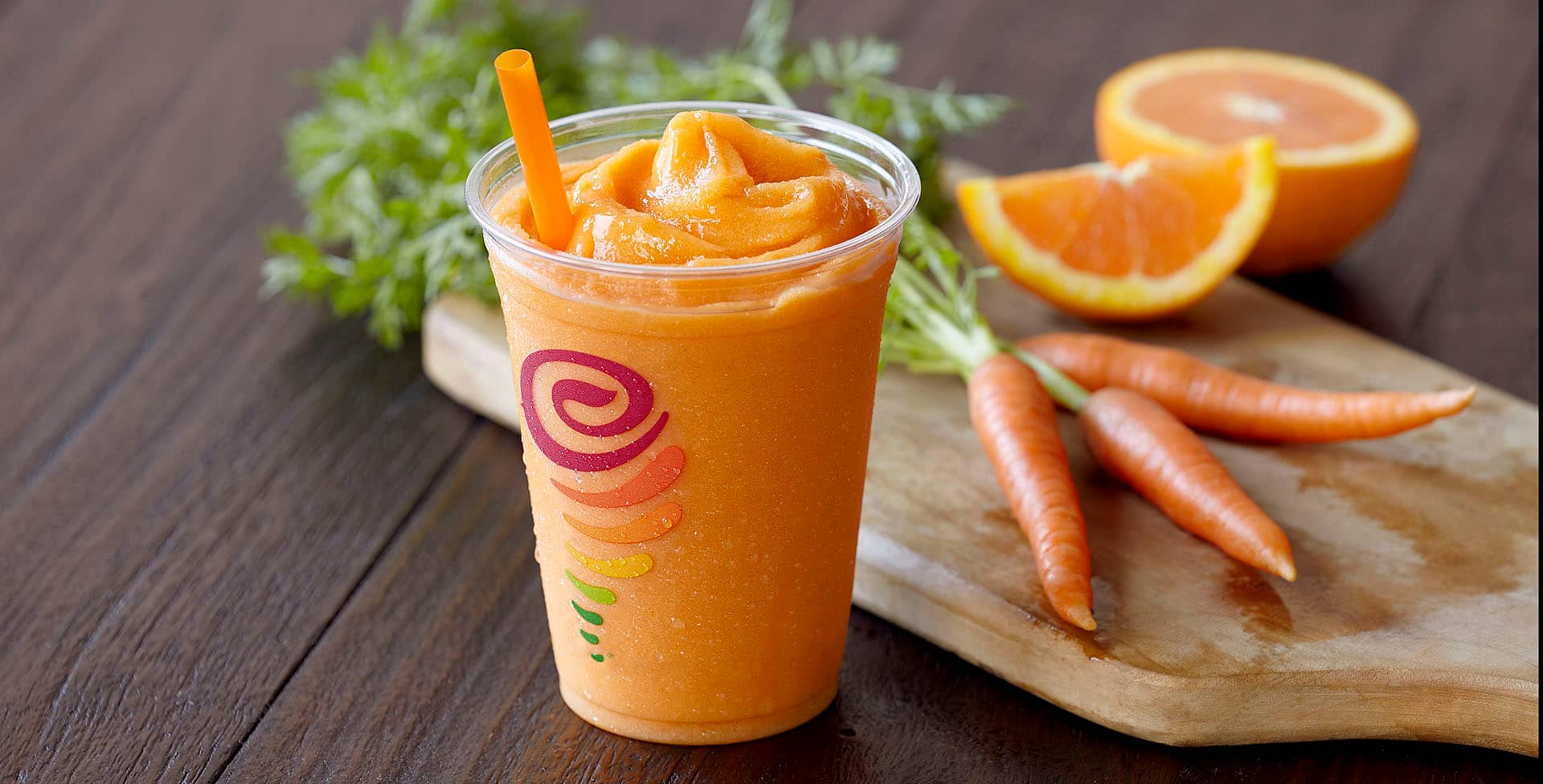
Lucy Brady joins Jamba as president to lead digital-first growth strategy. GoTo Foods restructures leadership to strengthen franchise platform capabilities.
Sep 14, 2026

Unlock Exclusive Access To Webinars, Events, And The Latest News For Free!
Facing a 5% same-store sales dip in Q2 2025, KFC names Melissa Cash U.S. CMO and pairs the role with a new CDTO to execute the ‘Kentucky Fried Comeback’ plan.
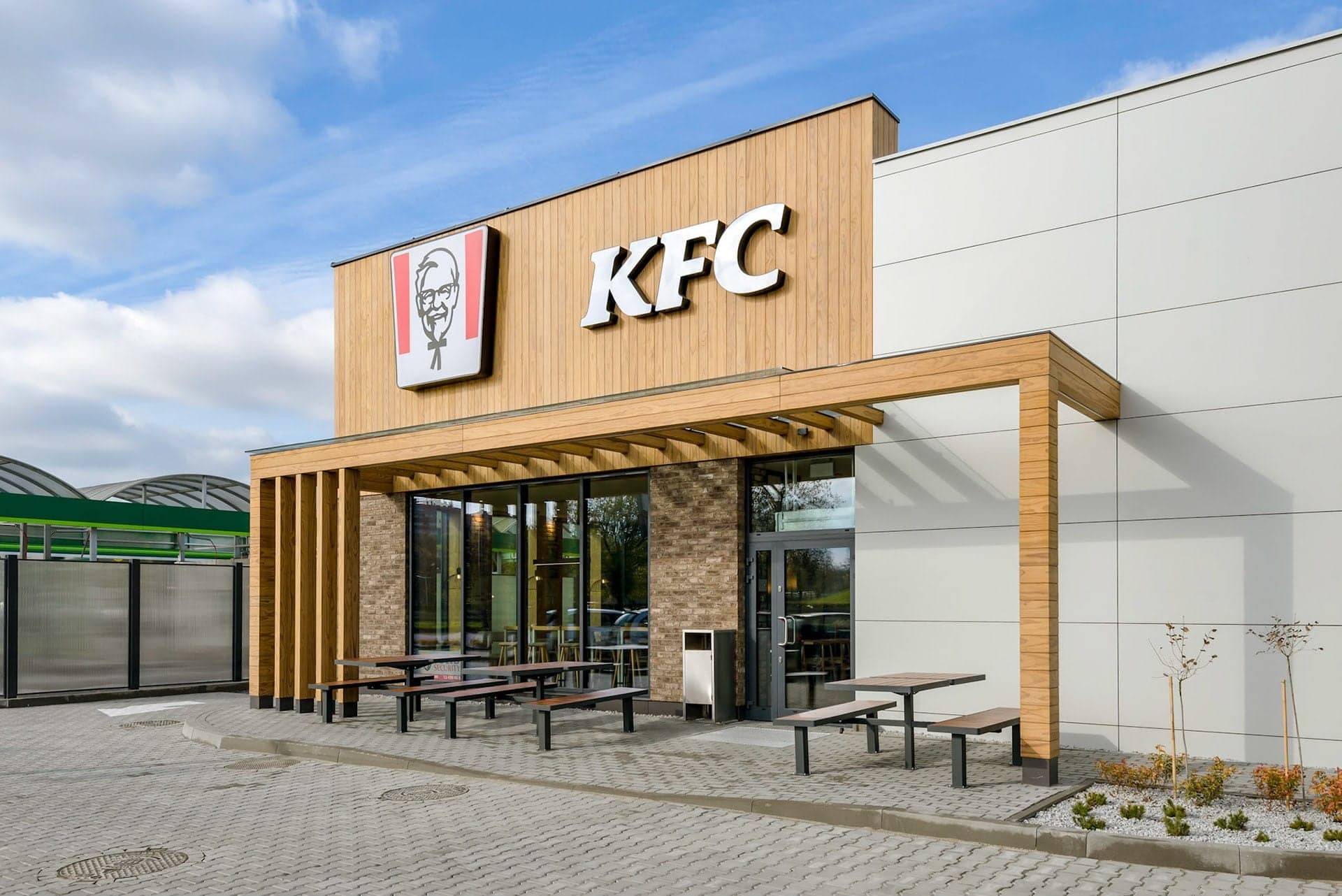
KFC U.S. named Melissa Cash as Chief Marketing Officer, effective "September 16". The move sits squarely inside the chain’s "Kentucky Fried Comeback" plan, a direct answer to a "5%" drop in U.S. same‑store sales in "Q2 2025". Cash will report to Catherine Tan‑Gillespie, who stepped up to president on "April 1" after serving as CMO. That reporting line keeps the handoff tight and the brief clear. This is not a cosmetic shuffle. The company is compressing decision cycles and clarifying accountability. Old and new leadership remain connected, which limits drift as the plan accelerates. The message is simple: sharpen execution, stabilize performance, and move fast without breaking the core brand. The tone matches the stakes. The chain wants a comeback that reads as confident, not desperate. Cash arrives with a remit to fuse brand, product, and performance. Tan‑Gillespie’s elevation signals continuity at the top while the new CMO pushes fresh energy through the system. The brand is setting its table. It must serve value that reads as fair, experiences that hold up every visit, and innovation that lands with customers. Analysis: The sequencing, presidency on "April 1", CMO on "September 16", pairs continuity with urgency. The explicit tie to the "Kentucky Fried Comeback" frames the hire as an operational lever, not a press release.
KFC calls this a critical juncture for a reason. In "Q2 2025", U.S. same‑store sales fell "5%". CEO David Gibbs pointed to three issues: value perception got fuzzy, customer experience lacked consistency, and innovation missed the mark. Those hits show on the scoreboard. They also define the fix. The "Kentucky Fried Comeback Plan" targets those exact pain points. It’s a brief in plain terms: restore value clarity, tighten operational execution, and refocus innovation on what guests actually want. The leadership change, Cash stepping into marketing while Tan‑Gillespie steers as president, aims to reduce transition risk. The baton pass happened earlier, so direction stays steady as new tactics roll in. Alignment matters when the category is loud and fast. The brand can’t afford mixed signals in the window, on the app, or in the ads. A clean chain of command raises the odds that insight turns into action without lag. The company’s language signals a reset built on connected marketing and upgraded operations. Analysis: The causes of the decline double as the operating agenda. Continuity at the top is designed to speed the reset while avoiding the churn that can follow a leadership swap.
Cash’s remit covers brand strategy, food innovation, integrated marketing, media and communications, consumer insights and analytics, and e‑commerce marketing. One owner, many levers. That structure signals a move away from silos and toward a single narrative from the kitchen to the homepage. By consolidating these functions, KFC expects faster decisions and deeper accountability. When analytics sit next to media, and media sits next to product, the feedback loop tightens. Creative can shift when the data calls for it. Offers can flex to what guests signal in real time. The company describes a “disciplined, performance‑oriented marketing push” tuned for a "comeback era." The goal is clear. Rebuild resonance, then make it measurable. Value must be easy to understand. Messaging must connect with what shows up in the box. If product and promise align, behavior follows. That’s how you reverse a "5%" slide. Analysis: Housing analytics and e‑commerce alongside brand and product raises the chance that insights become actions guests notice. It also squarely addresses earlier misfires in value perception and experience.
In parallel, KFC named Francis "Rico" Arrastia as Chief Digital & Technology Officer, effective "September 9". He reports to KFC Global CDTO Judd Knight and to Tan‑Gillespie. He brings "27" years of experience, including platform leadership at Levi Strauss & Co. and Walmart Global eCommerce. The brief: modernize discovery, ordering, engagement, personalization, and performance analytics. This is the other half of the system. Cash’s team tells the story and shapes the offer. Arrastia’s team removes friction and learns from behavior. Find the brand faster. Order with fewer taps. Get a deal that feels tailored. Then measure what sticks, and iterate. Paired correctly, storytelling fuels demand while technology converts it. That interplay is where lag gets trimmed and waste gets cut. In a comeback window, there is no time for long loops between signal and response. Analysis: The dual appointments create an end‑to‑end path from awareness to conversion. Reporting lines into Tan‑Gillespie keep brand and technology decisions coordinated at the top.
The operating changes arrive alongside a creative reset. The “Kentucky Fried Comeback” campaign puts the Colonel back at the center with a more serious tone. It also pushes value-forward offers, including a "free eight‑piece meal with a $15 purchase". Not subtle. That’s the point, value perception must be visible to land. Early signals are encouraging. The campaign has reportedly driven record‑breaking app signups and digital transactions. Those are signs that the message is not just heard; it’s prompting action. As Arrastia’s personalization and analytics ramp, those data streams can refine which offers hit, which channels convert, and which messages deserve more media. Now the challenge is durability. App momentum is a leading indicator, not a final grade. To move store‑level comps, the brand must keep the value story fresh while operational execution holds tight across dayparts and markets. Analysis: Early digital traction suggests the repositioned voice and value cues are resonating. The next move is translating that energy into sales trends that erase the "5%" decline.
The fight around fried chicken is fierce. KFC’s "5%" same‑store slide left it trailing newer challengers like Raising Cane’s and Wingstop and contributed to a fall from "No. 3" to "No. 5" chicken chain by U.S. sales. The category is called a "fried chicken war" for good reason. Taco Bell is intensifying its poultry lineup, and burger chains are muscling into the space. That noise raises the bar for clarity and value. Offers must compete not only with similar items, but with entirely different brands shouting for the same dollars. In that context, Cash’s background matters. She brings more than two decades of brand‑building experience across quick‑service restaurants, consumer packaged goods, and financial services, including SVP and Chief Brand Officer at Wingstop, and roles at Wendy’s and Chase. Her Wingstop tenure ended shortly after that chain saw its first sales decline since "Q2 2022". Exposure to a stumble at a high‑flying rival can sharpen instincts about what to fix first. The competitive takeaway is blunt: attention is fragmented, the value bar moves quickly, and loyalty is a moving target. The strategy must account for all three. Analysis: The rise of rivals and KFC’s ranking slide underscore why a connected plan is necessary. Cash’s recent experience with a competitor’s down quarter may inform pragmatic choices on value, innovation, and digital engagement.
The new structure goes live fast. Arrastia starts "September 9". Cash starts "September 16". Tan‑Gillespie’s promotion on "April 1" anchors strategy as their teams plug in. Reporting lines put Cash directly under Tan‑Gillespie, and Arrastia under both Judd Knight and Tan‑Gillespie. That layout defines clear nodes for brand, digital, and technology choices. The intended outcome is a full‑funnel system. Discovery, creative, value offers, and conversion should line up in sequence. When they do, the brand expects improved loyalty and, ultimately, a reversal of the "5%" same‑store slide identified in "Q2 2025". The pieces are designed to click together: a message that earns attention, an offer that feels right, and a path to purchase with minimal friction. Execution decides if the system holds. The lines on the org chart are clean. The numbers will tell if the actions are, too. Analysis: The explicit dates and reporting map show a rapid setup for coordinated action. Full‑funnel orchestration is the bet to translate strategy into traffic and checks.
Not every card is on the table. The company has not disclosed specific budgets, detailed product pipelines, or quantifiable contributions of the "Kentucky Fried Comeback" to comp trends beyond record digital engagement. The baseline is shifting as chicken‑focused and non‑traditional players escalate the fight in a "fried chicken war". Those variables set the stakes for the next phase. The assignment is to convert early digital momentum into sustained sales and experience improvements that address the causes leadership named. That means value cues that stay crisp, operations that feel consistent, and innovation that reflects what guests actually want. The plan gives KFC the levers. Discipline will determine the outcome. Lesson: A comeback is built on clarity and repetition. Say what you stand for, price it to feel fair, deliver it the same way every time, and use the data to keep your aim true. Short lines, fast decisions, tight execution. Analysis: The tools are in place, integrated marketing under Cash and technology upgrades under Arrastia. The proof will come in subsequent quarters if comps recover and experience metrics stabilize.