
8 Steps in the Restaurant Payroll Process
Learn the eight essential steps of the restaurant payroll process, from tracking hours and calculating wages to payments and recordkeeping.
Payroll
Aug 17, 2026
Learn the eight essential steps of the restaurant payroll process, from tracking hours and calculating wages to payments and recordkeeping.
Aug 17, 2026
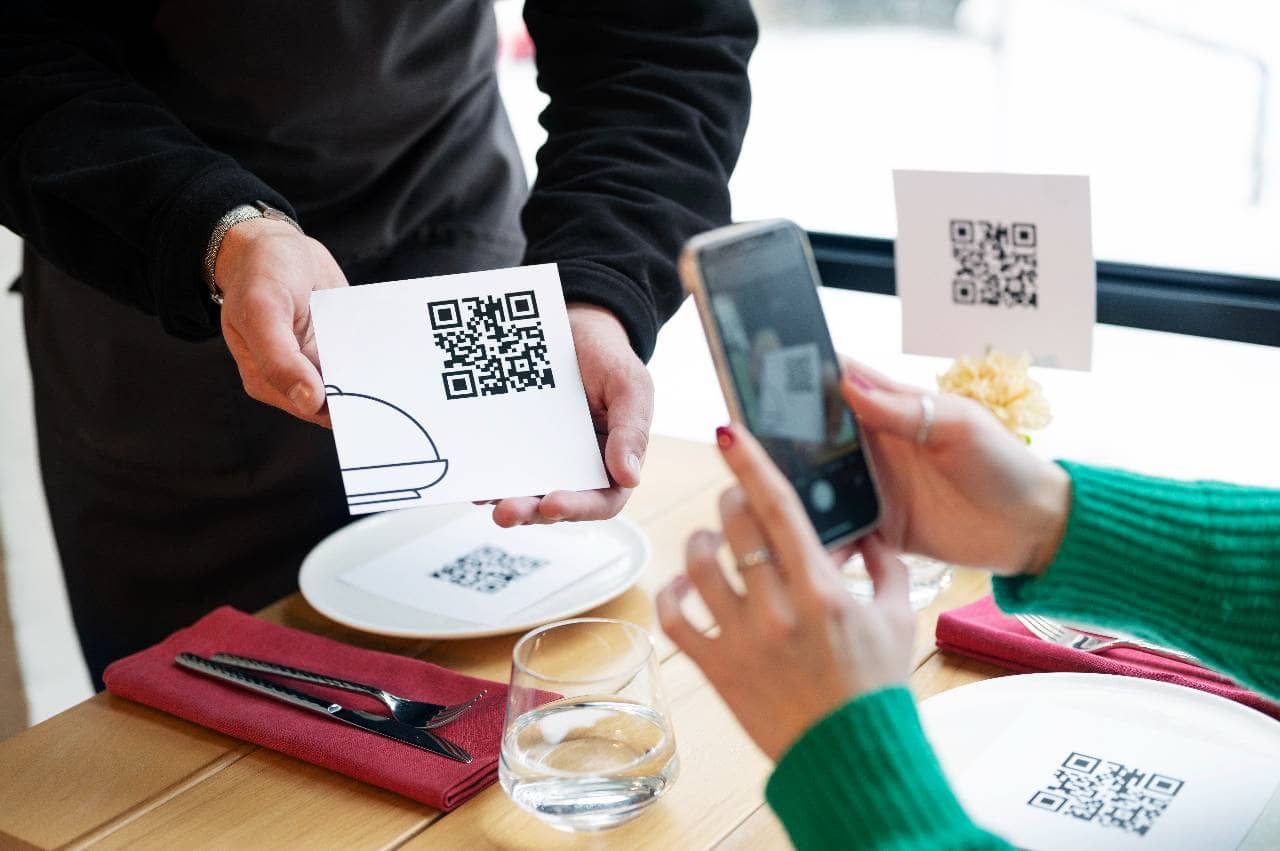
Explore the main types of ordering technology restaurants use to improve accuracy, speed, payments, customer convenience, and operational efficiency daily.
Aug 17, 2026
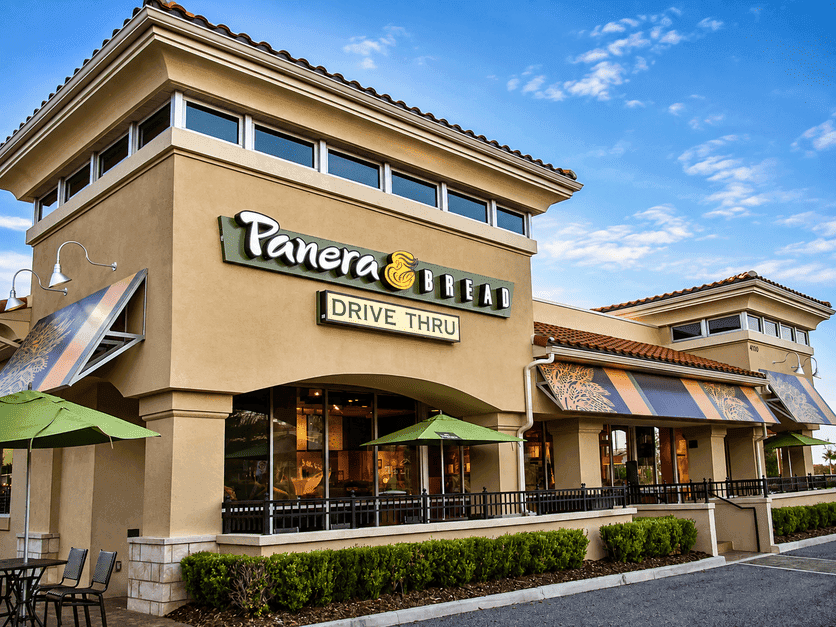
Panera Bread welcomes Andrew Rebhun as its new CMO to spearhead strategic brand growth and transformation, bolstering its vision for 2028.
Aug 17, 2026

Discover how restaurant SMS marketing works, from building subscriber lists and creating campaigns to improving engagement and measuring marketing performance.
Aug 14, 2026
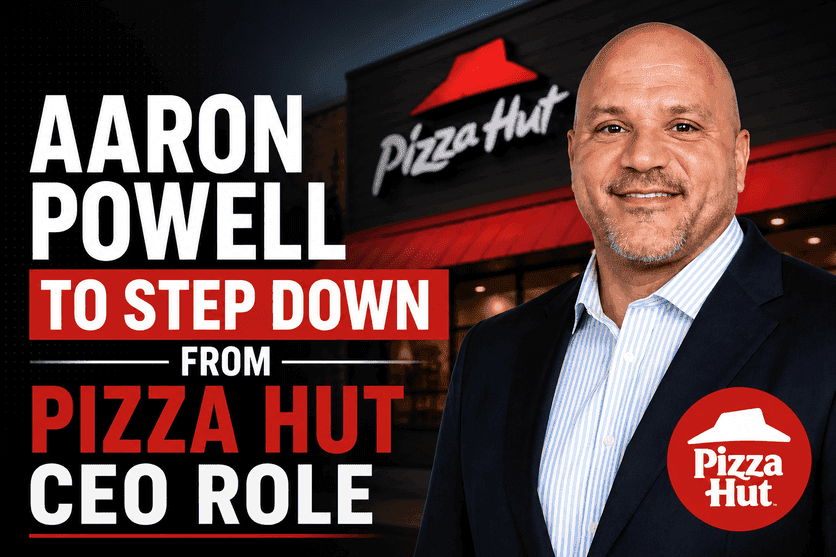
The transition of Pizza Hut's CEO, Aaron Powell, marks a pivotal moment for the chain and offers valuable leadership lessons for restaurant owners. Here’s what this executive change could mean for your business.
Aug 17, 2026

Learn how to manage cash flow in your restaurant by tracking finances, controlling costs, forecasting needs, and building cash reserves.
Aug 14, 2026
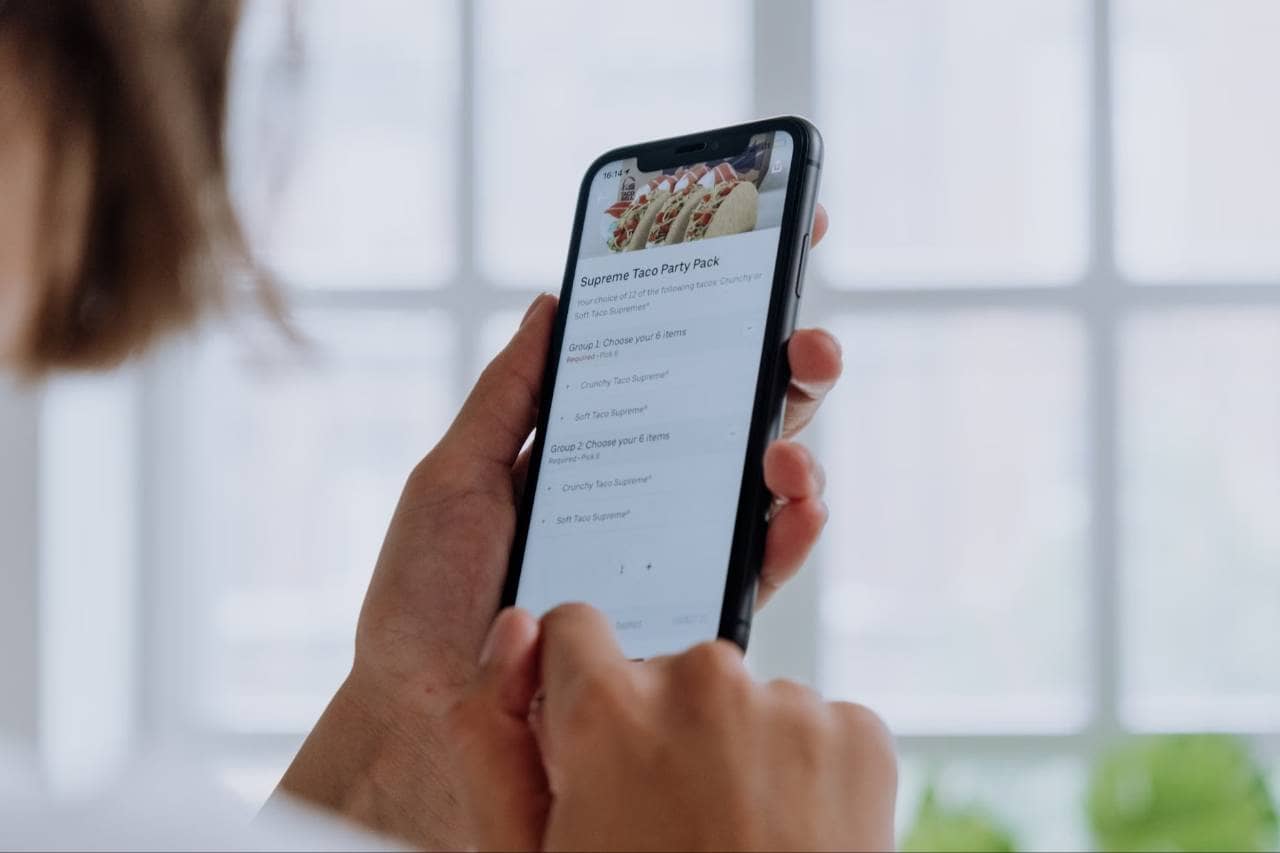
Increase online orders by simplifying checkout, optimizing menus, improving Google visibility, promoting ordering channels, and encouraging customers to order again.
Aug 12, 2026
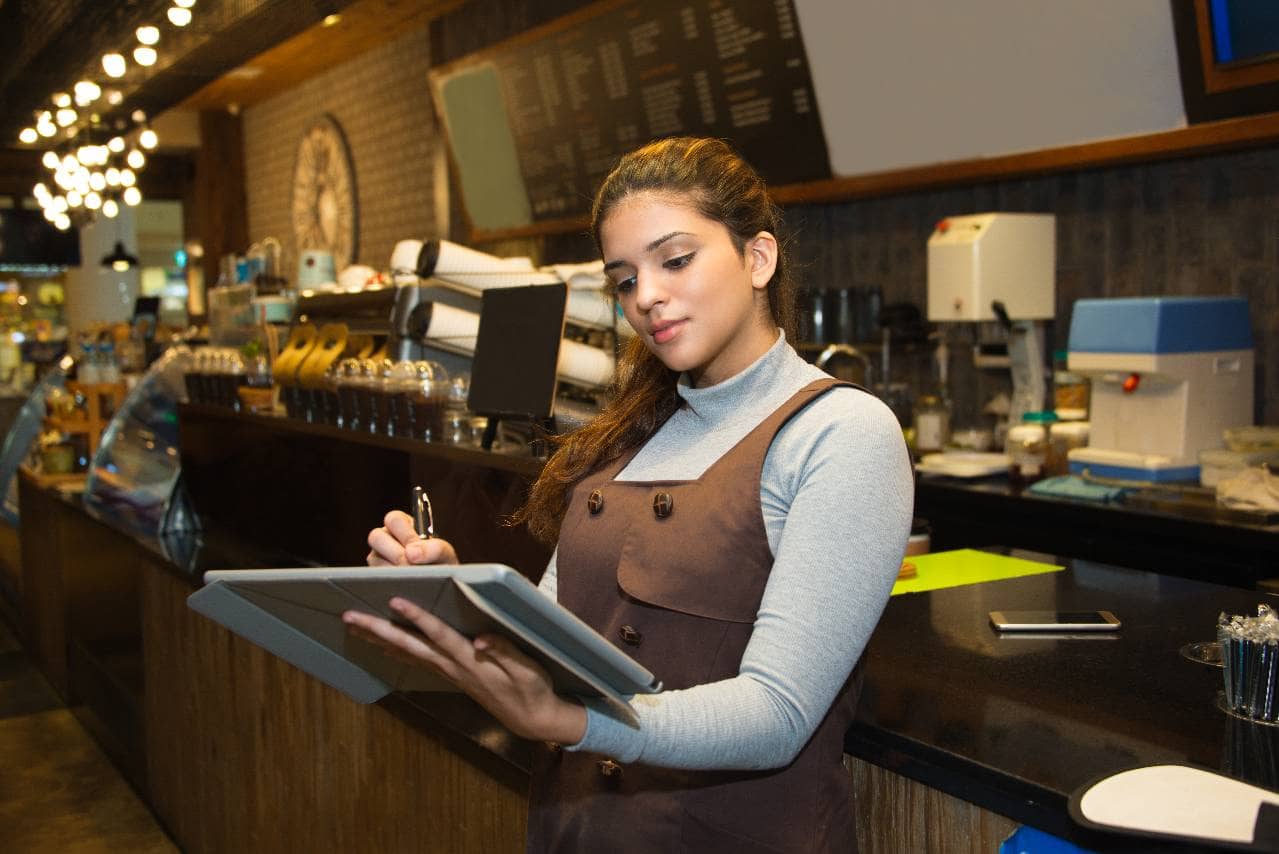
Streamline restaurant back office operations by standardizing workflows, automating repetitive tasks, integrating systems, centralizing data, and improving accountability and efficiency.
Aug 12, 2026
Freddy’s Frozen Custard & Steakburgers promotes Rick Petralia to Executive Chef & VP of Training & Innovation, signaling a strategic focus on culinary excellence and franchisee support.
Aug 12, 2026
McDonald’s USA has appointed Patrick Gerber as chief restaurant officer, leveraging his decades of global experience to boost operations, food quality, and customer satisfaction in the U.S. market.
Aug 11, 2026

Unlock Exclusive Access To Webinars, Events, And The Latest News For Free!
Discover why Kroger is closing two of its Kitchen 1883 restaurants and the impact on the food industry.

Photo by Rithika Gopal

Photo by Rithika Gopal
Kroger's move to close two out of its three Kitchen 1883 restaurants has been a significant development in the food industry. The Kitchen 1883 concept was launched in 2017 with a focus on American comfort food and quality service. The decision to shut down the locations in Union, Kentucky, and Anderson Township, Ohio, came as a surprise to many, especially considering the popularity of these establishments within their communities.

Photo by Rithika Gopal
The Kroger spokesperson expressed gratitude for the support and loyalty of the community over the years. This acknowledgment highlights the deep connection these restaurants had with their patrons and the impact of their closure on loyal customers. The decision to close the two locations was described as a difficult one, indicating the emotional weight of such choices on both the company and its stakeholders.

Photo by Rithika Gopal
The evolution of Kitchen 1883 from its inception to the recent closures sheds light on the changing landscape of the food industry. Kroger's efforts to enhance customer experience through its restaurants reflect broader trends in the sector where grocery chains are diversifying their offerings to meet evolving consumer preferences. The discontinuation of the two locations while maintaining the third suggests a strategic shift in focus for Kroger.
Photo by Rithika Gopal
The closure of the Kitchen 1883 restaurants raises questions about Kroger's long-term restaurant strategy and its impact on the company's overall portfolio. As one of the largest supermarket chains in the U.S., Kroger's decisions reverberate throughout the food industry. The move to consolidate its restaurant operations may signal a reevaluation of priorities and a reallocation of resources within the organization.
Kroger's decision to trim its restaurant portfolio comes at a time when other grocery chains are expanding their culinary offerings. The mention of Wegmans and its upscale sushi restaurant concept, Next Door, provides context for industry dynamics where companies are experimenting with different restaurant models to enhance customer engagement. Understanding these competitor movements is crucial for Kroger in remaining competitive in the evolving food landscape.