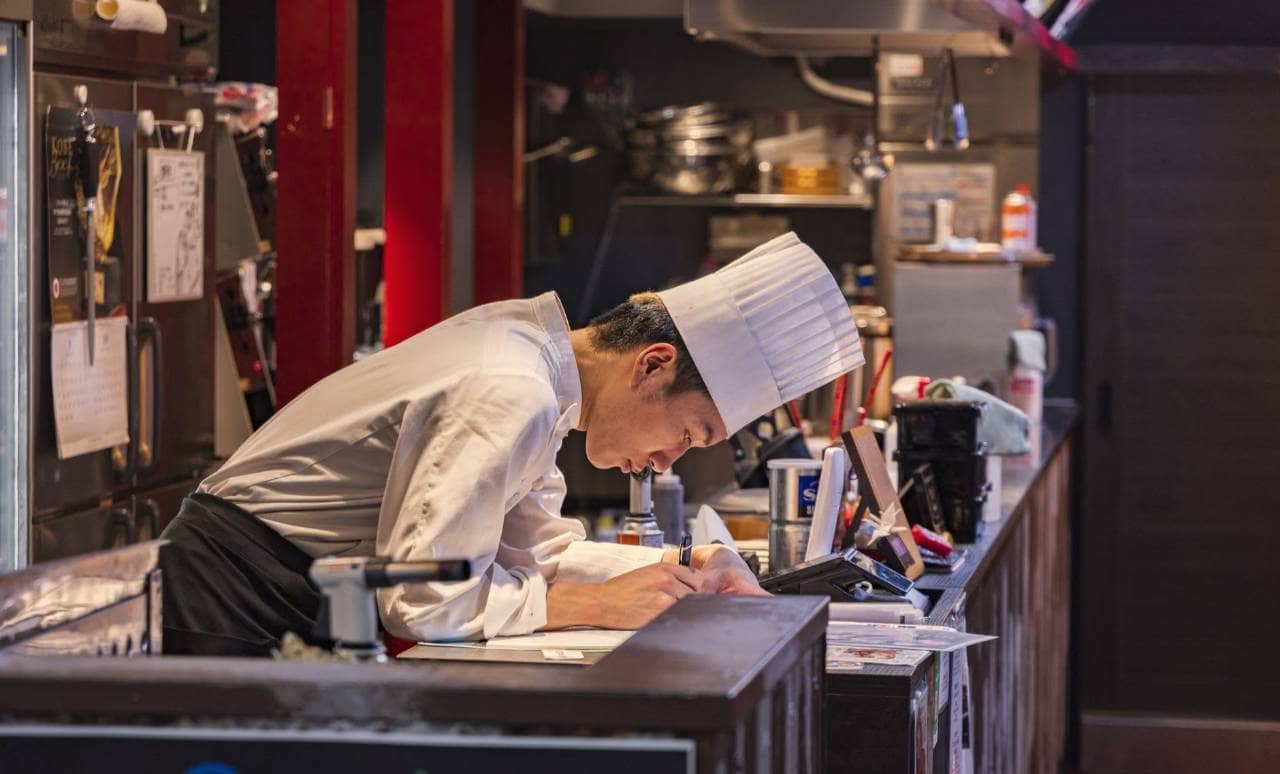
How to Calculate Cost of Goods Sold for a Restaurant
Learn how to calculate restaurant cost of goods using inventory, purchases, COGS percentage, variance reviews, and regular tracking for profitability.
Accounting
Aug 31, 2026
Learn how to calculate restaurant cost of goods using inventory, purchases, COGS percentage, variance reviews, and regular tracking for profitability.
Aug 31, 2026
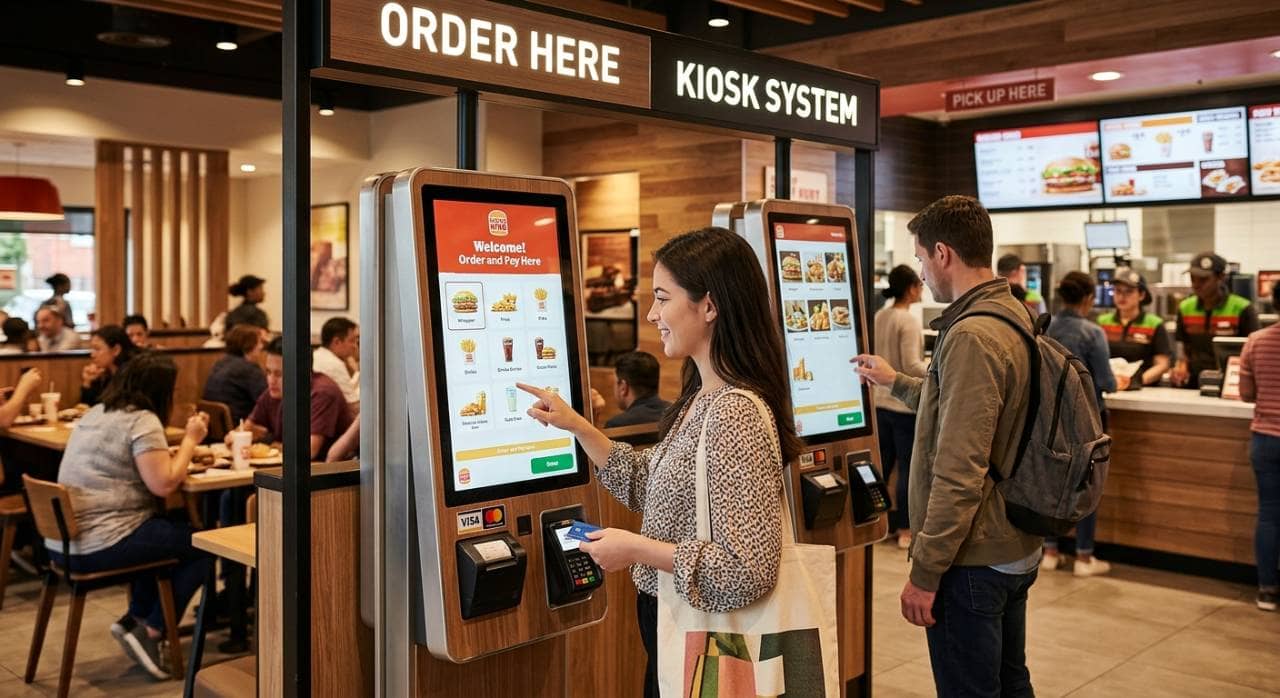
Understand how to evaluate a Kiosk system using key criteria including features, POS integration, hardware, pricing, customer experience, and support.
Aug 31, 2026

Explore restaurant technology trends in 2026, including AI, automation, digital ordering, workforce tools, connected kitchens, personalization, and profitability strategies today.
Aug 28, 2026
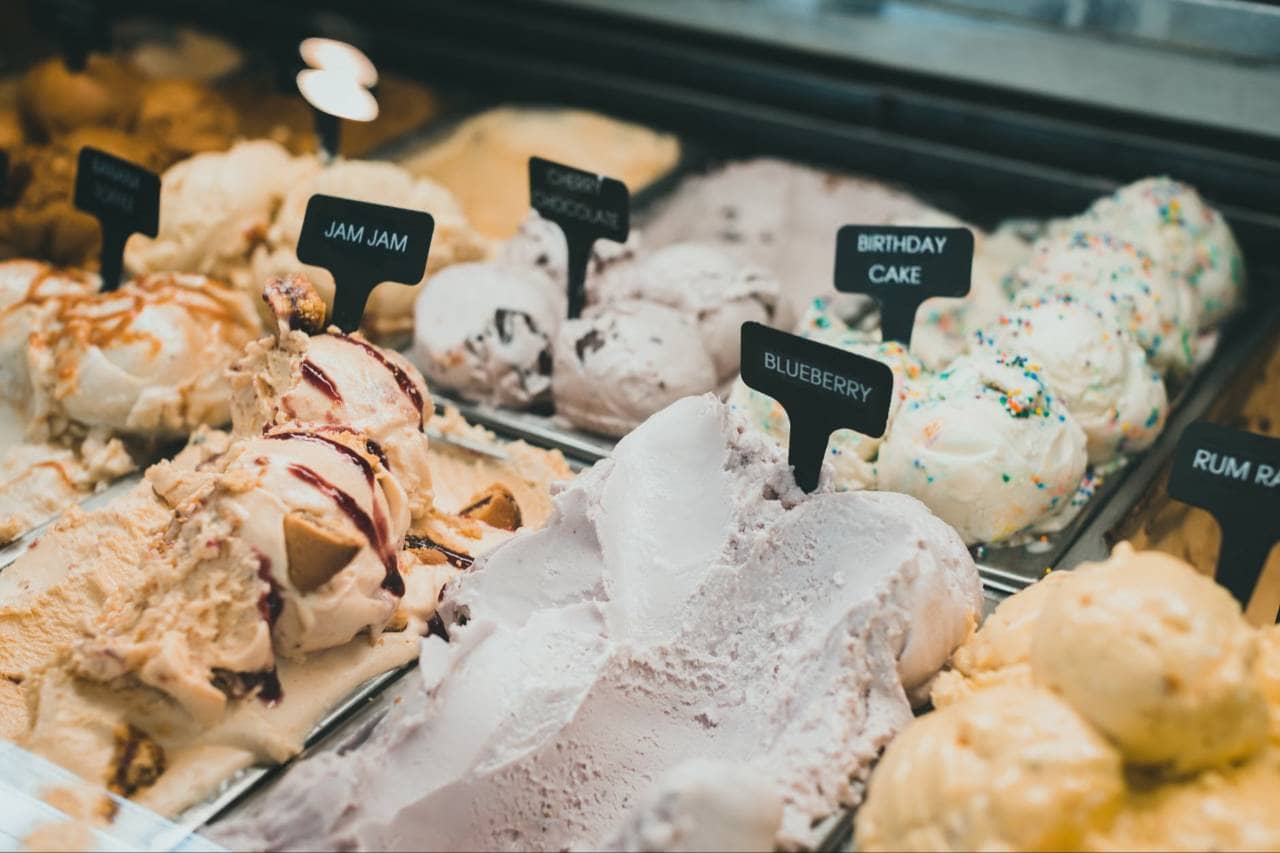
Learn the startup costs of opening an ice cream shop, including rent, equipment, renovations, permits, inventory, labor, marketing, and reserves.
Aug 28, 2026

A restaurant P&L statement reveals sales, expenses, and profits, helping owners manage costs, improve margins, and plan finances more effectively.
Aug 26, 2026
RaceTrac has appointed Jill Pemberton as chief financial officer, succeeding Karla Ahlert, who moves into the newly created role of chief administrative officer.
Aug 26, 2026
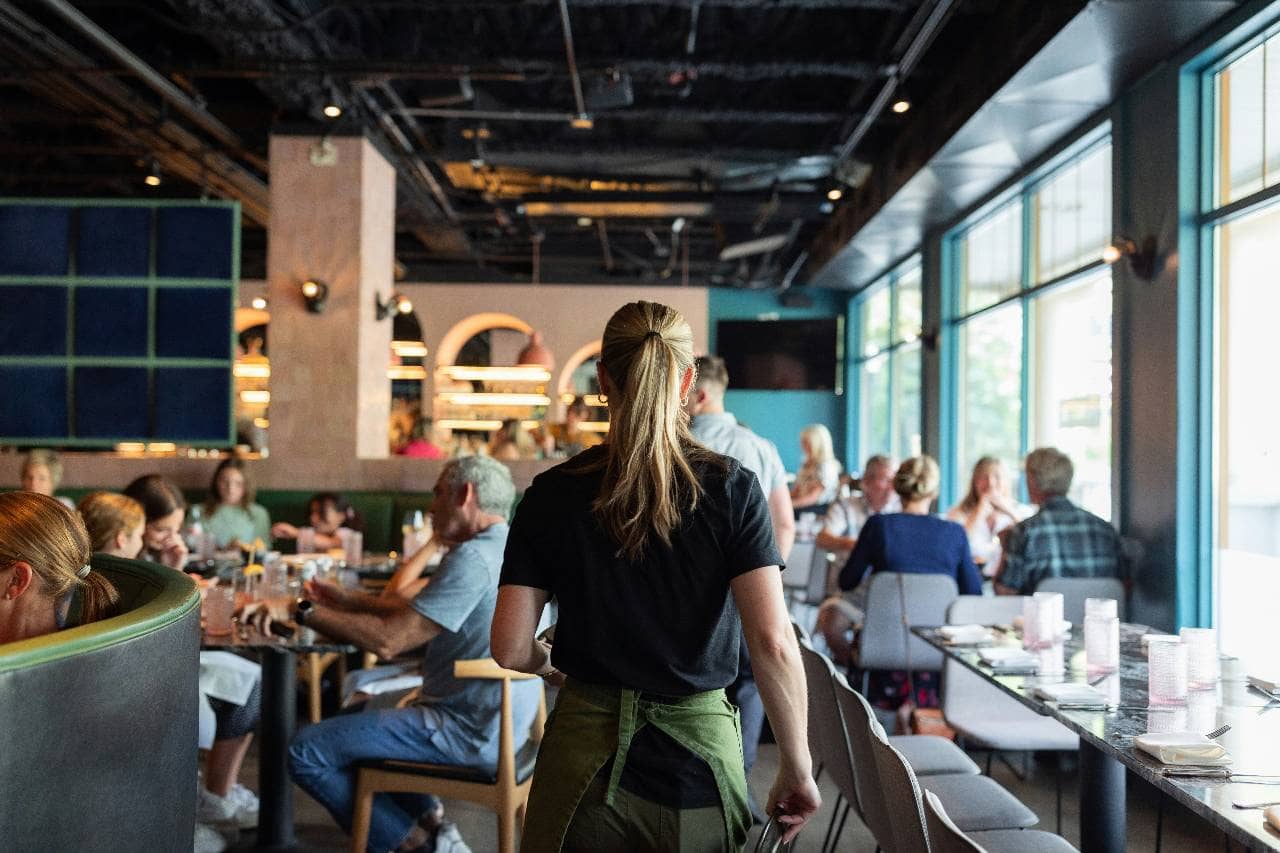
Learn practical ways to reduce labour costs through smarter scheduling, forecasting, productivity, cross-training, automation, overtime control, and performance monitoring strategies.
Aug 26, 2026

Create a practical restaurant marketing plan by setting goals, targeting customers, choosing channels, budgeting wisely, scheduling campaigns, and measuring results.
Aug 24, 2026
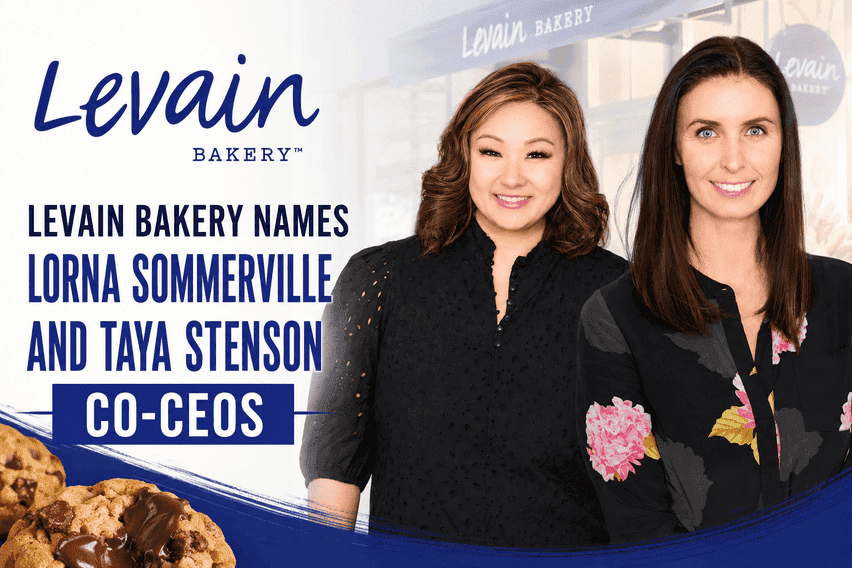
Levain Bakery appoints Lorna Sommerville and Taya Stenson as co-CEOs, blending operational and marketing expertise to power national expansion and innovation while staying rooted in its brand values.
Aug 25, 2026

A payroll advance policy helps restaurant owners define eligibility, limits, repayment, documentation, approval procedures, and compliance requirements for employee advances.
Aug 24, 2026

Unlock Exclusive Access To Webinars, Events, And The Latest News For Free!
Read about the latest update on McDonald’s E. coli outbreak investigation, actions taken, and the impact on public health.
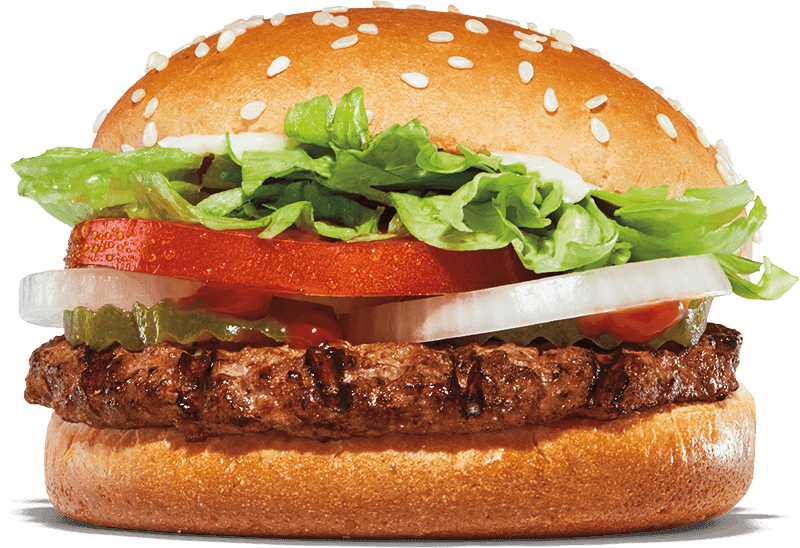
E. coli O157:H7 is a strain of E. coli bacteria known for causing foodborne illness. In the recent McDonald’s outbreak, the source of contamination is believed to be slivered onions supplied by a Taylor Farms facility in Colorado Springs, Colo. This strain of E. coli can lead to symptoms such as severe stomach cramps, diarrhea (often bloody), and vomiting. It is crucial to understand the severity of this pathogen and the impact it can have on public health.
In response to the outbreak, McDonald’s has taken swift actions to address the issue. The company has stopped sourcing onions from the Taylor Farms’ Colorado Springs facility indefinitely. Additionally, Quarter Pounder beef patties, which have been ruled out as a source of contamination, will now be supplied with fresh beef patties in the affected areas. This proactive approach aims to reassure customers and ensure food safety in the impacted regions.
The public health impact of the E. coli outbreak is significant, with more cases expected to be reported as symptoms may take days to appear. Health officials are closely monitoring individuals who visited McDonald’s locations during the outbreak period. The Centers for Disease Control and Prevention highlight the importance of timely identification of cases and confirmations to prevent further spread and ensure appropriate medical care.
The McDonald’s E. coli outbreak serves as a critical reminder of the importance of robust food safety measures and supply chain oversight. Companies must continuously evaluate their suppliers and maintain stringent quality controls to prevent such incidents. Moving forward, the industry is likely to witness increased scrutiny and stricter regulations to safeguard consumer health.