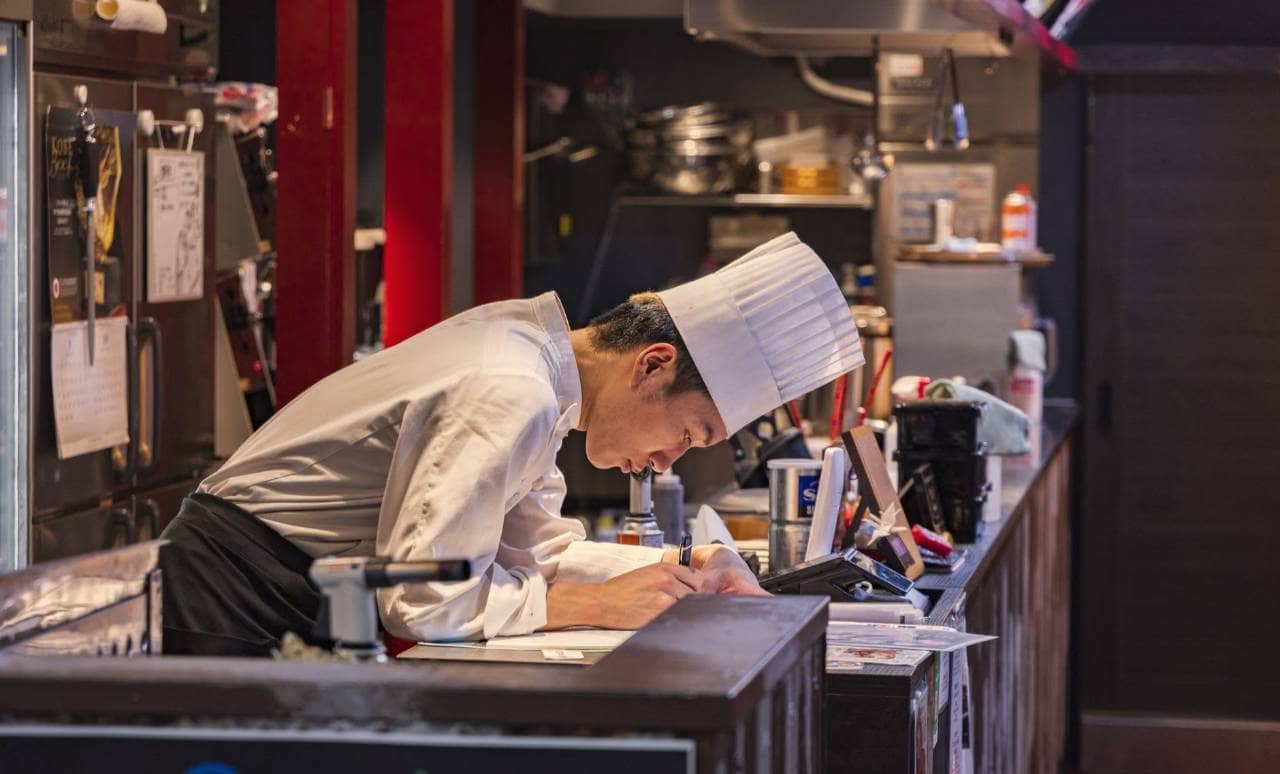
How to Calculate Cost of Goods Sold for a Restaurant
Learn how to calculate restaurant cost of goods using inventory, purchases, COGS percentage, variance reviews, and regular tracking for profitability.
Accounting
Aug 31, 2026
Learn how to calculate restaurant cost of goods using inventory, purchases, COGS percentage, variance reviews, and regular tracking for profitability.
Aug 31, 2026

Explore restaurant technology trends in 2026, including AI, automation, digital ordering, workforce tools, connected kitchens, personalization, and profitability strategies today.
Aug 28, 2026
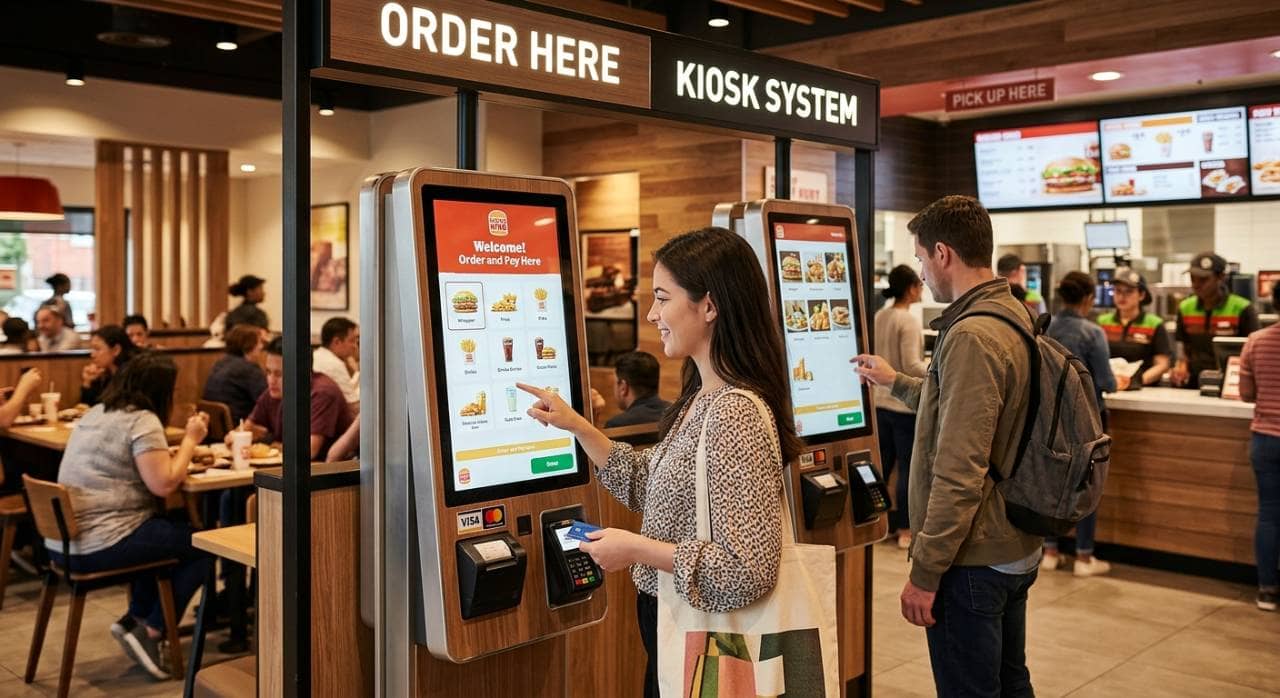
Understand how to evaluate a Kiosk system using key criteria including features, POS integration, hardware, pricing, customer experience, and support.
Aug 31, 2026

Learn the startup costs of opening an ice cream shop, including rent, equipment, renovations, permits, inventory, labor, marketing, and reserves.
Aug 28, 2026
RaceTrac has appointed Jill Pemberton as chief financial officer, succeeding Karla Ahlert, who moves into the newly created role of chief administrative officer.
Aug 26, 2026

A restaurant P&L statement reveals sales, expenses, and profits, helping owners manage costs, improve margins, and plan finances more effectively.
Aug 26, 2026
Learn practical ways to reduce labour costs through smarter scheduling, forecasting, productivity, cross-training, automation, overtime control, and performance monitoring strategies.
Aug 26, 2026

Levain Bakery appoints Lorna Sommerville and Taya Stenson as co-CEOs, blending operational and marketing expertise to power national expansion and innovation while staying rooted in its brand values.
Aug 25, 2026

Create a practical restaurant marketing plan by setting goals, targeting customers, choosing channels, budgeting wisely, scheduling campaigns, and measuring results.
Aug 24, 2026

A payroll advance policy helps restaurant owners define eligibility, limits, repayment, documentation, approval procedures, and compliance requirements for employee advances.
Aug 24, 2026

Unlock Exclusive Access To Webinars, Events, And The Latest News For Free!
Explore the operational challenges faced by Planta and other restaurants post-COVID-19 and the impact on their financial stability.

Photo by Gerard Albanell

Photo by Gerard Albanell
Planta, a restaurant chain that rapidly expanded with 12 locations within three years, exemplified the challenges many dining establishments faced during the COVID-19 era. Despite a remarkable revenue surge from $3.5 million in 2016 to over $46 million in recent years, the company grappled with a shifting cost structure and industry landscape that impacted its profitability.

Photo by Gerard Albanell
Increased labor and food costs coupled with pricing strategies aimed at offsetting rising input expenses became significant hurdles for Planta, affecting consumer foot traffic and bottom-line results. The company's experience highlights the delicate balance needed in managing costs and pricing to sustain profitability in the competitive restaurant sector.
The proliferation of third-party delivery platforms posed additional challenges for Planta and other restaurant brands, altering cost structures and profitability. The reliance on external delivery services reshaped operational dynamics, emphasizing the need for strategic adaptations to optimize efficiency and mitigate financial strain.

Photo by Gerard Albanell
Planta's bankruptcy filing revealed debts ranging from $10 million to $50 million, shedding light on the financial strain faced by the company. The reliance on convertible notes and negotiations with landlords underscored the challenging financial environment post-COVID-19, where securing capital and managing liabilities became pivotal for operational sustainability.
The narrative of Planta echoes a broader trend in the restaurant industry post-pandemic, where economic shifts led to bankruptcies across various dining segments. From large franchise operations to niche dining concepts, operational challenges such as altered cost structures and external influences like third-party delivery fees have emerged as common themes shaping the industry landscape.

Photo by Gerard Albanell
The experiences of Planta and other restaurant brands offer valuable insights for industry players looking to enhance operational resilience in turbulent times. Adapting cost structures, leveraging technology to optimize delivery operations, and adopting agile financial strategies can help restaurants navigate uncertainties and build a sustainable operational framework in a dynamic market environment.