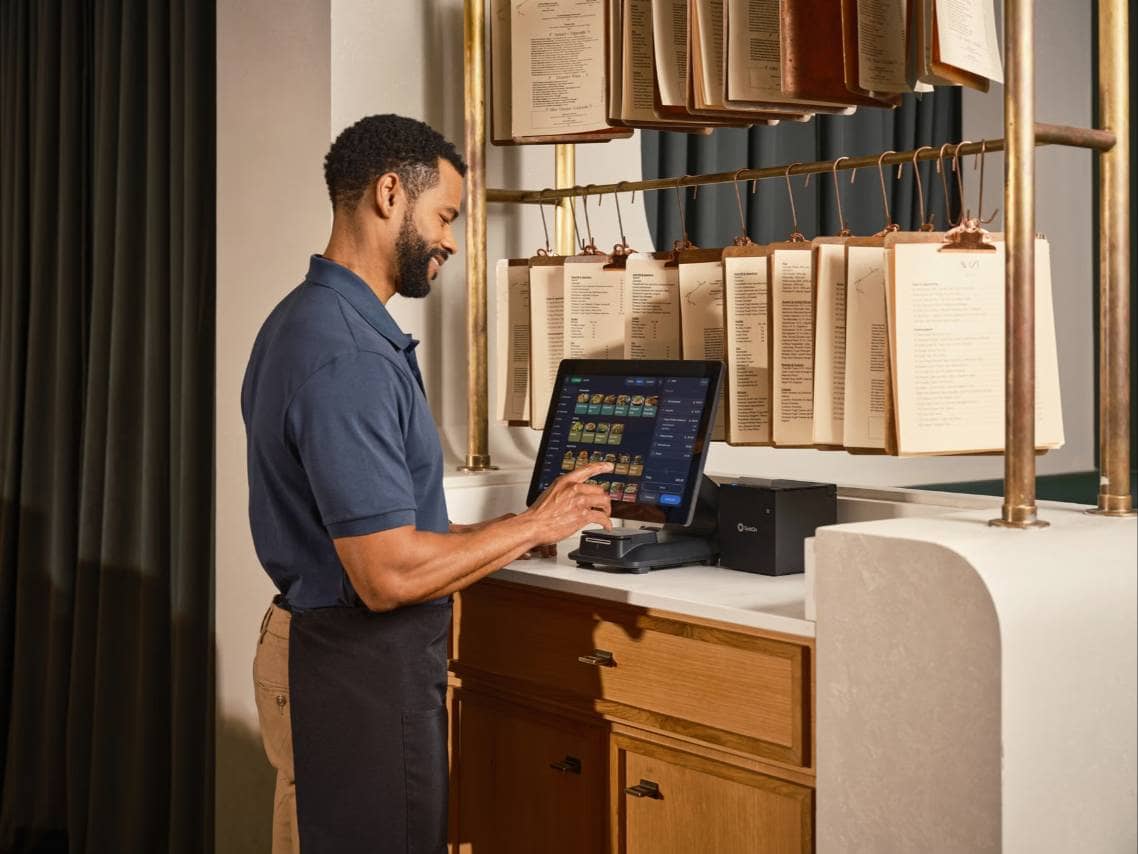
10 Must-Have Restaurant Technology Tools
Discover ten essential technology tools that help restaurant owners streamline operations, control costs, improve accuracy, and support better daily decisions.
Technology
Jul 31, 2026
Discover ten essential technology tools that help restaurant owners streamline operations, control costs, improve accuracy, and support better daily decisions.
Jul 31, 2026
Jersey Mike’s $1 billion IPO highlights big ambitions in franchising and international expansion, although shares dipped on debut. Restaurant owners take note - here’s what the move means for growth strategies ahead.
Jul 31, 2026
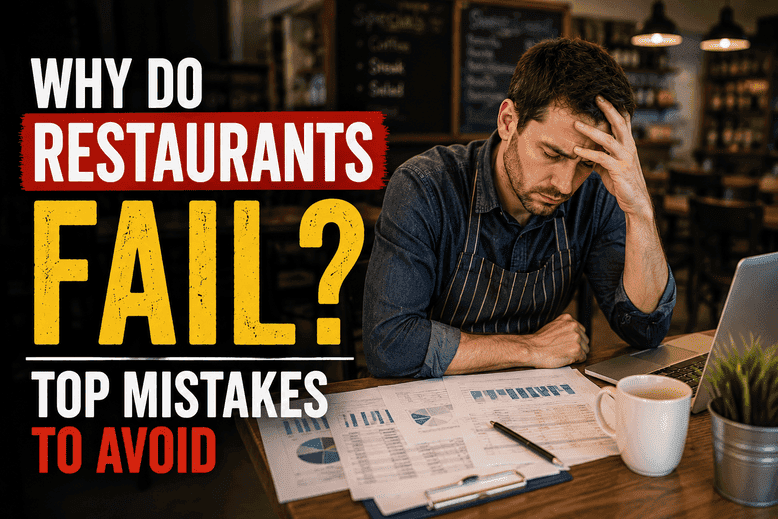
Every restaurant owner knows the industry is challenging, but failure is rarely caused by a single issue. From labor management and food costs to cash flow and technology decisions, here's what separates struggling restaurants from successful ones.
Jul 31, 2026
Discover how Chipotle’s Recipe for Growth is driving record sales, operational excellence, and digital innovation - insights for every restaurant leader.
Jul 30, 2026
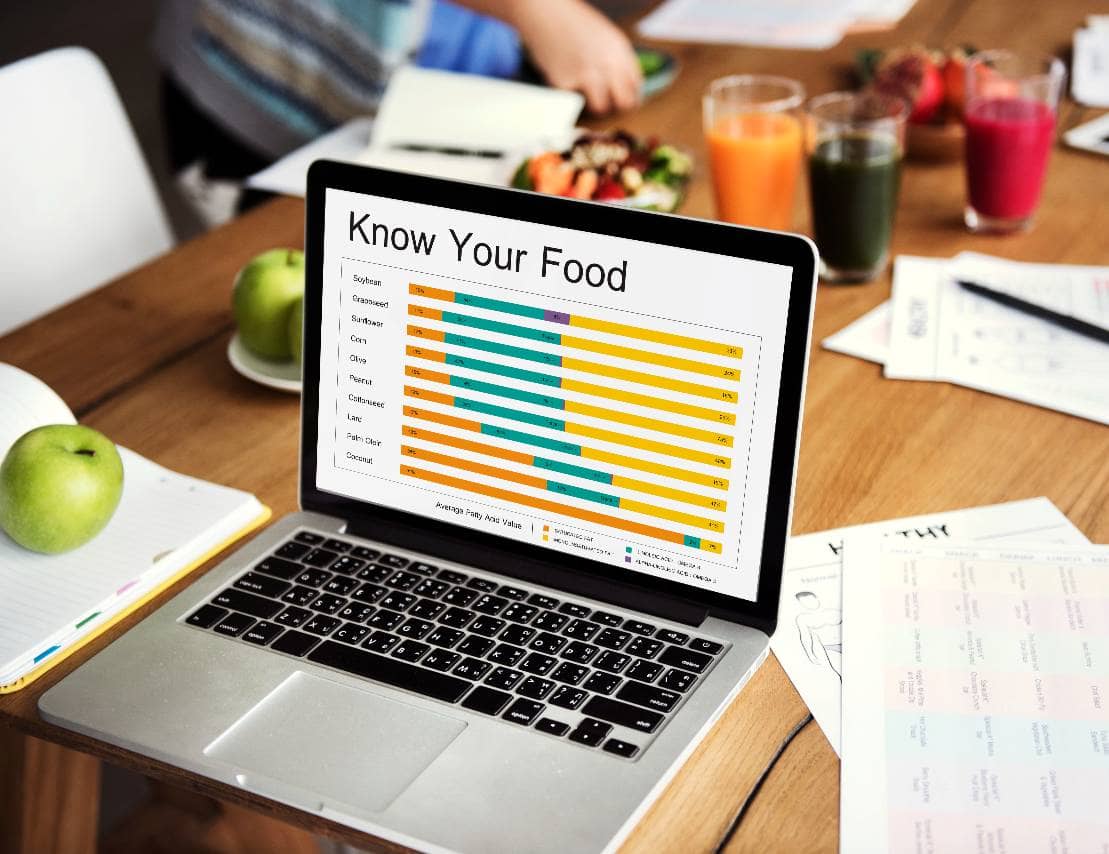
Learn food cost management strategies to control inventory, reduce waste, improve purchasing, standardize portions, optimize pricing, and protect restaurant profits.
Jul 29, 2026

Grow your restaurant's email marketing list using websites, QR codes, loyalty programs, social media, incentives, events, and customer signups effectively.
Jul 29, 2026
DoorDash is changing how it calculates delivery and service fees, with longer-distance orders likely to cost more and shorter, larger orders set to stay the same or decrease.
Jul 29, 2026

Whataburger welcomes financial veteran Ryan Moore as its new CFO, signaling a strategic focus on national expansion and sustainable growth for the iconic brand.
Jul 29, 2026
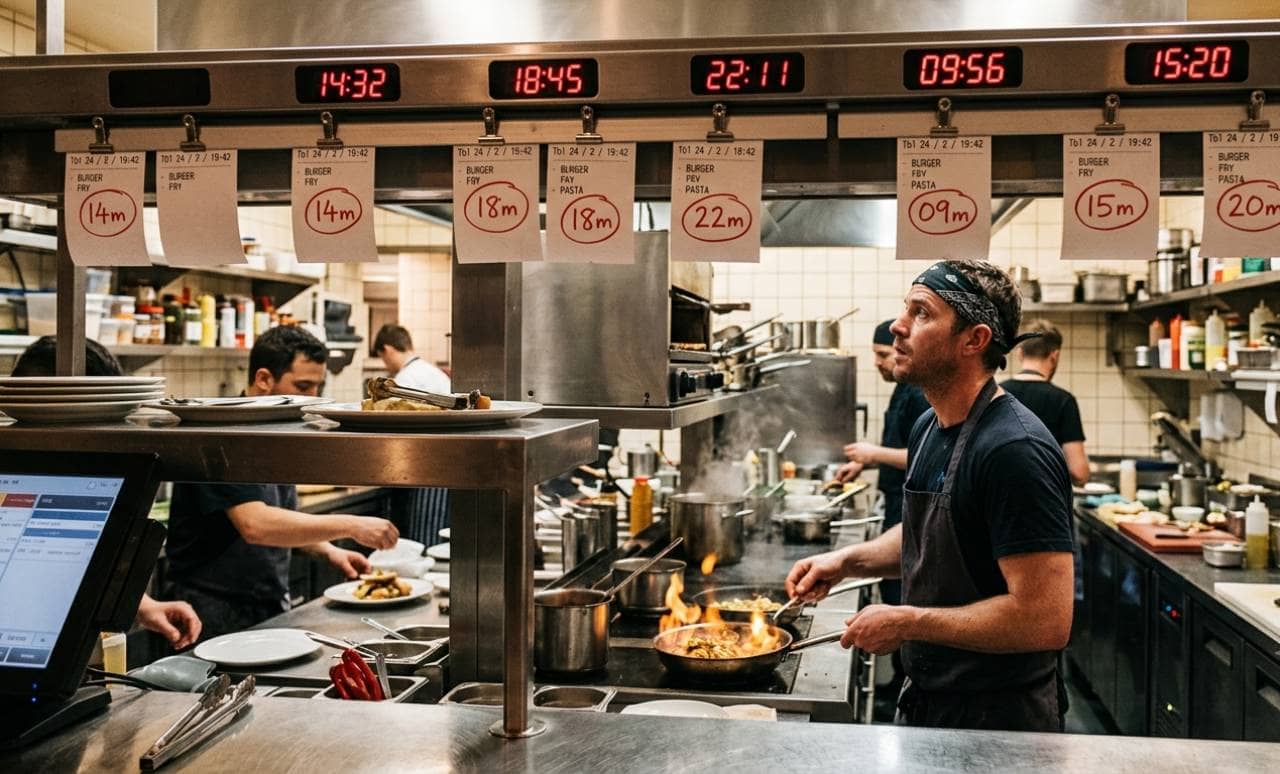
Improve kitchen ticket times with practical strategies for better preparation, smoother workflows, stronger communication, smarter staffing, and effective restaurant technology.
Jul 27, 2026
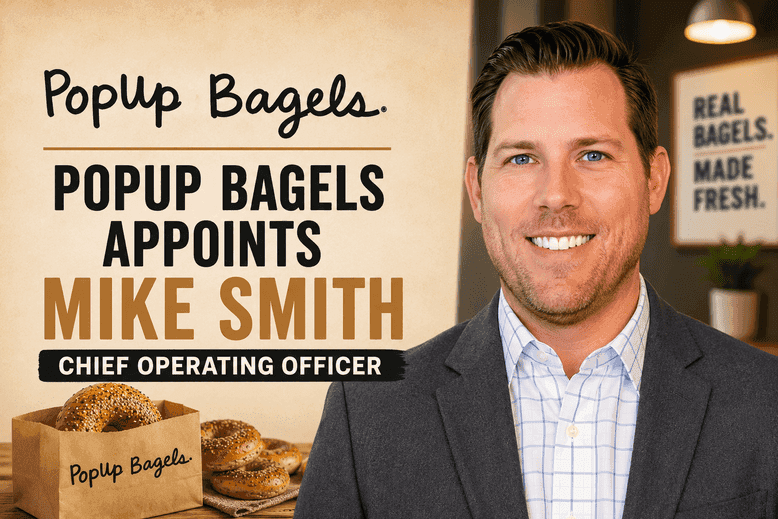
PopUp Bagels welcomes industry veteran Mike Smith as Chief Operating Officer to lead their next phase of growth, putting quality and guest experience at the forefront.
Jul 28, 2026
The evolving restaurant operations landscape in 2025, including insights from top industry experts on finance, mergers and acquisitions, investment strategies, and technology solutions.


Industry experts predict a surge in mergers and acquisitions activity in 2025, following a relatively quiet 2024. The stabilization of banking environments and the clearing of highly leveraged transactions from the previous year have set the stage for more investment opportunities. As the industry recovers, there is a growing appetite for high-quality assets, leading to a focus on 'good' exits rather than solely 'optimal' exits.
2025 is expected to see not only an increase in M&A deals but also a rise in initial public offerings (IPOs) in the restaurant sector. With several brands eyeing public offerings and strategic M&A deals, industry players are gearing up for a year of significant activity. Factors like ongoing disruption and market volatility are driving a shift towards strategic moves within the industry.
Despite the positive outlook, uncertainties surrounding the economy and potential policy changes may impact the flow of capital in 2025. Experts emphasize the need for caution and strategic planning in the face of evolving economic conditions. The industry is still cautious about spending and remains focused on cost-saving measures and capital efficiency.
Industry veterans stress the importance of operational excellence and efficiency in navigating the evolving landscape. Focusing on unit economics, enhancing operational processes, and implementing technology solutions are key priorities for restaurants looking to thrive in 2025. The emphasis is on moving from 'struggling' to 'great' by optimizing operations and exploring new sales channels.
In an era of increasing competition and changing consumer preferences, technology plays a vital role in driving growth and enhancing customer experiences. From AI-driven solutions for customer engagement to streamlining operations through inventory management systems and automated reservations platforms, investing in technology is crucial for staying competitive and meeting evolving consumer demands.
As consumers demand more value and quality, operators must focus on execution, service excellence, and maintaining competitive pricing strategies. Adapting to the new normal requires restaurants to innovate, test new concepts, and enhance their offerings to meet shifting consumer expectations while balancing margins and operational efficiencies.