Restaurant Operating Procedures Checklist
Clear operating procedures help restaurants manage opening, closing, food preparation, sanitation, guest service, inventory, staffing, and routine operational reviews effectively.
Aug 21, 2026
Clear operating procedures help restaurants manage opening, closing, food preparation, sanitation, guest service, inventory, staffing, and routine operational reviews effectively.
Aug 21, 2026
Learn how to build a restaurant back office software stack that improves efficiency, integrations, reporting, cost control, and scalability overall.
Aug 21, 2026
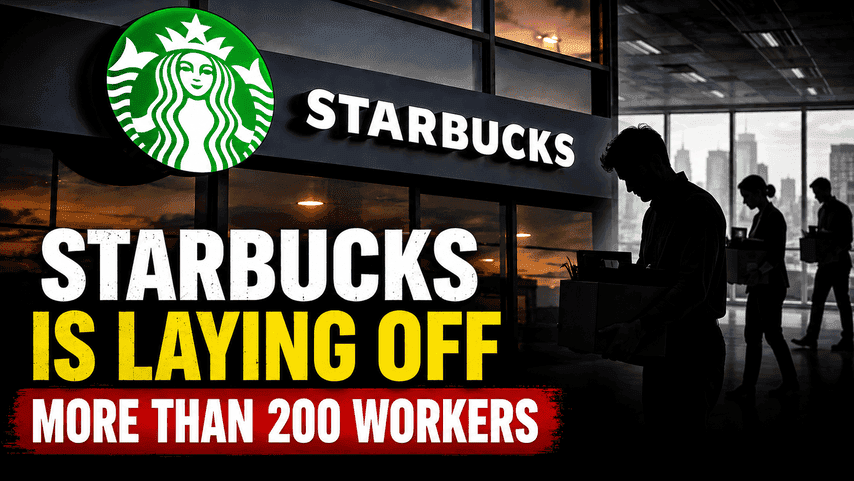
Starbucks is making strategic staffing changes, laying off 200+ workers as it restructures operations and prepares for future growth in southern and eastern regions.
Aug 21, 2026
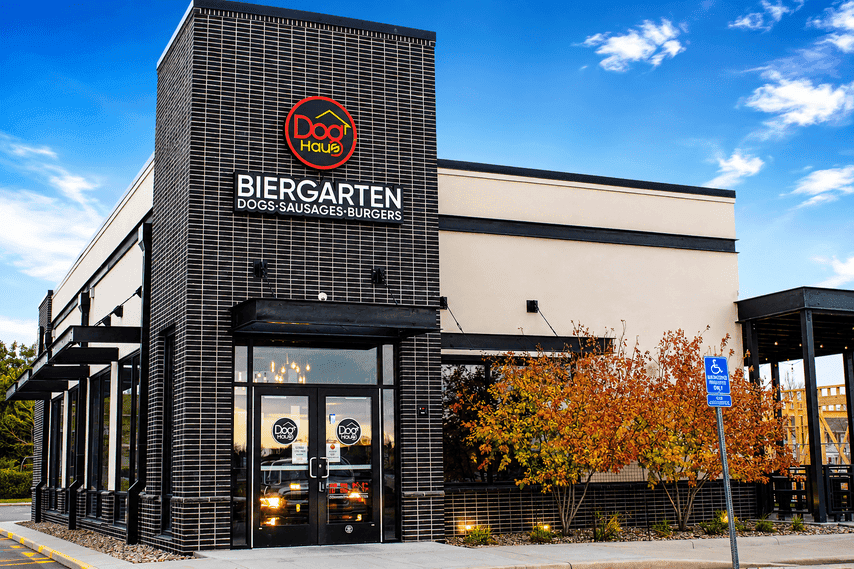
Dog Haus appoints James Field as chief marketing officer and promotes CJ Ramirez to chief experience officer, setting the stage for innovative brand growth and franchisee success in the national restaurant scene.
Aug 21, 2026
Learn how to open a restaurant with no experience by planning your concept, budget, location, team, operations, and successful launch.
Aug 19, 2026
Payroll advances help restaurant owners give hourly employees earlier access to earned wages while maintaining accurate records, policies, and compliance.
Aug 19, 2026
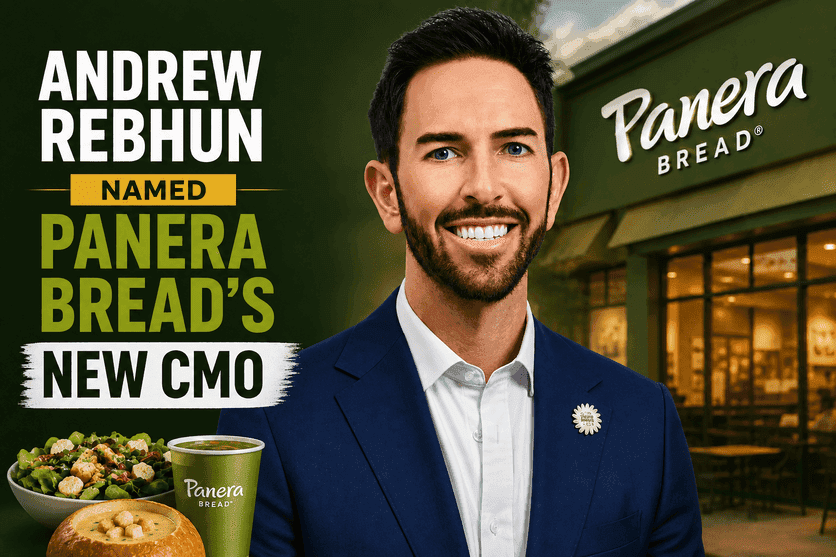
Panera Bread welcomes Andrew Rebhun as Chief Marketing Officer, succeeding Mark Shambura. Learn about his background at CAVA, El Pollo Loco, and McDonald's.
Aug 20, 2026
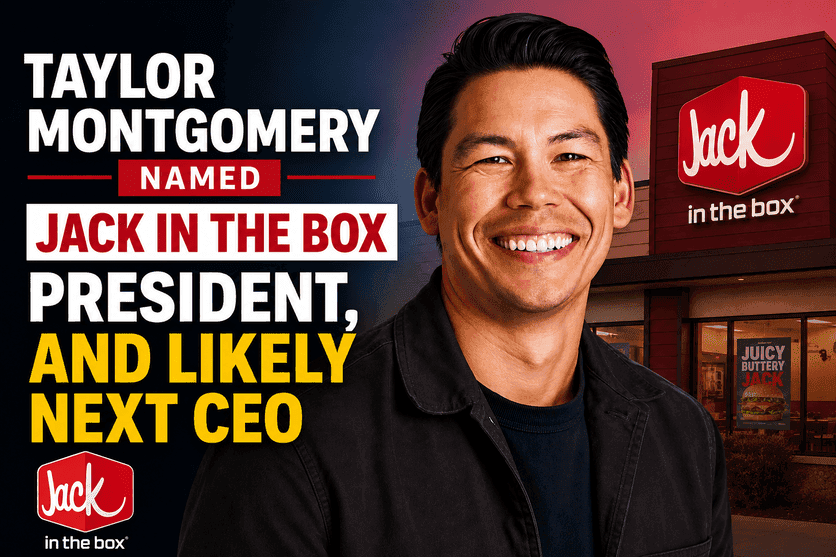
Taco Bell’s Taylor Montgomery has been appointed as President of Jack in the Box, positioning him to take over as CEO within a year - signaling major shifts for the QSR brand's future.
Aug 20, 2026
Explore the main types of ordering technology restaurants use to improve accuracy, speed, payments, customer convenience, and operational efficiency daily.
Aug 17, 2026
Learn the eight essential steps of the restaurant payroll process, from tracking hours and calculating wages to payments and recordkeeping.
Aug 17, 2026
Unlock Exclusive Access To Webinars, Events, And The Latest News For Free!
Explore the latest trends in restaurant operations, sales performance, and consumer preferences. Learn about the shift from vegetable oil to beef tallow in cooking and its impact on customer satisfaction.
Photo by S O C I A L . C U T
The recent ICR Conference provided valuable insights into the current state of the restaurant industry. Operators emerged cautiously optimistic about sales trends and returning foot traffic. Many brands shared their fourth-quarter results during the conference, highlighting improved performance. Despite this positive outlook, the year 2024 concluded with a slight downturn in restaurant sales, indicating a need for strategic adjustments to boost revenue.
Photo by S O C I A L . C U T
According to retail sales data from the U.S. Census, restaurant and bar sales experienced a 0.3% decline in December compared to November. While there was a 2.4% increase from the previous year, this growth rate was lower than the 3.6% rise in menu prices during the same period. This discrepancy signals a potential mismatch between pricing strategies and consumer spending habits, necessitating a reevaluation of pricing models to align with market dynamics.
Steak ‘n Shake's decision to switch from vegetable oil to beef tallow for frying its french fries reflects a broader movement towards traditional cooking methods. The use of beef tallow aims to enhance the authentic flavor of shoestring fries, catering to consumers seeking a nostalgic culinary experience. This change not only aligns with consumer preferences for minimally processed ingredients but also taps into the growing demand for 'heritage' cooking techniques that evoke a sense of tradition and quality.
The shift from vegetable oil to beef tallow has sparked varied reactions among consumers. While some applaud the move as a return to classic flavors and healthier options, others express concerns over the higher saturated fat content of beef tallow. This debate underscores the complexity of balancing taste preferences with nutritional considerations in the evolving landscape of food choices. Moreover, the industry's response to this change may set a precedent for future culinary trends and operational decisions within the restaurant sector.