Wendy’s New Playbook for Traffic & Quality
With traffic and sales slipping, Wendy’s new CEO Bob Wright sets a bold multi-pronged plan to restore food quality, brand value, and operational execution.
News
Aug 10, 2026
With traffic and sales slipping, Wendy’s new CEO Bob Wright sets a bold multi-pronged plan to restore food quality, brand value, and operational execution.
Aug 10, 2026
Explore practical ways to manage restaurant overhead costs while protecting service quality, employee productivity, food standards, and long-term profitability goals.
Aug 7, 2026
Get more restaurant reviews by creating memorable experiences, asking customers at the right time, simplifying feedback, and monitoring review performance.
Aug 7, 2026
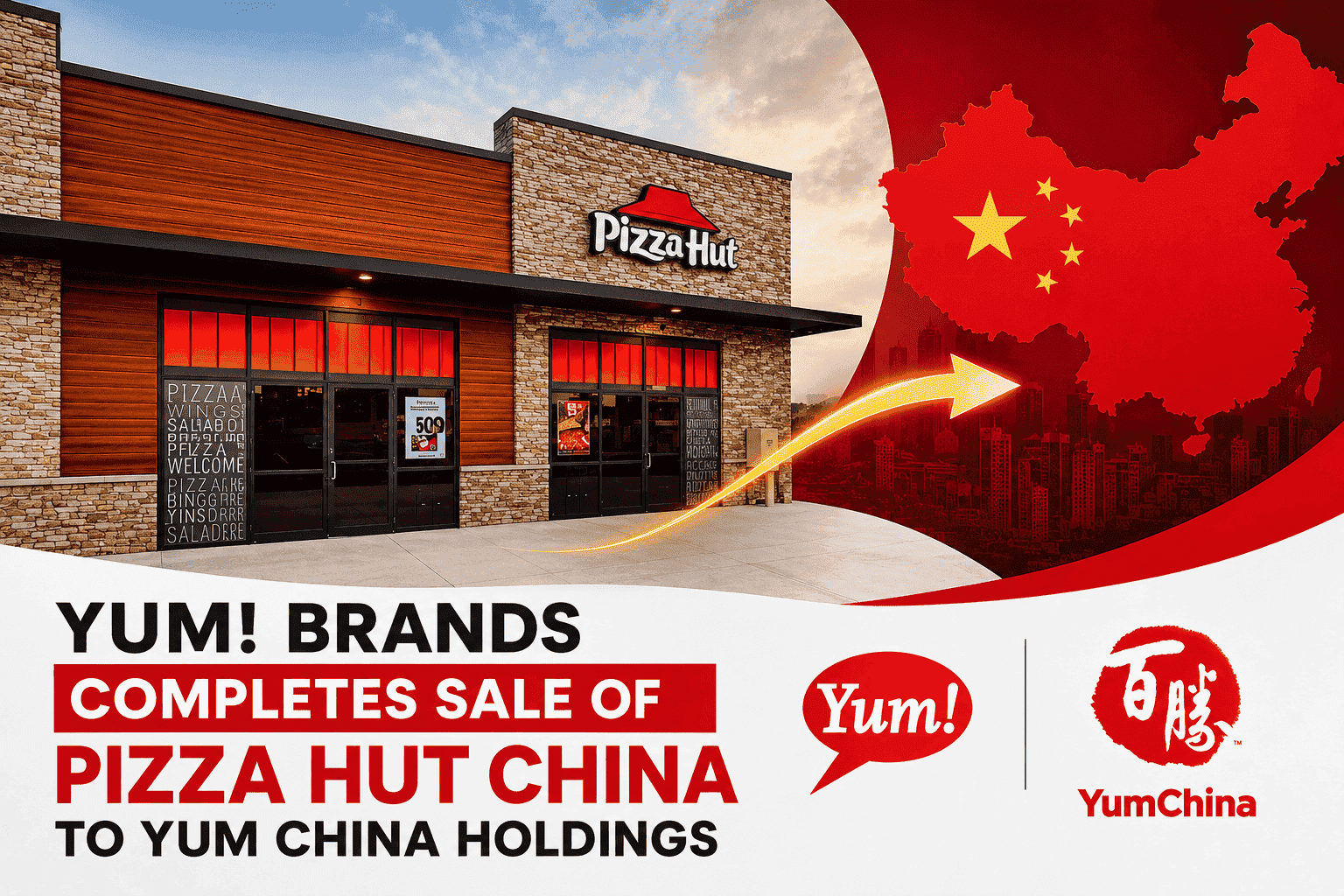
Yum! Brands has finalized a $1.2B deal to transfer Pizza Hut China to Yum China Holdings, signaling big strategic moves for both global franchisors and operators.
Aug 7, 2026
Panera Bread appoints industry veteran Andy Rebhun as Chief Marketing Officer, ushering in a new era of brand growth and consumer engagement.
Aug 7, 2026
Portillo’s trims 18% of its corporate staff in a bid to refocus resources on restaurant excellence and navigate operational challenges. Discover what the changes mean for the chain’s future.
Aug 7, 2026
Portillo’s trims corporate and field roles by 18% in a strategic shake-up to support future growth after soft traffic and sales. Read what this means for multi-unit operators.
Aug 6, 2026
Dutch Bros invests $105 million to acquire Salad and Go’s closed locations, targeting rapid expansion in key southern markets. Learn what this means for multi-unit restaurant owners and operators.
Aug 6, 2026
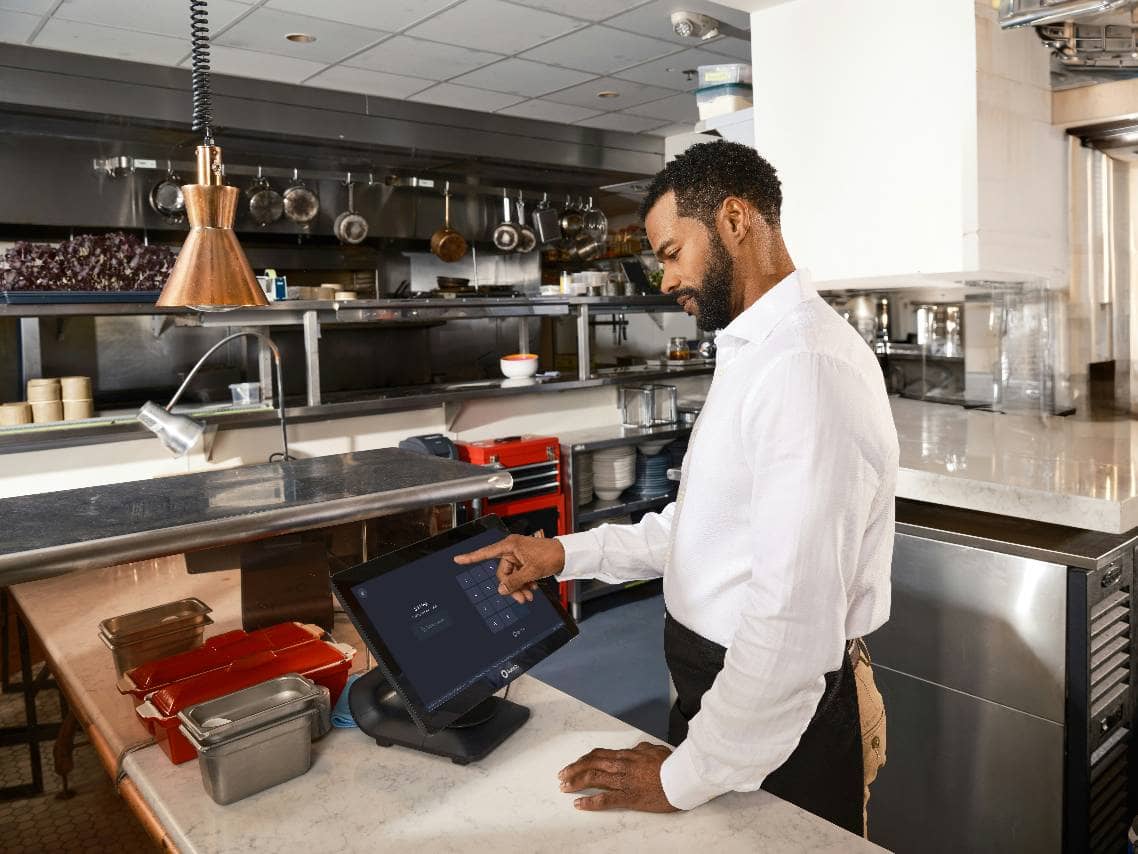
Scheduling software helps restaurants save time, control labor costs, improve communication, prevent conflicts, support compliance, and make smarter staffing decisions.
Aug 5, 2026

Portillo’s announces industry veteran Kevin Kalicak as its new CFO and Treasurer, underscoring the brand’s growth strategy and financial vision.
Aug 5, 2026
The fallout of Pizza Hut's mandated AI delivery system rollout has ignited a $100 million lawsuit from a leading franchisee, highlighting crucial franchisor-franchisee lessons for all restaurant owners.
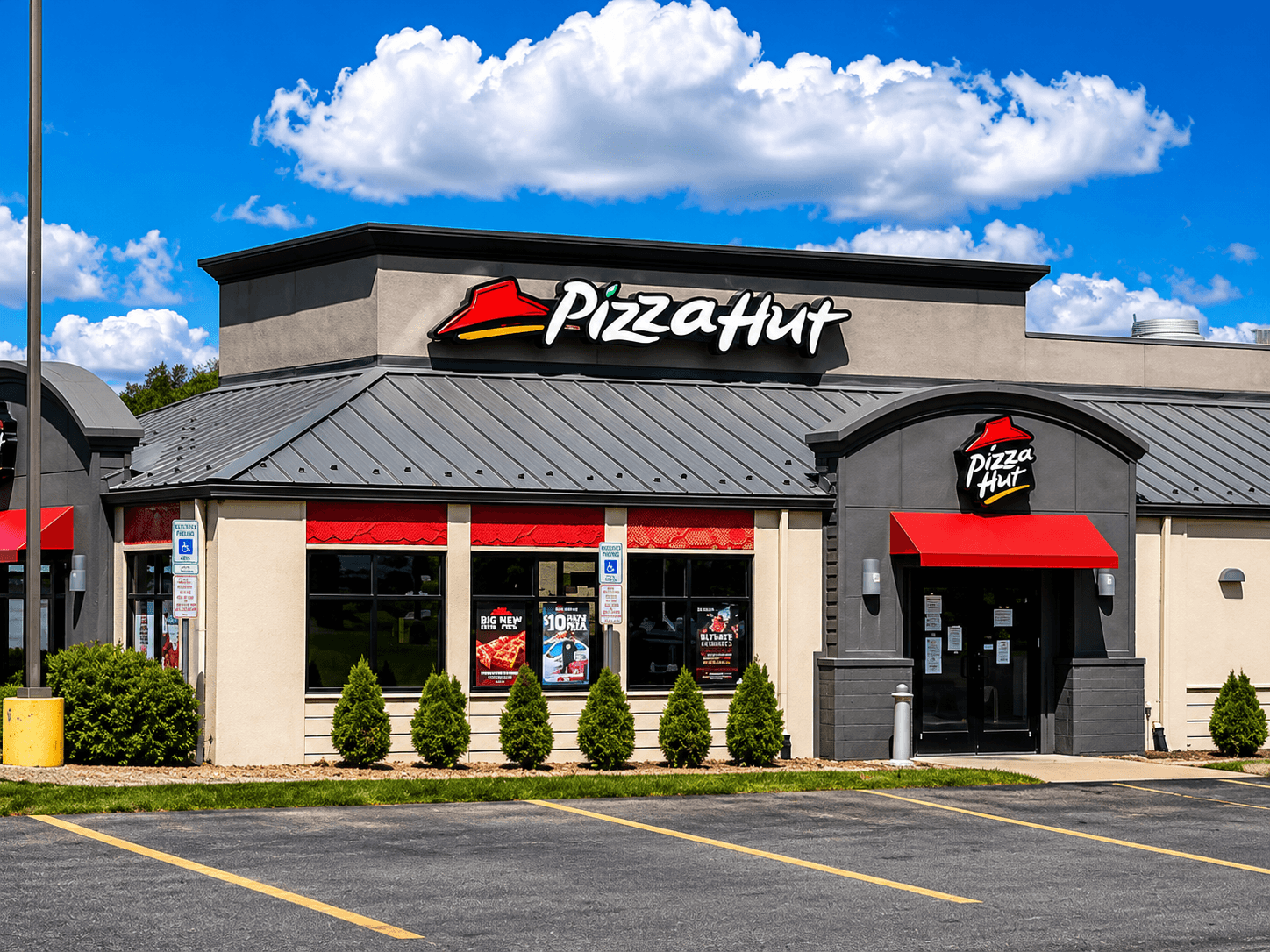
When technology meets tradition, the results can be unpredictable - just ask the team at Chaac Pizza Northeast, a franchise group with over 100 Pizza Hut outlets. A recent $100 million lawsuit from Chaac against the Pizza Hut brand has brought national attention to the risks and responsibilities associated with brand-mandated technology adoption. At the heart of the dispute is the rollout of "Dragontail," an AI-powered delivery system meant to modernize operations but which, according to franchisee claims, led to declining sales, missed delivery standards, and eroded customer trust. For restaurant owners, this episode underscores the importance of assessing both intended benefits and practical impacts before embracing ambitious digital platforms - especially when those changes come from corporate directives.
The lawsuit details how Dragontail, designed to streamline pizza preparation and delivery tracking through DoorDash, allegedly created more problems than solutions for Chaac’s busy stores. According to legal filings, DoorDash was suddenly able to track production to the minute - causing drivers to wait longer, rack times to spike, orders to cool, and on-time delivery rates to plummet. More troubling, drivers could see whether customers tipped or paid cash, which reportedly led to reluctance to deliver certain orders. For independent operators, this highlights a critical takeaway- every new system must be stress-tested in real-world workflows, and transparency about data access is key to protecting your customer experience. Restaurants should also push for detailed pilots and practical consultation before the full deployment of new technologies.
This ongoing legal spat throws a spotlight on the perennial friction between franchisees seeking operational autonomy and franchisors enforcing brand consistency. While Pizza Hut’s leadership saw Dragontail as a step forward, Chaac argues that implementation ignored the operational realities of their delivery-focused model. Broader franchising history is full of similar stories, where the tension between systemwide innovation and local adaptation can either drive progress or sow dissatisfaction. For multi-unit restaurant owners and managers, staying proactive about communication and negotiating reasonable accommodations during system rollouts is not just best practice - it's essential for long-term success.
As this lawsuit works its way through the courts, its outcome is likely to clarify - not undermine - the legal framework that gives franchisors leeway on brand standards. The real lesson for operators isn’t to fear innovation, but to insist on strong transition strategies-
Restaurant owners will continue to navigate the fine line between innovation and seamless execution. The Pizza Hut-Dragontail controversy is a cautionary tale - a reminder to evaluate, question, and prepare for any change impacting the guest experience or team workflow. In a landscape driven by technology, keeping your business future-proof isn’t about resisting tools, but advocating for rollouts that truly support your team and customers. For anyone overseeing a hospitality brand, it’s smart to stay engaged in software selection, foster open dialogue with decision-makers, and ensure any system, AI-based or not, is aligned with on-the-ground realities and growth goals.
As technology reshapes every corner of hospitality, your opportunity lies in bridging innovation and operational excellence. Watch major industry disputes closely and learn from both successes and setbacks - so that your next tech transition delivers true business value, not just compliance with the latest mandate. Want to integrate your processes and platforms effortlessly? See what’s possible with the right solutions built for restaurant operators.