.png&w=3840&q=70)
Wendy's Top Franchisee Bankruptcy Exposes Growth Risks
Meritage Hospitality's Chapter 11 filing pulls 5% of Wendy's U.S. stores into bankruptcy, exposing cracks in franchising's bigger-is-safer bet.
Franchising
Sep 21, 2026
Meritage Hospitality's Chapter 11 filing pulls 5% of Wendy's U.S. stores into bankruptcy, exposing cracks in franchising's bigger-is-safer bet.
Sep 21, 2026
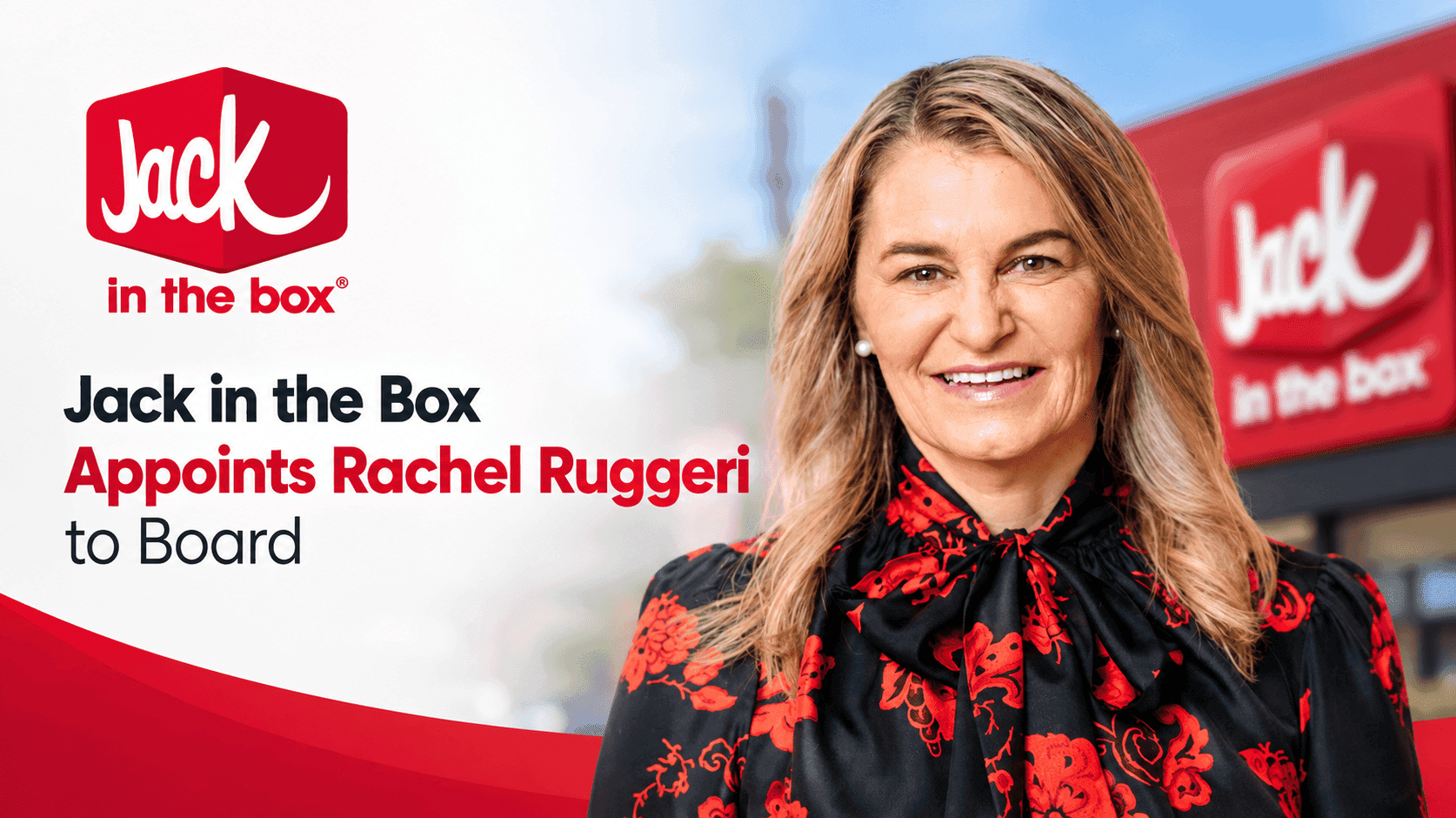
Jack in the Box names Rachel Ruggeri to its board as Michael Murphy retires, amid a CEO transition and deal with investor GreenWood.
Sep 21, 2026

Restaurant inventory tracking helps owners monitor stock, control food costs, reduce waste, improve purchasing, and make informed operational decisions.
Sep 21, 2026

Improve restaurant Google Maps rankings by optimizing your business profile, selecting accurate categories, gathering reviews, adding photos, and strengthening local relevance signals.
Sep 21, 2026

Understand how to forecast restaurant revenue and expenses with methods for sales projection, cost scaling, fixed-cost planning, and risk buffering.
Sep 18, 2026

Restaurant owners can significantly reduce restaurant costs by leveraging technology across inventory, labor, procurement, forecasting, and administrative operations for better profit margins.
Sep 18, 2026

everbowl names Anna Gabele Brand President and Natalie Trzcinski COO, pulling both from Jack in the Box to guide its next growth phase.
Sep 18, 2026

Mountain Mike's Pizza hires Jack in the Box veteran Sheena Dougher as CMO to drive national growth while preserving its regional brand identity.
Sep 17, 2026

From fixed costs to contribution margin, learn exactly how to calculate your restaurant's break even point with confidence.
Sep 16, 2026

DoorDash pays $425M for Wonder's campus dining platform and a stake in Wonder, betting on robotic kitchens and institutional foodservice growth.
Sep 16, 2026

Unlock Exclusive Access To Webinars, Events, And The Latest News For Free!
Yum! Brands has finalized a $1.2B deal to transfer Pizza Hut China to Yum China Holdings, signaling big strategic moves for both global franchisors and operators.
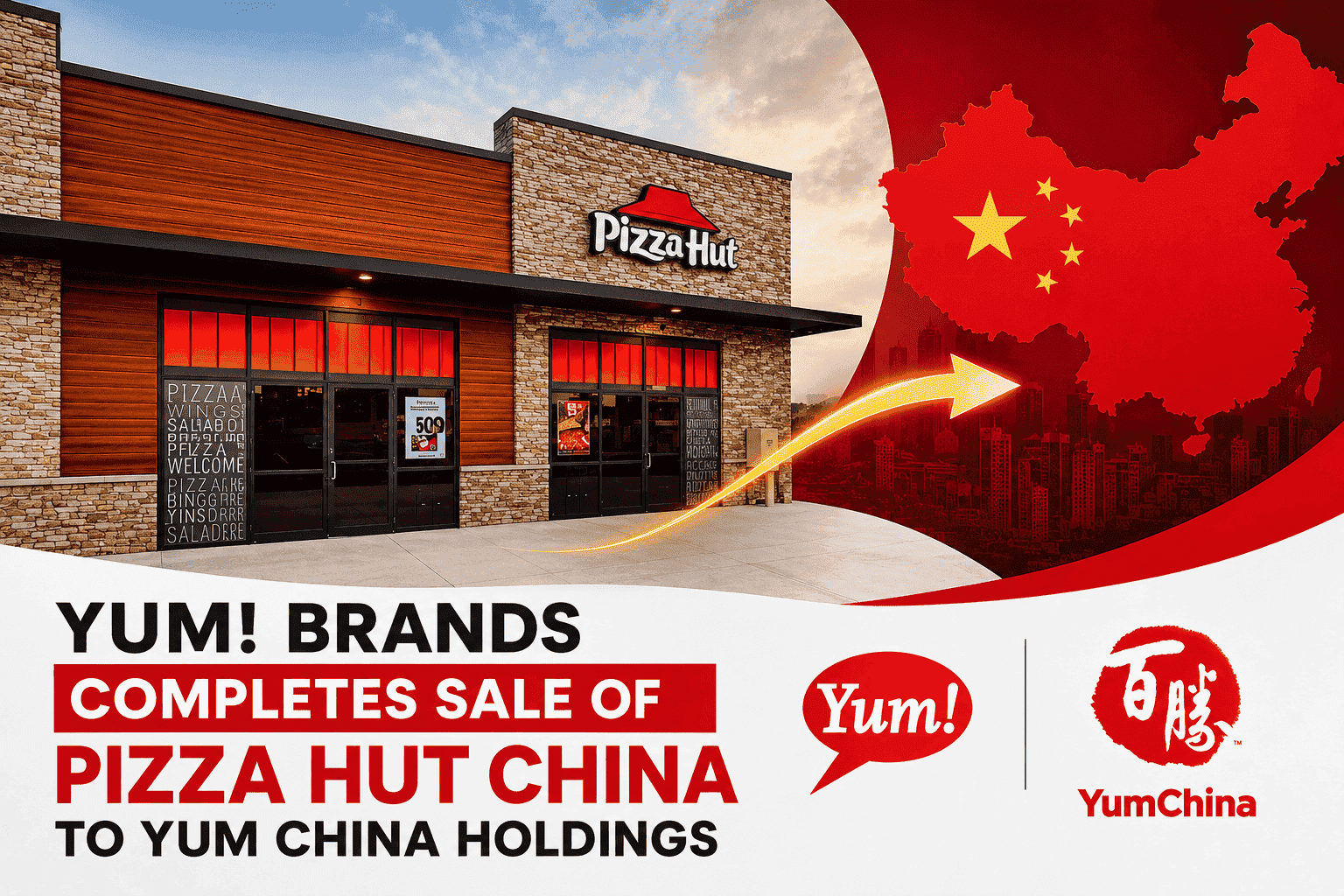
The restaurant industry is abuzz following the blockbuster $1.2 billion acquisition of Pizza Hut’s China operations by Yum China Holdings, as announced by Yum! Brands. This move is part of a broader $2.7 billion strategic realignment, with assets outside mainland China also in the process of being sold to LongRange Capital. For restaurant owners and operators, this signals a deepening trend of regional empowerment and local market expertise driving growth for international QSR giants.
What does this mean for operators? The transfer of Pizza Hut China suggests major players are increasingly looking to specialized market leaders to accelerate regional growth and customize offerings for local tastes. With Yum China’s deep insight into mainland consumers and proven ability to localize menus, Pizza Hut is primed to strengthen its presence and respond more nimbly to shifting market trends. At the same time, the industry may expect heightened competition in the China market as new entrants attempt to seize momentum from the transition.
For franchise leaders, this deal underlines the importance of agility and a willingness to adapt in a dynamic operating environment. Transitions of this scale often lead to operational enhancements, leadership changes, and further investments in local support. Franchisees should be prepared to review supply chain strategies, revisit marketing approaches, and anticipate changes in franchisor support as new ownership - and fresh capital - bring their own philosophies and best practices.
The story doesn’t end in China. Yum! Brands’ ongoing sale of additional Pizza Hut assets to LongRange Capital underscores a global trend toward greater focus, portfolio optimization, and investment in growing markets. Restaurant leaders worldwide should watch closely as these seismic shifts may open up new possibilities for collaboration, co-branding, or market entries. Staying proactive and continuing to invest in compliance, training, and operational infrastructure will be key as changing ownership brings both opportunities and headaches.
Now more than ever, restaurant managers and executives should embrace change as an opportunity for growth. By focusing on nimble workforce management, adapting to new local trends, and looking for innovations in compliance and food safety, operators can secure their competitive edge - regardless of how the ownership chessboard shifts.
With headline-making deals reshaping the quick-service landscape, staying connected and streamlining your operation has never been more essential. Whether you’re looking to integrate new systems, expand into new markets, or just want to keep your daily operations future-ready, the right technology partners can help simplify transitions and unlock growth.
